


Leg swelling, aching, and heaviness can develop for several reasons, including prolonged standing, muscle fatigue, and changes in circulation. When these symptoms keep returning, a vein specialist can help determine whether an underlying vein condition may be contributing.
During a vein evaluation in Stanhope, a specialist typically reviews your symptoms, examines your legs, and considers whether additional testing is needed. The goal is to understand the cause of your discomfort rather than assume every symptom is related to varicose veins or venous insufficiency.
What Does a Vein Specialist Look for First?
A vein evaluation usually begins with a conversation about your symptoms and medical history. Your provider may ask when the discomfort started, whether it affects one or both legs, and if it becomes more noticeable after prolonged sitting or standing.
Other important details may include previous blood clots, family history of vein disease, pregnancy history, medications, and previous vein treatments.
These questions help your specialist identify patterns that may suggest a circulation problem or another medical condition.
For example, someone whose legs feel heavy after standing all day may need a different assessment from someone experiencing sudden swelling in one leg.
How Are Leg Swelling, Aching, and Heaviness Examined?
During a physical examination, a vein specialist may look for several changes in the legs.
These can include:
- Visible veins: Enlarged, twisted, or bulging veins beneath the skin.
- Leg swelling: Puffiness around the ankles, calves, or lower legs.
- Skin discoloration: Darkening or reddish-brown changes near the ankles.
- Skin irritation: Dryness, itching, or changes in skin texture.
- Tenderness: Areas of discomfort that may require further assessment.
The specialist may also assess circulation, pulses, and other findings when clinically appropriate.
Not every patient with leg discomfort has visible vein changes. Some circulation-related problems can occur without obvious varicose veins.
MVM Health’s article on what varicose veins look and feel like in Stanhope explains how visible vein changes may relate to symptoms.
Why Does the Pattern of Your Symptoms Matter?
A specialist considers more than whether your legs hurt or feel swollen.
The timing, duration, and circumstances surrounding your symptoms can provide important diagnostic clues.
| Symptom pattern | What your specialist may consider |
| Heaviness after prolonged standing | Whether venous pressure or another factor contributes |
| Swelling that increases throughout the day | Possible venous, medication-related, or systemic causes |
| Aching with visible varicose veins | Whether superficial venous reflux is present |
| Discomfort during walking | Possible muscular, arterial, joint, or nerve-related causes |
| Persistent swelling in both legs | Venous disease and other causes of fluid retention |
These patterns do not confirm a diagnosis. They help determine which conditions should be considered during the evaluation.
If your main concern is a tired or weighted feeling after work, read MVM Health’s related blog, Why Do Legs Feel Heavy After a Long Day?.
When Is a Venous Ultrasound Recommended?
A vein ultrasound examination may be recommended when symptoms or physical findings suggest an underlying venous circulation problem.
Venous duplex ultrasound uses sound waves to assess the veins and blood flow. It can help identify venous reflux, in which blood flows backward through veins because valves do not close properly.
Ultrasound may also help evaluate certain vein obstructions or blood clots, depending on the type of examination ordered.
According to the Society for Vascular Surgery’s clinical practice guidelines, duplex ultrasound is the diagnostic test of choice for assessing venous reflux in patients with chronic venous disease.
However, not everyone with spider veins, mild leg discomfort, or occasional swelling needs an ultrasound. Testing depends on the clinical findings.
Noticing Persistent Changes in Your Legs?
Recurring swelling, aching, or heaviness may deserve a closer evaluation, especially when symptoms affect your daily activities.
MVM Health provides evaluation-based vein care in Stanhope, NJ, to help patients understand their symptoms and appropriate next steps.
What Conditions Might a Vein Evaluation Identify?
A specialist may investigate several possible explanations for leg symptoms.
Varicose veins: Enlarged superficial veins that may cause aching, heaviness, itching, or discomfort.
Chronic venous insufficiency: A condition in which the veins have difficulty returning blood toward the heart, potentially contributing to swelling and skin changes.
Venous reflux: Backward blood flow through veins caused by poorly functioning valves.
Other circulation or medical conditions: Some symptoms may result from lymphatic disorders, arterial disease, medications, nerve problems, or systemic health conditions.
Because these conditions can produce overlapping symptoms, identifying the underlying cause is important before recommending treatment.
You can learn more about related conditions through MVM Health’s vein treatment and condition information.
How Does a Specialist Decide What Happens Next?
After reviewing your symptoms, examination findings, and any necessary tests, your provider can discuss the results and whether treatment is appropriate.
For some patients, recommendations may include regular walking, appropriate leg elevation, or compression stockings when medically suitable.
Others may benefit from additional testing, referral to another specialist, or consideration of minimally invasive vein procedures when significant symptomatic venous disease is confirmed.
Treatment decisions depend on the diagnosis, symptom severity, medical history, and individual goals.
A consultation does not automatically mean that a procedure will be recommended.
How Can You Prepare for Your Vein Appointment?
You do not need to diagnose your symptoms before visiting a specialist. However, bringing a few useful details can make the consultation more productive.
Consider noting when swelling or aching occurs, whether it affects one or both legs, and which activities make symptoms better or worse.
You may also want to bring a current medication list, relevant medical records, and information about previous vein treatments or blood clots.
Photographs of intermittent swelling or visible changes may help illustrate symptoms that are not present during the appointment.
For additional preparation guidance, MVM Health’s Stanhope vein-care guide explains common patient questions about evaluations and treatment.
When Should Leg Symptoms Receive Urgent Medical Attention?
Some leg symptoms require more immediate medical assessment rather than a routine appointment.
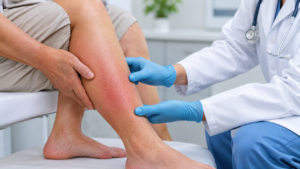
Sudden swelling in one leg, particularly with pain, warmth, or redness, may indicate a blood clot and requires prompt evaluation. Seek emergency medical care if leg symptoms occur with sudden shortness of breath, chest pain, fainting, or coughing up blood.
A suddenly cold, pale, or severely painful leg also requires emergency assessment.
Recurring mild discomfort can often be evaluated through a scheduled consultation, but sudden or severe changes should not be ignored.
Where Can You Get a Vein Evaluation in Stanhope, NJ?
MVM Health provides vein evaluation and treatment guidance for patients experiencing leg swelling, heaviness, aching, varicose veins, and other possible vein-related concerns.
The Stanhope clinic is located at 16 US 206, Suite C, Stanhope, NJ 07874, serving patients from Stanhope and nearby communities such as Netcong, Hopatcong, Mount Olive, and Byram Township.
Patients can visit the MVM Health Stanhope location page for clinic details and appointment information.
Get Clear Answers About Your Leg Symptoms
Leg swelling, aching, and heaviness can have several possible causes, and symptoms alone may not reveal whether a vein condition is involved.
A professional evaluation helps connect your medical history, physical findings, and diagnostic testing when appropriate.
If you are considering a vein evaluation in Stanhope, MVM Health can help you better understand your symptoms and discuss suitable next steps based on your individual needs.