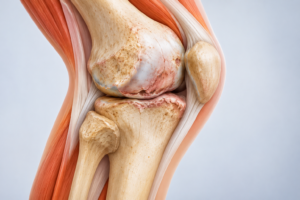













Pain After Knee Replacement Treatment

You had knee replacement surgery to get your life back, but months later the knee still aches when you climb stairs, keeps you awake at night or feels stiff and sore after a short walk. Persistent pain after knee replacement is more common than many people expect, and it is not something you simply have to live with. At MVM Health, our pain specialists work with your orthopedic surgeon to understand why your knee still hurts and to ease the pain, with options that include genicular nerve blocks and radiofrequency ablation (RFA).

Book a visit with a pain specialist near you at one of our clinics in Pennsylvania, New Jersey, Ohio and Arizona.

pain after knee replacement
pain after knee replacement pain after knee replacement pain after knee replacement pain after knee replacement pain after knee replacement pain after knee replacement pain after knee replacement pain after knee replacement pain after knee replacement pain after knee replacement pain after knee replacement pain after knee replacement pain after knee replacement pain after knee replacement pain after knee replacement pain after knee replacement pain after knee replacement pain after knee replacement pain after knee replacement pain after knee replacement pain after knee replacement pain after knee replacement pain after knee replacement pain after knee replacement

Meet Our Expert Team

Board Certified Expert

At MVM Health — Movement. Vitality. Medicine. — we are committed to providing exceptional pain, vein, and wellness services that empower individuals to reclaim their health and well-being. With our team of Harvard-trained experts, we strive to deliver transformative outcomes that restore comfort, confidence, and quality of life. MVM Health’s mission is to help every patient relieve discomfort, restore motion, and renew life.

pain after knee replacement

Vwaire Orhurhu, MD, MPH
Harvard Medical School

pain after knee replacement

Mariam Salisu, MD, MPH
Harvard Medical School

pain after knee replacement

Peter Isaac, DO
Philadelphia College of Osteopathic Medicine

pain after knee replacement

Ali Amin, MD
Baylor College of Medicine

pain after knee replacement

THOMAS KHOURY, MD
Harvard Medical School

pain after knee replacement

ANTHONY TURNER, MD
Yale School of Medicine

pain after knee replacement

KIRAN C. TAMIRISA
Baylor College of Medicine

pain after knee replacement

TARIQ ALFARRA, DO
JOHNS HOPKINS HOSPITAL

pain after knee replacement

Rishi Sheth, MD
University of Miami School of Medicine

pain after knee replacement

Henry Onyeaka, MD, MPH
Harvard Medical School

pain after knee replacement

Felicia Todd, CNP
Moravian College

pain after knee replacement

Carrie Ward, CNP
Franklin University

pain after knee replacement

Kruti Solanki, CNP
Drexel University

pain after knee replacement

Christy Daniels, CNP
Chamberlain University

pain after knee replacement

Heerina Kittel, CNP
Maryville University

pain after knee replacement

Vic Urbano, CNP
Walden University

pain after knee replacement

Jameela Azeem, CNP
Hofstra University

pain after knee replacement

Vwaire Orhurhu, MD, MPH
Harvard Medical School

pain after knee replacement

Mariam Salisu, MD, MPH
Harvard Medical School

pain after knee replacement

Peter Isaac, DO
Philadelphia College of Osteopathic Medicine

pain after knee replacement

Ali Amin, MD
Baylor College of Medicine

pain after knee replacement

THOMAS KHOURY, MD
Harvard Medical School

pain after knee replacement

ANTHONY TURNER, MD
Yale School of Medicine

pain after knee replacement

KIRAN C. TAMIRISA
Baylor College of Medicine

pain after knee replacement

Rishi Seth, MD
University of Miami School of Medicine

pain after knee replacement

Henry Onyeaka, MD, MPH
Harvard Medical School

pain after knee replacement

Felicia Todd, CNP
Moravian College

pain after knee replacement

Vic Urbano, CNP
Walden University

pain after knee replacement

Jameela Azeem, CNP
Hofstra University

We work with a wide variety of insurance providers

pain after knee replacement pain after knee replacement pain after knee replacement pain after knee replacement pain after knee replacement pain after knee replacement pain after knee replacement

and 100+ more

Insurance coverage for pain treatment depends on your specific plan, medical necessity, and prior authorization. Our team will review your benefits with you in advance. Questions? Contact us to confirm if your insurance is accepted.

What Is Persistent Pain After Knee Replacement?

Some pain, swelling and stiffness are normal for several months after a total knee replacement, and many people keep improving for up to a year. Pain is considered persistent, or chronic, when it lasts beyond about three months, does not keep improving, or returns after the knee had been feeling better. Roughly 1 in 10 to 1 in 5 people report ongoing pain after knee replacement.

The new joint is only part of the knee. The implant replaces worn joint surfaces, but the nerves, muscles, tendons and soft tissue around the knee can still cause pain.

Your surgeon checks the joint first. Infection, loosening, instability or problems with implant position need to be ruled out by your orthopedic surgeon. We coordinate with them so nothing is missed.

Nerve pain is a common cause. Small sensory nerves around the knee, called genicular nerves, can stay irritated after surgery and keep sending pain signals.

Treatment can help. Once serious joint problems are ruled out, targeted nerve treatments, therapy and other options can ease pain without another surgery for many people.

pain after knee replacement

Types of Pain After Knee Replacement

Pain after knee replacement is grouped by where it comes from. Knowing the type helps your provider decide whether you need your surgeon, a pain specialist, or both.

Joint-related pain

Pain from the implant itself, such as loosening, instability, wear or a problem with alignment. This pain is often worse with standing, walking or weight-bearing and needs evaluation by your surgeon.

Soft tissue pain

Pain from tendons, ligaments, bursae or scar tissue around the knee, often felt at specific tender spots.

Stiffness-related pain

Pain linked to limited bending or straightening, sometimes from excess scar tissue (arthrofibrosis).

Referred pain

Pain felt in the knee that actually comes from the hip or lower back, such as hip arthritis or a pinched nerve in the spine.

Common Causes of Pain After Knee Replacement

Ongoing knee pain after surgery can come from the nerves, the implant, the surrounding tissue or another part of the body. Often, more than one cause is involved.

Irritated genicular nerves

The genicular nerves carry pain signals from the knee. After surgery, they can stay sensitized and keep the knee painful even when the implant looks fine.

Nerve injury near the incision

A small sensory nerve, often a branch of the saphenous nerve, can be stretched or cut during surgery and cause numbness or sharp pain near the scar.

Infection

Infection around the implant can cause ongoing pain, warmth and swelling, even months later. It must be ruled out early.

Implant loosening or instability

Loosening, wear or a knee that feels like it gives way can cause pain with activity.

Stiffness and scar tissue

Too much scar tissue can limit motion and make the knee ache when you try to bend or straighten it.

Soft tissue irritation

Tendonitis, bursitis or irritation of the tissue around the kneecap can cause sharp, local pain, often with stairs, kneeling or getting up from a chair.

Pain coming from elsewhere

Hip arthritis, sciatica or spinal stenosis can send pain to the knee.

Complex regional pain syndrome

Rarely, complex regional pain syndrome (CRPS) develops after surgery, causing burning pain, swelling and skin changes.

Risk Factors

Your risk of ongoing pain after knee replacement is higher if you:

Symptoms

When Symptoms Need Urgent Care

Some symptoms after knee replacement need prompt care. Contact your surgeon right away or get urgent medical care if you have:

  • Fever, chills, or redness, warmth or drainage from the incision
  • A sudden increase in knee pain and swelling
  • Calf pain, swelling or tenderness, which can signal a blood clot
  • Sudden shortness of breath or chest pain (call 911)
  • Inability to put weight on the leg after a fall, or a knee that looks out of place

These signs can point to infection, a blood clot, a fracture or another problem that needs immediate attention.

Book a pain evaluation

Posted on Google pain after knee replacement
pain after knee replacement
Brenda Giles
pain after knee replacementpain after knee replacementpain after knee replacementpain after knee replacementpain after knee replacementTrustindex verifies that the original source of the review is Google.
Everybody was very pleasant and not long waiting at all
Posted on Google pain after knee replacement
pain after knee replacement
Lala Kenjo
pain after knee replacementpain after knee replacementpain after knee replacementpain after knee replacementpain after knee replacementTrustindex verifies that the original source of the review is Google.
I'm going to say Dr. O is a miracle worker. I have two herniated discs in my neck and the pain was so severe, I had to roll out of bed some days. I went to see Dr. O and was scheduled for an injection in my neck. The first injection helped a little bit, but I was still in severe pain most days. Speaking to other people, it normally takes two injections so I went from my second injection with Dr. O. Oh, and by the way, he squeezed me in the very next day for the procedure. I have not felt this good in a very long time. I can actually sit in a chair without my neck throbbing from pain and I've even started taking better care of my vegetable garden in my yard. Like I said this man is a miracle worker. Love, love, love him and I highly recommend him. Oh, and all of his staff are extremely friendly, patient, and very empathetic to their patients.
Posted on Google pain after knee replacement
pain after knee replacement
Maryann Iko
pain after knee replacementpain after knee replacementpain after knee replacementpain after knee replacementpain after knee replacementTrustindex verifies that the original source of the review is Google.
Everyone is friendly and feeling good about them helping me
Posted on Google pain after knee replacement
pain after knee replacement
MARCE CASTAÑO
pain after knee replacementpain after knee replacementpain after knee replacementpain after knee replacementpain after knee replacementTrustindex verifies that the original source of the review is Google.
“My experience today was excellent. From the moment I arrived, the staff was welcoming and attentive. The way everything was explained to me made the process clear and easy to understand. I felt very comfortable and, most importantly, safe throughout my visit. I truly appreciate the professionalism and care I received.”
Posted on Google pain after knee replacement
pain after knee replacement
Barbara Quarantello
pain after knee replacementpain after knee replacementpain after knee replacementpain after knee replacementpain after knee replacementTrustindex verifies that the original source of the review is Google.
I have been a patient of Dr. Orhurhu for over a year and the care he has given me has been exceptional. I had a compound fracture of my L2 vertebrae in May 2024 and he performed a Kyphoplasty in his office with wonderful results. I still have issues with my back due to scoliosis and bulgeing discs that impinge on my spine. Dr.O suggested ablation therpy on my low back along with 4 epidural injections with 2 more to come this week. But I have great faith in Dr. Orhurhu that I will be improving under his excellent care and guidance.
Posted on Google pain after knee replacement
pain after knee replacement
Seleimy Suárez Rodríguez
pain after knee replacementpain after knee replacementpain after knee replacementpain after knee replacementpain after knee replacementTrustindex verifies that the original source of the review is Google.
Me gustó bastante y mucho la atención de el Señor Andy, excelente coordinador. Excelentes servicios en todo!!! Quede muy encantada.

Other Treatment Options

Treating pain after knee replacement starts with finding the cause. Once your surgeon has ruled out problems with the implant, we start with the least invasive options and step up only when needed. Many people improve without another surgery.

pain after knee replacement

Physical therapy and exercise

Guided exercise improves strength, range of motion and walking, and reduces strain on the knee.

pain after knee replacement

Medication guidance

Anti-inflammatory medicine is placed near irritated spinal nerves to ease pain that radiates into an arm or leg, such as from a herniated disc or stenosis.

pain after knee replacement

Genicular nerve block

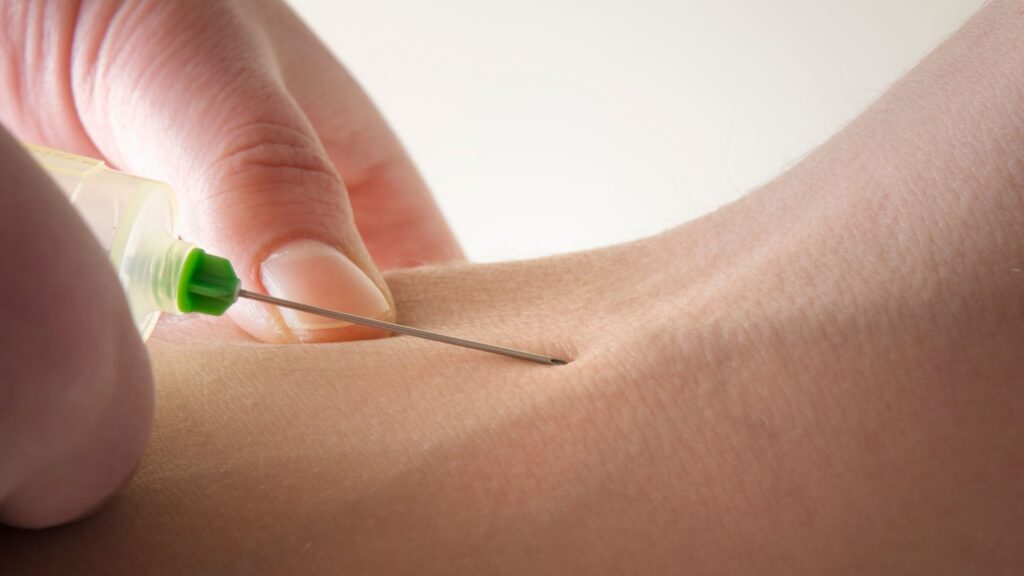
Numbing medicine is placed near the genicular nerves around the knee using imaging guidance. A genicular nerve block can ease pain and shows whether these nerves are the main source. If you get good short-term relief, you may be a candidate for radiofrequency ablation.

pain after knee replacement

Genicular nerve radiofrequency ablation (RFA)

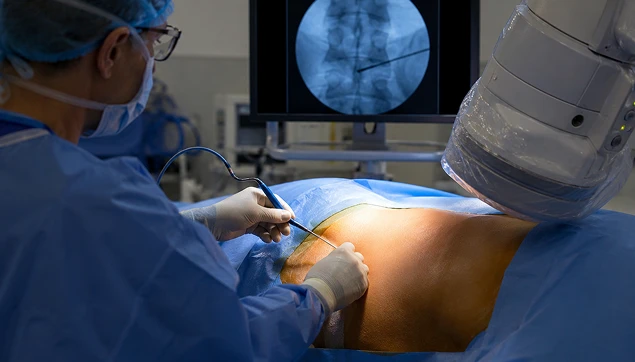
Radiofrequency ablation uses gentle heat to quiet the genicular nerves so they send fewer pain signals. It is an outpatient procedure, and relief often lasts many months. The nerves can regrow, and the procedure can be repeated if it helped.

pain after knee replacement

Spinal cord stimulation

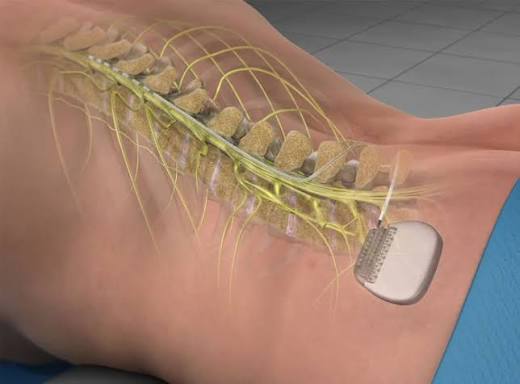
For long-lasting nerve pain that has not improved with other care, spinal cord stimulation may be considered. It starts with a short trial, so you can see whether it helps before deciding on a permanent device.

pain after knee replacement

Coordinating with your surgeon

If tests suggest infection, loosening or instability, we work with your orthopedic surgeon on next steps, which may include further imaging or revision surgery.

Managing Knee Pain at Home

Daily habits can ease pain and protect your new knee. Follow your care team’s instructions, since they match your health and treatment plan.

pain after knee replacement

If your knee becomes more swollen, red or warm, or you develop fever or calf pain, call your surgeon or our office right away.

Do your exercises every day. Keep up with the stretching and strengthening program from your therapist, even after formal therapy ends.

Stay active, but pace yourself. Walking and low-impact activities such as cycling or swimming help, but spread activity through the day.

Use ice and elevation. Ice the knee for 15 to 20 minutes and raise your leg after activity to reduce swelling.

Manage your weight. Every extra pound adds load to the knee when you walk and climb stairs.

Protect your sleep. A pillow under or between the knees can make sleep more comfortable.

Watch the incision. Check for redness, warmth or drainage and report any changes.

Keep a pain diary. Note when pain is worse, what activities trigger it and what helps. This guides your plan.

Knee Replacement Specialist Near You

Book a pain specialist near you at one of our clinics in Pennsylvania, New Jersey, Ohio and Arizona.

Pennsylvania

New Jersey

Arizona

Frequently Asked Questions

How long is pain normal after knee replacement?

Pain and swelling usually improve steadily over the first three months, and many people continue to improve for up to a year. Pain that lasts longer than three months, stops improving or returns should be checked.

Why does my knee still hurt after a knee replacement?

Common reasons include irritated genicular nerves, a nerve injured near the incision, stiffness, soft tissue problems, or pain referred from the hip or back. Infection and implant problems must be ruled out by your surgeon.

Can nerve pain happen after knee replacement?

Yes. Small sensory nerves around the knee can be irritated or injured during surgery, causing burning, shooting pain or numbness near the scar.

What is a genicular nerve block?

It is an injection of numbing medicine near the nerves that carry pain signals from the knee. It can ease pain and helps show whether radiofrequency ablation may help.

Can RFA be done after a knee replacement?

Yes. Genicular nerve RFA can be used for persistent pain after knee replacement once your surgeon has ruled out problems with the implant. Your provider will tell you whether you are a good candidate.

How long does genicular RFA relief last?

Relief often lasts many months, and sometimes longer. Because nerves can regrow, the procedure can be repeated if it helped.

Do I need another surgery?

Not usually. Revision surgery is mainly needed for infection, loosening, instability or implant position problems. Many people with persistent pain improve with non-surgical treatment.

Why is my knee replacement pain worse at night?

Swelling, stiffness after lying still and nerve-related pain can all feel stronger at night. Treating the cause often improves sleep.

Who should I see for pain after knee replacement?

Start with your orthopedic surgeon to check the implant. A pain specialist can then treat nerve, soft tissue and other causes of pain. We work alongside your surgeon and physical therapist.

Can physical therapy still help months after surgery?

Yes. Strength, flexibility and walking can keep improving well after formal therapy ends, and a focused program can ease pain and stiffness.

Is treatment for pain after knee replacement covered by insurance?

Coverage depends on your plan, medical necessity and prior authorization. Our team reviews your benefits with you in advance, and you can contact us to confirm your insurance.

How do I schedule a consultation for pain after knee replacement?

MVM Health has pain clinics in Pennsylvania, New Jersey, Ohio and Arizona. Request an appointment online or call (888) 628-4785. Our team will check your insurance and help you find a time.

Recent blogs

Contact Us
Book Appointment Call 888-628-4785