

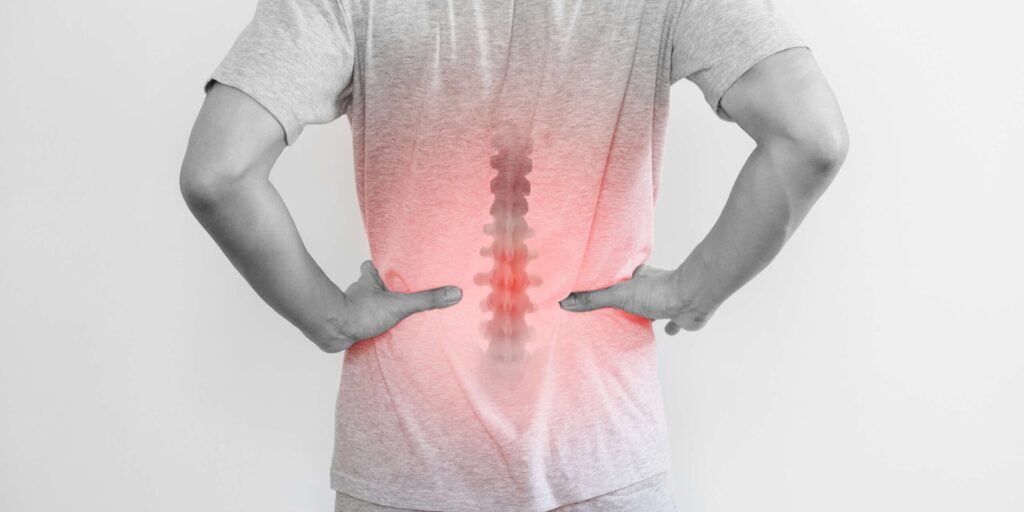
Low back pain, which is also called waist pain, is one of the most common health problems people have these days. It can happen when you sit for too long, move heavy things, or just get older. Many people take drugs to feel better quickly, but they don’t solve the problem; they just hide it.
The good news is that doctors recommend a number of natural, slightly invasive methods that can help with pain and healing over time. This blog post will talk about waist pain management techniques that doctors have approved and good ways to deal with pain that can help you live a happier, more peaceful life.
Doctor-Approved Natural Treatments
Physical therapy and other safe ways
One of the safest and healthiest ways to ease back pain is through physical treatment. A trainer shows you specific stretches and movements that will help you get stronger in your core and improve your balance. When your spine is supported, your lower back doesn’t have to work as hard.
Simple things like sitting up straight, not lifting heavy things, and taking small walks every day can also make a big difference. These little things not only help with the pain you’re in right now, but they also keep problems from happening in the future. Doctors often suggest physical therapy first because it is safe, works well, and doesn’t need any drugs or surgery.
Blocks for nerves
An irritable nerve can make your waist painful. The solution for this is a block of nerves. A nerve block is when medicine is put into a nerve to temporarily stop the pain signal. This helps doctors find the nerve that’s hurting you and make you feel better right away.
It’s a safe option that lets people move around more easily and keep going with their physical therapy. It doesn’t fix the problem for good, but you can do it again if you need to. Many people say that nerve blocks help them stop the cycle of pain and soreness in their lower back.
Steroid Shots in the Spine
Epidural steroid shots are a common way to treat sciatica and other nerve pain in the lower back or hips. A doctor uses this method to inject steroids, which are drugs that fight inflammation, into the area around your spine. This makes the area less swollen, relieves pain, and relieves pressure. The end result is less pain, better movement, and more comfort in everyday life.
You might feel better for weeks or even months, which gives you time to focus on getting better physically and making healthy changes to your life. This method is safe, doesn’t hurt much, and has been approved by a doctor. It’s a good choice for people who want pain relief quickly and effectively.
Orthobiologics and Platelet-Rich Plasma (PRP) Therapy
Platelet-Rich Plasma (PRP) treatment uses your body’s own healing power to help with waist pain. Someone takes a small amount of your blood, processes it, and then puts it back into the area that hurts. Your platelets in the blood send out growth factors that help fix broken tissues like discs, ligaments, muscles, and more. This natural treatment for waist pain helps with pain and performance over time.
Orthobiologic options, like stem cells, help the area of pain get better in a similar way. PRP is safe and easy to use because it comes from your own body. It’s a new way to get long-lasting relief without surgery that doctors recommend.
Neurotomy or Radiofrequency Ablation
Radiofrequency ablation is a new way to treat hip pain that comes from certain nerves or joints. Radio waves heat up the nerve endings that send pain signals as part of this method. Then, the nerve endings are treated gently. When these nerves calm down, you will feel less pain. It can take months or even years to get better.
The surgery is minimally invasive, so there aren’t any big cuts or stitches, and it heals quickly. This method usually works well for people who haven’t gotten better with shots or physical therapy. It helps to get back to daily ease and a better quality of life.
To sum up
Low back pain can significantly affect your daily activities, but effective treatment is available. From physical therapy and lifestyle modifications to minimally invasive procedures such as nerve blocks, epidural steroid injections, PRP therapy, and radiofrequency ablation, many patients find lasting relief without surgery. If you’re experiencing persistent low back pain, consulting a qualified pain management specialist can help identify the underlying cause and develop a personalized treatment plan. At MVM Health, our experienced team provides comprehensive evaluations and advanced treatment options designed to help you reduce pain, restore mobility, and improve your quality of life.
Take the Next Step Toward Low Back Pain Relief
If low back pain has lasted more than a few weeks, keeps returning, or limits your daily activities, MVM Health can help identify the underlying cause and discuss appropriate treatment options. Request an appointment to receive a personalized care plan focused on reducing pain and restoring mobility.
Schedule Appointment