
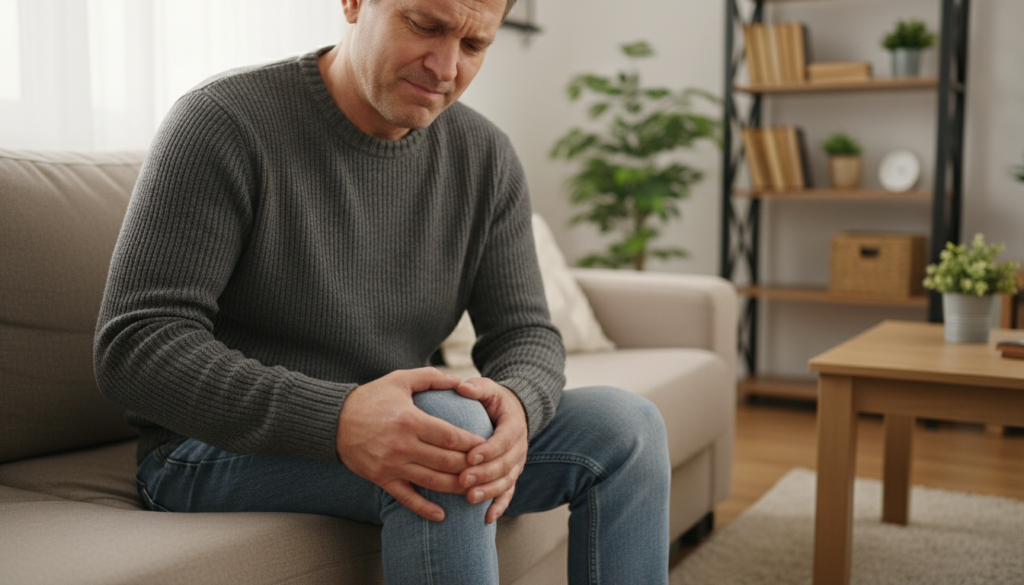
Joint pain treatment works best when it starts with a clear answer to one question: what is actually causing the pain? Aching knees, stiff hips or sore shoulders can come from arthritis, but they can also come from an old injury, inflamed tendons or a problem in a nearby nerve. Each cause calls for a different plan.
If you’re looking for joint pain treatment in King of Prussia, PA, this guide explains the most common causes, the warning signs that need prompt care and what to expect from an evaluation at MVM Health’s King of Prussia pain clinic. It also covers the treatment options your provider may discuss.
Joint Pain vs. Arthritis: What’s the Difference?
Joint pain is a symptom. Arthritis is one of the conditions that can cause it. “Arthritis” is an umbrella term for roughly 100 conditions that affect the joints and the tissues around them. According to the CDC, about 53.2 million U.S. adults, or 21.2%, reported a doctor-diagnosed form of arthritis between 2019 and 2021, and most were 45 or older.
Not every painful joint is arthritic, though. Tendinitis, bursitis, ligament strains and referred pain from the spine can all feel like joint pain. For a broader look at how joint pain develops and the treatments available, read our guide to finding relief from joint pain and restoring mobility.
Common Causes of Joint Pain
Osteoarthritis
Osteoarthritis is the most common type of arthritis. The cartilage that cushions the ends of the bones gradually wears down, which leads to pain, stiffness and reduced range of motion. It most often affects the knees, hips, hands and spine, and symptoms usually build slowly over years. If your hip is the main problem, our article on hip arthritis causes, symptoms and treatment goes into more detail.
Inflammatory arthritis
Rheumatoid arthritis and psoriatic arthritis happen when the immune system attacks the joint lining. They often affect the same joints on both sides of the body and cause morning stiffness that lasts longer than 30 minutes, along with swelling and fatigue. They usually need care from a rheumatologist. Learn more on our rheumatoid arthritis page.
Gout
Gout causes sudden, intense attacks of pain, redness and swelling, often in the big toe, ankle or knee. It’s caused by uric acid crystals building up in the joint.
Injury and overuse
Old sports injuries, repetitive strain at work and weekend-warrior activities can all damage cartilage, ligaments and tendons. An earlier injury can also raise the risk of osteoarthritis later.
Everyday strain in the King of Prussia area
Many people in and around King of Prussia spend long hours at desks in the area’s office parks, drive the Schuylkill Expressway and the Turnpike, or stay active on the trails at Valley Forge National Historical Park. Prolonged sitting can stiffen hips and knees, while running and hiking on uneven ground add load to the joints. Neither one causes arthritis on its own, but both can bring symptoms to the surface.
When Should You See a Specialist for Joint Pain?
Mild aches after a hard workout usually settle with rest. It’s worth booking an evaluation if:
- Pain lasts more than a few weeks or keeps coming back
- Stiffness makes mornings, stairs or getting out of a car difficult
- The joint swells, clicks, locks or feels unstable
- Pain wakes you at night or limits work, exercise or sleep
- Over-the-counter medicine no longer helps
Get urgent care right away if a joint suddenly becomes hot, red and very swollen, especially with fever, or if you can’t put weight on it after an injury. These can be signs of infection, a fracture or another problem that needs same-day attention.
What to Expect From a Joint Pain Evaluation at MVM Health in King of Prussia
A pain evaluation in King of Prussia with an MVM Health pain specialist is designed to find the source of your pain before any treatment is recommended. A typical first visit includes:
- A detailed history: where it hurts, when it started, what makes it better or worse and what you’ve already tried.
- A physical exam: your provider checks range of motion, swelling, tenderness, strength and how you walk or move.
- Imaging when needed: X-rays show joint space narrowing and bone changes from arthritis. MRI or ultrasound may be used to look at cartilage, tendons and soft tissue.
- Lab work in some cases: blood tests or joint fluid analysis can help identify inflammatory arthritis, gout or infection.
- A personalized plan: your provider explains the likely diagnosis, the options that fit it and what results are realistic.
If the evaluation points to a condition that’s best handled by another specialist, such as a rheumatologist for rheumatoid arthritis or a surgeon for advanced joint damage, your provider can discuss a referral.
If your pain is centered in your back or travels down your leg instead, our King of Prussia guides to back pain and sciatica explain how those conditions are evaluated.

Joint Pain Treatment Options in King of Prussia, PA
There is no single best treatment for joint pain. The right plan depends on the diagnosis, the joint involved, how severe the damage is and your goals.
Conservative care
For many people, treatment starts here:
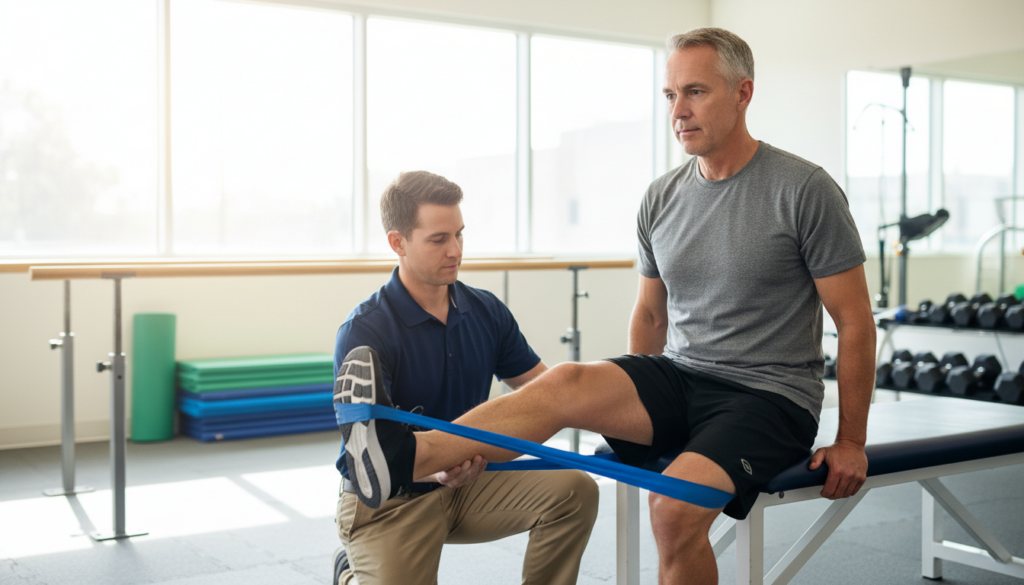
- Physical therapy and targeted exercise to strengthen the muscles that support the joint and improve flexibility
- Activity changes such as swapping high-impact exercise for cycling or swimming
- Weight management, since extra body weight adds load to the knees and hips
- Medicines such as anti-inflammatory drugs or topical pain relievers, when they’re safe for you
Joint injections
When conservative care isn’t enough, image-guided injections can deliver medicine directly where it’s needed. Corticosteroid injections reduce inflammation and can ease pain for weeks to months. For knee osteoarthritis, hyaluronic acid injections are another option some patients discuss with their provider.
Nerve-targeted procedures
For long-lasting arthritis pain, especially in the knee, procedures such as nerve blocks or radiofrequency ablation can interrupt the pain signals coming from the joint. These are minimally invasive outpatient procedures.
Regenerative medicine
Some patients ask about options such as platelet-rich plasma (PRP). The research is still developing, so your provider can explain whether it’s a reasonable choice for your diagnosis and what results to expect.
Surgical referral
If imaging shows advanced joint damage and other treatments haven’t helped, joint replacement or other surgery may be the best next step.
To see the full range of services, visit our pain management and spine treatment page.
Book Your Joint Pain Evaluation in King of Prussia
Whether it’s your knees, hips, shoulders or hands, a focused evaluation can pinpoint what’s causing your pain. Our King of Prussia pain specialists will walk you through your diagnosis and treatment options before you decide on next steps.
How to Prepare for Your Appointment
A little preparation helps your provider get to the answer faster:
- Note when the pain started and anything that triggered it
- Track which activities and times of day make it better or worse
- Bring your medicine list and any recent X-rays, MRI reports or lab results
- Write down your goals, such as walking without pain, sleeping through the night or returning to a sport
Living Well With Arthritis Between Visits
Movement is one of the most effective tools for managing arthritis. The CDC recommends regular, joint-friendly physical activity such as walking, swimming and cycling for adults with arthritis, because staying active can reduce pain and improve function. Strength training, a healthy weight and good sleep also help. If pain flares, cut back for a day or two rather than stopping completely.
Prefer to read more about long-term pain care first? Our guide to finding a chronic pain doctor near you in Pennsylvania explains how MVM Health approaches ongoing pain.
Visiting MVM Health in King of Prussia
MVM Health’s King of Prussia clinic is at 2200 Renaissance Boulevard, Suite 180, King of Prussia, PA 19406, serving patients across Montgomery County and the western Philadelphia suburbs. You can call (610) 936-8214 or book online.