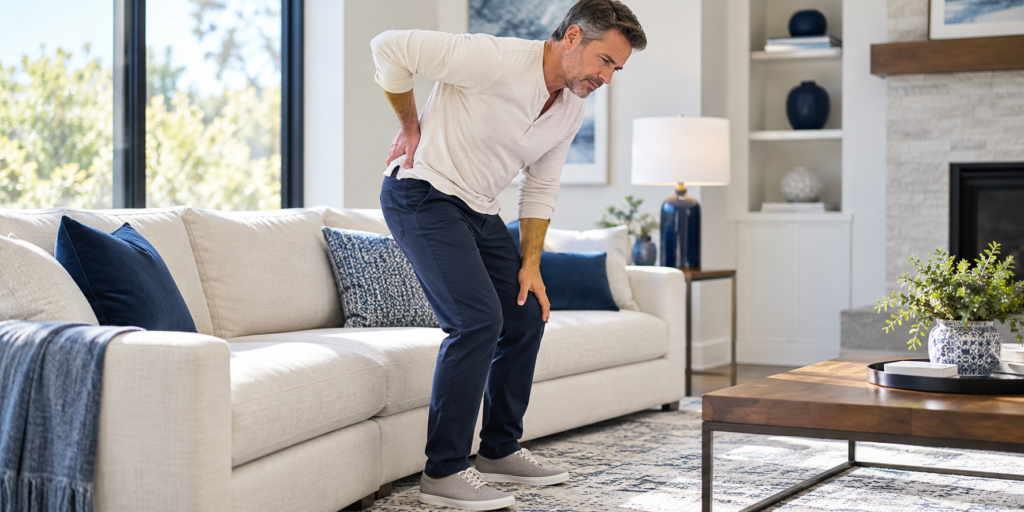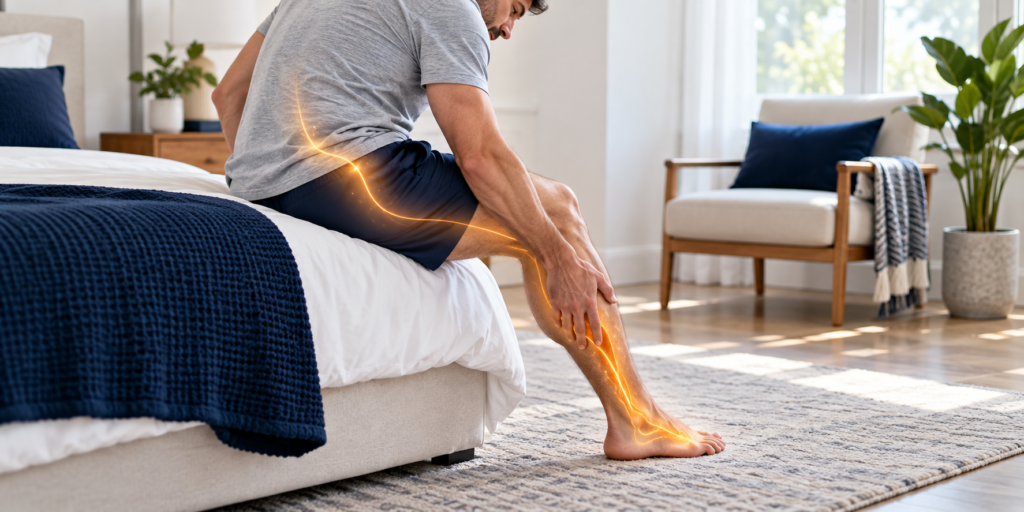


There is a type of ache you find hard to describe to anyone who hasn’t known it. It is not the dull ache of a sore muscle or the sharp throb of a bruise. It is a burning that seems to come from nowhere, a tingling that runs through your feet at night, a sudden electric shock in your hands or legs without any warning. You press on the area expecting tenderness and find nothing. You try to sleep and the sensations get worse. You may try common pain medications, yet the burning, tingling, or electric sensations continue because nerve pain often requires a different diagnostic and treatment approach.
What you may be experiencing is neuropathic pain. For patients seeking Neuropathic Pain Treatment in Wayne, the first step is finding a specialist who understands how nerve pain differs from muscle or joint pain. For patients in Wayne and across New Jersey, finding a pain management specialist who actually understands nerve pain and has the tools to treat it properly makes all the difference.
What Neuropathic Pain Actually Is
Neuropathic pain develops when nerves are damaged, irritated, or not functioning normally. Instead of responding to an active muscle or joint injury, the nervous system may send pain signals even when there is no new tissue damage in the painful area.
This is why conventional pain medication often falls short. Anti-inflammatories and standard painkillers are designed to address tissue-based pain. When the problem is in the nerve signaling system itself, a completely different clinical approach is required.
According to MVM Health’s clinical overview, neuropathic pain is a chronic disorder that can result from metabolic diseases, infections, physical injuries, and conditions affecting the central or peripheral nervous system. The variety of causes is one reason it is so frequently misdiagnosed or managed poorly for years before patients find proper specialist care.
Recognizing the Symptoms
Neuropathic pain symptoms are distinct from other types of pain and recognizing them is the first step toward getting the right help.
Common symptoms include:
- Burning pain in the feet, legs, hands, or arms
- Tingling, pins-and-needles sensations, or numbness
- Sharp, shooting, stabbing, or electric-shock-like pain
- Pain that appears without an obvious injury
- Increased sensitivity to light touch
- Weakness, balance problems, or reduced coordination
- Symptoms that become more noticeable at night
The appearance of symptoms depends on which nerves it affects. Often in patients with peripheral neuropathy, you will find problems with feet and legs, but for some people pain will affect hands and arms, the trunk.
What Causes Neuropathic Pain
Understanding the cause of your chronic nerve pain is essential for determining the right treatment approach. Several conditions and circumstances can trigger neuropathic pain, including:
- Diabetes : Diabetes is a common cause of peripheral neuropathy, especially when blood sugar remains elevated over time.
- Spinal conditions : Herniated discs, spinal stenosis, and nerve root compression can all produce neuropathic symptoms by pressing directly on nerve tissue
- Injury or trauma : Accidents, surgeries, and physical injuries can damage nerves directly, sometimes causing chronic neuropathic pain long after the original injury has healed
- Infections : Conditions such as shingles can leave behind postherpetic neuralgia, a form of nerve pain that persists after the infection resolves
- Complex Regional Pain Syndrome (CRPS) : A chronic pain condition that develops after injury or surgery and involves significant nerve dysfunction
- Chemotherapy : Certain cancer treatments are known to cause peripheral nerve damage as a side effect
- Autoimmune and neurological conditions : Multiple sclerosis, Parkinson’s disease, and other conditions affecting the nervous system can produce neuropathic symptoms
Treatment Options for Neuropathic Pain at MVM Health
When it comes to nerve pain relief in PA, MVM Health takes a diagnosis-first approach. Before any treatment in Wayne is recommended, fellowship-trained pain specialists use advanced diagnostic imaging, targeted nerve studies, and a thorough clinical evaluation to identify exactly which nerves are affected and what is driving the dysfunction.
That diagnosis shapes a personalized treatment plan in Wayne that may include several of the following approaches.
Nerve Blocks
Targeted nerve blocks deliver local anesthetic or anti-inflammatory medication precisely to the affected nerve pathway. At MVM Health, nerve blocks are performed under imaging guidance, which means nerve blocks are performed with imaging guidance to help place medication near the targeted nerve pathway. They may be used to support diagnosis or reduce pain for certain patients.
Spinal Cord Stimulation (SCS)
Spinal cord stimulation may be considered for certain patients with chronic nerve pain that has not improved enough with other treatments in Wayne. A small device is placed near the spinal cord and delivers low-level electrical impulses that disrupt the pain signals before they reach the brain.
MVM Health may offer wireless neuromodulation options for selected patients, depending on diagnosis, eligibility, and provider recommendations.
Peripheral Nerve Stimulation
For patients whose neuropathic pain follows a specific peripheral nerve pathway, peripheral nerve stimulation targets that nerve directly with electrical impulses. MVM Health offers both temporary and longer-term peripheral nerve stimulation options, giving clinicians the flexibility to match the right solution to each patient’s situation.
Epidural Steroid Injections
When neuropathic pain is caused by nerve root compression from a herniated disc or spinal stenosis, epidural steroid injections reduce inflammation directly around the affected nerve root. This is particularly effective for radiating nerve pain that travels from the spine into the arms or legs.
Regenerative Medicine
Regenerative medicine may be considered for selected patients when tissue degeneration or injury may be contributing to nerve irritation. Eligibility and expected benefits depend on the diagnosis and treatment goals.
Why Early Treatment Matters
Many patients with neuropathic pain wait far longer than they should before seeking specialist care. The reasons are understandable, the symptoms can seem strange and hard to explain, and initial consultations with general practitioners often result in medication rather than investigation.
The problem is that chronic nerve pain tends to become more entrenched over time. The longer the nervous system sends incorrect pain signals without proper intervention, the more established those patterns can become. Earlier evaluation may help identify the underlying cause sooner and prevent symptoms from continuing to interfere with sleep, mobility, and daily activities.
If you have been dealing with burning, tingling, or nerve pain in Wayne or the surrounding New Jersey area for more than a few weeks and your current approach is not working, it is worth speaking to a pain management specialist who has specific expertise in neuropathic conditions.
Schedule Your Neuropathic Pain Consultation at MVM Health
At MVM Health, fellowship-trained pain specialists take a personalized approach to neuropathic pain treatment in Wayne. Our team works to understand what may be causing your symptoms and recommends treatment options based on your diagnosis, health history, and goals.
Your next step could start with one conversation.
Call (610) 936-8214 or schedule your consultation today to explore in-person and telehealth appointment options. Take the first step toward better comfort, improved movement, and a life with fewer limits.