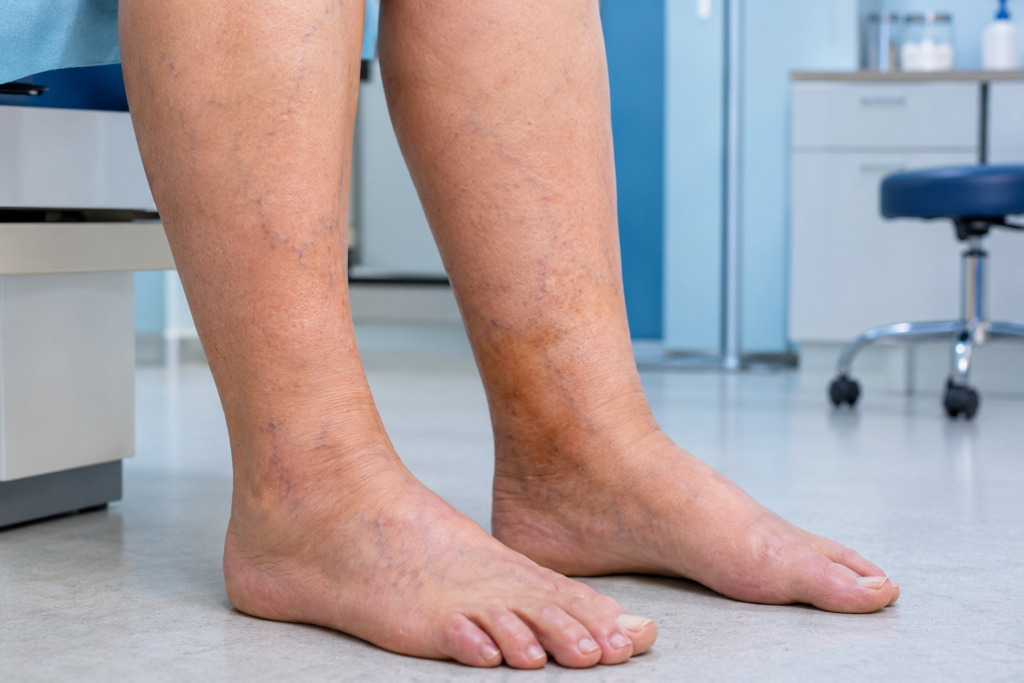

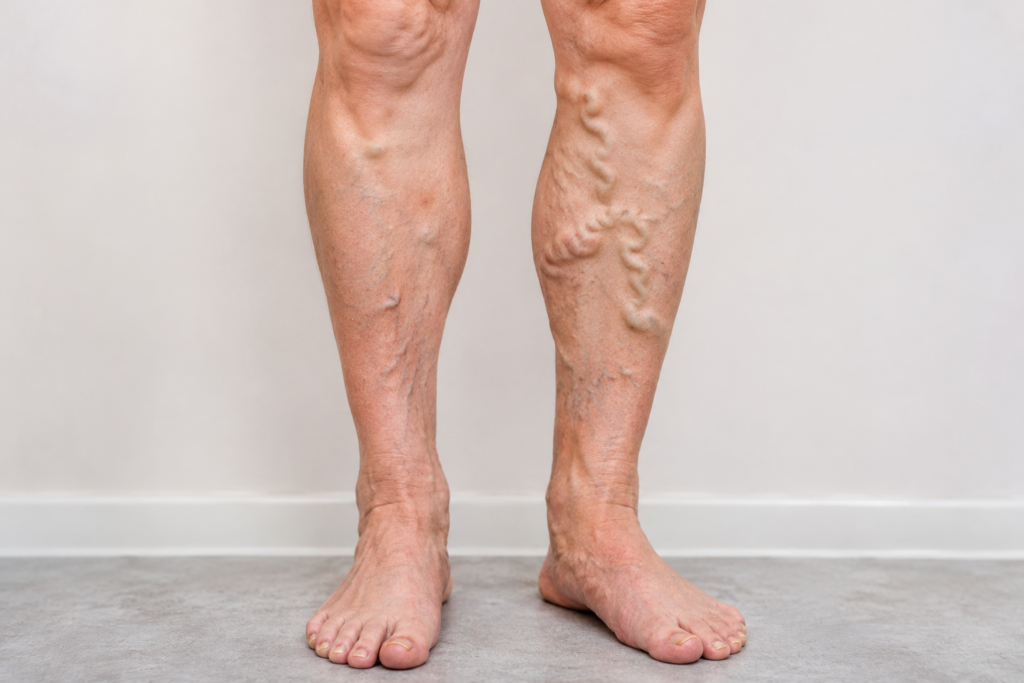
Some patients need staged vein treatment because vein disease rarely sits in one vein. When ultrasound shows reflux in a main trunk vein plus branch varicose veins or spider veins, doctors treat the source first, wait for the leg to respond, then treat whatever remains. Closing the leaking trunk vein often shrinks the branches on its own, so staging can mean fewer total procedures, not more. This is how a personalized plan for staged vein treatment in Lancaster, PA is developed based on ultrasound findings and individual symptoms.
The catch: the veins you can see are often not the ones driving your symptoms. A bulging vein on the calf may be fed by a faulty valve high in the thigh that never shows on the skin. Treat the visible vein alone, and it tends to come back. Here is how that sequence is decided, and why your plan may look different from your neighbor’s in Lititz or Strasburg.
Ultrasound Mapping: The Blueprint for Your Treatment Order
A duplex ultrasound helps determine the treatment sequence for patients considering staged vein treatment in Lancaster, PA. It maps blood flow through each vein and shows exactly where valves are leaking (reflux), how far the reflux runs, and how wide each vein is. The MSD Manual, citing current vascular society guidelines, notes that duplex ultrasound is recommended for patients with symptomatic varicose veins to identify reflux or obstruction.
From that map, veins are ranked in a simple order:
- Source veins. Leaking trunk veins such as the great or small saphenous vein. These carry the pressure that feeds everything downstream.
- Connecting veins. Faulty perforator veins that push blood from deep to surface veins, treated when they are clearly abnormal.
- Branch veins. Visible bulging varicose veins that remain after the source is closed.
- Surface veins. Spider veins and small reticular veins usually last.
This “top-down” order is the core of treating chronic venous insufficiency. Skip a step and the pressure that caused the problem stays in place.
Inside a Staged Vein Treatment Plan in Lancaster, PA
Staged vein treatment in Lancaster, PA, typically addresses the source vein first and any remaining visible veins later, with follow-up evaluations between sessions. Timing varies by patient, but a common sequence looks like this:
| Stage | What happens | Common treatments | Typical timing |
| 1. Mapping | Duplex ultrasound of the leg, symptom review, plan set | Ultrasound evaluation | First visit |
| 2. Source closure | Leaking trunk vein is sealed from inside | Radiofrequency ablation (RFA), VenaSeal®, laser ablation | Outpatient, often under an hour |
| 3. Recheck | Ultrasound confirms closure; leftover branches reassessed | Follow-up scan | About 1 to 4 weeks later |
| 4. Branch cleanup | Remaining bulging or spider veins treated | Sclerotherapy, ambulatory phlebectomy | Weeks to months later, as needed |
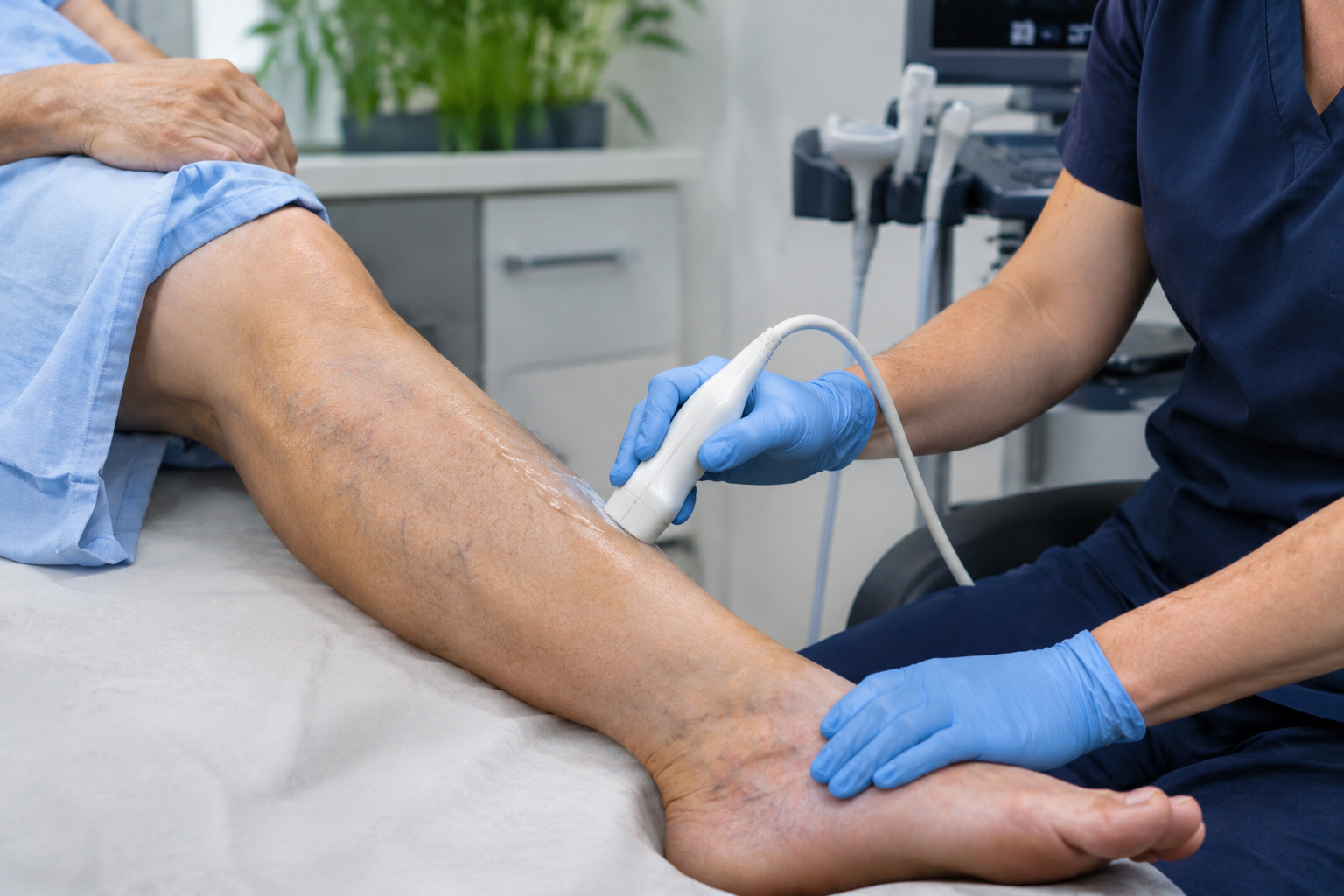
If both legs are affected, each leg is usually treated in a separate session. That spaces out recovery and keeps you on your feet between visits.
Key Factors Behind Multiple Vein Treatment Sessions
The number of sessions required for staged vein treatment in Lancaster, PA, depends on the affected veins, their location and the patient’s response to initial treatment. One patient may need a single ablation; another may need four or five visits across both legs. The main factors:
- Number of refluxing veins. One leaking saphenous vein is simpler than reflux in both the great and small saphenous veins.
- One leg or both. Each leg is usually its own session.
- Size and spread of branch veins. Large clusters may need phlebectomy; scattered small veins may need more than one sclerotherapy round.
- Skin and tissue changes. Swelling, darkened skin or a healing ulcer can call for added steps and closer follow-up.
- How the branches respond. Some shrink after source closure and need nothing more; others stay visible and need direct treatment.
- Health and daily demands. Blood-thinning medications, recent clots, or a job that keeps you standing all day can shape the pace.
The practical takeaway: a quote of “one and done” before an ultrasound is a guess, not a plan.
Follow-Up Ultrasounds and Their Role in Each Next Step
Follow-up evaluations during staged vein treatment in Lancaster, PA, help determine whether additional procedures are necessary. The repeat ultrasound and exam check three things.

- Is the treated vein closed? A sealed vein confirms the source is handled. Rarely, a segment stays open and needs touch-up treatment.
- Is the deep system safe? The scan checks that no clot has formed in the deep veins after the procedure.
- What is left? Your provider compares remaining branch and spider veins with the starting map, then decides whether to treat them, and how.
Symptoms matter as much as images. Many patients notice that heaviness, aching and evening swelling ease within weeks of source closure, even before the visible veins fade. If those symptoms improve and the remaining veins do not bother you, further treatment may be optional rather than necessary.
Start Your Staged Vein Treatment Plan in Lancaster
The first step toward staged vein treatment in Lancaster, PA, is a comprehensive vein evaluation. One ultrasound shows which vein is driving your symptoms, how many stages you are likely to need, and which veins may settle on their own.
Signs It’s Time for a Vein Specialist in Lancaster, PA
See a vein specialist in Lancaster, PA when leg symptoms return day after day, not just when veins look bad. Long hours standing at a farm stand, on a shop floor or behind a counter downtown can make reflux symptoms worse by evening.
Schedule an ultrasound evaluation if you have:
- Legs that feel heavy, achy or tired by the end of the day.
- Ankle swelling that improves overnight and returns by afternoon.
- Bulging veins, night cramps or restless legs.
- Itching, darkening or thickening skin near the ankles.
- Veins that came back after earlier treatment.
Seek urgent care for sudden one-sided leg swelling with pain, warmth or redness, or for a vein that bleeds. These need same-day attention.
Searching “vein treatment near me” from Lititz, Ephrata, Columbia or Millersville? Our Lancaster, PA location maps your veins with ultrasound and builds the plan, stage by stage, around what it finds.