
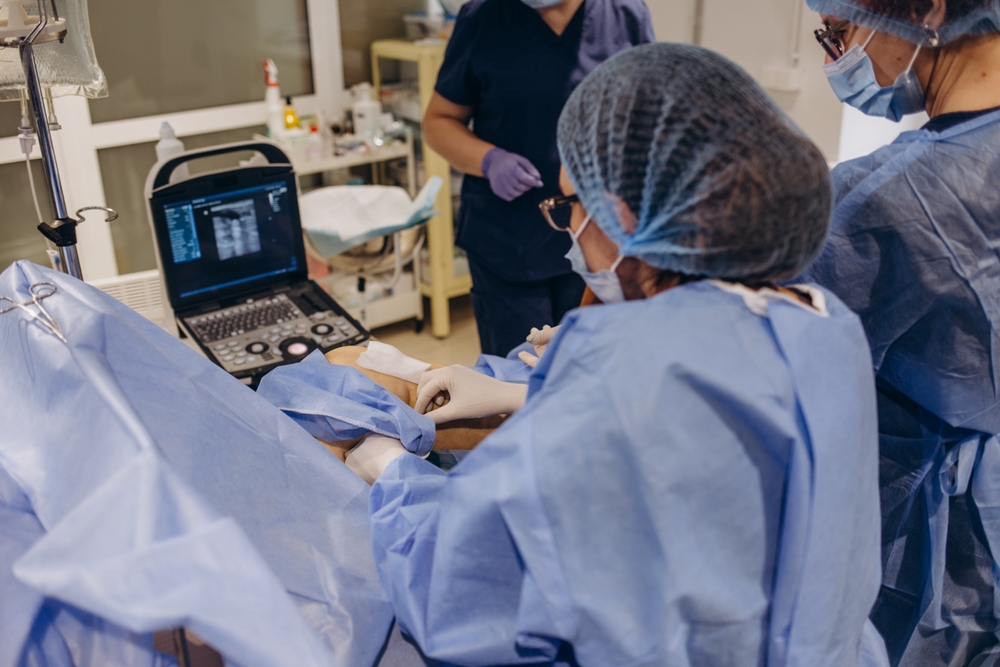
Vein ablation is a minimally invasive procedure commonly used to treat varicose veins and chronic venous insufficiency. This procedure involves closing off problematic veins, allowing blood to reroute through healthier veins. Proper care and attention during the healing period are crucial for a smooth recovery and optimal results. This article provides an overview of what to expect after vein ablation, along with essential tips for effective post-procedure care.
Understanding the Healing Process
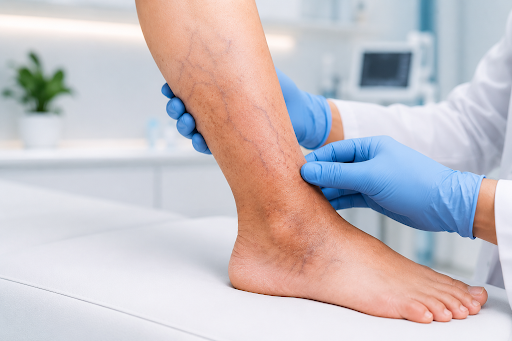
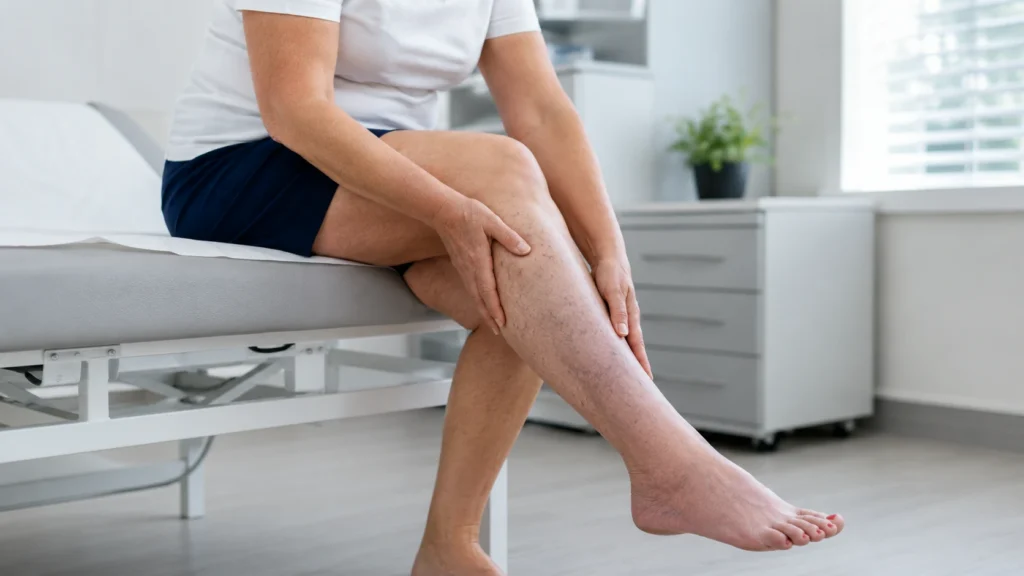
After vein ablation, patients can typically return home the same day. It is common to experience some discomfort, bruising, or swelling in the treated area. These symptoms are generally mild and subside within a few days.
The healing process continues over several weeks, during which the treated veins gradually shrink and are absorbed by the body. It’s essential to follow the post-procedure guidelines provided by the healthcare provider to ensure proper healing and minimize the risk of complications.
Essential Post-Procedure Care Tips
- Wear Compression Stockings: One of the most crucial aspects of post-vein ablation care is wearing compression stockings. These stockings help reduce swelling, improve circulation, and support the healing process. It’s typically recommended to wear them continuously for at least one to two weeks, depending on the provider’s advice.
- Stay Active: While rest is important, engaging in light physical activity, such as walking, can promote blood flow and aid in recovery. Avoid prolonged periods of sitting or standing, as this can increase the risk of complications. Patients are generally advised to avoid strenuous activities, heavy lifting, and intense exercise for a few weeks.
- Manage Discomfort: Mild discomfort or pain is common after vein ablation. Over-the-counter pain relievers, such as ibuprofen or acetaminophen, can help manage these symptoms. Applying ice packs to the affected area for short periods can also reduce swelling and ease discomfort.
- Follow Wound Care Instructions: If small incisions or punctures were made during the procedure, keep the area clean and dry to prevent infection. Follow the provider’s instructions on bandaging and wound care, and avoid soaking the treated area in water (e.g., baths, swimming pools) until it is fully healed.
- Monitor for Complications: While complications are rare, it’s important to monitor for any signs of issues such as infection (redness, warmth, pus), severe pain, or unusual swelling. If any concerning symptoms arise, contact the healthcare provider promptly for evaluation.
Long-Term Care and Monitoring
Follow-Up Appointments
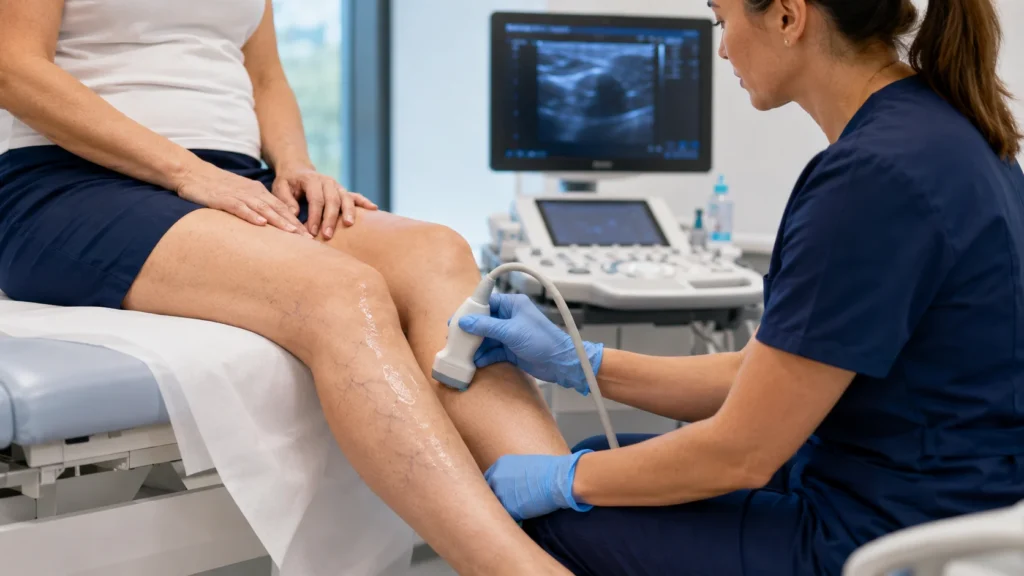
Regular follow-up appointments are essential to monitor the healing process and assess the effectiveness of the treatment. During these visits, the provider may use ultrasound imaging to ensure that the treated veins are properly closed and that no new issues have developed.
Lifestyle Modifications
Maintaining a healthy lifestyle can support long-term vein health. This includes staying active, managing weight, eating a balanced diet, and avoiding prolonged periods of immobility. Patients with a history of venous issues should discuss preventive measures with their healthcare provider.
Conclusion
Healing after vein ablation requires a combination of proper care, regular monitoring, and lifestyle adjustments. By following the prescribed post-procedure guidelines and attending follow-up appointments, patients can ensure a smooth recovery and enjoy the benefits of improved vein health. If you have any concerns or questions about your recovery, don’t hesitate to reach out to your healthcare provider. For personalized advice and care, contact our clinic to schedule a consultation. medical advice is recommended to rule out underlying conditions and receive appropriate treatment.