












Spine Pain

Spine pain can show up as a stiff neck, an ache between your shoulder blades or a sharp pain in your lower back that makes it hard to sit, bend or sleep. Whatever the location, the first step is finding where the pain actually starts. At MVM Health, our pain specialists evaluate the whole spine and focus on non-surgical treatment that helps you move more comfortably.

Book a visit with a pain specialist near you at one of our clinics in Pennsylvania, New Jersey, Ohio and Arizona.

Spine Pain
Spine Pain Spine Pain Spine Pain Spine Pain Spine Pain Spine Pain Spine Pain Spine Pain Spine Pain Spine Pain Spine Pain Spine Pain Spine Pain Spine Pain Spine Pain Spine Pain Spine Pain Spine Pain Spine Pain Spine Pain Spine Pain Spine Pain Spine Pain Spine Pain

Meet Our Expert Team

Board Certified Expert

At MVM Health — Movement. Vitality. Medicine. — we are committed to providing exceptional pain, vein, and wellness services that empower individuals to reclaim their health and well-being. With our team of Harvard-trained experts, we strive to deliver transformative outcomes that restore comfort, confidence, and quality of life. MVM Health’s mission is to help every patient relieve discomfort, restore motion, and renew life.

Spine Pain

Vwaire Orhurhu, MD, MPH
Harvard Medical School

Spine Pain

Mariam Salisu, MD, MPH
Harvard Medical School

Spine Pain

Peter Isaac, DO
Philadelphia College of Osteopathic Medicine

Spine Pain

Ali Amin, MD
Baylor College of Medicine

Spine Pain

THOMAS KHOURY, MD
Harvard Medical School

Spine Pain

ANTHONY TURNER, MD
Yale School of Medicine

Spine Pain

KIRAN C. TAMIRISA
Baylor College of Medicine

Spine Pain

TARIQ ALFARRA, DO
JOHNS HOPKINS HOSPITAL

Spine Pain

Rishi Sheth, MD
University of Miami School of Medicine

Spine Pain

Henry Onyeaka, MD, MPH
Harvard Medical School

Spine Pain

Felicia Todd, CNP
Moravian College

Spine Pain

Carrie Ward, CNP
Franklin University

Spine Pain

Kruti Solanki, CNP
Drexel University

Spine Pain

Christy Daniels, CNP
Chamberlain University

Spine Pain

Heerina Kittel, CNP
Maryville University

Spine Pain

Vic Urbano, CNP
Walden University

Spine Pain

Jameela Azeem, CNP
Hofstra University

Spine Pain

Vwaire Orhurhu, MD, MPH
Harvard Medical School

Spine Pain

Mariam Salisu, MD, MPH
Harvard Medical School

Spine Pain

Peter Isaac, DO
Philadelphia College of Osteopathic Medicine

Spine Pain

Ali Amin, MD
Baylor College of Medicine

Spine Pain

THOMAS KHOURY, MD
Harvard Medical School

Spine Pain

ANTHONY TURNER, MD
Yale School of Medicine

Spine Pain

KIRAN C. TAMIRISA
Baylor College of Medicine

Spine Pain

Rishi Seth, MD
University of Miami School of Medicine

Spine Pain

Henry Onyeaka, MD, MPH
Harvard Medical School

Spine Pain

Felicia Todd, CNP
Moravian College

Spine Pain

Vic Urbano, CNP
Walden University

Spine Pain

Jameela Azeem, CNP
Hofstra University

We work with a wide variety of insurance providers

Spine Pain Spine Pain Spine Pain Spine Pain Spine Pain Spine Pain Spine Pain

and 100+ more

Insurance coverage for pain treatment depends on your specific plan, medical necessity, and prior authorization. Our team will review your benefits with you in advance. Questions? Contact us to confirm if your insurance is accepted.

What Is Spine Pain?

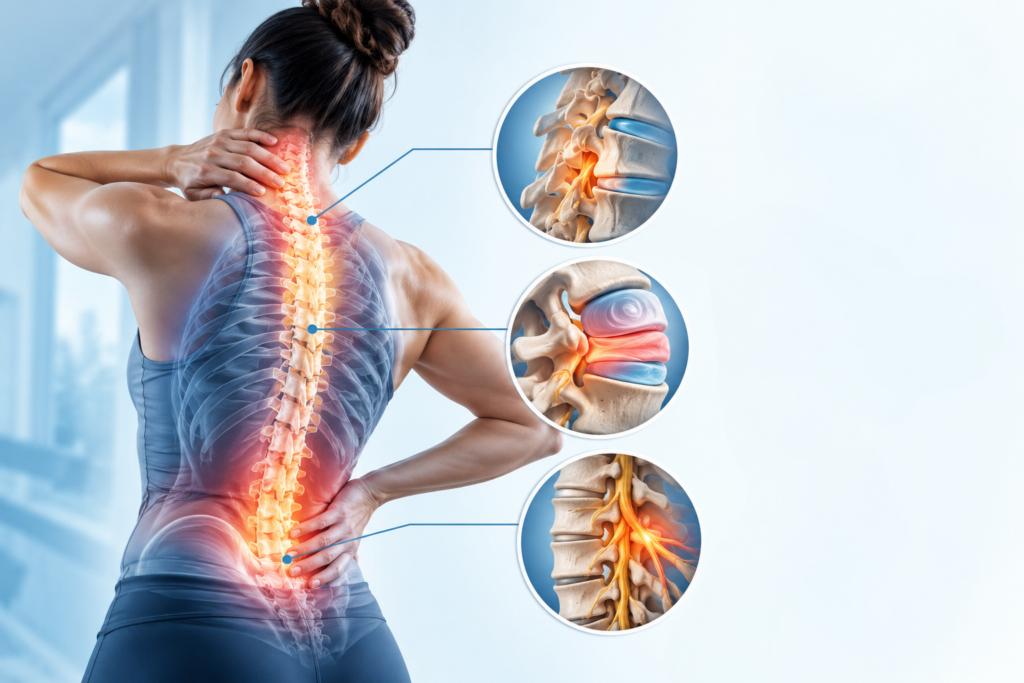
Your spine is a column of 33 small bones (vertebrae) cushioned by discs and held together by joints, ligaments and muscles. Nerves branch out from the spinal cord to every part of your body. Spine pain can start in any of these structures: the muscles, discs, joints, bones or nerves.

Acute vs. chronic. Acute spine pain, often from a strain or awkward movement, usually improves within a few days to a few weeks. Pain that lasts longer than three months is considered chronic and is more often linked to disc problems, arthritis or a narrowing of the spinal canal.

Axial vs. radiating. Axial spine pain stays in one area of the neck or back. Radiating pain travels away from the spine, into an arm or leg, and usually means a nerve is irritated or pinched.

Spine Pain

Where Is Your Spine Pain?

The direct cause is weak or damaged vein valves. Several things can wear those valves down over time:

Neck (cervical spine)

Cervical spine pain is felt in the neck and may spread to the shoulders, upper back or arms. It’s often linked to posture, disc wear or arthritis, and can cause headaches at the base of the skull. Learn more about neck pain.

Mid-back (thoracic spine)

Thoracic spine pain sits between the base of your neck and the bottom of your ribcage. It may feel like a dull ache or sharp pain between the shoulder blades, and sometimes wraps around to the ribs. Long hours at a desk, poor posture, muscle strain and compression fractures are common causes. Because the thoracic spine is more stable than the neck or lower back, persistent pain here deserves a careful evaluation.

Lower back (lumbar spine)

Lumbar spine pain is the most common type. It often worsens when bending, lifting or sitting for a long time, and may spread to the hips, buttocks or legs. Learn more about back pain.

Bottom of the spine (sacroiliac joints and tailbone)

Pain at the very base of the spine, especially when sitting or standing up, can come from the sacroiliac (SI) joints that connect the spine to the pelvis.

Common Causes of Spine Pain

Muscle or ligament strain

Muscle pain along the spine often follows heavy lifting, sudden movements or poor posture.

Herniated disc

Discs can bulge, tear or thin with age and press on nearby nerves.

Spinal arthritis

Osteoarthritis or arthritis in the small facet joints causes stiffness and aching, often worse in the morning.

Spinal stenosis

Narrowing of the spinal canal can squeeze nerves and cause pain, numbness or weakness in the legs.

Sciatica and pinched nerves

Irritated nerve roots send pain into an arm or leg.

Car accidents and injuries

Whiplash, falls and sports injuries can strain muscles, damage discs or, less often, fracture a vertebra.

Compression fractures

Weakened bones from osteoporosis can collapse, causing sudden mid- or lower-back pain.

Sacroiliac joint dysfunction

Inflammation or uneven movement in the SI joints causes pain at the base of the spine and buttocks.

Risk Factors

Anyone can develop spine pain, but it’s more likely if you:

Symptoms of Spine Pain

When Spine Pain Needs Urgent Care

Most spine pain isn’t an emergency. Get urgent medical care if your pain comes with:

  • Loss of bladder or bowel control, or numbness in the groin or inner thighs
  • Weakness in a leg or arm that is getting worse
  • Fever, chills or feeling generally unwell
  • A history of cancer, or unexplained weight loss
  • Severe pain after a car accident, fall or other injury
  • Chest pain or trouble breathing (call 911)


These signs can point to infection, a fracture, nerve compression or another condition that needs prompt attention.

Book a pain evaluation

Posted on Google Spine Pain
Spine Pain
Brenda Giles
Spine PainSpine PainSpine PainSpine PainSpine PainTrustindex verifies that the original source of the review is Google.
Everybody was very pleasant and not long waiting at all
Posted on Google Spine Pain
Spine Pain
Lala Kenjo
Spine PainSpine PainSpine PainSpine PainSpine PainTrustindex verifies that the original source of the review is Google.
I'm going to say Dr. O is a miracle worker. I have two herniated discs in my neck and the pain was so severe, I had to roll out of bed some days. I went to see Dr. O and was scheduled for an injection in my neck. The first injection helped a little bit, but I was still in severe pain most days. Speaking to other people, it normally takes two injections so I went from my second injection with Dr. O. Oh, and by the way, he squeezed me in the very next day for the procedure. I have not felt this good in a very long time. I can actually sit in a chair without my neck throbbing from pain and I've even started taking better care of my vegetable garden in my yard. Like I said this man is a miracle worker. Love, love, love him and I highly recommend him. Oh, and all of his staff are extremely friendly, patient, and very empathetic to their patients.
Posted on Google Spine Pain
Spine Pain
Maryann Iko
Spine PainSpine PainSpine PainSpine PainSpine PainTrustindex verifies that the original source of the review is Google.
Everyone is friendly and feeling good about them helping me
Posted on Google Spine Pain
Spine Pain
MARCE CASTAÑO
Spine PainSpine PainSpine PainSpine PainSpine PainTrustindex verifies that the original source of the review is Google.
“My experience today was excellent. From the moment I arrived, the staff was welcoming and attentive. The way everything was explained to me made the process clear and easy to understand. I felt very comfortable and, most importantly, safe throughout my visit. I truly appreciate the professionalism and care I received.”
Posted on Google Spine Pain
Spine Pain
Barbara Quarantello
Spine PainSpine PainSpine PainSpine PainSpine PainTrustindex verifies that the original source of the review is Google.
I have been a patient of Dr. Orhurhu for over a year and the care he has given me has been exceptional. I had a compound fracture of my L2 vertebrae in May 2024 and he performed a Kyphoplasty in his office with wonderful results. I still have issues with my back due to scoliosis and bulgeing discs that impinge on my spine. Dr.O suggested ablation therpy on my low back along with 4 epidural injections with 2 more to come this week. But I have great faith in Dr. Orhurhu that I will be improving under his excellent care and guidance.
Posted on Google Spine Pain
Spine Pain
Seleimy Suárez Rodríguez
Spine PainSpine PainSpine PainSpine PainSpine PainTrustindex verifies that the original source of the review is Google.
Me gustó bastante y mucho la atención de el Señor Andy, excelente coordinador. Excelentes servicios en todo!!! Quede muy encantada.

Spine Pain Treatment Options

Spine pain management starts with the least invasive options and steps up only when needed. Most people with spine pain never need surgery.

Spine Pain

Conservative care

Physical therapy, guided exercise, activity changes and medication guidance are often the first steps, especially for strains and early disc problems.

Spine Pain

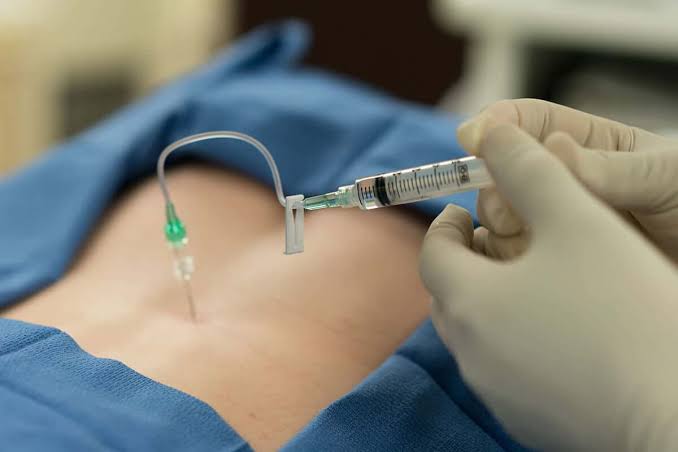
Anti-inflammatory medicine is placed near irritated spinal nerves to ease pain that radiates into an arm or leg, such as from a herniated disc or stenosis.

Spine Pain

Facet joint injections and nerve blocks

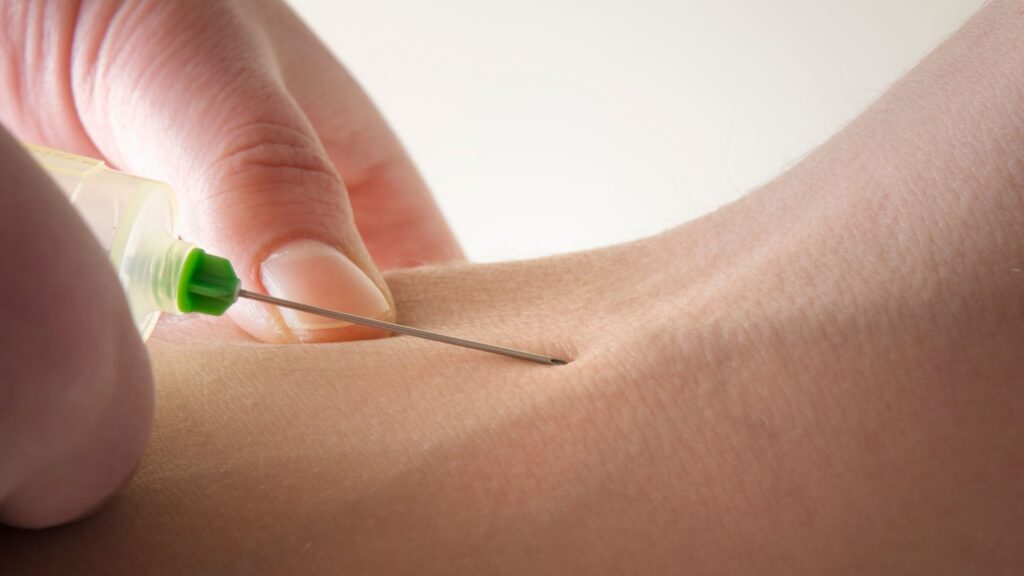
Medicine is placed in or near the small joints of the spine to ease arthritis pain. A positive response also helps confirm where the pain starts.

Spine Pain

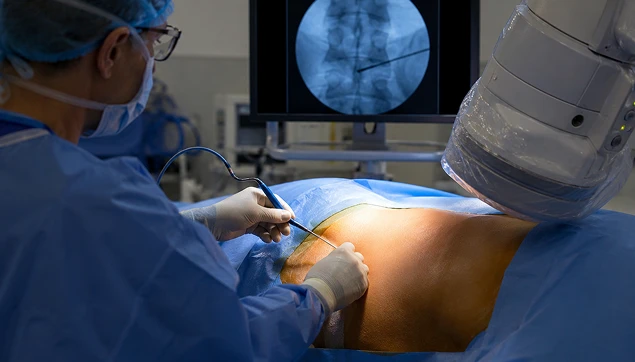
Controlled heat quiets the small nerves that carry pain signals from arthritic spine joints. It’s often considered after a successful nerve block.

Spine Pain

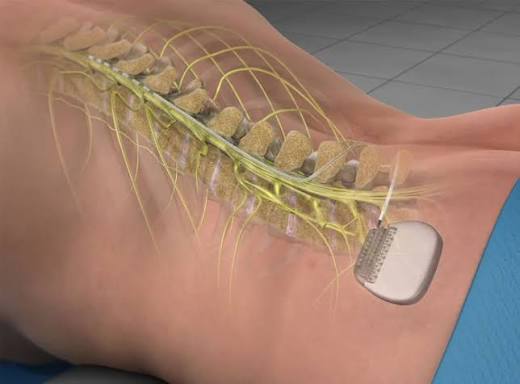
A small device sends mild electrical pulses that change how pain signals reach the brain. It’s used for long-term pain that hasn’t responded to other care, and it starts with a short trial.

Spine Pain

Platelets from your own blood may support healing in some joint and soft-tissue conditions. Your provider will tell you whether it’s a reasonable option for you.

Kyphoplasty, MILD® and basivertebral nerve ablation For specific conditions, such as compression fractures, lumbar stenosis or certain chronic low back pain, these minimally invasive procedures may be considered.

Your provider recommends treatment based on the source of your pain, your health and your goals. Results vary from person to person.

Easing Spine Pain at Home

For mild spine pain without warning signs, these steps can help while you heal or wait for your appointment:

Spine Pain

If home care hasn’t helped after a couple of weeks, it’s time to see a specialist.

Stay gently active. Short walks, gentle yoga and stretching usually help more than bed rest.

Use heat or ice. Ice can calm a new strain, and heat can relax tight muscles.

Try over-the-counter relief carefully. Pain relievers and topical creams may help for a short time. Follow the label and check with a pharmacist if you take other medicines.

Sleep in a supportive position. Sleeping on your side with a pillow between your knees, or on your back with a pillow under your knees, can ease pressure. A pillow that keeps your neck level helps neck and upper spine pain.

Set up your workspace. Keep your screen at eye level and take a short movement break every hour.

Keep a healthy weight. Less weight means less load on your spine. For some patients, a provider-guided medical weight loss program becomes part of their plan.

Frequently Asked Questions

Will spine pain go away on its own?

Many cases of acute spine pain, such as a muscle strain, improve on their own within a few days to a few weeks. Pain that lasts longer than a few weeks, keeps returning or spreads into an arm or leg is worth having evaluated, because conditions like disc problems or arthritis often need targeted care.

When should I worry about spine pain?

See a doctor right away if spine pain comes with fever, unexplained weight loss, a history of cancer, worsening weakness, or loss of bladder or bowel control. Severe pain after a car accident or fall also needs prompt care. For pain that lingers more than a few weeks, book an evaluation.

What causes thoracic spine pain?

Thoracic spine pain, felt in the mid-back between the shoulder blades, is often caused by poor posture, long hours sitting, muscle strain or arthritis. Less often, it comes from a compression fracture or a pinched nerve that can send pain around to the ribs. Persistent mid-back pain should be checked by a specialist.

Can spine pain cause headaches or dizziness?

Yes, problems in the neck (cervical spine) can cause headaches that start at the base of the skull, and some people notice dizziness with neck pain. Because dizziness has many possible causes, it’s important to have it evaluated rather than assume it’s spine-related.

Can spine pain cause chest or stomach pain?

Irritated nerves in the mid-back can sometimes send pain around the ribs to the chest or upper abdomen. However, chest pain can also be a sign of a heart problem. If you have chest pain with shortness of breath, sweating or nausea, call 911 first.

Can PRP help spine pain?

PRP (platelet-rich plasma) uses parts of your own blood to support healing and may help some joint and soft-tissue conditions. Research on PRP for spine pain is still growing, and results vary. Your provider can tell you whether it’s a reasonable option for your condition.

Why does my lower spine hurt when I bend or sit?

Bending and sitting put extra pressure on the discs in your lower back. Pain with these movements is common with disc problems, muscle strain or sacroiliac joint issues. If it keeps happening, an evaluation can find the exact source.

Is spine pain after a car accident serious?

It can be. Even a low-speed accident can strain neck and back muscles, injure discs or, less often, fracture a vertebra. Seek urgent care right after a crash if pain is severe, and see a specialist if pain, stiffness or numbness lingers in the days or weeks that follow.

What is spine pain management?

Spine pain management is care focused on finding the source of your pain and relieving it, usually without surgery. It can include physical therapy, medication guidance, injections, nerve blocks, radiofrequency ablation and, for long-term pain, spinal cord stimulation.

Should I see a chiropractor or a pain specialist for spine pain?

Chiropractors focus on spinal adjustments and manual therapy. Pain specialists are medical doctors and nurse practitioners who can diagnose the cause of pain, order imaging and offer medical treatments such as injections and nerve procedures. If your pain hasn’t improved, spreads into a limb or causes numbness or weakness, a pain specialist can help.

Does physical therapy help spine pain?

Yes. Physical therapy is often one of the first treatments for spine pain. It strengthens the muscles that support your spine, improves flexibility and teaches safer ways to move. It’s also helpful after injections or procedures to help relief last longer.

How do I find a spine pain clinic near me?

MVM Health has clinics in Pennsylvania, New Jersey, Ohio and Arizona. Request an appointment online or call your nearest clinic, and our team will check your insurance and confirm a time for your spine pain evaluation.

Recent blogs

Contact Us
Book Appointment Call 888-628-4785