

Chronic Venous Insufficiency: Symptoms, Causes & Treatment Explained
Quick answer: Chronic venous insufficiency (CVI) is a condition where the valves inside your leg veins fail to push blood efficiently back toward your heart, causing blood to pool in the lower legs. The most common chronic venous insufficiency symptoms include varicose veins, ankle and leg swelling, aching or heaviness, skin discoloration, and, in advanced cases, ulcers near the ankle. CVI is chronic and progressive, meaning it tends to worsen without treatment, but it’s manageable and often treatable with the right care.
At MVM Health, CVI is one of the most common conditions we evaluate, and one of the most misunderstood. Many patients assume their symptoms are just normal wear and tear from standing all day or getting older. Often, it’s a specific, identifiable circulation problem with real treatment options.
Key Takeaway
Chronic venous insufficiency happens when leg vein valves stop working properly, letting blood flow backward and pool instead of returning to the heart. Symptoms range from mild, varicose veins, swelling, and leg heaviness, to more serious skin changes and ulcers if left untreated. CVI can’t be permanently cured in the sense of reversing all vein damage, but it can be effectively managed and, for many patients, largely resolved through modern minimally invasive treatment.
What Is Chronic Venous Insufficiency?
Chronic venous insufficiency is a vascular condition caused by malfunctioning valves inside the leg veins. Normally, these one-way valves snap shut after each heartbeat, keeping blood moving upward against gravity. When they weaken or fail, blood flows backward, a process called venous reflux, and pools in the lower leg instead of continuing on to the heart.
What separates CVI from other venous disorders is its chronic and progressive nature. It doesn’t appear suddenly and resolve on its own. Once valve damage sets in, the condition tends to build gradually over months or years unless it’s addressed.
What Is Chronic Venous Insufficiency in the Legs, Specifically?
The legs are affected first and most severely because they’re farthest from the heart and have to work against gravity all day. This is why chronic venous insufficiency in the legs shows up as the classic pattern: symptoms that build through the day while you’re upright and ease overnight while lying flat.
Chronic Venous Insufficiency Symptoms
Symptoms vary depending on how advanced the condition is, but the most frequently reported include:
- Bulging, rope-like varicose veins, usually on the calves or inner thighs
- Swelling in the ankles or lower legs, especially by evening
- Aching, throbbing, or a heavy feeling in the legs
- Itching or burning skin near affected veins
- Leg cramping, particularly at night
- Skin discoloration, often a brownish or reddish tint near the ankle
- Skin that feels thickened, tight, or hardened in more advanced cases
- Slow-healing sores or ulcers near the ankle in severe cases
What Does Chronic Venous Insufficiency Feel Like?
Patients often describe it as a dull ache or heaviness that builds throughout the day, sometimes paired with tightness or a “full” sensation in the lower leg. It’s frequently worse after standing or sitting for long periods and noticeably better after elevating the legs or lying down overnight. Some people also describe restless, uncomfortable sensations in the legs that overlap with restless legs syndrome, since the two conditions are more connected than most people realize.
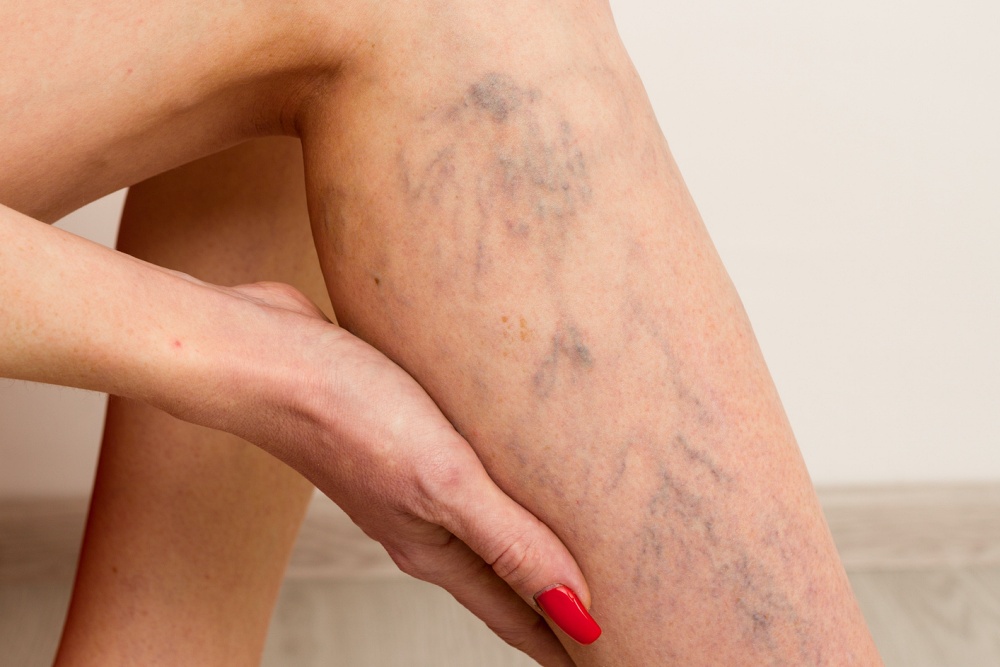
Not everyone develops visible varicose veins early on. Symptoms like fatigue, swelling, or itching can appear well before any veins are visibly enlarged, which is part of why CVI often goes undiagnosed for years.
What Causes Chronic Venous Insufficiency?
CVI develops from a mix of genetic, physical, and lifestyle factors that damage or weaken vein valves over time. The most common contributors include:
- Age. Vein walls and valves naturally lose elasticity over time.
- Sex and hormones. Women develop CVI more often than men, partly due to hormonal effects on vein walls.
- Pregnancy. Increased blood volume and pressure from the growing uterus strain leg veins.
- Family history. A parent with varicose veins or CVI significantly raises your own risk.
- Obesity. Extra body weight increases pressure on the venous system.
- Sedentary lifestyle. Long periods without movement reduce the calf muscle pump that helps push blood upward.
- Prolonged standing or sitting. Jobs that keep you on your feet or seated for extended stretches slow circulation.
- History of deep vein thrombosis (DVT). A previous blood clot can permanently damage the valves in that vein.
Understanding your personal risk factors can help you catch symptoms early, before the condition progresses to a more advanced stage.
Is Chronic Venous Insufficiency Serious?
CVI can range from a mild cosmetic concern to a serious medical condition, depending on how far it’s progressed and whether it’s treated. In its early stages, CVI mainly causes discomfort, swelling, and visible veins. Left untreated over years, it can lead to more significant complications.
Is Chronic Venous Insufficiency Dangerous If Left Untreated?
Yes, it can become dangerous in advanced, untreated cases. Prolonged venous reflux can cause chronic skin changes, inflammation, and eventually venous ulcers, open sores that are slow to heal and prone to infection. In some cases, the same poor circulation associated with CVI can raise the risk of superficial vein thrombosis or, less commonly, deep vein thrombosis. This is why early evaluation matters even when symptoms still feel mild.
Can Chronic Venous Insufficiency Cause Heart Problems?
CVI is a circulation issue affecting the leg veins, not the heart itself, and it doesn’t directly cause heart disease. That said, in advanced and prolonged cases, the added strain on the circulatory system and the risk of blood clots are worth discussing with your doctor, especially if you already have cardiovascular risk factors.
The Stages of Chronic Venous Insufficiency
Doctors typically classify CVI using a staging system that ranges from mild to severe:
- Early stage: Visible spider veins or reticular veins, often with no other symptoms.
- Mild stage: Varicose veins present, possibly with mild swelling or aching.
- Moderate stage: Persistent swelling and skin changes, such as discoloration, begin to appear.
- Advanced stage: Skin thickening, active or healed ulcers, and more significant discomfort.
Most people fall somewhere in the early-to-moderate range when they first seek treatment. Knowing your stage helps determine both urgency and the most appropriate treatment approach.
How Chronic Venous Insufficiency Is Diagnosed
Diagnosis starts with a physical exam and a conversation about your symptoms, family history, and how your symptoms change throughout the day. From there, most specialists use a duplex ultrasound, a painless imaging test that shows how blood is flowing through your veins and identifies exactly which valves aren’t functioning properly.
In some more complex cases, a venogram, an imaging test using contrast dye, may be used to get a more detailed picture of the venous system. Accurate diagnosis matters because treatment decisions depend on which specific veins are involved and how severe the reflux is.
Don’t Ignore Persistent Vein Symptoms
Heavy legs, swelling, itching, and skin changes may be signs of an underlying vein condition that can worsen over time. A vein evaluation can help identify the cause and determine the right approach for your symptoms. Schedule a consultation with MVM Health to understand your vein health and available treatment options.
Can Chronic Venous Insufficiency Be Cured or Reversed?
This is one of the most common questions we hear, and the honest answer requires some nuance.
Can Chronic Venous Insufficiency Be Cured?
Not in the sense of permanently reversing all underlying vein damage throughout the body. Valve damage in a treated vein can be effectively corrected, since modern procedures close off or remove the malfunctioning vein entirely, redirecting blood through healthier ones. However, CVI is a systemic tendency, meaning new veins can develop reflux over time, particularly if risk factors like genetics or prolonged standing remain present.
Can Chronic Venous Insufficiency Be Reversed?
The specific vein that’s treated is effectively resolved, blood no longer flows backward through it. But “reversing” CVI as a whole condition isn’t accurate, since it describes an underlying tendency in the venous system rather than a single fixable defect. The more realistic goal, and the one most patients achieve, is long-term symptom control and prevention of complications through treatment and lifestyle management.
Treatment for Chronic Venous Insufficiency
Treatment approaches range from conservative to procedural, depending on severity.
Conservative options:
- Compression stockings to support circulation
- Leg elevation, especially in the evening
- Regular physical activity to engage the calf muscle pump
- Weight management to reduce pressure on the venous system
Procedural options for moderate to advanced CVI:
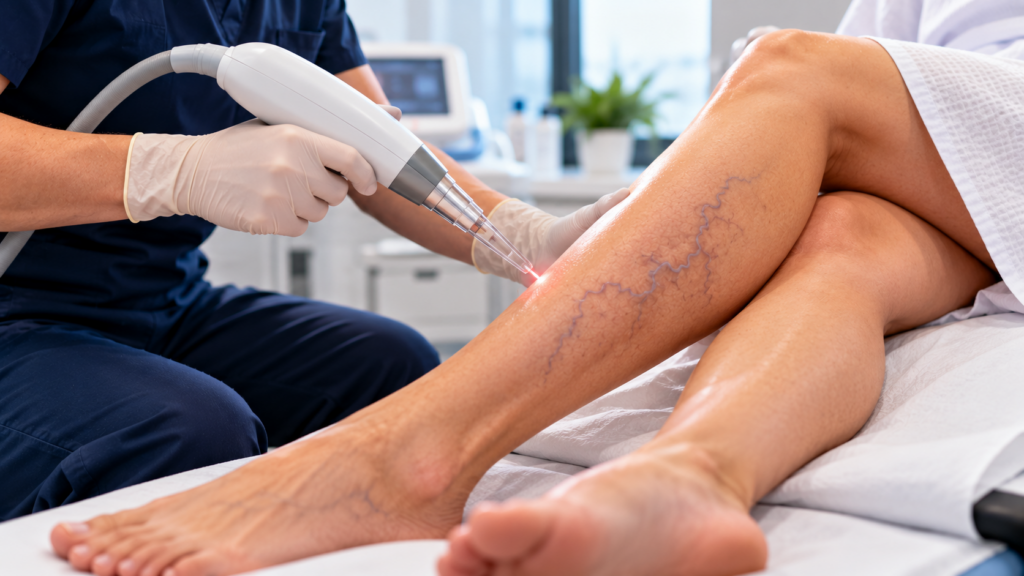
- Endovenous laser or radiofrequency ablation, which uses heat energy to close off the damaged vein
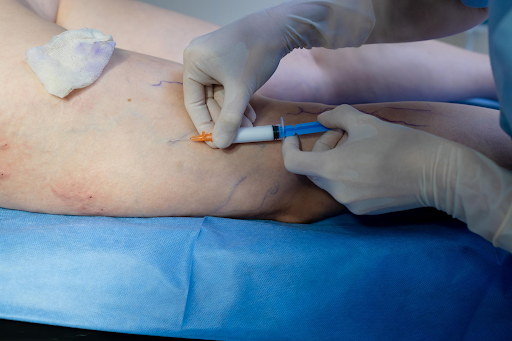
- Sclerotherapy, where a solution is injected to collapse the problem vein
- Medical adhesive closure, which seals the vein using a small amount of adhesive
- Surgical intervention, reserved for select complex cases not suited to minimally invasive options
Most modern procedures are done in-office, take under an hour, and allow patients to return to normal activity the same or next day, a significant shift from the surgical vein stripping of past decades.
How to Prevent Chronic Venous Insufficiency
While genetics and age can’t be changed, several habits can lower your risk or slow progression:
- Stay active and avoid long periods of uninterrupted sitting or standing
- Maintain a healthy weight to reduce pressure on leg veins
- Elevate your legs when resting, especially after long days on your feet
- Wear compression stockings if you’re in a high-risk job or have early symptoms
- Address swelling or aching early rather than waiting for visible varicose veins
Living With Chronic Venous Insufficiency
A proactive approach makes a meaningful difference in day-to-day comfort and long-term outcomes. Maintaining a healthy weight, staying physically active, and elevating your legs when possible all support symptom management. Just as important is not waiting until symptoms become severe to seek care. Early evaluation and adherence to a treatment plan consistently lead to better outcomes than reactive treatment after complications develop.
When to See a Specialist for Chronic Venous Insufficiency
Consider scheduling an evaluation if you notice:
- Visible bulging or twisted veins, even without pain
- Ongoing leg heaviness, aching, or fatigue
- Swelling that doesn’t fully resolve overnight
- Skin discoloration, dryness, or hardening near the ankles
- Slow-healing sores or wounds on the lower leg
- A strong family history of varicose veins or vein disease
Waiting rarely makes chronic venous insufficiency better on its own. A short consultation can tell you exactly where you stand and what your options look like.
Get an Accurate Diagnosis, Not a Guess
Chronic venous insufficiency is common, progressive, and highly manageable, but only when it’s properly diagnosed. Guessing based on symptoms alone can miss the specific veins involved and delay effective treatment. At MVM Health, our vein specialists use ultrasound-based evaluation to pinpoint exactly what’s happening in your veins and build a treatment plan around your specific case. Schedule a consultation to get real answers instead of guessing.
Frequently Asked Questions
What is chronic venous insufficiency?
Chronic venous insufficiency is a condition where the valves inside leg veins fail to move blood efficiently back to the heart, causing blood to pool in the lower legs. It’s a chronic, progressive condition that commonly causes varicose veins, swelling, and leg discomfort.
What are the most common chronic venous insufficiency symptoms?
The most common symptoms include varicose veins, ankle or leg swelling, aching or heaviness, skin discoloration near the ankle, and nighttime leg cramping. Advanced cases can involve thickened skin or slow-healing ulcers.
Is chronic venous insufficiency serious?
It can be, particularly if left untreated for years. Early-stage CVI is often mild, but advanced cases can lead to chronic skin changes, ulcers, and increased risk of superficial vein thrombosis.
Is chronic venous insufficiency dangerous?
In its early stages, it’s usually more uncomfortable than dangerous. Left untreated over the long term, it can become dangerous due to skin ulcers, infection risk, and, in some cases, blood clot formation.
Can chronic venous insufficiency be cured?
Not entirely, since it reflects an underlying tendency in the venous system rather than a single defect. However, individual affected veins can be effectively treated and closed, and most patients achieve significant, lasting symptom relief.
Can chronic venous insufficiency be reversed?
The vein damage in a specifically treated vein is effectively resolved through modern procedures. But CVI as a broader condition isn’t something that gets permanently reversed system-wide, which is why ongoing monitoring matters even after treatment.
What causes chronic venous insufficiency?
The main causes are genetics, age-related vein wall changes, pregnancy, obesity, prolonged standing or sitting, and a history of deep vein thrombosis. Most cases involve a combination of these factors rather than a single cause.
How is chronic venous insufficiency treated? Treatment ranges from conservative options like compression stockings and leg elevation to minimally invasive procedures like endovenous ablation, sclerotherapy, and medical adhesive closure for more advanced cases.
What does chronic venous insufficiency look like? Visually, it can range from small spider veins to large, bulging varicose veins, along with swelling and skin discoloration, typically a brownish or reddish tint, near the ankle in more advanced cases.
Can chronic venous insufficiency cause heart problems? CVI primarily affects the leg veins and doesn’t directly cause heart disease. However, the added circulatory strain in severe, prolonged cases is worth discussing with your doctor, particularly if you have existing cardiovascular risk factors.
Medical Disclaimer
This article is intended for general educational purposes and does not constitute individual medical advice. Chronic venous insufficiency presents differently in every patient, and treatment decisions should always be made in consultation with a qualified healthcare professional based on a full evaluation.