
Staying active in Scottsdale is good for your veins, until your legs start telling you otherwise
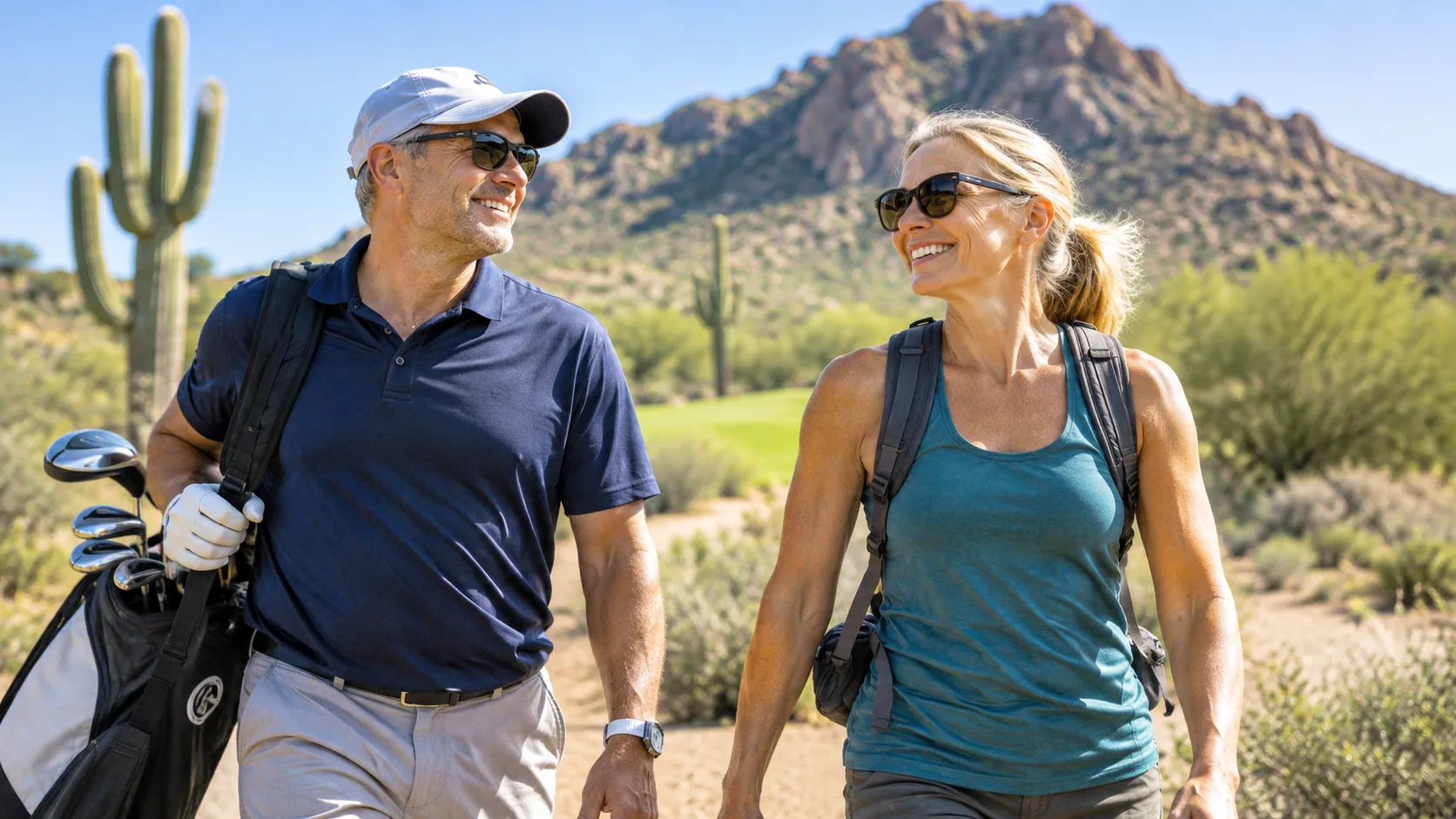
Scottsdale makes it easy to stay on your feet. Mornings on the fairways, weekend climbs at Pinnacle Peak or Gateway Loop, and evening walks along the Indian Bend Wash Greenbelt are part of daily life here. That activity is one of the best things you can do for vein health in Scottsdale.
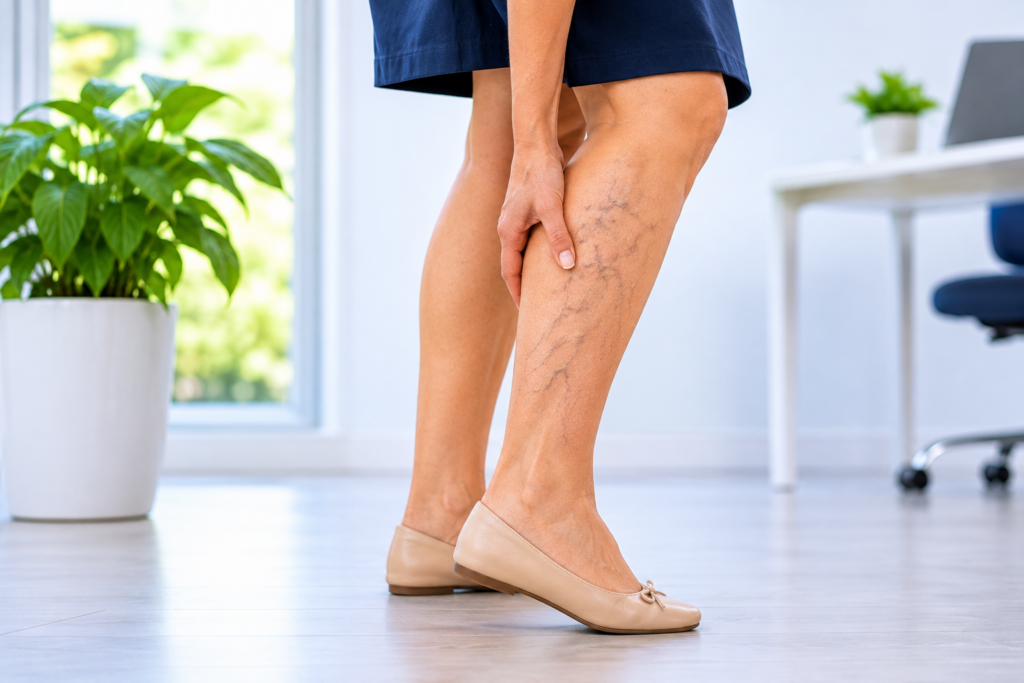
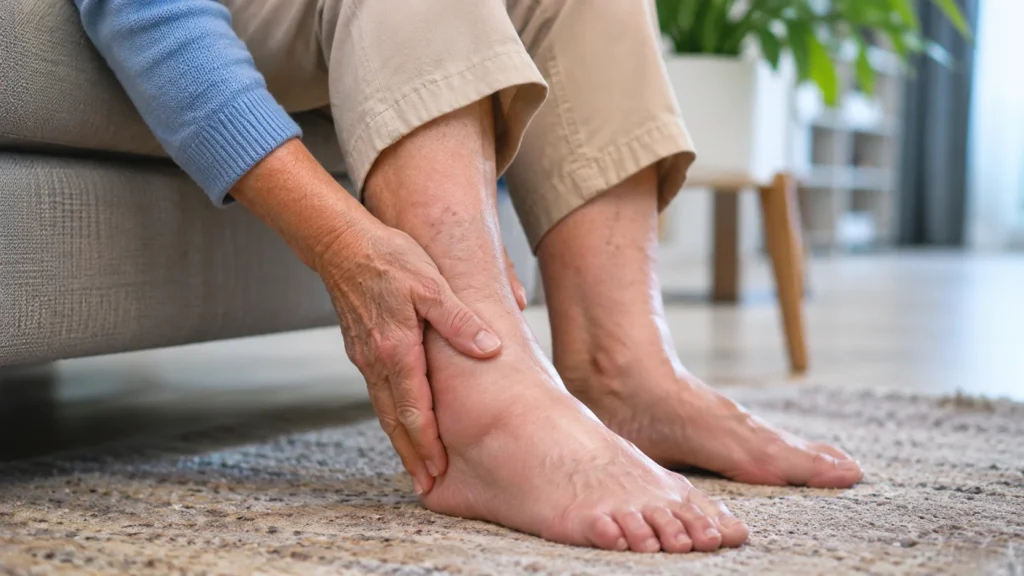
Still, many active residents notice something that doesn’t add up. Your legs feel heavy after 18 holes. Your ankles swell after a hike. Your calves ache at night even though you’re fit. These can be signs of a vein problem, not just a long day.
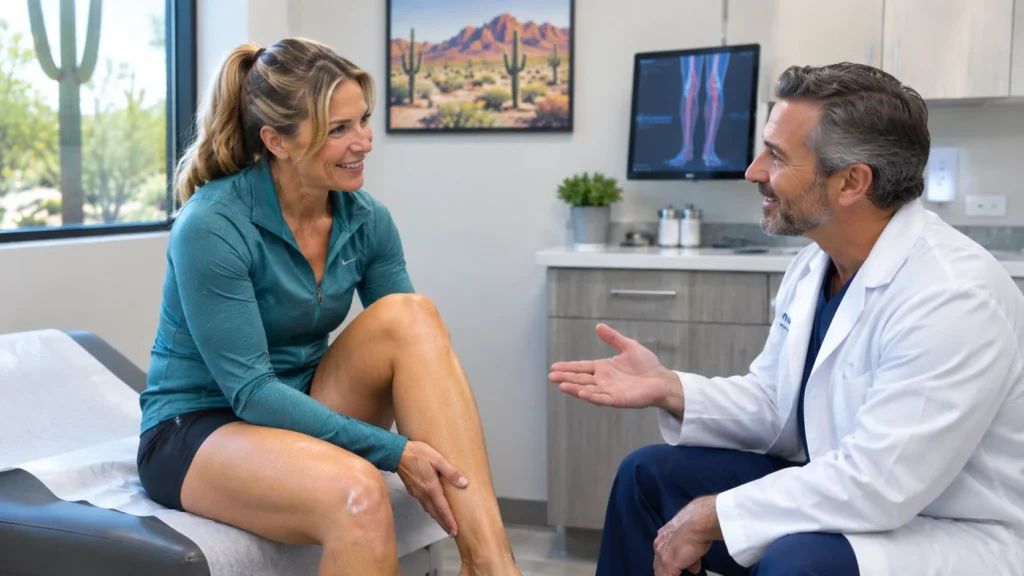
This guide explains how golf, hiking, and Arizona heat affect your leg veins. It also covers the warning signs worth checking and how a vein specialist in Scottsdale can help you stay active.
How your leg veins work while you move
Your leg veins carry blood back up to your heart, against gravity. Small one-way valves inside the veins keep that blood from sliding backward. Each time you take a step, your calf muscles squeeze the deep veins and push blood upward. This is often called the calf muscle pump.
When the valves weaken, blood can flow backward and pool in the lower legs. Over time, that can lead to varicose veins, spider veins, or chronic venous insufficiency. Common risk factors include age, family history, pregnancy, extra weight, and long periods of standing or sitting.
The good news is that movement supports the calf pump. The catch is that some parts of an active day, like standing still, sitting in a golf cart, or hiking in the heat, can work against it.
Golf and your veins: why 18 holes can leave your legs heavy
Golf looks easy on the legs, but a round mixes the two things veins dislike most: standing still and sitting still. You wait on the tee, stand over putts, and then sit in a cart between shots. Your calf pump gets long breaks while gravity keeps pulling blood down.
Add a four- to five-hour round in the sun, and it’s common to finish with heavy or aching legs, mild ankle swelling, or cramping that night.
A few habits can help on the course:
- Walk when you can. Walking holes, or parking the cart and walking to your ball, keeps the calf pump working.
- Move while you wait. Rise onto your toes or shift your weight between feet on the tee box.
- Hydrate every few holes. Water helps your blood flow more easily, especially on hot days.
- Try compression socks. Many golfers wear graduated compression socks during a round. Ask your provider which strength fits your legs.
- Elevate after the round. Raise your legs above heart level for 15 to 20 minutes once you’re home.
Hiking the McDowell Sonoran Preserve: great exercise, with a few vein caveats
Hiking is excellent for circulation. Climbing trails works your calves hard, and that strengthens the calf muscle pump. For most people with healthy veins, regular hiking is a plus.
The trouble usually shows up after the hike. A long drive home, a post-hike lunch sitting down, and a dehydrated body can leave legs swollen and sore. People who already have weak vein valves may notice their varicose veins look more bulging or feel more tender after a hot trail day.
Tips for trail days:
- Start early. Hike at sunrise in warmer months to avoid peak heat.
- Carry more water than you think you need. Desert air dries you out quickly.
- Take short breaks to move, not just sit. Gentle ankle circles help during rest stops.
- Cool down on the way out. An easy final stretch helps your legs recover.
- Watch for swelling. Leg swelling that stays into the next day is worth mentioning to a provider.
Why Arizona heat makes heavy legs worse
Heat causes veins to widen so your body can release warmth through the skin. Wider veins hold more blood, and if your valves are already weak, more blood pools in your lower legs. That is why many Scottsdale residents say their legs feel heaviest in summer.
Dehydration adds to the problem. When you lose fluid through sweat, your body works harder to circulate blood, and swelling can build in the ankles and feet. Hot tubs, saunas, and long sun exposure by the pool can have a similar effect.
If your symptoms clearly track with the temperature, that pattern is useful to share at a vein evaluation.
Signs your legs need more than rest
Ordinary muscle fatigue fades after a night’s sleep. Vein-related symptoms tend to return day after day and often get worse as the day goes on. Consider a vein evaluation if you notice:
- Legs that feel heavy, tired, or achy by afternoon, even on light days
- Ankle or foot swelling that leaves sock marks
- Bulging, rope-like veins or clusters of thin red or purple veins
- Leg cramps or restless legs at night
- Itching, darkening, or brown discoloration of skin around the ankles
- Symptoms that ease when you raise your legs
Get urgent care for sudden swelling, pain, warmth, or redness in one leg, especially after a long flight or drive. These can be signs of a blood clot and need prompt medical attention, not a scheduled vein visit.
Everyday habits that support healthy veins
Small daily choices add up, whether you play golf twice a week or hike every weekend.
- Keep moving through the day. If you work at a desk, stand and walk for a few minutes every hour.
- Mix in low-impact cardio. Swimming, cycling, and walking all work the calf muscles without heavy strain.
- Drink water consistently. Don’t wait until you’re on the trail or the course.
- Raise your legs in the evening. A short daily rest with legs elevated can ease swelling.
- Choose cooler times for activity. Early mornings and evenings are easier on your veins in summer.
- Maintain a healthy weight. Extra weight puts more pressure on leg veins.
- Ask about compression. Graduated compression stockings can help, but the right fit and strength matter.
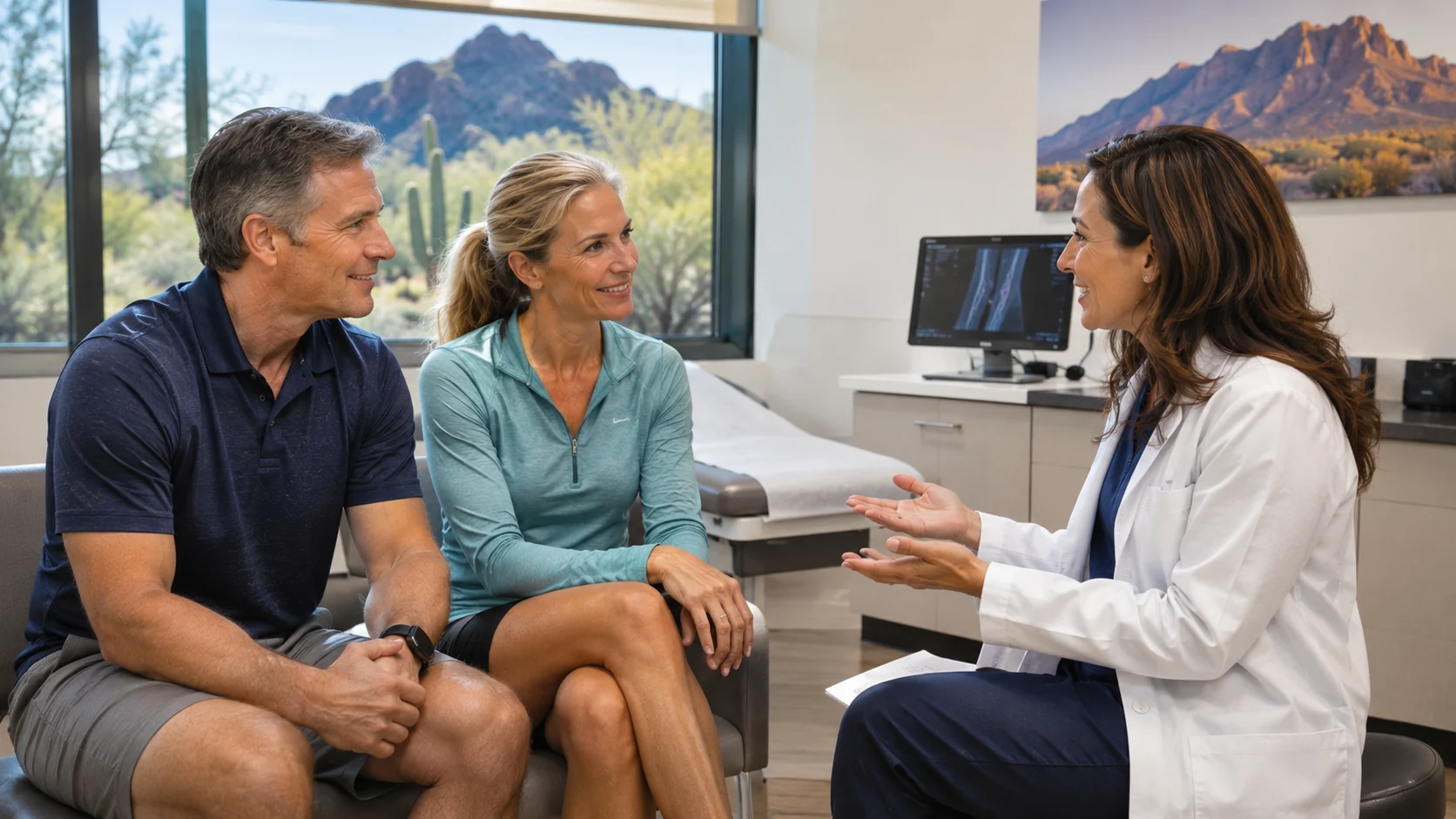
Varicose vein treatment in Scottsdale that fits an active life
If healthy habits aren’t enough, today’s options are minimally invasive and usually done in the office. Your provider recommends a treatment only after evaluating the size and location of your veins and your symptoms.
| Treatment | What it does | Often used for |
|---|---|---|
| Sclerotherapy | An injected solution closes the vein so it fades over weeks | Spider veins and small varicose veins |
| Radiofrequency ablation | Heat delivered through a thin catheter seals the vein | Larger varicose veins and venous insufficiency |
| Laser ablation | Laser energy through a thin fiber closes the vein | Larger varicose veins |
| VenaSeal® | A medical adhesive closes the vein without heat | Larger veins, for patients who prefer a heat-free option |
| Ambulatory phlebectomy | Small surface veins are removed through tiny openings | Bulging veins near the skin |
Heavy, aching, or swollen legs slowing down your active lifestyle?
Our vein specialists at MVM Health in Scottsdale, AZ, can evaluate your symptoms and recommend personalized vein treatment options to help you stay active and comfortable.
When can I get back on the course or the trail?
Many patients walk the same day and return to light routines soon after. Walking is often encouraged as part of recovery. Some people need compression stockings for a while or a short break from strenuous exercise, such as long hikes or heavy workouts.
Your provider gives you a recovery plan before treatment, so you can schedule around tee times and trail days. Many active patients plan treatment for Scottsdale’s cooler months, when compression is more comfortable. See all options on our vein treatments page.
Frequently Asked Questions
Can golf cause varicose veins?
+
Is hiking good or bad for varicose veins?
+
Why do my legs feel heavier in the Arizona summer?
+
Should I wear compression socks for golf or hiking?
+
Will insurance cover vein treatment in Scottsdale?
+
Keep your legs ready for the next round or trail
You shouldn’t have to cut a round short or skip a hike because your legs feel heavy. MVM Health supports vein health in Scottsdale with an evaluation-first approach from board-certified providers. Your first visit focuses on understanding your symptoms, not rushing into treatment.
Our clinic is at 9700 N. 91st St., Suite A-115, Scottsdale, AZ 85258, near Shea Boulevard and Loop 101. We see patients from Paradise Valley, Fountain Hills, Tempe, Mesa, and Cave Creek, Monday through Friday, 8:30 AM to 5:00 PM.
Schedule an appointment or call (623) 462-9012 to talk with our Scottsdale vein treatment team.