
Some people come in because their legs hurt. Others come in because they don’t like how their veins look. Many come in for both. Varicose vein care in Philadelphia, PA starts by sorting out which of these applies to you, because that shapes every treatment decision that follows.
This guide explains when visible or painful varicose veins are worth treating, how your symptoms and test results guide the choice, and what to ask before you decide. It is written for patients who are weighing their options before a visit to MVM Health’s Philadelphia clinic.
Do Visible Varicose Veins Need Treatment?
Not always. Visible varicose veins with no pain, swelling or skin changes usually do not need treatment for medical reasons. Treatment is worth considering when the veins cause aching, heaviness, swelling or cramps, when the skin near the ankle starts to change, or when an ultrasound shows leaking valves underneath.
Varicose veins are a sign that the valves inside a vein are not closing well. Some people live with them for years without trouble. For others, the same leak slowly gets worse and starts to affect daily life. A vein evaluation tells you which group you are in, instead of leaving you to guess from what your legs look like. If one leg suddenly becomes swollen, red, warm and painful, get urgent care right away, as this can be a sign of a blood clot.
Appearance Concerns and Symptom-Related Care Are Different
It helps to know which reason is bringing you in, because the two paths are handled differently.
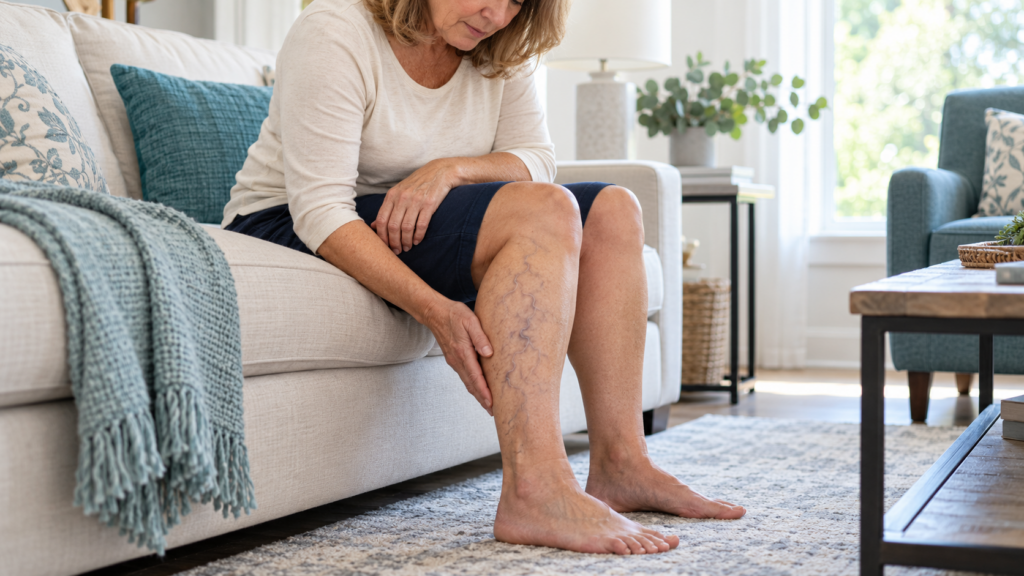
Symptom-related care is for veins that cause problems in your daily life. Signs include legs that feel heavy or achy by evening, ankle and lower-leg swelling, night cramps, itching or burning over the veins, and skin darkening near the ankle. These often point to venous insufficiency, a condition that can progress if it is left alone. When symptoms and ultrasound findings line up, treatment is considered medical care, and many insurance plans may help cover it.
Appearance-focused care is for veins that bother you mainly because of how they look, such as small spider veins or mild surface veins with no symptoms. Treatment is still an option, but it is usually considered cosmetic and paid for out of pocket.
Many Philadelphia patients fall somewhere in between. A server who stands through double shifts in Fishtown may have both visible veins and real swelling. Being honest about both helps your provider recommend the right mix of care.
How Varicose Vein Treatment Is Chosen
Varicose vein treatment is chosen by combining four things: your symptoms, how much they limit your day, what your provider sees on exam, and what a duplex ultrasound shows about blood flow. The ultrasound matters most, because it shows which vein is leaking and how far the backward flow travels.
Here is how each piece fits in:
- Your symptoms. Pain, heaviness, swelling and cramps tell your provider whether the veins are affecting your health, not just your appearance.
- Daily limitations. Trouble finishing a shift, climbing rowhome stairs, or sleeping through night cramps helps show how urgent care is.
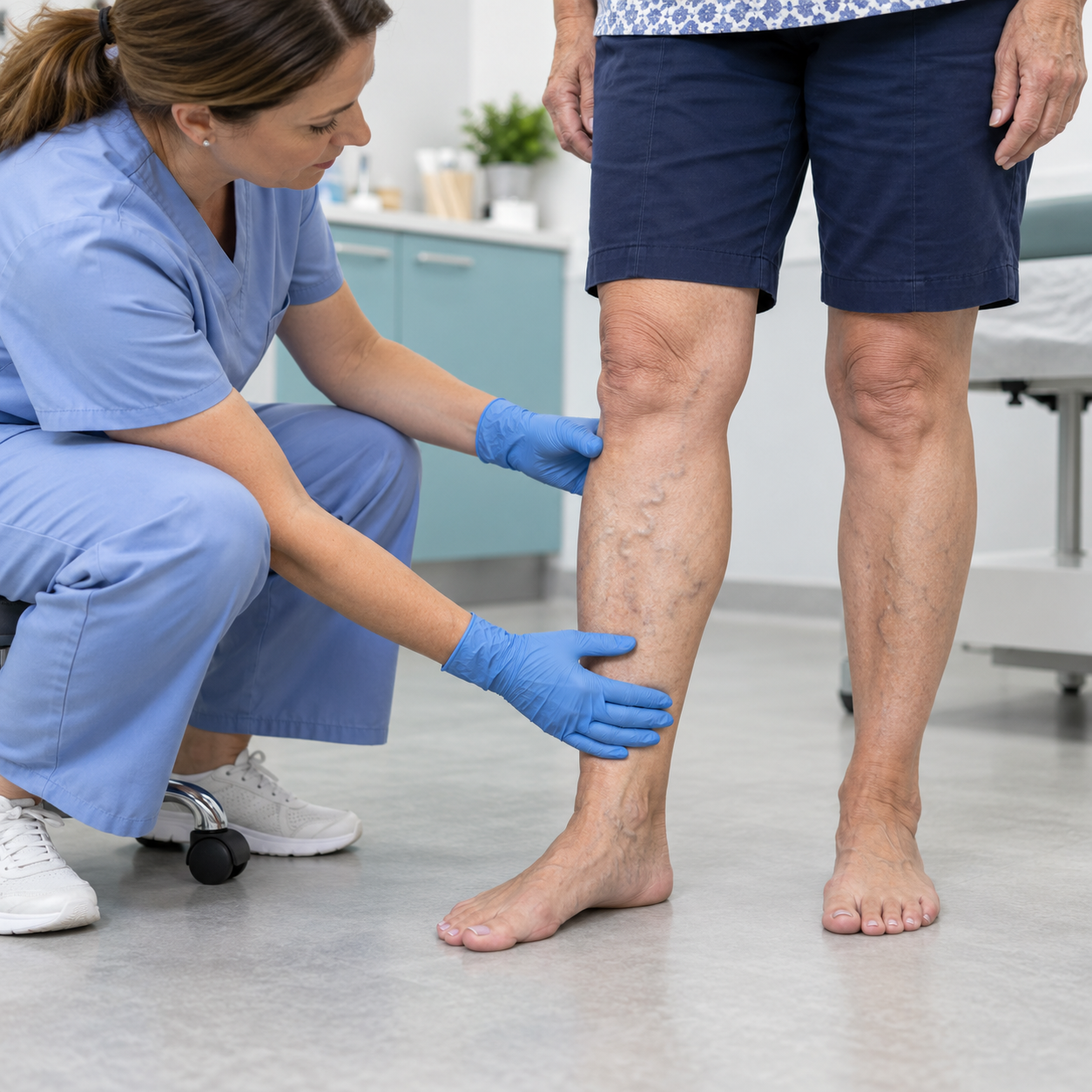
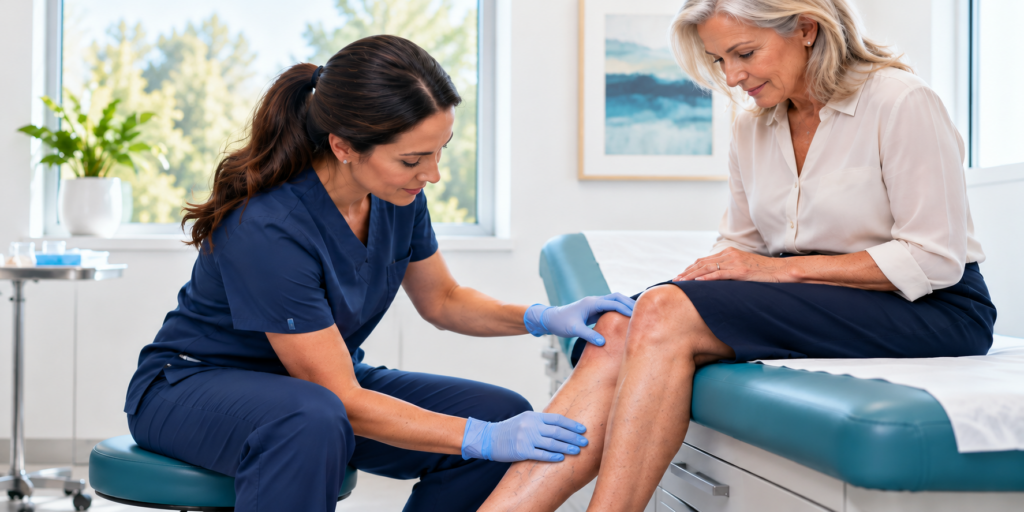
- Physical exam. Your provider checks your legs while you stand, looking at vein size, skin color and swelling.
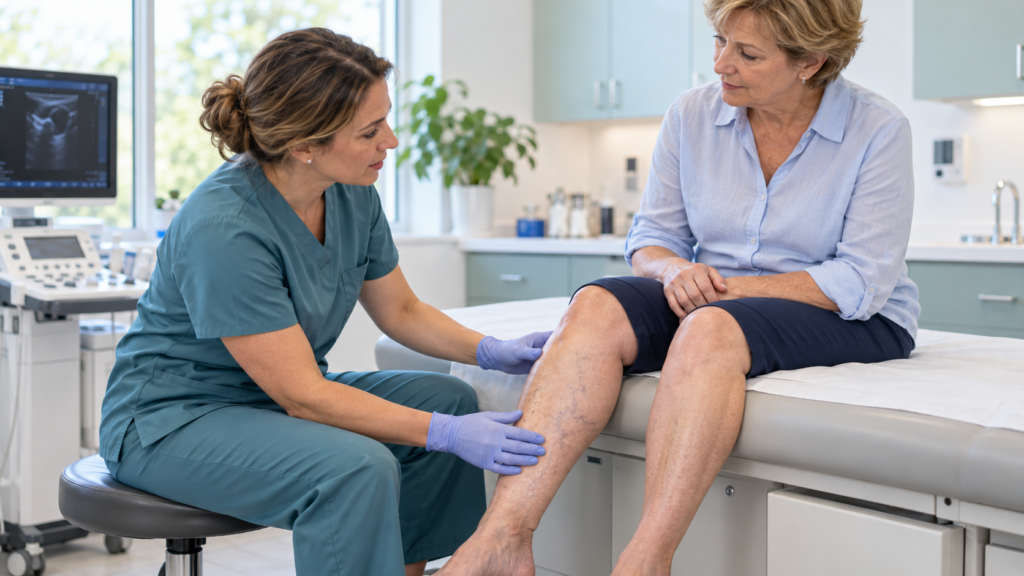
- Duplex ultrasound. This painless scan maps the faulty valves. It often finds a larger leaking vein under the skin that feeds the bulging veins you can see. Society for Vascular Surgery guidelines recommend this scan for anyone being evaluated for varicose veins, and they define a leak as backward flow in a main surface vein lasting longer than half a second.
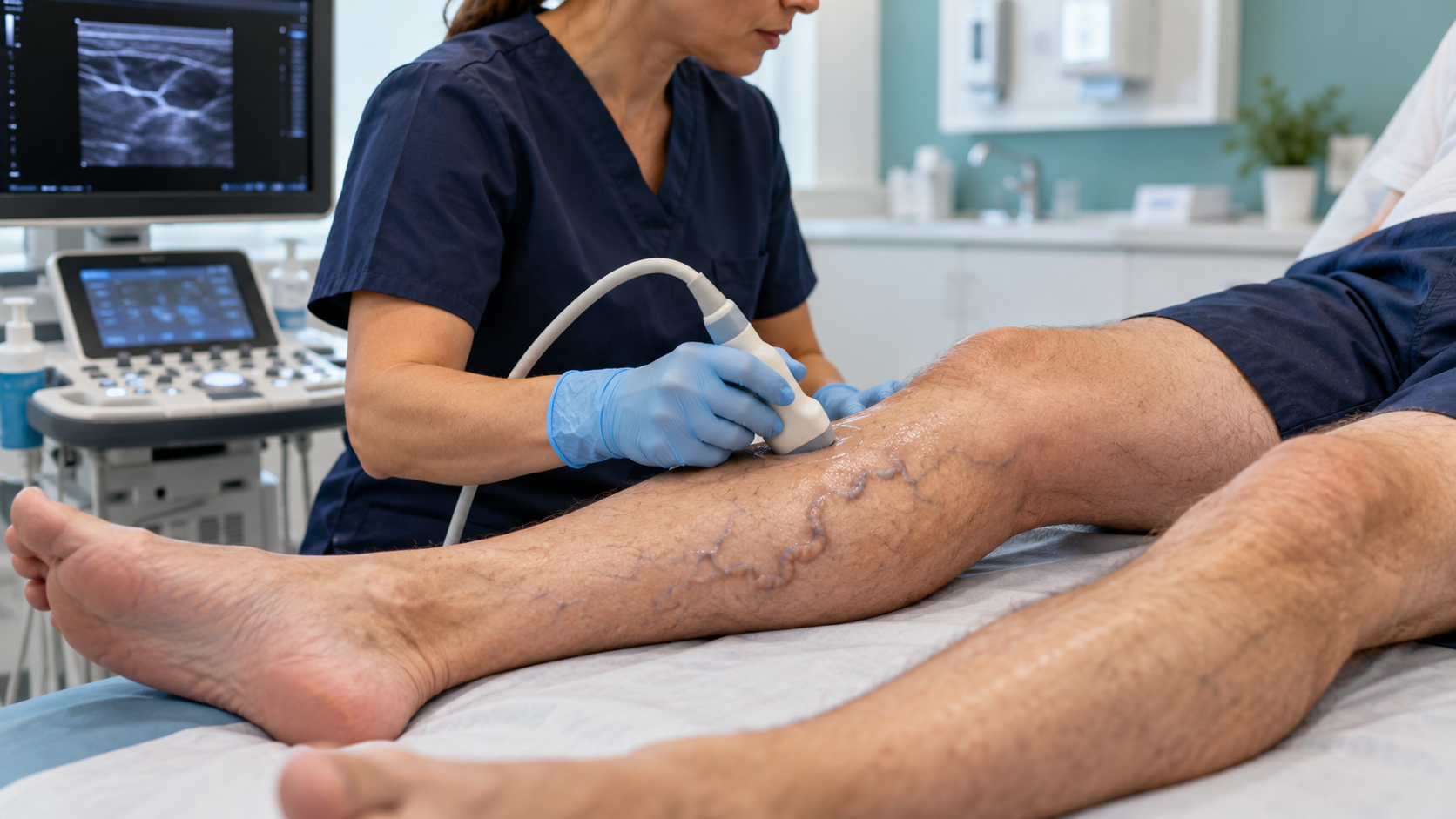
Treating only the visible veins without fixing the leak underneath often leads to veins coming back. That is why MVM Health’s vein specialists, including Dr. Peter J. Isaac, DO, FACOS, base each plan on the scan, not on looks alone.
Matching Your Findings to Treatment Options
The table below shows how common evaluation findings usually connect to treatment discussions. It is a general guide, and your own plan depends on your exam and scan.
| What your evaluation shows | Typical starting point | What it aims to do |
| Visible veins, no symptoms, normal ultrasound | Watchful waiting, or cosmetic sclerotherapy if you choose | Improve appearance |
| Mild aching or swelling, minor valve leak | Compression stockings, walking, leg elevation | Ease symptoms and monitor change |
| Ongoing symptoms with a leaking main vein | Radiofrequency ablation, laser ablation or VenaSeal | Close the faulty vein and reroute blood |
| Large bulging surface veins | Ambulatory phlebectomy, often after the main vein is closed | Remove veins through tiny nicks |
| Smaller leftover veins after treatment | Sclerotherapy | Fade remaining branches |
| Skin darkening or slow-healing sores near the ankle | Prompt treatment of the underlying leak | Protect the skin and help healing |
Many patients move through more than one row over time, such as closing a main vein first and treating smaller branches later.
Get Clear Answers About Your Varicose Veins
Whether your veins hurt, swell or simply bother you, an evaluation at MVM Health Philadelphia shows what is really going on and which options make sense. Our team explains your ultrasound results in plain language and checks what your insurance may cover before any treatment begins.
Questions to Ask Before You Decide
Good varicose vein care in Philadelphia starts with a clear conversation. Bring these questions to your visit:
- Which vein is causing my symptoms, and what did the ultrasound show?
- Is my care considered medical or cosmetic, and what might my insurance cover?
- What happens if I wait instead of treating now?
- How many visits will my plan take, and in what order?
- How much time off work should I plan for?
Once you choose a path, most procedures are done in the office and you walk out the same day. Our guide to recovery after vein treatment in Philadelphia explains what the first few weeks usually look like. Each of these choices fits into the wider picture of varicose vein symptoms, causes, diagnosis and treatment.