
Obesity and Varicose Veins: Understanding the Connection
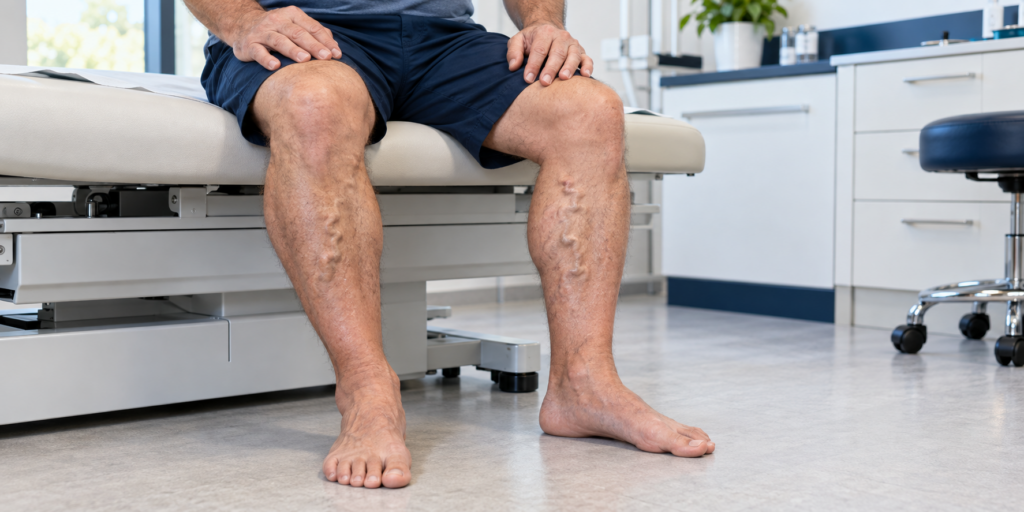
Varicose veins might indicate underlying vein issues that deteriorate over time, making them more than just a cosmetic concern. While many factors can contribute to their development, obesity and varicose veins are closely linked. With obesity rates on the rise, especially in adults aged 45 to 74, it’s crucial to understand how excess body weight can strain your veins and lead to long-term health concerns.
Let’s explore how obesity and varicose veins connect, what symptoms to watch for, and how lifestyle changes can bring real relief.

How Excess Weight Impacts Veins
The connection between obesity and varicose veins lies in pressure—quite literally. People who are fat or overweight put more strain on their legs’ veins because of their increased body weight. Tiny valves inside these veins help them battle gravity as they push blood back up to the heart.
But with added pressure from body weight, these valves may weaken or fail. This causes blood to pool in the legs, stretching the veins and resulting in varicose veins. If you notice these symptoms, it’s a good idea to consult a vein specialist Easton to evaluate your condition early.
One of the lesser-discussed causes of varicose veins is the slower circulation that comes from a sedentary lifestyle. People carrying excess weight often move less, which reduces blood flow and increases the likelihood of vein damage.
Additionally, when there’s too much fat in the body—especially around the abdomen and legs—it becomes harder for the veins to transport blood efficiently. This sluggish circulation contributes to vein problems that can go unnoticed for years.
Symptoms That Worsen With Obesity
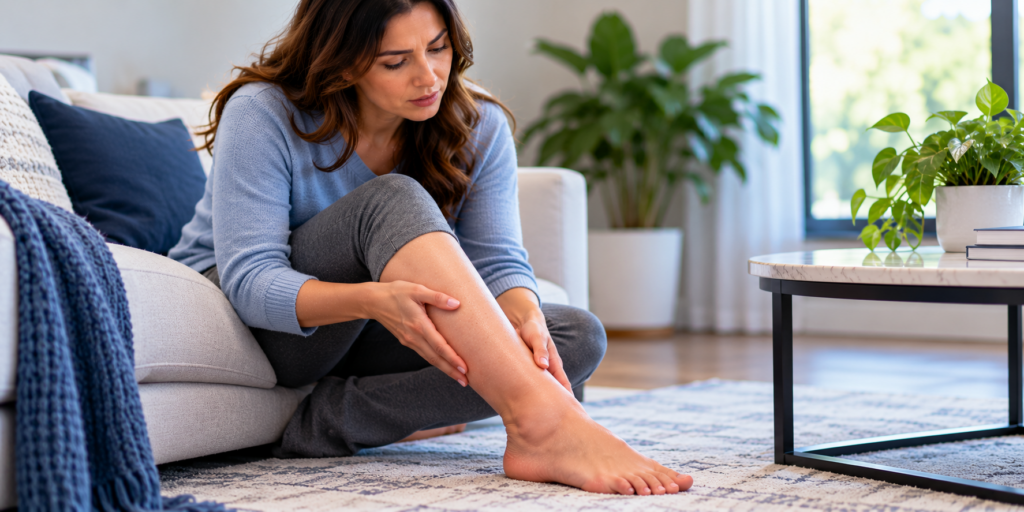
If you’re struggling with your weight, you may already be experiencing symptoms that are closely tied to vein issues. The tricky part? Sometimes the symptoms of varicose veins and obesity are not readily apparent.
Here are a few warning signs to watch for:
- Aching or heavy legs
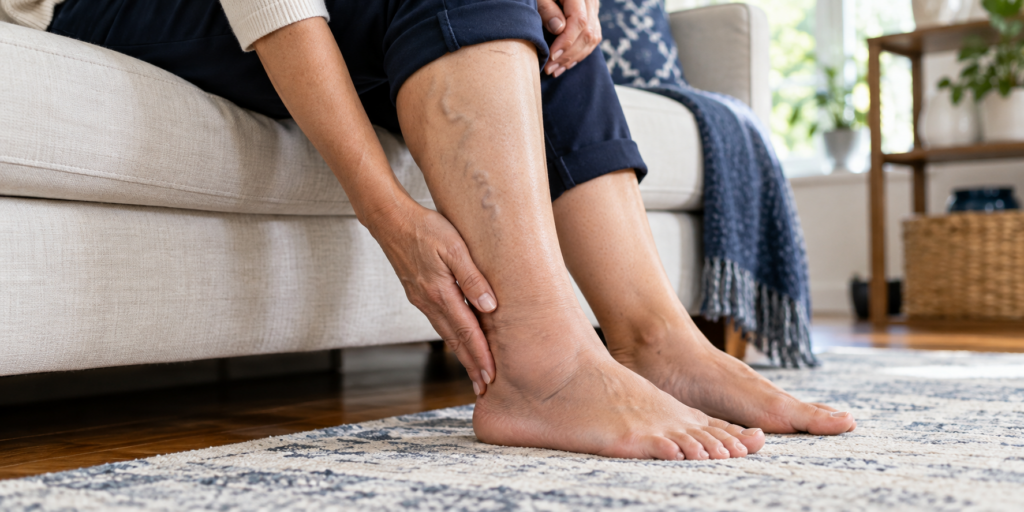
- Swelling, especially after standing for long periods
- Restless legs or nighttime cramping
- Skin discoloration or dryness near the ankles
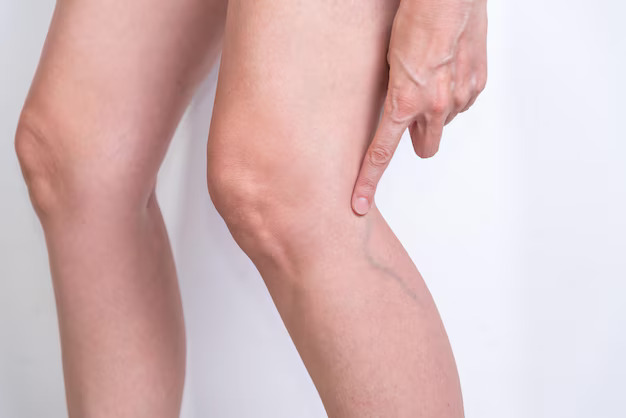
- Itching or discomfort around visible veins
For people who are overweight, these symptoms can appear earlier and become more intense. In some cases, varicose veins may not even be visible due to layers of fat—this can delay diagnosis and make treatment more complicated. A quick consultation with a vein specialist Stroudsburg can help determine the severity of your vein issues.
Lifestyle Changes for Relief
Here’s the good news: small lifestyle changes can significantly impact your vein health. If you have obesity and varicose veins, improving your daily habits can ease symptoms and reduce further damage.
Start with movement. Regular low-impact activities like walking, cycling, or swimming are excellent for weight and vein health. These exercises promote better circulation and strengthen leg muscles, which support healthy blood flow.
Even standing up more during the day and avoiding long periods of sitting can make a noticeable difference in your leg health.
Next, look at your diet. Nutrient-rich meals high in fiber, vitamins, and lean protein can help lose weight and improve circulation. Reducing salty and processed foods can also reduce swelling in the legs.
Maintaining a healthy weight is one of the most effective ways to reduce the risk of obesity-related vein problems. The healthy weight management guidelines published by the Centers for Disease Control and Prevention (CDC) explain how gradual weight loss, balanced nutrition, and regular physical activity support long-term cardiovascular and vascular health.
These habits not only support better weight management but also directly address circulation issues linked to vein damage.

Treatment Options for Overweight Individuals
While lifestyle changes are powerful, they might not be enough for everyone. People who are overweight or obese may face additional challenges when it comes to treating varicose veins.
For one, diagnosing obesity and varicose veins becomes harder with increased body fat. Medical imaging may not show underlying vein damage clearly—especially in morbidly obese patients.
When treatment is necessary, options include:
- Endovenous laser therapy (EVLT)
- Radiofrequency ablation (RFA)
- Foam sclerotherapy
- Surgical vein stripping (for advanced cases)
Excess fat can limit access to veins during specific procedures. That’s why physicians often recommend weight loss before or alongside treatment. Reducing pressure on the legs improves treatment outcomes, and recovery is typically quicker.
If symptoms persist or worsen, you might benefit from varicose vein treatment Stroudsburg, which includes minimally invasive procedures tailored for your specific condition.
Long-term Tips for Better Vein Health
Long-term success in managing obesity and varicose veins requires consistent care and prevention. Here’s what you can do:
- Stay active: Try to get in at least 150 minutes a week of moderate exercise.
- Elevate your legs, especially after standing all day
- Wear compression stockings to support circulation
- Stay hydrated to keep blood flowing
- Avoid tight clothing, especially around the waist and thighs
These daily habits not only improve circulation but also help manage your weight, reducing the likelihood of developing further vein issues. If needed, a vein specialist Allentown can provide ongoing monitoring and support for maintaining vein health.
Conclusion
The link between obesity and varicose veins is real and important. Carrying excess weight puts added pressure on the leg veins, weakens their valves, and slows blood flow—making you more vulnerable to serious vascular issues.
But the journey doesn’t stop at awareness. With the right mix of lifestyle changes, weight management, and medical care, you can take control of your weight and vein health. Don’t ignore early symptoms, even if your veins aren’t visible. Early evaluation and personalized treatment can lead to long-term improvement in both health and quality of life.
FAQs
What is the connection between obesity and varicose veins?
Excess body weight increases pressure on the veins in your legs, making it harder for blood to flow back to the heart. Over time, this pressure can weaken vein valves, causing blood to pool and resulting in varicose veins.
Can losing weight help reduce varicose vein symptoms?
Yes. Losing excess weight can reduce pressure on your leg veins, improve circulation, and help relieve symptoms such as swelling, aching, and heaviness. While weight loss may not eliminate existing varicose veins, it can help prevent the condition from worsening.
Are obese individuals more likely to develop varicose veins?
Yes. Obesity is a significant risk factor for varicose veins. Increased body weight places additional strain on the veins, raising the likelihood of venous insufficiency and vein enlargement.
What are the early signs of varicose veins?
Early symptoms may include aching or heavy legs, swelling around the ankles, leg cramps, itching near the veins, and visible blue or purple veins. Some people may experience discomfort before the veins become visibly enlarged.
What treatments are available for varicose veins?
Treatment options include lifestyle modifications, compression therapy, endovenous laser therapy (EVLT), radiofrequency ablation (RFA), foam sclerotherapy, and, in advanced cases, surgical procedures. A vein specialist can recommend the most appropriate treatment based on your condition.
When should I see a vein specialist?
You should consult a vein specialist if you experience persistent leg pain, swelling, skin discoloration, visible varicose veins, or symptoms that interfere with your daily activities. Early evaluation can help prevent complications and improve treatment outcomes.