
Spider veins are more common than most people realize, affecting roughly one in three women and one in five men in the United States at some point during their lives. They’re not always purely cosmetic. They’re sometimes a sign that the underlying venous circulation isn’t working the way it should. And the treatment, when you finally get around to it, is usually far simpler and faster than people expect.
At MVM Health, our board-certified vascular specialists have helped hundreds of patients across the Lehigh Valley region, including many right here in Bethlehem, understand what their spider veins mean, whether treatment is right for them, and what the process actually looks like. This guide covers all of that, plainly and honestly.
What Are Spider Veins, Exactly?
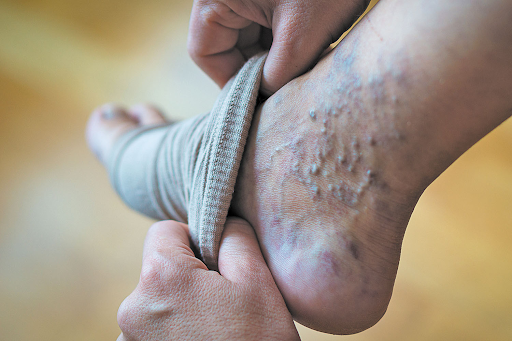
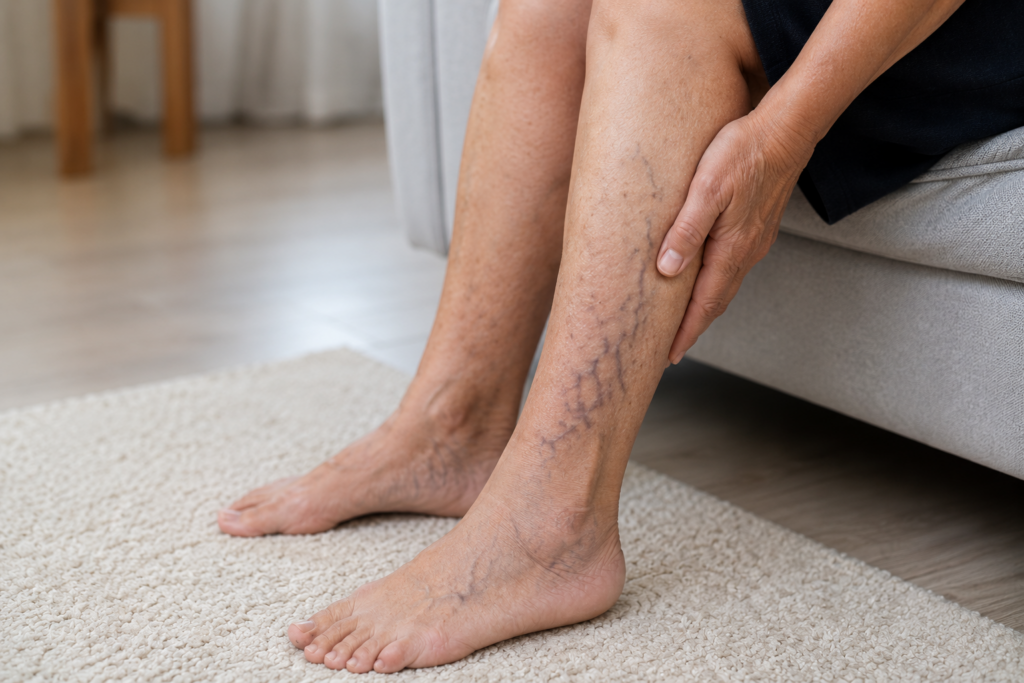
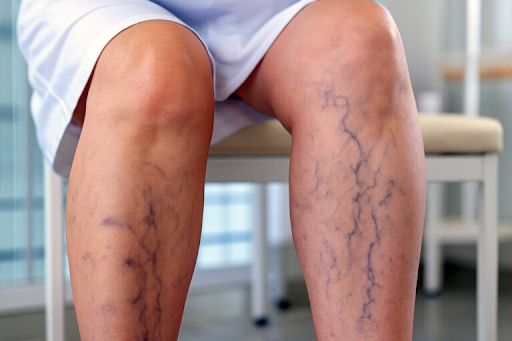
Spider veins, known medically as telangiectasias are small, dilated blood vessels that appear close to the surface of the skin. They get their name from the way they tend to branch outward in thin, web-like patterns of red, blue, or purple lines, usually most visible on the legs, thighs, and ankles, though they can also appear on the face.
Unlike varicose veins, which are larger, raised, and often rope-like, spider veins are flat and fine. They sit just beneath the skin surface and rarely bulge. That distinction matters because the two conditions are related but different, and they often require different approaches to treatment.
Spider veins develop when the tiny one-way valves inside small veins weaken or become damaged. Instead of moving blood efficiently back toward the heart, these weakened veins allow small amounts of blood to pool, causing the vessel to expand and become visible through the skin. The process is similar to what drives varicose veins, just in smaller vessels.
Are spider veins dangerous?
In most cases, spider veins are not medically dangerous on their own. But they can signal underlying venous insufficiency, a condition where deeper veins aren’t functioning properly. If you have spider veins alongside leg heaviness, swelling, or aching, it’s worth having a full vein evaluation rather than treating the surface appearance alone.
Ready to Do Something About Your Spider Veins?
MVM Health’s board-certified vascular specialists in Bethlehem offer thorough vein evaluations with same-week availability. Spider vein treatment doesn’t have to be complicated. Find out what’s possible for you.
What Actually Causes Spider Veins?
Spider veins don’t appear randomly. There are consistent, well-understood factors that drive their development and understanding them helps explain why treatment combined with lifestyle awareness tends to produce the best long-term results.
- Genetics: This is the biggest single factor. If one of your parents had spider veins, your risk is meaningfully elevated. If both parents did, it’s higher still. Inherited valve weakness is the most common underlying cause.
- Hormonal changes: Estrogen affects vein wall tone, which is why spider veins are significantly more prevalent in women. They frequently appear or worsen during pregnancy, while taking hormonal contraceptives, or around menopause.
- Pregnancy: Blood volume increases by roughly 50% during pregnancy, which puts significant pressure on leg veins. Progesterone relaxes vein walls at the same time. Spider veins developed during pregnancy sometimes improve postpartum but not always, and they often worsen with each subsequent pregnancy.
- Prolonged standing or sitting: Occupations that require staying in one position for hours, such as teaching, nursing, retail work, and office jobs reduce calf muscle activity and slow venous return. Over the years, this contributes to vessel wall stress and spider vein development.
- Sun exposure: Facial spider veins, particularly around the nose and cheeks, are often driven by cumulative UV exposure, which weakens small capillary walls over time.
- Age: Vein walls and valves naturally lose elasticity with age. Spider veins become more common in adults over 40, though younger people are certainly not immune.
- Previous injury or trauma: A blow to the leg, a surgical incision, or even prolonged compression from tight clothing can trigger spider vein formation in a localized area.
Knowing the cause matters practically not to assign blame, but because it shapes what we recommend beyond treatment itself. A patient whose spider veins are driven entirely by genetics needs a different conversation than one whose job requires 8 hours of standing daily.
Spider veins vs. varicose veins what’s the difference?
| Spider Veins | Varicose Veins | |
| Size | Small, thin | Large, rope-like |
| Appearance | Flat, web-like pattern | Raised, twisted, bulging |
| Location | Legs, face, ankles | Legs, primarily calves and thighs |
| Symptoms | Often minimal | Pain, heaviness, swelling |
| Cause | Venous reflux, hormonal, sun damage | Vein valve failure, venous insufficiency |
| Treatment | Sclerotherapy, laser | Ablation, sclerotherapy, Varithena® |
While spider veins are often less symptomatic than varicose veins, some patients do experience burning, itching, or a feeling of heaviness in the affected area particularly after prolonged standing or sitting.
Do Spider Veins Cause Symptoms or Just Look Bad?
This question comes up in almost every consultation, and the honest answer is: it depends. Spider veins are often entirely asymptomatic, just visible, and cosmetically unwanted. But a meaningful portion of patients have symptoms they’ve been attributing to other things.
Symptoms that can be associated with spider veins, particularly when they cover a larger area or indicate underlying venous pressure, include:
- A burning or stinging sensation in the affected area is often worse after prolonged standing
- Mild itching over or around the visible veins, particularly around the ankle
- A sense of heaviness or tiredness in the legs by the end of the day that doesn’t fully resolve overnight
- Occasional throbbing or cramping, usually intermittent rather than constant
- Mild swelling around the ankle, especially in warm weather or after long days on your feet
When spider veins are accompanied by any of these symptoms, not just visible surface changes that point toward an underlying circulatory issue worth investigating properly. An evaluation that includes duplex ultrasound imaging will tell you whether the symptoms are driven by the surface veins alone or by deeper venous insufficiency that needs to be addressed first.
Spider Vein Treatment in Bethlehem, PA: What Are the Options?
The good news about spider vein treatment in Bethlehem and vein care generally is that the options available today are a long way from what people often imagine. No general anesthesia. No hospital. No lengthy recovery. Most spider vein treatments are quick, in-office procedures with minimal downtime.
Sclerotherapy: The Gold Standard
Sclerotherapy is the most widely used and most clinically supported treatment for spider veins. It’s been the standard of care for decades, and for good reason, it works consistently well, it’s well-tolerated, and the results are visible.
During sclerotherapy, a solution is injected directly into the spider vein using a very fine needle. The solution irritates the inner lining of the vein, causing it to collapse and seal shut. Over the following weeks, the body naturally reabsorbs the closed vessel, and the vein gradually fades from view.
A typical session at MVM Health treats multiple veins in one appointment, usually takes 30 to 45 minutes, and requires no anesthesia. Most patients describe the sensation as a mild sting or brief burning feeling, with each injection manageable and over quickly.
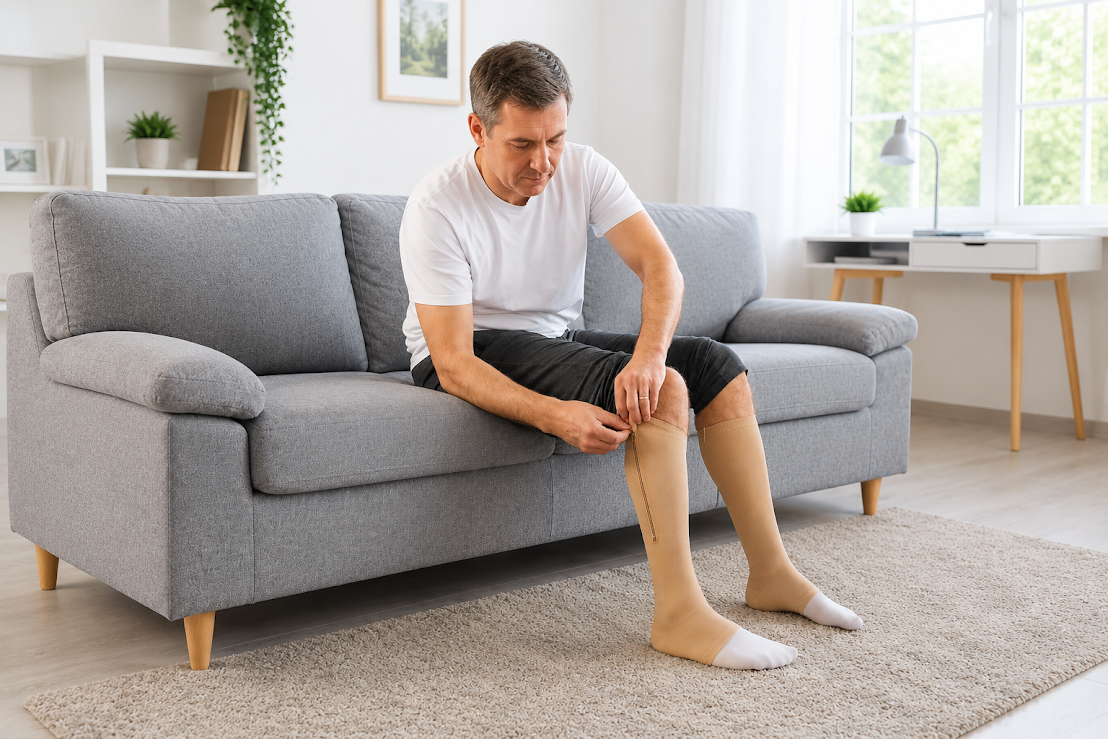
- Downtime: Minimal. Walking is encouraged immediately. Most patients return to normal activities the same day. Compression stockings are worn for a few days to a week, depending on the treatment area.
- Sessions needed: Most patients need 2–4 sessions spaced 4–6 weeks apart for optimal results, depending on the number and size of veins being treated.
- Results: Treated veins typically fade significantly within 3–6 weeks after each session. Results are generally long-lasting; treated veins don’t reopen, though new veins can develop over time.
Laser Spider Vein Treatment
For very fine spider veins, particularly facial spider veins or small clusters on the legs that are too small for injections, laser treatment is an effective option. A focused beam of light energy targets the hemoglobin in the vein, causing it to heat and close without any needle contact.
Laser spider vein treatment works well for the right patient and the right veins. It tends to be more comfortable for needle-averse patients and produces good results on small facial vessels. On larger leg spider veins, sclerotherapy generally produces more complete and reliable closure, which is why it remains the preferred first-line option at most dedicated vein centers.
Combination Treatment
For patients with both spider veins and underlying varicose vein disease or venous insufficiency, combination treatment is often the most effective approach. This typically means treating the underlying reflux first using endovenous laser ablation or radiofrequency ablation to close the larger diseased veins and then following up with sclerotherapy for the surface spider veins.
Treating in this order matters. Surface sclerotherapy applied over unaddressed venous insufficiency tends to produce incomplete or temporary results, because the pressure driving the spider veins hasn’t been removed. At MVM Health, the duplex ultrasound evaluation determines whether this two-stage approach is needed before any treatment recommendation is made.
What to Expect at Your First Appointment
A lot of people put this appointment off because they don’t know what it will involve. Here’s the straight version: it’s straightforward, it’s not uncomfortable, and most patients leave wishing they’d come in sooner.
- The conversation: We start by talking through your symptoms and history. Which veins are bothering you, when they appeared, whether you’re having any associated symptoms, and what your goals are, whether purely cosmetic or also about managing discomfort.
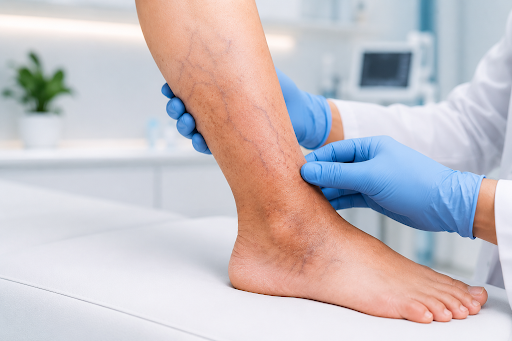
- The exam: A physical examination of the affected areas, looking at distribution, size, skin condition, and any visible signs of more significant venous disease.
- Duplex ultrasound: A painless imaging scan that maps the venous system beneath the surface. This is the step that separates a genuine vein evaluation from a quick visual check. It tells us exactly what’s driving your spider veins and whether there’s an underlying insufficiency that needs to be part of the treatment plan.
- Treatment discussion: Based on the ultrasound findings, we walk through which treatment option makes sense for your specific situation, what the process looks like, how many sessions to realistically expect, and what results you can look forward to. No pressure to commit on the first visit.
The whole appointment typically takes under an hour. You can drive yourself home, and there’s nothing to prepare or avoid beforehand. Come wearing comfortable, loose-fitting clothing that allows easy access to the legs.
After Treatment: What to Expect During Recovery
Spider vein treatment recovery is about as simple as it gets. After a sclerotherapy session, you’ll wear compression stockings for a period of time, usually a few days to a week, which helps the treated veins stay closed and reduces any bruising or tenderness.
- Walking immediately after the procedure is encouraged it activates the calf muscle pump and supports circulation
- Avoid intense exercise, hot baths, saunas, or direct sun on the treated area for about 48 hours
- Some bruising, redness, or darkening of the treated area is normal and typically resolves within a few weeks
- Treated veins may initially look slightly darker or more prominent before they begin to fade. This is expected, not a sign that anything went wrong
- Final results are usually visible within 4–8 weeks of each session
Most patients tell us the main surprise is how uncomplicated the whole thing is, both the procedure itself and the recovery. The idea that vein treatment involves something dramatic seems to persist long after the reality of modern, office-based treatment has overtaken it.
Why Bethlehem Patients Choose MVM Health for Spider Vein Treatment
There’s a difference between seeing a dermatologist or cosmetic clinic that offers vein injections as one of many services, and seeing a practice where vascular care is the dedicated focus. For spider veins, especially when they’re accompanied by symptoms or may be connected to underlying venous disease, that distinction matters.
- Board-certified vascular specialists: MVM Health’s providers hold credentials from Johns Hopkins, University of Miami, and Baylor College of Medicine. Vein care isn’t a sideline; it’s the core of the practice.
- Duplex ultrasound before every treatment plan: We don’t recommend treatment based on visual inspection alone. Imaging tells us what’s actually driving your veins, which means the plan we build for you is based on your actual anatomy, not a standard protocol.
- Full treatment menu: Sclerotherapy, laser treatment, endovenous laser ablation, radiofrequency ablation, VenaSeal. We can match the right technique to your specific situation, not offer one tool for every patient.
- Bethlehem and Lehigh Valley coverage: We serve patients across Bethlehem, Stroudsburg, King of Prussia, and the broader PA/NJ region. You don’t need to travel far for specialist-level vein care.
- Honest, pressure-free consultations: We’ll tell you what the imaging shows, explain your options clearly, and give you time to decide. If treatment isn’t the right move for you right now, we’ll say that too.
Patients who come to MVM Health for spider vein treatment in Bethlehem frequently tell us two things: they’re relieved by how simple the process was, and they wish they hadn’t waited so long to come in.
Ready to Do Something About Your Spider Veins?
MVM Health’s board-certified vascular specialists in Bethlehem offer thorough vein evaluations with same-week availability. Spider vein treatment doesn’t have to be complicated. Find out what’s possible for you.
Frequently Asked Questions About Spider Vein Treatment in Bethlehem
How do I know if I have spider veins or varicose veins?
Spider veins are small (usually under 3mm), flat, and appear in fine web-like patterns of red, blue, or purple near the skin surface. They don’t typically bulge. Varicose veins are larger, often raised or rope-like, and more likely to cause aching, heaviness, and swelling. That said, both can coexist. A duplex ultrasound is the only way to know for certain what you’re dealing with and whether there’s underlying venous disease driving the surface presentation.
Is sclerotherapy painful?
Most patients describe each injection as a brief sting or mild burning sensation a few seconds at most. The needles used are very fine. The vast majority of patients tolerate the procedure comfortably without any numbing or anesthesia. If needle sensitivity is a concern, let us know during your consultation, and we can discuss options.
How many sclerotherapy sessions will I need?
This depends on the number, size, and distribution of your spider veins. Most patients need between 2 and 4 sessions, spaced 4–6 weeks apart. After your first session and follow-up assessment, your MVM Health specialist will give you a realistic estimate of how many additional sessions are likely to complete your treatment.
Will spider veins come back after treatment?
Treated spider veins are permanently closed and won’t reopen. However, new spider veins can develop over time, particularly if the underlying risk factors (genetics, hormonal changes, prolonged standing) remain. Patients who had underlying venous insufficiency treated alongside the surface veins tend to experience fewer recurrences, which is one more reason proper evaluation before treatment matters.
Is spider vein treatment covered by insurance?
When spider veins are treated primarily for cosmetic reasons with no accompanying symptoms or underlying venous disease, treatment is generally not covered by insurance. However, if your evaluation reveals underlying venous insufficiency causing symptoms (heaviness, swelling, pain), the deeper treatment component may qualify for coverage. MVM Health works through the insurance verification process with patients before any procedure is scheduled, so you’ll know what to expect on cost before committing to anything.
How soon can I go back to work after sclerotherapy?
Most patients return to desk work the same day or the following day. Compression stockings need to be worn for a few days. You should avoid intense physical exercise and heat (saunas, hot baths, prolonged sun exposure on treated areas) for 48 hours. Beyond those guidelines, there are no significant activity restrictions.
Does MVM Health treat spider veins in Bethlehem specifically?
Yes. MVM Health has a dedicated vein treatment location serving Bethlehem and the wider Lehigh Valley area. Our board-certified vascular specialists provide comprehensive spider vein evaluations and treatment, including sclerotherapy, laser treatment, and full duplex ultrasound assessment for patients throughout Bethlehem, Stroudsburg, King of Prussia, and surrounding communities in Pennsylvania and New Jersey.