
If you’re wondering what causes varicose veins, the short answer is weak or damaged valves inside your leg veins. When those valves stop closing properly, blood flows backward and pools instead of moving up toward your heart. Over time, that pooled blood stretches the vein walls, and you end up with the bulging, twisted veins most people recognize.
But valve damage doesn’t happen randomly. Certain varicose vein risk factors make it far more likely, and some of them, like genetics, are completely out of your control. Below, we walk through all 8 major risk factors so you can get a sense of your own risk and know when it’s worth talking to a vein specialist.
This article is part of our full guide to varicose veins and venous insufficiency, where we cover symptoms, complications, and treatment in more depth. Here, we’re focusing specifically on the “why.”
Quick Answer: What Causes Varicose Veins?
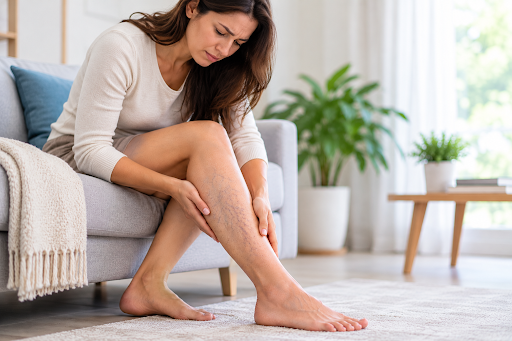
Varicose veins form when the one-way valves inside your leg veins weaken or get damaged. Normally, these valves snap shut after each heartbeat, keeping blood moving upward. When a valve fails, blood leaks backward and collects in the vein below it. The vein stretches to hold the extra volume, and that stretching is what creates the bulging, rope-like appearance on the surface of the skin.
This backward flow is called venous reflux, and it’s the underlying mechanical problem behind almost every case of varicose veins.
8 Risk Factors for Varicose Veins
1. Genetics and Varicose Veins
Family history is one of the strongest predictors of who develops varicose veins. According to the Society for Vascular Surgery, weakened vein valves and inherited vein wall weakness are among the most common contributors to chronic venous disease and varicose veins. If one parent had them, your risk is meaningfully higher. If both parents did, the odds climb even more.
Genetics and varicose veins are linked because vein wall strength and valve structure are, at least in part, inherited traits. Some people are simply born with weaker vein walls or valves that are more prone to failure under pressure. You can’t change your genetics, but knowing your family history helps you and your doctor decide how closely to monitor your veins.
2. Age
Veins lose elasticity as you get older, the same way skin does. Valves that worked fine for decades can start to wear down, especially after years of everyday standing, walking, and normal wear on your circulatory system.
Varicose veins can appear at any age, including in your twenties and thirties, but the odds increase steadily after 40.
3. Sex and Hormones
Women develop varicose veins more often than men. Hormones play a big role here. Estrogen and progesterone can relax vein walls, which makes it easier for blood to flow backward when valves are under strain.
This is part of why pregnancy, birth control use, and menopause are all associated with a higher likelihood of developing varicose veins.
4. Pregnancy
Pregnancy deserves its own mention because it combines several risk factors at once. Blood volume increases significantly, hormone levels shift, and the growing uterus puts direct pressure on the pelvic veins that drain blood from the legs.
Many women notice their first varicose veins during pregnancy. Some of these fade after delivery, but others stick around permanently, especially with each additional pregnancy.
5. Prolonged Standing or Sitting
Jobs that keep you on your feet all day, like nursing, teaching, or retail work, put continuous pressure on leg veins. The same is true in reverse for jobs that involve long periods of sitting, since your calf muscles aren’t pumping blood back up the way they do when you’re moving.
Either extreme, too much standing or too much sitting, slows circulation and adds strain to vein valves over time.
6. Obesity
Carrying extra body weight increases pressure on the veins in your legs and pelvis. This added pressure makes it harder for valves to close completely, which speeds up the development of venous reflux.
Weight management alone won’t reverse existing varicose veins, but it can reduce your risk of developing new ones and ease pressure on veins that are already struggling.
7. Previous Blood Clots or Vein Damage
A past deep vein thrombosis (DVT) or other vein injury can leave permanent scarring on the valves. Even after the clot resolves, the valve may never fully recover, which sets the stage for chronic venous insufficiency and varicose veins in that area.
If you’ve had a blood clot in the past, it’s worth mentioning to your doctor even if your current symptoms seem unrelated.
8. Lack of Movement and Physical Activity
Your calf muscles act as a secondary pump, squeezing veins with every step to help push blood back toward your heart. A sedentary lifestyle removes much of that pumping action, which allows blood to pool more easily in the lower legs.
Regular movement, even something as simple as walking for a few minutes every hour, helps support healthy circulation and takes some of the load off your vein valves.
Which Risk Factors Matter Most?
Genetics and age are the two factors you can’t influence, and together they explain a large share of who ends up with varicose veins. The rest, including weight, activity level, and prolonged standing, are things you can manage to lower your overall risk, even if they won’t guarantee you’ll never develop them.
Don’t Wait for Symptoms to Get Worse
Venous insufficiency tends to progress without treatment. The sooner you’re evaluated, the more options you have. Book a consultation with MVM Health and find out where you stand.
Having one risk factor doesn’t mean you’re guaranteed to get varicose veins, and having several doesn’t mean it’s inevitable either. It simply means your odds are higher, and it’s worth paying closer attention to early symptoms like leg heaviness or ankle swelling.
When Risk Factors Turn Into Symptoms
Risk factors explain why varicose veins happen, but they don’t tell you how serious yours are. Some people have several risk factors and only mild, cosmetic veins. Others develop noticeable pain, swelling, or skin changes fairly quickly.
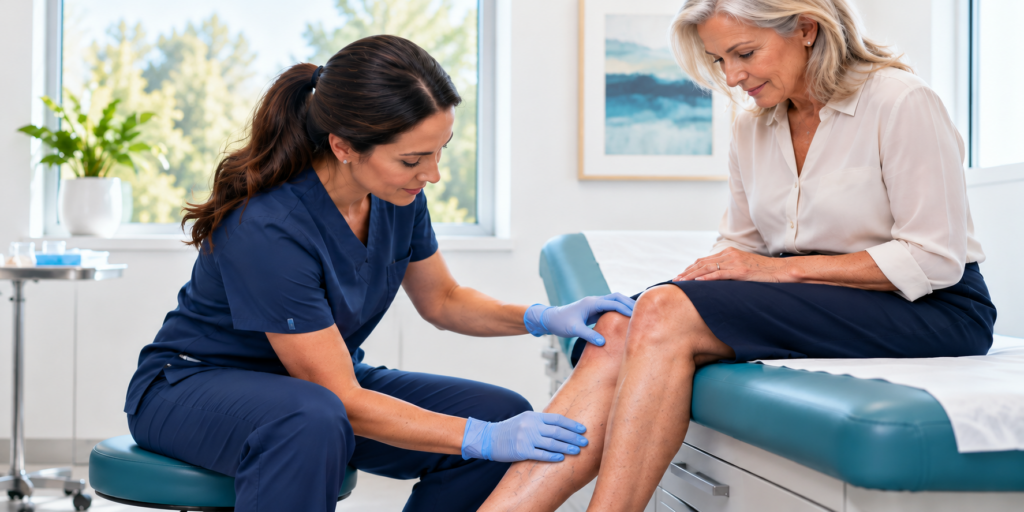
The only way to know where you stand is to have your veins evaluated. A varicose veins specialist can check for venous reflux with a simple ultrasound and tell you whether your veins are just a cosmetic concern or an early sign of venous insufficiency that needs treatment.
Treatment for Varicose Veins
Knowing your risk factors is useful, but it doesn’t undo valve damage that’s already happened. If you already have visible or symptomatic varicose veins, the next question is usually what treatment looks like.
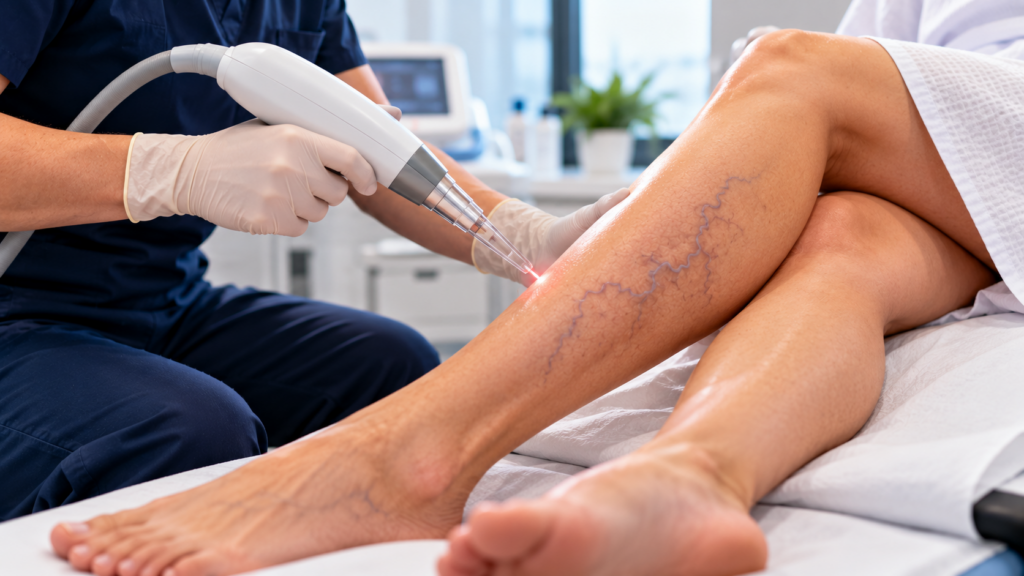
Most treatment for varicose veins today is minimally invasive and done right in the office, with no general anesthesia and little downtime. Common options include:
- Endovenous laser or radiofrequency ablation.Heat energy closes off the damaged vein so blood reroutes through healthier ones nearby.
- Sclerotherapy. A solution is injected directly into the vein, causing it to collapse and gradually fade.
- Medical adhesive closure (VenaSeal).A small amount of adhesive seals the problem vein shut.
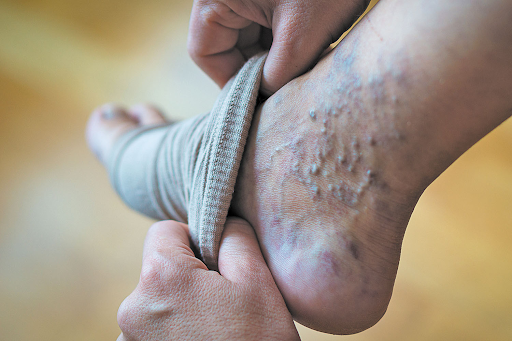
- Compression therapy. Often recommended alongside other treatments, or on its own for milder cases.
Which option makes sense depends on the size, depth, and location of the affected vein, along with how much reflux shows up on ultrasound. This is why treatment plans are built around your specific evaluation rather than a one-size-fits-all approach.
See How Many Risk Factors Apply to You
Take a moment and count how many of these 8 factors apply to your own situation. Family history, age, pregnancy, weight, activity level, and past clotting issues all add up. If several of them sound familiar, or if you’re already noticing symptoms like heaviness or swelling, it’s a good idea to get checked out sooner rather than later.
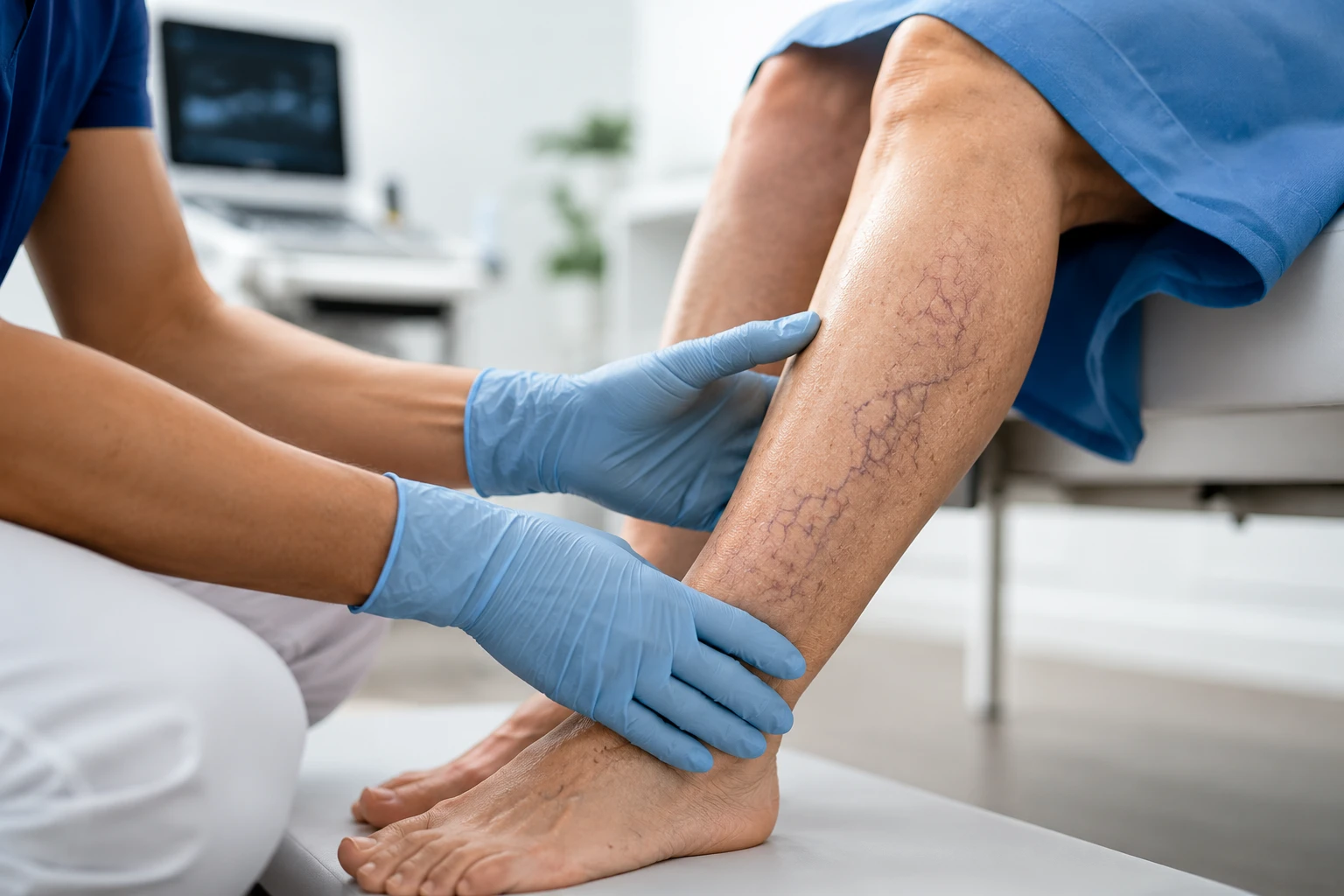
At MVM Health, our varicose veins doctor specialist team offers thorough evaluations to help you understand exactly what’s going on with your veins and what your treatment options look like. See how many risk factors apply to you. Book a vein consultation and get real answers instead of guessing.