
At some point, most people searching “vein treatment near me” aren’t just looking for the closest option on the map.
They want to know they’re going somewhere good. Somewhere that won’t just look at the surface and send them home with a pamphlet. Somewhere with doctors who actually understand veins, not just a med spa offering cosmetic treatments on the side.
That instinct is right. Vein care quality varies more than most people realize. The difference between a proper vein clinic and a facility that dabbles in vein treatment shows up in your diagnosis, your treatment plan, and ultimately your results.
This article walks through exactly what to look for and what to watch out for when choosing a vein clinic in Pennsylvania.
Why Choosing the Right Vein Clinic Actually Matters
Not every vein clinic is the same, and that difference directly affects your diagnosis, your treatment, and your results.
Here’s a practical way to think about it.
Some are run by board-certified vascular specialists focused exclusively on vein disease. Others are general or cosmetic practices that added vein removal as a side service. A clinic that treats vein disease as purely cosmetic may remove the visible veins while the underlying cause goes unaddressed. The veins come back. The symptoms continue.
A clinic worth your time should offer:
- Venous ultrasound before any treatment
- A clear explanation of what’s causing your symptoms
- A treatment plan based on your specific anatomy
- Transparent insurance support from the start
The right vein treatment near me search ends with a clinic that treats the source, not just the surface.
1. Board-Certified Vein Specialists Not Just Any Doctor
Check who is actually performing your care before booking anything. Look for:
- Certification from the American Board of Venous and Lymphatic Medicine (ABVLM)
- Board certification in vascular surgery, interventional radiology, or phlebology
- Fellowship training at an academic medical center
- Credentials clearly listed on the clinic website
At MVM Health, vein specialists hold credentials from Johns Hopkins, the University of Miami, and Baylor. If a vein clinic near me doesn’t list physician credentials clearly, that’s worth noting.
2. Diagnostic Ultrasound Is Non-Negotiable
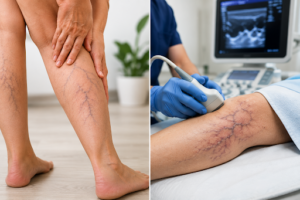
Any credible varicose vein treatment near me search should lead to a clinic that performs a venous duplex ultrasound before recommending anything. Here’s why it matters:
- Maps the veins in your legs and measures blood flow
- Identifies exactly which valves are failing
- Pinpoints the root cause, not just what’s visible on the surface
- Guides the entire treatment plan accurately
- Painless, takes 20 to 30 minutes, no needles or dye
If a clinic skips this step and jumps straight to treatment, that’s a red flag.
Finding the Right Vein Clinic Near You in Pennsylvania
The right clinic is out there. You’re looking for board-certified specialists, diagnostic ultrasound as standard practice, a full range of treatment options, transparent insurance support, and a team that treats you like a patient rather than a booking. MVM Health meets all of those criteria across multiple Pennsylvania locations. Same-week appointments are available for new patients. No referral is needed.
3. They Treat the Cause, Not Just the Surface
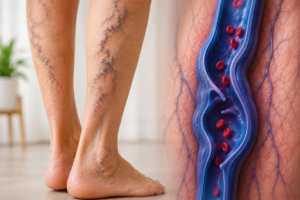
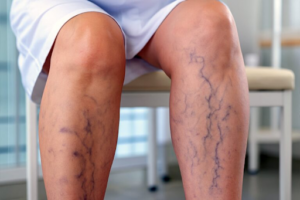
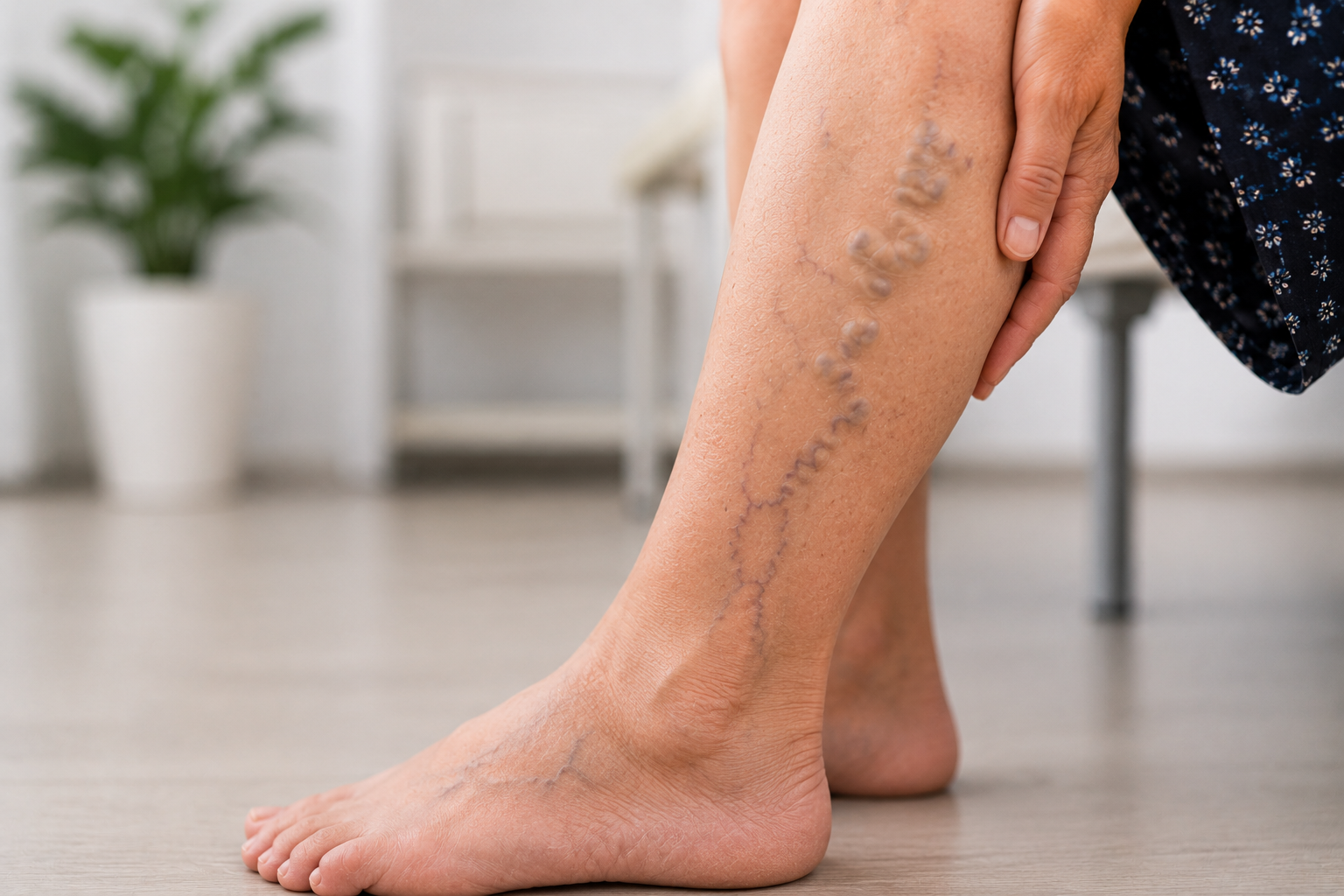
Visible varicose veins are usually a symptom of a deeper problem valve failure in the great saphenous vein. A good clinic addresses this properly:
- Radiofrequency ablation or laser ablation closes the deeper failing vein first
- Sclerotherapy or microphlebectomy treats residual surface veins after
- Each step is explained clearly before treatment begins
- Results last because the source is fixed, not just the symptoms
If a clinic jumps straight to sclerotherapy for large varicose veins without checking for a deeper issue, ask why.
4. A Range of Treatment Options Under One Roof
A well-equipped vein clinic should be able to offer the full range of current, minimally invasive treatments. These include:
Radiofrequency Ablation (RFA) is the gold standard for treating venous insufficiency in larger veins. A catheter delivers radiofrequency energy inside the vein, sealing it shut from the inside. Done in office, typically under an hour, with same-day discharge.
Endovenous Laser Ablation (EVLA) : Similar to RFA but uses laser energy. Some vein anatomies respond better to laser; your specialist can advise which is more appropriate based on your ultrasound.
Sclerotherapy : The standard treatment for spider veins and smaller varicose veins. A solution injected into the vein causes it to scar and fade over several weeks. Quick, in-office, no anesthesia required.
Foam Sclerotherapy : A variation where the sclerosant solution is mixed with air to create a foam. Used for slightly larger veins where standard sclerotherapy may not be sufficient.
Microphlebectomy : Small surface varicose veins that are too large for sclerotherapy are removed through tiny incisions made directly over the vein. Minimal scarring, no stitches required.
Compression Therapy : Not a standalone treatment, but an important part of the management plan both before and after procedures.
If a clinic only offers one or two of these options, they may be steering every patient toward whatever they know best rather than what’s actually most appropriate for each case.
5. Transparent Insurance and Billing Process
A lot of people put off vein treatment near me searches because they assume the cost will be prohibitive. That assumption is often wrong but only if you’re working with a clinic that handles insurance properly.
Varicose vein treatment and the treatment of chronic venous insufficiency is medically necessary care in most cases. That means it’s covered by most major insurance plans, including Medicare, when specific criteria are met. Those criteria typically include documented symptoms like pain, swelling, or skin changes, evidence of valve failure on ultrasound, and a trial period of compression therapy.
A reputable vein clinic will verify your insurance benefits before scheduling any procedure. They’ll tell you upfront what is and isn’t covered, what your out-of-pocket costs look like, and whether a prior authorization is required. You shouldn’t have to figure this out yourself.
If a clinic is vague about costs or pushes you toward treatment before discussing insurance, slow down.
6. Clear Communication and No Pressure
This one is harder to measure but easy to feel.
A good vein specialist explains what they found on your ultrasound in plain language. They tell you which veins are affected, what’s causing your symptoms, and what your options are. They give you time to ask questions. They don’t push you to book treatment at the same visit if you want time to think.
Some clinics operate more like sales environments, especially those with a cosmetic focus. They may recommend more treatment than you actually need, frame everything as urgent, or make you feel like you’re missing out if you don’t proceed immediately.
A trustworthy vein specialist near me should feel like a medical consultation, not a sales pitch. If something feels off about the way a clinic communicates, trust that feeling.
7. Convenient Locations Across Pennsylvania
Distance is a real factor. A lot of people in Pennsylvania, especially outside major metro areas, assume that specialized vein care requires a long drive to Philadelphia or Pittsburgh. That’s not the case.
MVM Health has vein clinic locations across Pennsylvania serving patients who are looking for quality vein treatment near me without the commute. Locations include areas serving the Main Line and King of Prussia, Bethlehem and the Lehigh Valley, East Stroudsburg and the Pocono region, and Reading and Berks County.
Each location offers the same standard of care: board-certified specialists, diagnostic ultrasound, full range of minimally invasive treatments, and dedicated insurance support.
8. Follow-Up Care After Treatment
Treatment doesn’t end when you walk out of the procedure room.
After ablation or sclerotherapy, follow-up visits and sometimes additional ultrasound imaging are needed to confirm the treated vein has closed properly and that blood is flowing correctly through the remaining veins. Some patients need a second round of sclerotherapy for residual spider veins. Others develop new small veins over time and benefit from periodic monitoring.
A clinic that doesn’t offer or encourage follow-up care after vein treatment is skipping an important part of the process. Ask about the follow-up protocol before committing to treatment anywhere.
Red Flags to Watch For
While most clinics operate professionally, a few warning signs are worth knowing:
- No ultrasound before treatment. A non-starter. Any vein treatment plan without diagnostic imaging is not based on an accurate diagnosis.
- Pressure to start treatment immediately. Varicose veins are rarely an emergency. A specialist who pushes you to book procedures at the first visit without giving you time to think deserves scrutiny.
- Vague or evasive answers about credentials. Any reputable physician will have their training and board certifications clearly listed. If that information is hard to find, ask directly.
- One-size-fits-all treatment plans. Every patient’s vein anatomy is different. A clinic that recommends the same procedure for everyone isn’t doing individualized care.
- No discussion of insurance coverage. If a clinic doesn’t bring up insurance until after they’ve already scheduled your procedure, that’s a problem.
Questions to Ask Before Booking at Any Vein Clinic
These are worth having ready for your first call or consultation:
- What are the credentials and board certifications of the treating physician?
- Do you perform a venous duplex ultrasound before recommending treatment?
- What treatments do you offer, and how do you decide which is appropriate for each patient?
- Do you accept my insurance, and can you verify my benefits before the procedure?
- What does follow-up care look like after treatment?
- How many of these procedures does the clinic perform each month?
A good clinic will answer all of these without hesitation.
Frequently Asked Questions
How do I know if my vein treatment will be covered by insurance? Most insurance plans cover vein treatment when there are documented medical symptoms and evidence of venous insufficiency on ultrasound. A reputable clinic will verify your benefits before scheduling any procedure. Medicare coverage follows similar criteria.
What’s the difference between a vein clinic and a med spa offering vein removal? A vein clinic focused on vascular medicine employs physicians specifically trained in diagnosing and treating venous disease. A med spa may offer cosmetic vein removal using lasers or sclerotherapy, but typically doesn’t perform diagnostic ultrasound or treat the underlying venous insufficiency driving the problem.
Is vein treatment painful? Most patients describe minimal discomfort. Ablation procedures use local anesthesia. Sclerotherapy involves fine needles and is generally well tolerated. Post-procedure soreness is typical for a few days but manageable with over-the-counter pain relief.
How many visits will I need? It depends on the extent of the condition. Some patients complete treatment in one or two visits. Others with more significant venous insufficiency may need multiple sessions of sclerotherapy spread over several weeks. Your specialist will give you a realistic timeline after the ultrasound.
Can I drive myself to and from vein treatment? For most procedures, yes. Ablation and sclerotherapy are done under local anesthesia and don’t require sedation, so most patients drive themselves home without issue.