
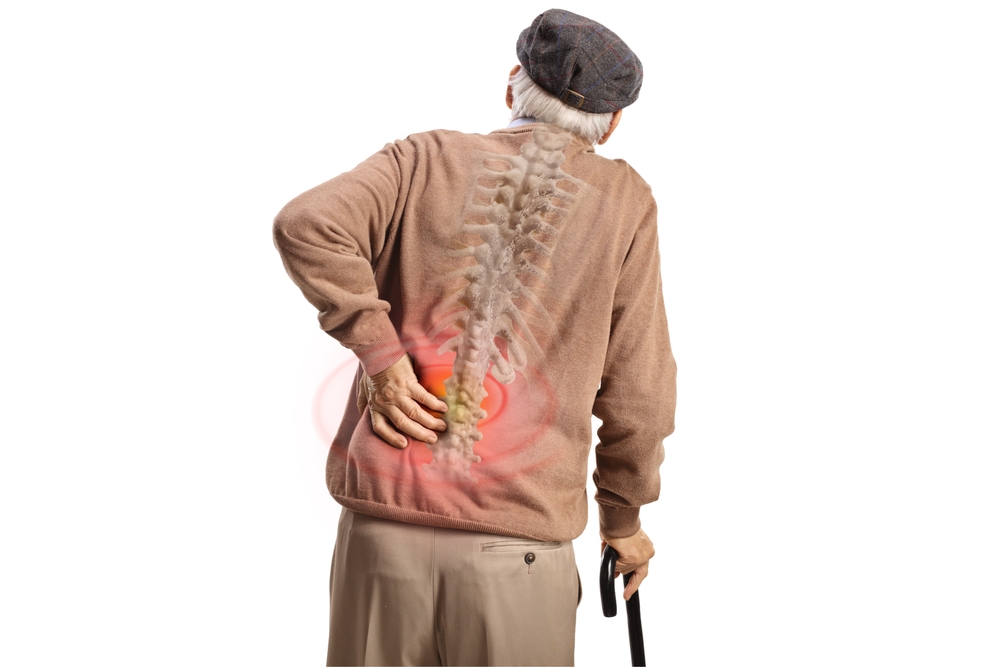
For some people with chronic back pain, a cane can reduce strain on the spine, improve balance, and make walking more manageable. It’s a support tool, not a treatment. It works best when it’s matched to the actual cause of your pain and used with the correct technique, so it’s worth checking with a healthcare provider before relying on one long-term.
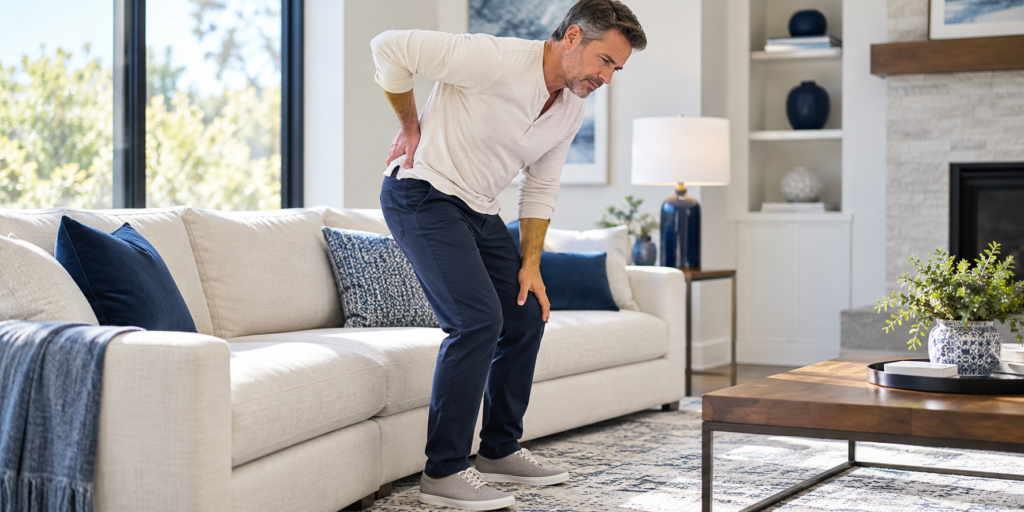
Chronic back pain affects millions of people worldwide and can chip away at daily activities most people take for granted, walking to the mailbox, standing in line at the store, getting up from a chair without wincing. A cane is one of the more practical, low-cost tools available for managing that pain and staying mobile. This guide covers how canes help, the different types available, and how to use one correctly so it actually supports your back instead of straining it further.
What Is Chronic Back Pain?
Chronic back pain is pain that persists for 12 weeks or longer, even after the original injury or cause has been treated. It can come from degenerative disc disease, herniated discs, spinal stenosis, or other musculoskeletal conditions. Over time, this kind of persistent pain often leads to reduced mobility, muscle weakness, and a general decline in physical function, which is exactly where a mobility aid like a cane can help.
How a Cane Helps With Back Pain
A cane does not fix the underlying cause of back pain, but used correctly, it can make a real difference in daily comfort. Here’s how:
- Transfers weight away from the spine. Pressing down on a cane shifts a portion of your body weight through the cane and into the floor instead of through your lower back with every step.
- Improves balance. A cane adds a third point of contact with the ground, widening your base of support and reducing the risk of a fall.
- Supports better posture. Many people with chronic back pain unconsciously lean or twist to favor one side. A properly used cane helps counteract that pattern rather than reinforce it.
- Makes movement less intimidating. Knowing you have extra support can reduce the fear of falling, which in turn makes people more willing to stay active.
Types of Canes for Back Pain
Not all canes serve the same purpose. Choosing the right one depends on how much support and stability you actually need.
Standard canes have a single point of contact with the ground. They work well for people who need mild, general support and don’t have significant balance concerns.
Quad canes have a wider base with four points of contact. They offer more stability and are typically recommended for people with more pronounced balance issues or neurological involvement.
Offset canes have a handle positioned slightly off-center from the shaft. This design centers your body weight more directly over the base of the cane, which is helpful for people who need moderate, consistent support.
Folding canes collapse for storage and travel. They’re a practical option for people who only need support occasionally or who want something easy to stow in a car or bag.
Ready to Find Out What’s Causing Your Pain?
Our pain specialists evaluate the source of your symptoms and create a personalized treatment plan designed around your condition.
How to Use a Cane Effectively
Using a cane the wrong way can add strain instead of relieving it. A few key points make the difference:
- Get the height right. The handle should sit level with your wrist when your arm hangs relaxed at your side. A cane that’s too long or too short changes your posture and can create new strain in the shoulder or lower back.
- Hold it on the opposite side of your pain. If your pain or weakness is on your left side, hold the cane in your right hand. This lets the cane and your weaker leg move together, which distributes weight more evenly.
- Move the cane with the opposite leg. Step forward with the cane at the same time as the leg on the painful side, then step through with your other leg. This coordinated rhythm helps maintain balance and takes pressure off the lower back.
- Keep your posture upright. Avoid leaning heavily on the cane or hunching forward. The cane should offer light support, not bear most of your weight, unless a physical therapist has specifically instructed otherwise.
Is a Cane Right for You?
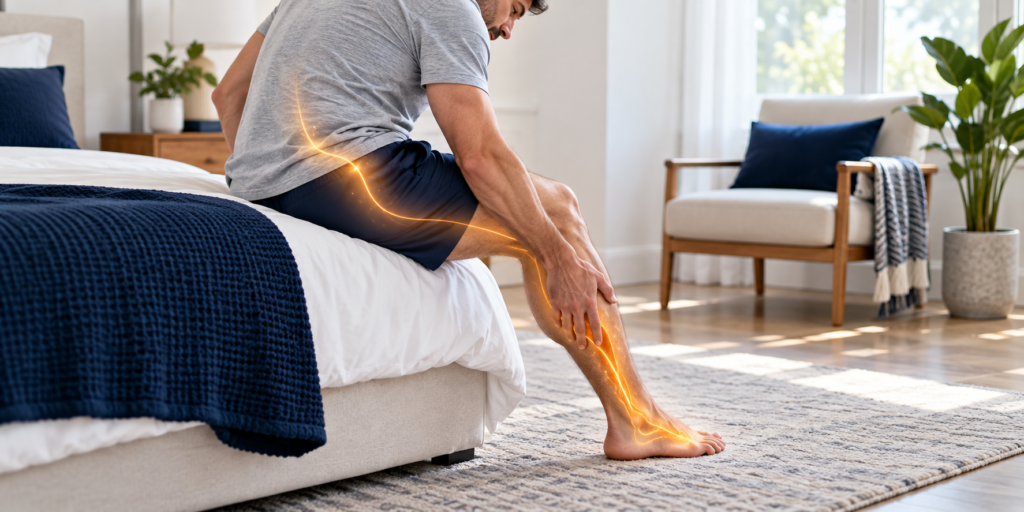
A cane tends to help most when back pain or weakness affects primarily one side of the body, such as sciatica running down a single leg. If pain affects both sides fairly equally, a different mobility aid, like a walker, may offer more stability. Because the right choice depends on the underlying cause of your pain, it’s worth having that conversation with a healthcare provider rather than guessing based on what’s available at the pharmacy.
Frequently Asked Questions
Can a cane actually help with chronic back pain?
Yes, for many people. A cane can reduce the load on the spine, improve balance, and make walking less painful. It works as a support tool alongside treatment, not as a replacement for addressing the underlying cause of the pain.
Which hand should I hold my cane in for back pain?
Hold the cane in the hand opposite your pain or weakness. If your pain is on the left side, use your right hand. This allows the cane and your weaker leg to move in sync, which distributes weight more evenly with each step.
What type of cane is best for lower back pain?
It depends on how much support you need. A standard cane works well for mild support, while a quad cane offers more stability for people with significant balance concerns. An offset cane can help center weight over the shaft for those needing moderate, steady support.
Is it bad to rely on a cane for back pain long-term?
Not inherently, but a cane should be part of a broader plan rather than a stand-alone fix. Long-term reliance on a cane without addressing the underlying cause of chronic back pain can allow the condition to progress. A pain specialist can help determine whether a cane is a short-term aid or a longer-term part of your care plan.
When should I see a doctor instead of just using a cane?
See a healthcare provider if your back pain has lasted 12 weeks or longer, if it’s paired with numbness, tingling, or weakness, or if it’s limiting your ability to do daily activities. A cane can support you in the meantime, but persistent pain deserves a proper evaluation to identify the cause.
Chronic back pain can be debilitating, but a cane offers a practical, accessible way to improve mobility and reduce strain while you address the underlying cause. Used with the right type and correct technique, it can meaningfully improve stability, comfort, and confidence day to day.
If persistent back pain is affecting your life, consult a healthcare professional to find out whether a cane, or another form of treatment, is the right next step for you. Are Headaches Considered Chronic Pain?