


Most back pain is not an emergency. But certain serious back pain symptoms, including numbness in the groin or inner thighs, loss of bladder or bowel control, fever with spine pain, unexplained weight loss, or pain that started after a significant fall, mean you should seek medical evaluation right away.
These signs point toward conditions like nerve compression, infection, or spinal instability that need prompt diagnosis. Recognizing them early can prevent permanent damage.
This guide walks through exactly which symptoms fall into that category, why they matter, and what an evaluation looks like across Pennsylvania.
Why Pain Intensity Alone Doesn’t Tell You Much
One of the biggest misconceptions about back pain is that the worst pain must mean the worst problem. In practice, that’s not how it works.
A muscle spasm from lifting a heavy box can feel just as brutal, sometimes worse, than the early stages of a herniated disc pressing on a nerve. Meanwhile, some genuinely dangerous conditions, like early spinal infections or slow-growing tumors, can start with pain that’s mild or moderate.
This is exactly why clinicians rely on a specific set of warning signs, often called red flags, rather than pain scores alone. A peer-reviewed review of low back pain guidelines identified dozens of red flag symptoms clustered around four categories: malignancy, fracture, cauda equina syndrome, and infection.
Knowing which category a symptom falls into helps determine how quickly you need to be seen.
The Serious Back Pain Symptoms That Warrant Prompt Evaluation
Not every ache needs a same-day appointment. But the following symptoms, especially in combination with back pain, are the ones physicians treat as genuine warning signs.
Neurological Red Flags
Numbness or tingling that spreads down one or both legs is often the first sign patients notice, and it’s a pattern covered in more depth in our guide on burning and tingling nerve pain in Bethlehem, PA.
- Numbness or tingling that spreads down one or both legs
- Progressive weakness in the leg, foot, or ankle
- Difficulty walking on your heels or toes
- Loss of reflexes on one side compared to the other
Cauda Equina Warning Signs (True Emergency)
- Numbness in the groin, inner thighs, or saddle area
- New loss of bladder or bowel control
- Sudden weakness in both legs
- Sexual dysfunction that started alongside back pain
Infection-Related Red Flags
- Fever or chills accompanying back pain
- Back pain following a recent surgery, dental procedure, or serious illness
- A weakened immune system, active cancer treatment, or intravenous drug use history
- Pain that’s worse at rest and doesn’t ease with position changes
Cancer-Related Red Flags
- Unexplained weight loss alongside back pain
- Pain that persists at night and interrupts sleep
- A personal history of cancer, even years earlier
- Pain that doesn’t respond to typical conservative treatment after several weeks
Fracture-Related Red Flags
- Back pain following a fall, car accident, or direct trauma
- A history of osteoporosis or long-term steroid use
- Sudden, severe pain with no clear triggering movement
- Pain in older adults after even minor trauma
Any one of these on its own is worth mentioning to a provider. Several together, especially cauda equina symptoms, mean you shouldn’t wait for a routine appointment.
Serious Back Pain vs. Common Back Pain: A Quick Comparison
| Feature | Serious Back Pain (Red Flag Present) | Common Mechanical Back Pain |
| Onset | Sudden, often after trauma, or gradually worsening over weeks | Usually tied to a specific movement, lift, or activity |
| Pain pattern | Constant, present at rest and at night | Eases with rest, worsens with specific movements |
| Associated symptoms | Fever, weight loss, numbness in groin/legs, bladder or bowel changes | Muscle tightness, localized soreness, mild stiffness |
| Neurological signs | Progressive weakness, spreading numbness, reflex changes | Rare, usually absent |
| Response to rest | Little to no improvement, sometimes worse | Noticeable improvement within days |
| Typical duration | Persists or worsens beyond two to four weeks | Improves within two to six weeks |
| Recommended action | Prompt medical evaluation, sometimes same-day | Conservative care, evaluation if it lingers |
If your symptoms line up more with the left column than the right, that’s a signal to move evaluation higher on your priority list.
Care Tip: Keep a simple symptom log for two or three days, noting when the pain is worse, what triggers it, and whether numbness or weakness comes and goes. This makes a real difference during your first visit.
What Actually Causes These Warning Signs
Serious back pain symptoms usually trace back to a nerve, an infection, or a structural problem in the spine itself.
- Nerve Root Compression: From a herniated disc or spinal stenosis. This produces the radiating pain, numbness, and weakness pattern seen in conditions like lumbar radiculopathy.
- Cauda Equina Syndrome: Happens when the bundle of nerves at the base of the spinal cord gets compressed, usually from a large disc herniation. It’s treated as a surgical emergency.
- Spinal Infections: Uncommon, but can develop after surgery, dental procedures, or in people with weakened immune systems.
- Vertebral Compression Fractures: More common in older adults, especially those with osteoporosis or long-term steroid use.
- Metastatic Spread: Cancer elsewhere in the body can sometimes present first as unexplained back pain, particularly when it’s worse at night.
Each of these has a different treatment path. That’s exactly why an accurate diagnosis matters more than guessing based on symptoms alone.
This is exactly why clinicians rely on a specific set of warning signs, often called red flags, rather than pain scores alone. If you’re dealing with ongoing discomfort that hasn’t crossed into red-flag territory yet, it’s worth understanding the full range of back pain treatment options in Pennsylvania before symptoms progress.
When to Go to the ER vs. Schedule an Appointment
This distinction trips people up more than any other part of back pain evaluation.
Go to the emergency room immediately if you have any signs of cauda equina syndrome (numbness in the groin or saddle area, new bladder or bowel loss, sudden bilateral leg weakness). The same applies if back pain is paired with fever, confusion, or signs of a serious infection.
Schedule a prompt appointment, ideally within a day or two, if you notice unexplained weight loss with back pain, pain that doesn’t improve or worsens after two weeks, or progressive numbness or weakness in one leg. A fall in someone over 50 also warrants a quick visit.
Conservative, at-home care is usually reasonable for pain tied to a specific activity. This works when there’s no fever, numbness, weakness, or bladder or bowel changes, and symptoms start improving within the first week.
How Providers Across Pennsylvania Evaluate Serious Back Pain
A proper evaluation for suspected serious back pain typically follows a structured process rather than jumping straight to imaging:
- A detailed history covering when the pain started, what triggered it, associated symptoms, and relevant medical history
- A physical exam checking reflexes, strength, sensation, and specific maneuvers like the straight leg raise test
- Screening for red flags, including questions about fever, weight loss, bladder or bowel changes, and cancer history
- Imaging when indicated, such as X-rays for suspected fracture or MRI when nerve compression, infection, or malignancy is suspected
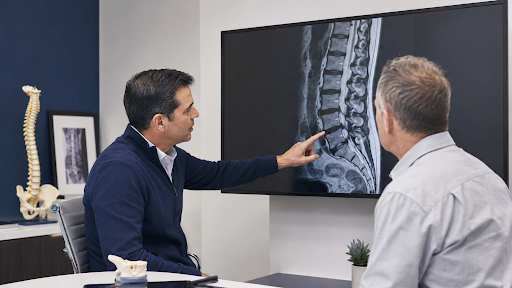
Not every patient needs immediate imaging. MRI is typically considered when red flags are present, neurological symptoms progress, or symptoms fail to improve with conservative care.
If your symptoms point toward a specific nerve-related pattern rather than a general red flag, it’s worth reading about lumbar radiculopathy symptoms and treatment in PA.
What Happens If a Red Flag Is Confirmed
Getting flagged for further evaluation doesn’t automatically mean a serious diagnosis. Most red flag symptoms, when investigated, turn out to have a manageable explanation.
Still, the next steps generally include:
- Targeted imaging based on the suspected cause
- Bloodwork if infection or inflammatory causes are suspected
- Referral to a specialist for nerve-related, orthopedic, or oncologic evaluation when indicated
- A treatment plan built around the confirmed diagnosis rather than symptoms alone

For cauda equina syndrome specifically, timing matters enormously. Nerve damage from prolonged compression can become permanent, which is why this presentation is treated as a same-day surgical priority.
Everyday Habits That Support a Healthy Spine
While red flag conditions aren’t always preventable, general spine health lowers the overall burden on your back and can reduce how often pain flares up:
- Practicing proper lifting technique, bending at the knees rather than the waist
- Maintaining a healthy body weight to reduce load on the lumbar spine
- Staying active with low-impact movement rather than prolonged bed rest
- Addressing bone health early, especially with a family history of osteoporosis
- Not ignoring back pain that comes with fever, unexplained weight loss, or trauma, even if the pain itself feels mild
Schedule Your Back Pain Evaluation
If any of these serious back pain symptoms sound familiar, don’t wait for them to resolve on their own. MVM Health providers across Pennsylvania offer a structured evaluation to get you a clear answer.