
Sclerotherapy permanently closes the specific spider veins that are treated. Once a treated vein collapses and is absorbed by the body, it doesn’t come back. However, sclerotherapy doesn’t prevent new spider veins from forming elsewhere, since factors like genetics, age, hormones, and prolonged standing or sitting can cause new veins to develop over time. So while the results on treated veins are permanent, some patients choose follow-up sessions years later to address new veins as they appear.
If you’ve been searching “sclerotherapy near me” because you’re tired of covering up spider veins on your legs, you’ve probably also wondered: is this actually permanent, or am I going to be back here again in a year? It’s one of the most common questions our patients ask before starting sclerotherapy for spider veins, and it’s a fair one nobody wants to go through a treatment just to watch the problem creep back.
The honest answer is a little more nuanced than a simple yes or no, so let’s walk through exactly what happens to a treated vein, why new ones can show up later, and what you can realistically expect from results both right after treatment and years down the road.
What Sclerotherapy Actually Does to a Spider Vein
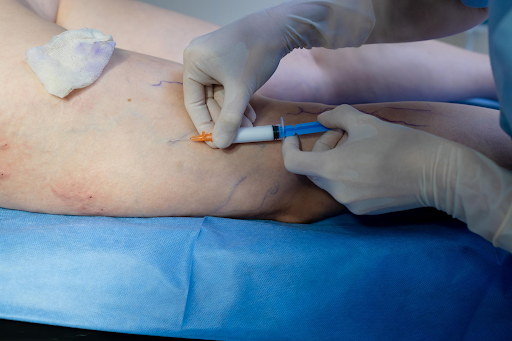
Sclerotherapy works by injecting a small amount of a solution directly into the affected vein. That solution irritates the inner lining of the vein, causing it to swell, stick together, and eventually close off completely. Once a vein is closed, blood can no longer flow through it. Over the following weeks, your body naturally reabsorbs the closed vein, and it fades from view.
This is why sclerotherapy is considered a permanent solution for the specific veins that are treated. The vein isn’t “repaired” or temporarily shrunk it’s closed off entirely and rerouted out of your circulation. Blood that used to flow through that vein simply travels through nearby healthy veins instead, which is a normal and harmless redistribution.
So if you’re asking whether a treated spider vein will eventually reopen or “come back,” the answer is no. Once it’s gone, it’s gone.
So Why Do Some People Get Spider Veins Again After Treatment?
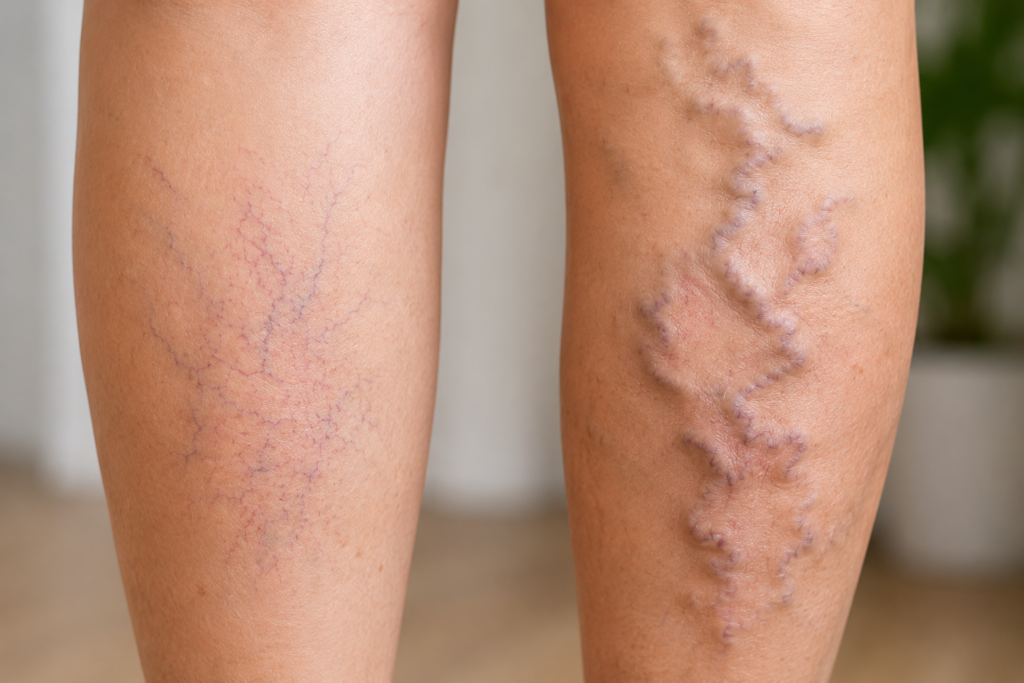
This is where the confusion usually comes from, and it’s an important distinction. When people see spider veins reappear after sclerotherapy, in almost all cases what’s actually happening is that new spider veins are forming, not that the old, treated ones are returning.
Spider veins develop because of underlying factors that don’t disappear just because one vein was treated. These include:
Genetics. If spider veins run in your family, your vein walls and valves may simply be more prone to developing them over time, regardless of past treatment.
Age. As we get older, vein walls naturally lose some elasticity, making new spider veins more likely to form, especially after age 40.
Hormonal changes. Pregnancy, hormonal birth control, and menopause can all affect vein walls and increase the likelihood of new spider veins appearing.
Prolonged sitting or standing. Jobs or habits that involve long hours on your feet or in a chair increase pressure in the leg veins, which can contribute to new vein formation over time.
Sun exposure. For spider veins on the face, repeated sun exposure can damage small blood vessels near the skin’s surface and contribute to new ones forming.
Weight changes. Significant weight gain increases pressure on leg veins, which can play a role in new spider veins developing.
In other words, sclerotherapy treats the veins that exist today it doesn’t change the underlying tendency your body has to develop new ones in the future. Think of it less like “curing” spider veins permanently across your whole body, and more like permanently removing the ones that are currently bothering you.
What Results Actually Look Like After Sclerotherapy
Right after treatment, it’s normal for the treated area to look slightly red, bruised, or raised for a few days to a couple of weeks. This is part of the healing process, not a sign that something went wrong.
Ready to Address Your Spider Veins?
Don’t let spider veins affect your confidence any longer. At MVM Health, our vein specialists provide personalized evaluations and minimally invasive treatment options designed to deliver lasting results. Book your appointment today.
Over the following weeks, the treated veins gradually fade. Smaller spider veins often respond within three to six weeks, while larger veins can take three to four months to fully disappear. Some veins respond fully after a single session, while others, particularly larger or more stubborn ones, may need a second or third treatment spaced several weeks apart for the best result.
Once a treated vein has faded, it stays faded. Patients often tell us they’re surprised, years later, that the specific veins treated never returned, which lines up with exactly how the procedure works.
How Long Do Sclerotherapy Results Typically Last?
For the veins that are treated, results are considered permanent; there’s no “wearing off” period. What varies from person to person is how long it takes before new spider veins might appear elsewhere, and that depends heavily on the underlying factors mentioned above.
Some patients go many years without needing any additional treatment. Others, particularly those with a strong family history or jobs that involve a lot of standing, may notice new spider veins developing within a few years and choose to come in for a quick touch-up session. Either way, this isn’t a failure of the original treatment; it’s simply new veins forming, which sclerotherapy can address again if and when it happens.
Can You Prevent New Spider Veins From Forming?
While you can’t change genetics or aging, there are steps that can help reduce your risk of developing new spider veins after sclerotherapy:
- Wearing compression stockings, especially during long periods of standing or sitting
- Taking movement breaks throughout the day to keep blood flowing
- Elevating your legs when resting, particularly after a long day on your feet
- Maintaining a healthy weight to reduce pressure on leg veins
- Using sunscreen on areas prone to facial spider veins
- Staying active with regular walking or low-impact exercise
None of these guarantee you’ll never develop another spider vein, but they can meaningfully reduce how quickly new ones appear.
Is Sclerotherapy the Right Treatment for Your Spider Veins?
Sclerotherapy is most commonly used for spider veins and small varicose veins on the legs, and it’s also used for spider veins on the face in some cases. It’s a quick, well-tolerated, in-office procedure that doesn’t require any downtime for most people; many patients return to normal activities the same day, aside from avoiding intense exercise or hot baths for a short period afterward.
That said, not every visible vein is the same. Sometimes what looks like a network of spider veins is actually being “fed” by a larger underlying vein with a faulty valve. If that’s the case, treating only the surface spider veins without addressing the feeding vein can lead to the appearance of veins returning more quickly because the underlying source of pressure was never addressed.
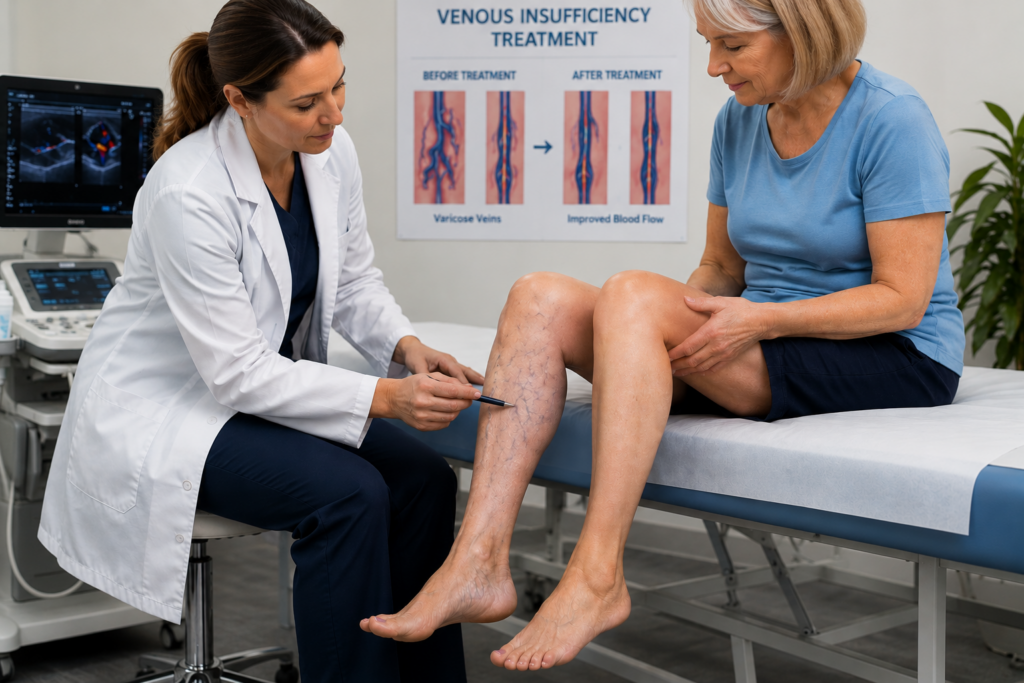
This is exactly why an evaluation before treatment matters. A quick ultrasound assessment can determine whether your spider veins are isolated or connected to a larger vein issue, which makes a real difference in how long your results last and whether sclerotherapy alone is the right approach.
Finding Sclerotherapy Near Me in Pennsylvania
If you’ve been typing “sclerotherapy near me” into a search bar, the good news is that this is one of the more accessible vein treatments out there but the provider you choose matters more than people often realize. A proper evaluation, the right injection technique, and appropriate follow-up all affect how well your results hold up over time.
At MVM Health, our vascular team offers sclerotherapy for spider veins across all of our Pennsylvania locations, starting with a thorough evaluation to map out exactly what’s going on beneath the surface. That way, you’re not just treating what’s visible; you’re addressing the actual source of the problem, which gives your results the best chance of lasting.
A Patient-First Approach Across Pennsylvania
Our providers bring training from some of the most respected medical institutions in the country to every evaluation, no matter which of our Pennsylvania locations you visit. We walk you through exactly what’s happening with your veins, set realistic expectations for your results, and follow up to make sure your treatment plan is actually working, not just for today, but for years down the road.
Frequently Asked Questions
Does sclerotherapy permanently remove spider veins?
Yes, for the specific veins that are treated. Once a vein closes from sclerotherapy, it’s absorbed by the body and doesn’t come back. New spider veins can still form elsewhere over time due to genetics, age, or other factors, but the treated veins themselves are permanently gone.
How many sclerotherapy sessions are needed for spider veins?
It depends on the size and number of veins being treated. Many smaller spider veins respond to a single session, while larger or more numerous veins may need two to three sessions spaced several weeks apart for the best results.
Is sclerotherapy painful?
Most people describe sclerotherapy as causing only mild discomfort, often compared to a small pinch or brief stinging sensation during the injection. The procedure is generally well-tolerated and doesn’t require anesthesia.
How soon will I see results after sclerotherapy?
Smaller spider veins typically begin fading within three to six weeks, while larger veins can take three to four months to fully disappear. Results continue to improve gradually during this time.
Can spider veins come back in the same spot after sclerotherapy?
No. Once a vein is closed and reabsorbed by the body, it doesn’t reopen or “come back” in that same spot. Any new veins that appear nearby are separate veins that have formed independently.
Is there downtime after sclerotherapy for spider veins?
Most patients return to normal daily activities the same day. You may be advised to avoid intense exercise, hot baths, and direct sun exposure on the treated area for a short period while it heals.
Will insurance cover sclerotherapy for spider veins?
Sclerotherapy for purely cosmetic spider veins is often not covered by insurance, while treatment for larger veins causing symptoms like pain or swelling may be covered when medically necessary. An evaluation can help clarify what applies to your specific situation.
What’s the difference between spider veins and varicose veins when it comes to treatment?
Spider veins are small, thin, and close to the skin’s surface, often treated with sclerotherapy alone. Varicose veins are larger, bulging, and sometimes connected to a deeper vein with a faulty valve, which may require additional treatments like endovenous ablation alongside or instead of sclerotherapy.