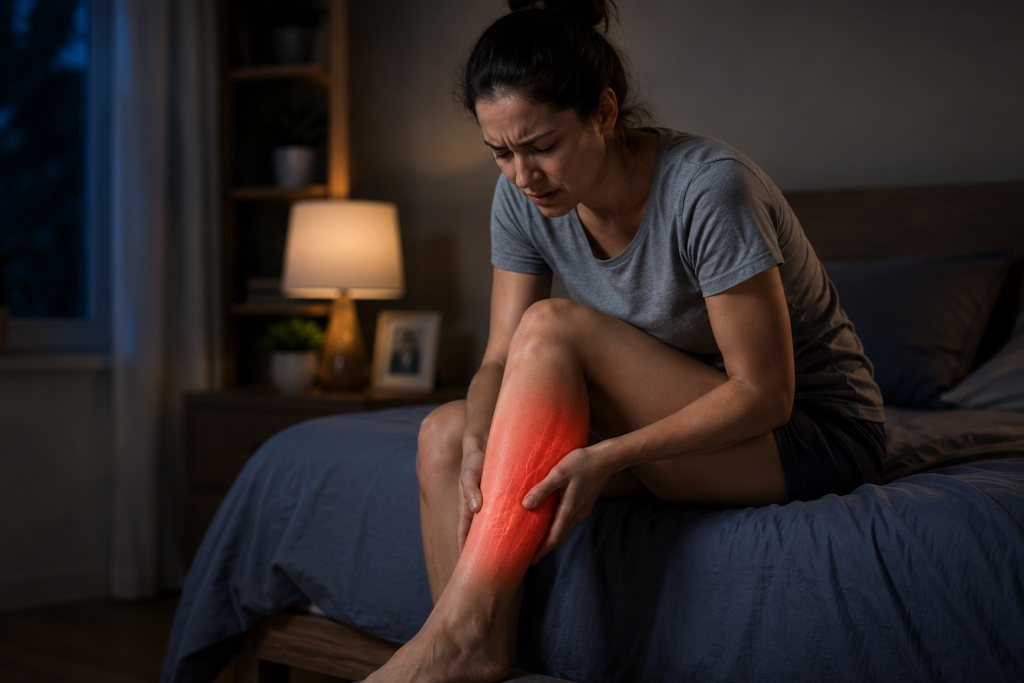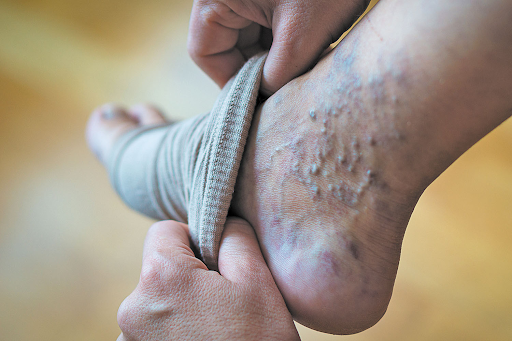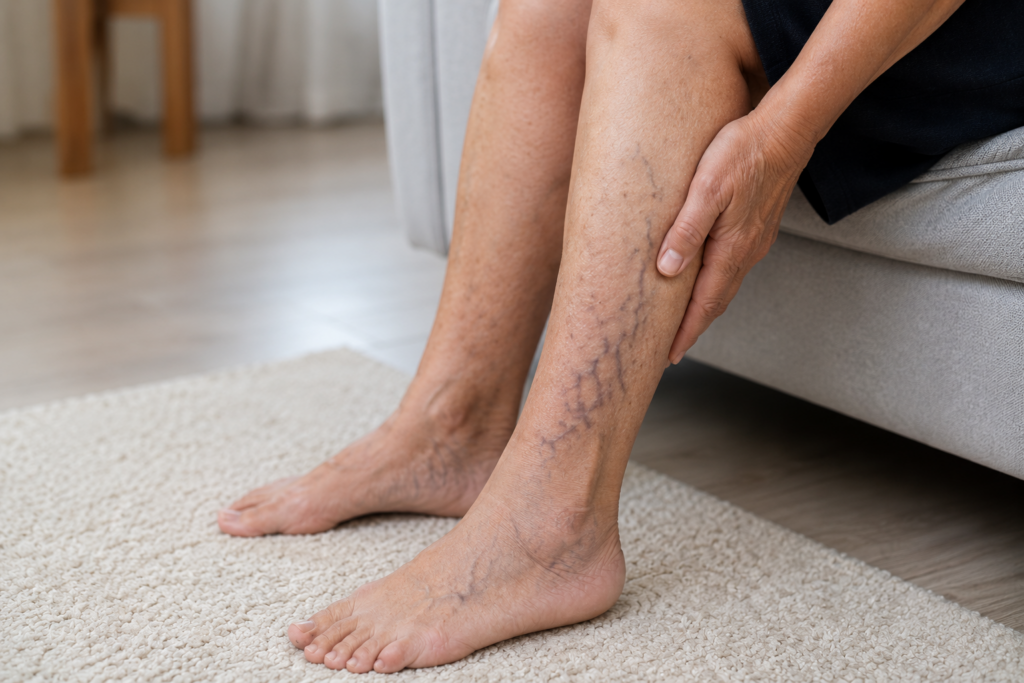

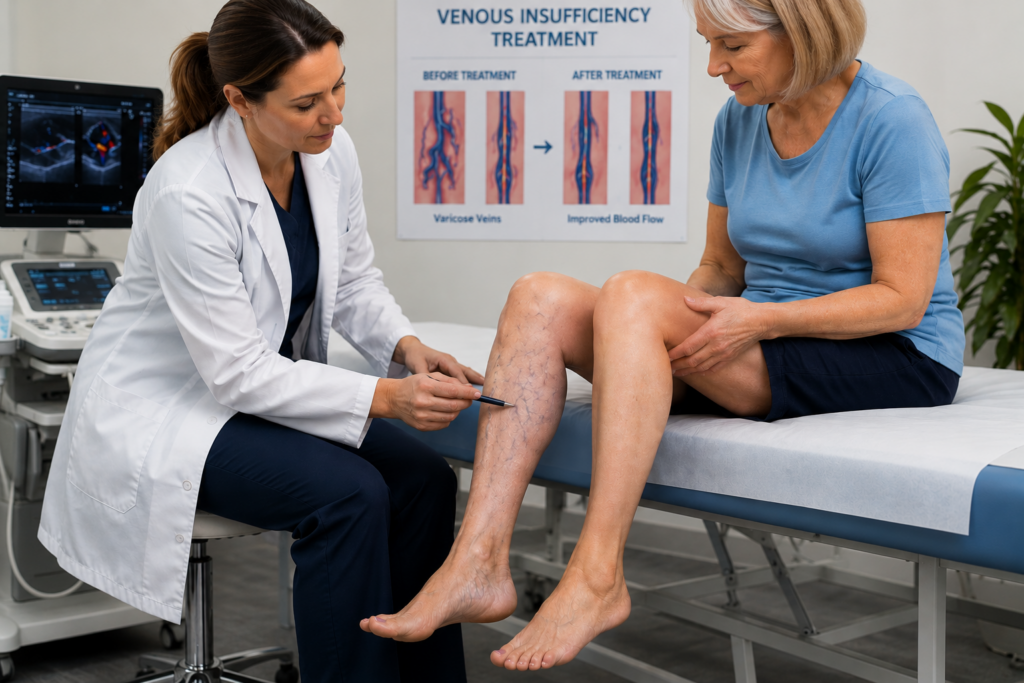
Venous insufficiency happens when the valves in your leg veins weaken and stop pushing blood efficiently back to your heart, causing symptoms like leg swelling, heaviness, aching, varicose veins, and skin discoloration that often get worse as the day goes on. It’s treatable with a range of options from compression therapy and lifestyle changes to minimally invasive procedures like vein ablation. If you’re noticing these symptoms, especially leg swelling that doesn’t go away overnight, it’s worth getting your veins evaluated sooner rather than later.
If your legs feel heavy, achy, or swollen by the end of the day or if you’ve started noticing bulging, twisted veins that weren’t there a few years ago, you’re not just imagining it, and you’re definitely not alone. At MVM Health, our vascular specialists see patients across all of our Pennsylvania locations dealing with exactly this, and most of them tell us the same thing: they didn’t realize how common (and how treatable) this condition actually is.
Let’s walk through what’s actually happening in your veins, the symptoms you shouldn’t ignore, and then the treatment options that can get you real relief.
The Problem: What Is Venous Insufficiency, and Why Does It Happen?
Your leg veins have a tough job. They’re constantly working against gravity, pushing blood from your legs back up to your heart. To do this, they rely on a series of one-way valves that open to let blood flow upward and close to keep it from flowing back down.
When those valves become damaged or weakened a condition called venous insufficiency, or chronic venous insufficiency (CVI) when it’s long-term, blood starts to pool in your lower legs instead of moving efficiently upward. That pooling is what leads to the swelling, heaviness, and visible vein changes that bring most people to a vein specialist in the first place.
What Causes Venous Insufficiency?
A few factors tend to show up again and again in the patients we see:
Age. Vein valves naturally lose some elasticity over time, making this condition far more common after age 50, though it can start much earlier.
Prolonged sitting or standing. Jobs that involve long hours on your feet (think nurses, teachers, retail workers) or long hours seated (office jobs, long commutes) both increase pressure on leg veins.
Pregnancy. Increased blood volume and hormonal changes during pregnancy put extra pressure on vein walls, and multiple pregnancies increase the risk further.
Family history. If your parents or siblings have varicose veins or venous insufficiency, your odds of developing it go up significantly.
Obesity. Extra body weight increases pressure on the veins in your legs and pelvis, making it harder for blood to flow back upward.
Previous blood clots (DVT). A history of deep vein thrombosis can damage vein valves permanently, leading to a related condition called post-thrombotic syndrome.
Smoking. Smoking affects circulation throughout the body and can accelerate vein wall damage over time.
Symptoms of Venous Insufficiency to Watch For
This is the part we really want people to pay attention to, because early symptoms are often dismissed as “just tired legs” until they start interfering with daily life.
Take the First Step Toward Healthier Legs
Don’t ignore the signs of venous insufficiency. Schedule a vein evaluation with MVM Health today and get personalized treatment recommendations to help relieve leg pain, swelling, and discomfort.
Leg swelling (edema). Especially around the ankles and lower legs, often worse by evening and better after a night’s sleep at least at first.
Aching, heaviness, or fatigue in the legs. A deep, tired feeling that tends to build throughout the day, especially after standing or sitting for long periods.
Varicose veins. Bulging, twisted, rope-like veins that are usually blue or dark purple and most visible on the calves and inner thighs.
Spider veins. Smaller, web-like clusters of red or blue veins closer to the skin’s surface.
Itching or tingling near affected veins. Often described as a crawling or prickling sensation in the lower legs.
Skin discoloration. Brownish or reddish staining around the ankles, which happens as blood pools and breaks down under the skin over time.
Leg cramps, especially at night. Restless legs or cramping that disrupts sleep is a common and often overlooked sign.
Skin changes or thickening. In more advanced cases, the skin around the lower leg can become thick, tight, or leathery.
Venous leg ulcers. Open sores, usually near the ankle, that heal slowly or recur. This is one of the more advanced signs and should be evaluated promptly.
A feeling of “tightness” in the calves, especially by the end of the day or after travel.
Why Symptoms Tend to Get Worse Over Time
Here’s the part that catches a lot of people off guard: venous insufficiency is a progressive condition. Without treatment, the constant pooling of blood puts increasing pressure on the surrounding tissue, which can lead to skin changes, chronic swelling, and eventually ulcers in more advanced cases. The earlier it’s addressed, the simpler and more effective treatment tends to be.
When Should You See a Vein Specialist?
Not every ache or vein you notice means you need treatment right away, but certain signs mean it’s time to get evaluated rather than wait.
Consider scheduling an evaluation if you notice:
- Leg swelling that doesn’t fully go down overnight
- Visible varicose veins that are growing larger or more numerous
- Skin discoloration around your ankles or lower legs
- Persistent aching or heaviness that affects your daily activities
- Leg cramps or restlessness that disrupt your sleep
- Any open sore on your lower leg that isn’t healing
- A sudden increase in swelling, redness, or pain in one leg (this can sometimes indicate a blood clot and needs prompt evaluation)
The Solution: Venous Insufficiency Treatment Options in Pennsylvania
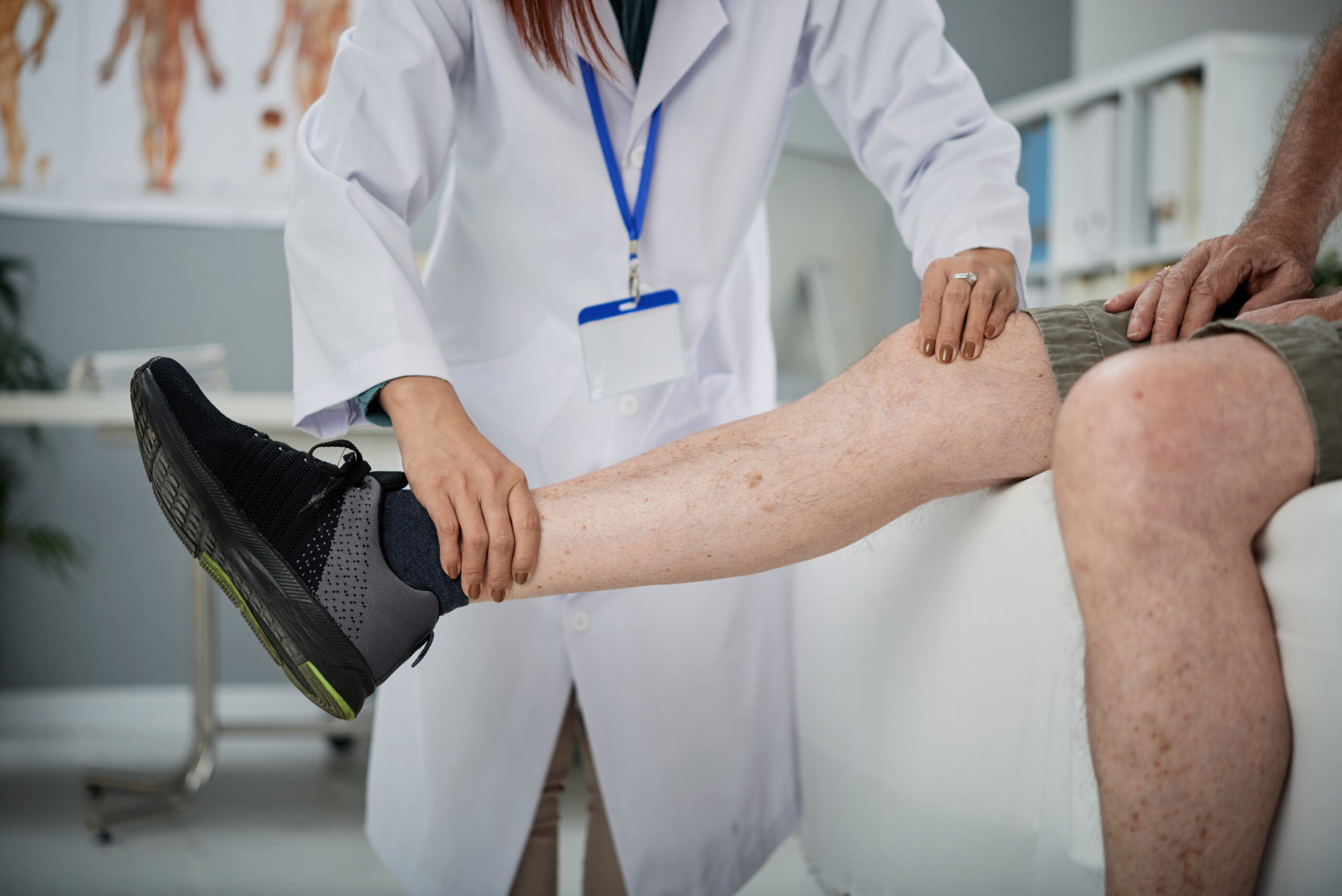
The good news is that venous insufficiency is one of the most treatable vascular conditions out there, and most treatment today is minimally invasive meaning little to no downtime for most patients. At MVM Health, our approach starts with a thorough evaluation, often including a painless ultrasound to map blood flow and identify exactly which veins are affected.
Compression Therapy
Compression stockings are often the first line of treatment, and for good reason they work. Graduated compression helps push blood back up toward the heart, reducing swelling and easing that heavy, achy feeling. For mild cases, this alone can make a noticeable difference.
Lifestyle and Self-Care Adjustments
Small daily changes add up. Elevating your legs above heart level for 15–20 minutes a few times a day, staying active with regular walking, maintaining a healthy weight, and avoiding long periods of sitting or standing without movement breaks can all help manage symptoms, especially in earlier stages.
Endovenous Ablation (Laser or Radiofrequency)
For larger varicose veins caused by a malfunctioning vein, endovenous ablation uses heat energy delivered through a thin catheter to close off the affected vein. Blood is then naturally rerouted through healthier veins nearby. This is typically done in-office, takes less than an hour, and most patients return to normal activities within a day or two.
Sclerotherapy
For smaller varicose veins and spider veins, sclerotherapy involves injecting a solution directly into the vein, causing it to collapse and fade over time. It’s quick, well-tolerated, and often used to address both the cosmetic and symptomatic aspects of smaller veins.
Ambulatory Phlebectomy
For larger, bulging varicose veins close to the skin’s surface, this procedure involves removing the vein through tiny incisions. It’s typically done under local anesthesia with minimal scarring.
VenaSeal and Other Vein Adhesive Treatments
Newer techniques use a medical adhesive to close off problem veins without heat or extensive injections, offering another minimally invasive option depending on your specific anatomy and symptoms.
Treating Advanced Cases, Including Venous Ulcers
For patients with more advanced venous insufficiency, including those with skin changes or ulcers, treatment often combines compression, wound care, and procedures to address the underlying vein issue driving the problem because healing the skin without addressing the vein behind it often leads to recurrence.
Why an Accurate Diagnosis Matters
One of the most important parts of treating venous insufficiency is figuring out exactly which veins are malfunctioning and how severe the issue is. Two patients can have very similar-looking varicose veins but completely different underlying causes and therefore need different treatment approaches. That’s why a proper vascular ultrasound and evaluation isn’t just a formality; it’s what makes treatment actually work the first time.
A Patient-First Approach Across Pennsylvania
At MVM Health, our vascular team brings training from some of the most respected medical institutions in the country to every evaluation, at every one of our Pennsylvania locations. We take the time to map out exactly what’s happening in your veins, walk you through your options in plain language, and build a treatment plan around your symptoms, your goals, and your lifestyle not a one-size-fits-all protocol.
Frequently Asked Questions
What is the first sign of venous insufficiency?
For most people, the earliest sign is leg swelling or a heavy, achy feeling in the lower legs that builds throughout the day and improves with rest or elevation. Varicose veins or spider veins may also appear early on, even before significant swelling develops.
Is venous insufficiency the same as varicose veins?
Not exactly. Varicose veins are often a visible symptom or result of venous insufficiency, but you can have venous insufficiency with minimal visible veins, especially in earlier stages. The underlying issue in both cases is the same: weakened vein valves that allow blood to pool.
Can venous insufficiency go away on its own?
No. Venous insufficiency is a progressive condition, meaning it tends to gradually worsen without treatment. However, early-stage symptoms can often be managed effectively with compression therapy and lifestyle changes, and more advanced cases respond well to minimally invasive procedures.
Is venous insufficiency treatment covered by insurance?
Many treatments for venous insufficiency are covered when they’re considered medically necessary, particularly when symptoms like pain, swelling, or skin changes are documented. Coverage varies by plan, which is why an evaluation that documents your symptoms is an important first step.
How long does recovery take after vein treatment?
Recovery varies by procedure, but many minimally invasive treatments like endovenous ablation and sclerotherapy allow patients to return to normal daily activities within a day or two, often with compression stockings worn for a short period afterward to support healing.
What happens if venous insufficiency is left untreated?
Without treatment, symptoms typically worsen over time. Increased pressure from pooled blood can lead to skin discoloration, thickening of the skin, and in more advanced cases, venous ulcers that are slow to heal and prone to recurring.
Can lifestyle changes alone treat venous insufficiency?
For mild cases, lifestyle changes like leg elevation, regular movement, weight management, and compression stockings can meaningfully reduce symptoms. However, if the underlying vein valves are significantly damaged, these changes typically manage symptoms rather than resolve the root cause, and a procedure may be needed for lasting relief.
Do I need a referral to see a vein specialist in Pennsylvania?
This depends on your insurance plan. Some plans allow direct scheduling with a vascular specialist, while others require a referral from your primary care provider. Our team can help you understand what your specific plan requires when you reach out to schedule.