
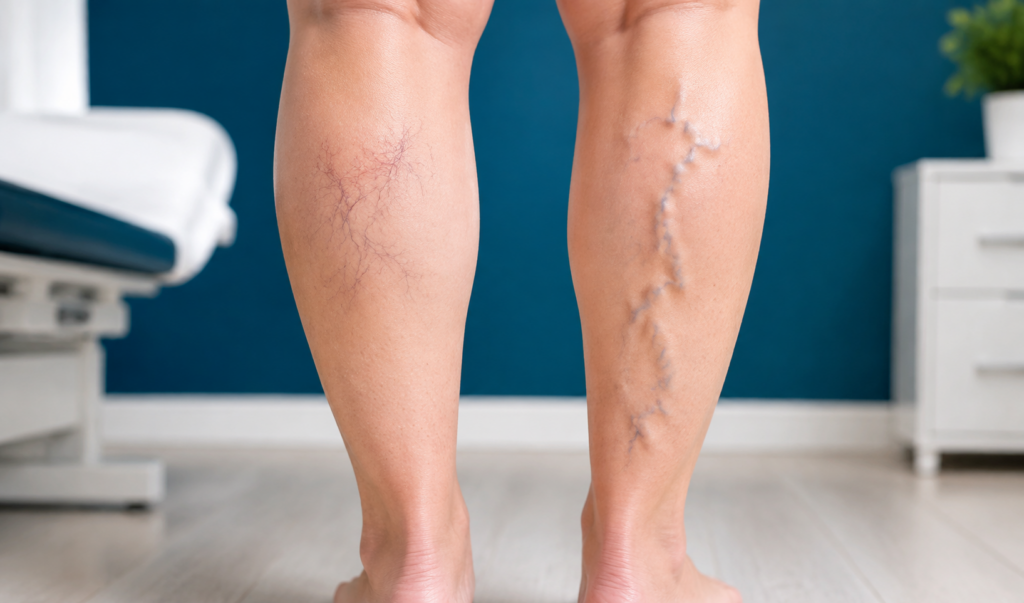
People researching spider veins Exton, PA often want to understand the difference between the two most common types of visible leg veins. Spider Veins vs. Varicose Veins can look quite different. Spider veins are usually small, flat red, blue, or purple lines near the skin’s surface, while varicose veins are typically larger, raised, and twisted veins that may cause aching, heaviness, swelling, or itching.
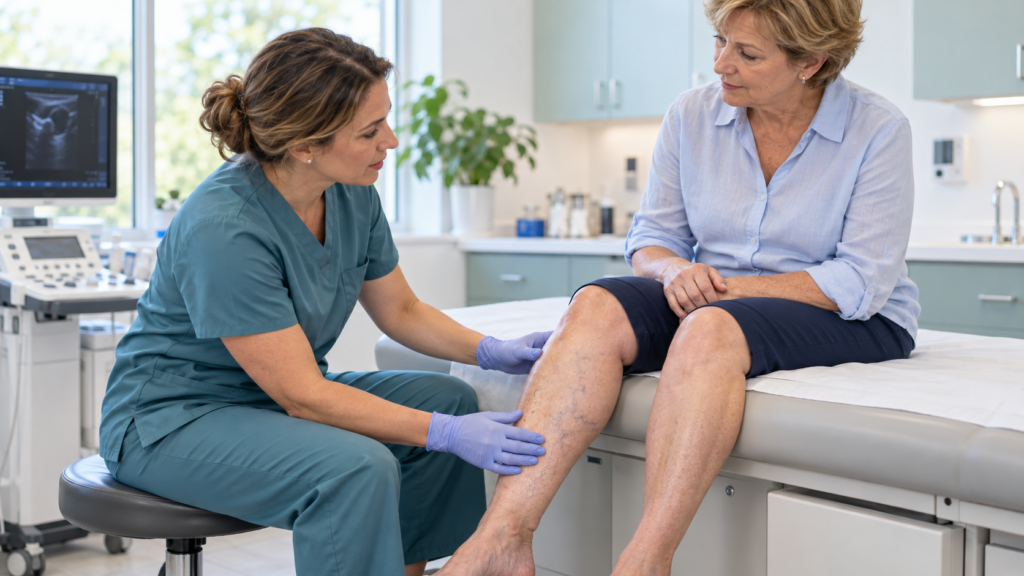
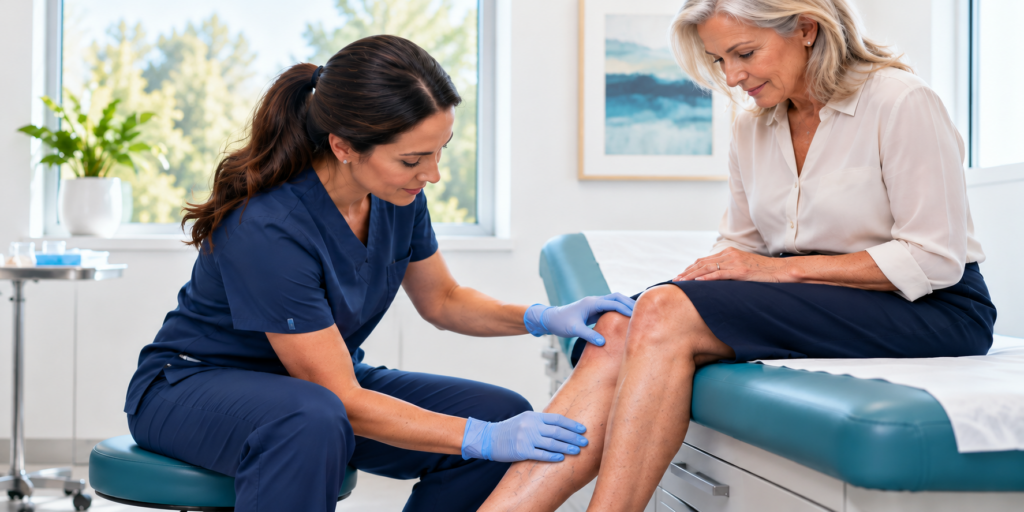
Visible veins can provide helpful clues, but they do not reveal how blood is flowing through the deeper veins. A professional vein evaluation can determine whether you have spider veins, varicose veins, or signs of an underlying circulation problem-and which treatment options may be appropriate.
Spider Veins Vs. Varicose Veins: Key Differences
Spider veins and varicose veins are both visible blood vessels, but they differ in size, appearance, symptoms, and potential connection to an underlying circulation problem.
According to the National Heart, Lung, and Blood Institute, spider veins are smaller lines located close to the skin, while varicose veins are swollen and twisted vessels that usually develop in the legs.
| Feature | Spider veins | Varicose veins |
| Typical appearance | Fine lines, webs, or branching clusters | Enlarged, bulging, rope-like, or twisted veins |
| Common colors | Red, blue, or purple | Blue, purple, or skin-colored |
| Position | Usually flat and close to the skin | Often raised above the skin |
| Common symptoms | Often none; sometimes itching, burning, or mild aching | Aching, heaviness, throbbing, itching, swelling, or cramps |
| Circulation concern | May be isolated or associated with underlying venous disease | More often associated with weakened valves or venous reflux |
| Evaluation | Visual exam; ultrasound if symptoms or exam suggest deeper disease | Exam and often duplex ultrasound when treatment is being planned |
| Common treatment approach | Sclerotherapy or, in selected cases, surface laser treatment | Treatment may include ablation, adhesive closure, phlebectomy, or sclerotherapy, depending on the vein |
Some patients have both spider veins and varicose veins. The size or color of a vein does not always indicate how significant the underlying circulation issue may be.
Common Signs of Spider Veins
Spider veins are tiny, damaged blood vessels that become visible beneath the skin. They commonly form thin webs, short lines, or branching clusters.
Most spider veins do not cause significant physical symptoms. When symptoms occur, patients may experience:
- Mild itching around the visible veins
- Burning or warmth
- Localized aching
- Tenderness after standing for extended periods
- Concern about the appearance of the legs
Spider veins can be associated with age, family history, hormonal changes, pregnancy, prolonged standing, or increased pressure inside the leg veins. Having spider veins does not automatically mean that a person has chronic vein disease.
However, spider veins accompanied by swelling, leg heaviness, skin discoloration, or persistent pain should be evaluated rather than treated as an appearance-only concern.
Common Signs of Varicose Veins
Varicose veins develop when vein valves do not move blood efficiently back toward the heart. Blood may collect within the vein, causing it to enlarge, twist, and become more noticeable.
Common symptoms include:
- Aching or throbbing legs
- Leg heaviness or fatigue
- Swelling around the ankles
- Itching near an enlarged vein
- Nighttime leg cramps
- Discomfort after prolonged sitting or standing
- Symptoms that improve when the legs are elevated
These symptoms may be associated with chronic venous insufficiency, but visible veins alone cannot confirm the condition. A clinical examination and appropriate testing are needed.
How Doctors Identify the Vein Problem
A vein evaluation generally begins with a discussion of the patient’s symptoms, health history, medications, previous blood clots, pregnancies, and family history of vein disease.
The clinician may examine the legs while the patient is standing and look for:
- The size and location of visible veins
- Leg or ankle swelling
- Tenderness along a vein
- Skin discoloration or thickening
- Areas of dry or irritated skin
- Open or slow-healing wounds
Duplex ultrasound may be recommended when symptoms or examination findings suggest venous reflux, obstruction, or another deeper circulation issue. This noninvasive test uses sound waves to assess the structure of the veins and the direction of blood flow.
Ultrasound is not required for every isolated cosmetic spider vein. The need for testing depends on the symptoms, medical history, and examination findings.
Treatment Options for Spider Veins vs. Varicose Veins
The appropriate leg vein treatment depends on the size and location of the affected vessel, the patient’s symptoms, and whether an underlying source of abnormal blood flow is present.
Sclerotherapy for Spider Veins
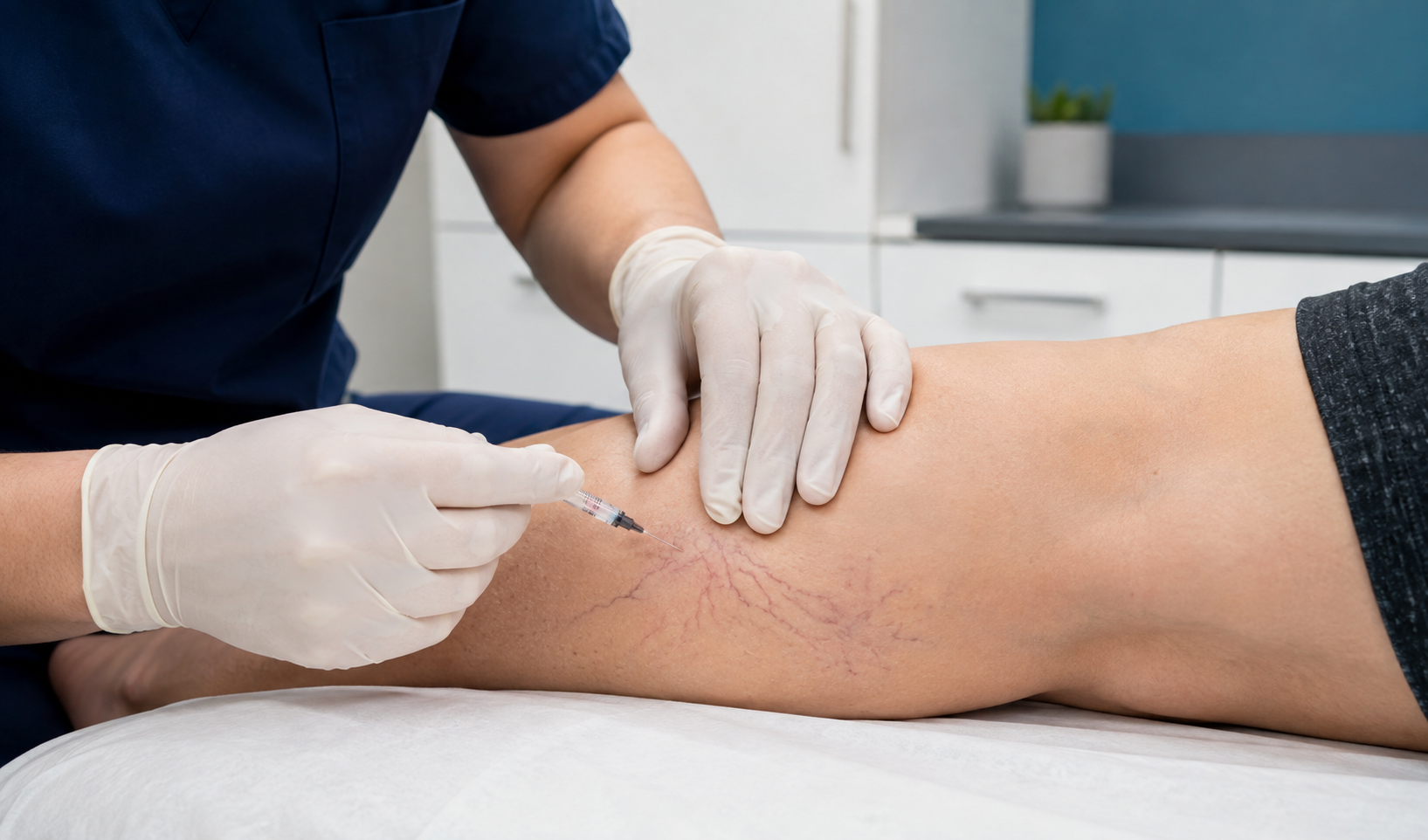
Sclerotherapy is commonly used for spider veins and smaller varicose veins. During treatment, a medical solution is injected into the targeted vein, causing it to close and gradually fade.
The Mayo Clinic notes that multiple treatment sessions may be needed depending on the number and size of the veins. Results and recovery can vary between patients.
Treatments for Larger Varicose Veins
Larger or symptomatic varicose veins may require another minimally invasive treatment, including:
- Radiofrequency ablation
- Laser ablation
- Medical adhesive closure
- Ambulatory phlebectomy
- Ultrasound-guided sclerotherapy
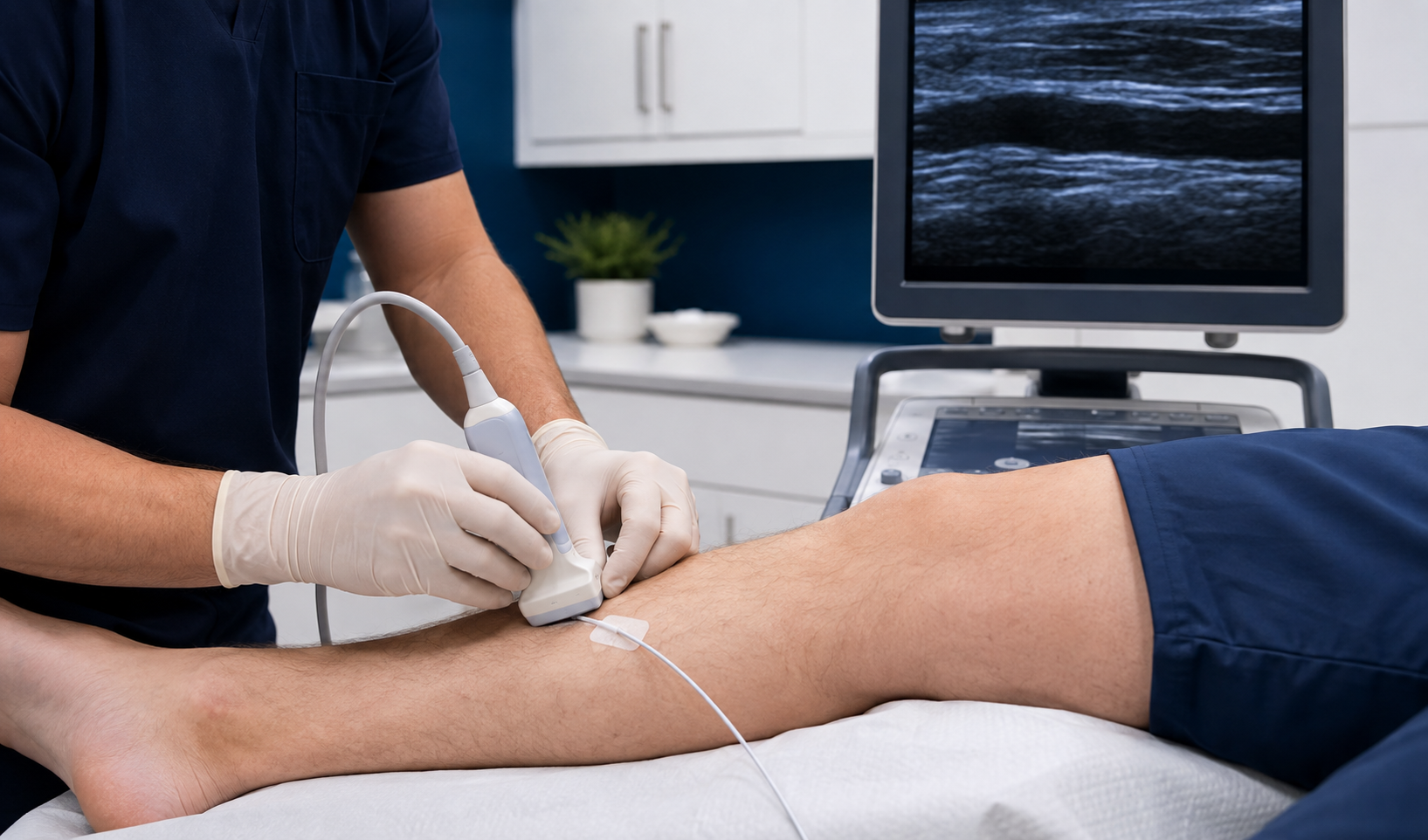
These treatments work in different ways, but their general purpose is to close or remove an unhealthy vein so blood can reroute through functioning vessels. A vein specialist should recommend treatment only after evaluating the patient’s symptoms and vein anatomy.
Insurance Coverage for Vein Treatment
Patients searching for insurance-covered vein treatment should understand that coverage depends on why treatment is being performed.
Treatment intended only to improve the appearance of spider veins is often classified as cosmetic and may not be covered. Treatment for symptomatic varicose veins may qualify when the patient meets the insurance plan’s medical-necessity requirements.
An insurer may request documentation of:
- Pain, swelling, or other ongoing symptoms
- Ultrasound-confirmed venous reflux
- Previous conservative care
- Skin changes, bleeding, or venous ulcers
- The treatment recommended by the physician
Coverage should always be verified before treatment. MVM Health should not promise that a procedure will be covered until the patient’s benefits and clinical eligibility have been reviewed.
When Should Visible Leg Veins Be Evaluated?
A routine vein evaluation may be appropriate when visible veins are accompanied by discomfort, swelling, skin changes, or symptoms that interfere with daily activities.
Contact a medical professional promptly if you develop:
- Sudden pain or swelling in one leg
- Warmth or redness affecting one leg
- A vein that becomes hard and unusually tender
- Increasing skin discoloration around the ankle
- An open or slow-healing leg wound
- Bleeding from a visible surface vein
If a surface vein begins bleeding, apply firm pressure and elevate the leg while seeking medical guidance.
Call 911 for sudden shortness of breath, chest pain, fainting, or coughing up blood. These symptoms require emergency assessment and should not wait for a routine vein appointment.
Choosing a Vein Specialist Near Exton
When searching for a vein doctor near me, look for a provider who evaluates the symptoms and deeper circulation rather than focusing only on the visible vein.
Before proceeding with treatment, consider asking:
- Do I have spider veins, varicose veins, or both?
- Do my symptoms suggest an underlying circulation problem?
- Is duplex ultrasound recommended?
- Which treatment is appropriate for the affected vein?
- How many sessions might be needed?
- What should I expect during recovery?
- Is the procedure cosmetic or potentially eligible for insurance coverage?
A complete evaluation helps ensure that the recommended procedure matches the type of vein problem instead of relying on appearance alone.
Get the Right Vein Diagnosis Before Choosing Treatment
Not sure whether you have spider veins or varicose veins? MVM Health can evaluate your visible veins, symptoms, and circulation to determine which treatment options may be appropriate. Schedule a vein evaluation and take the next step toward healthier, more comfortable legs.