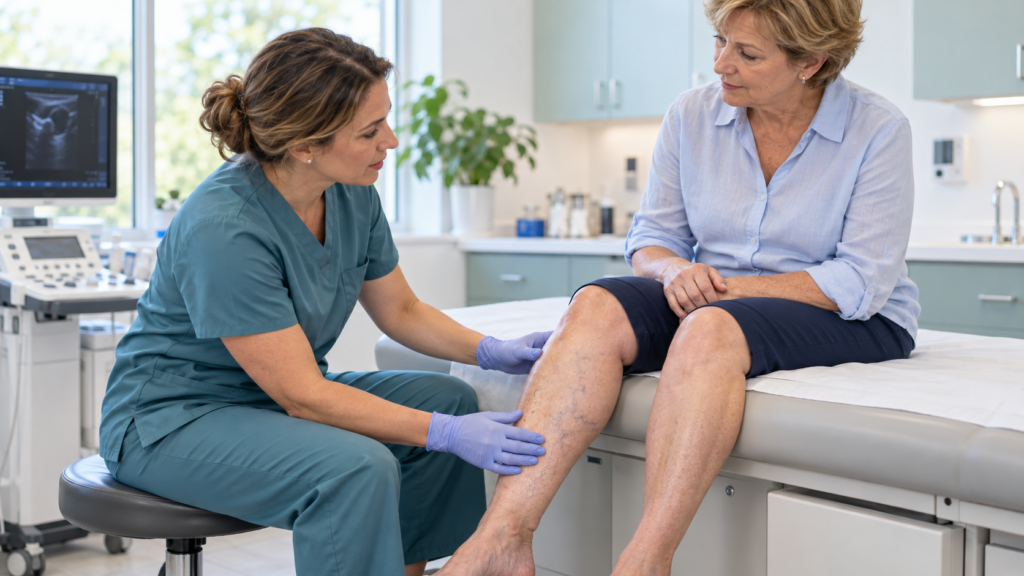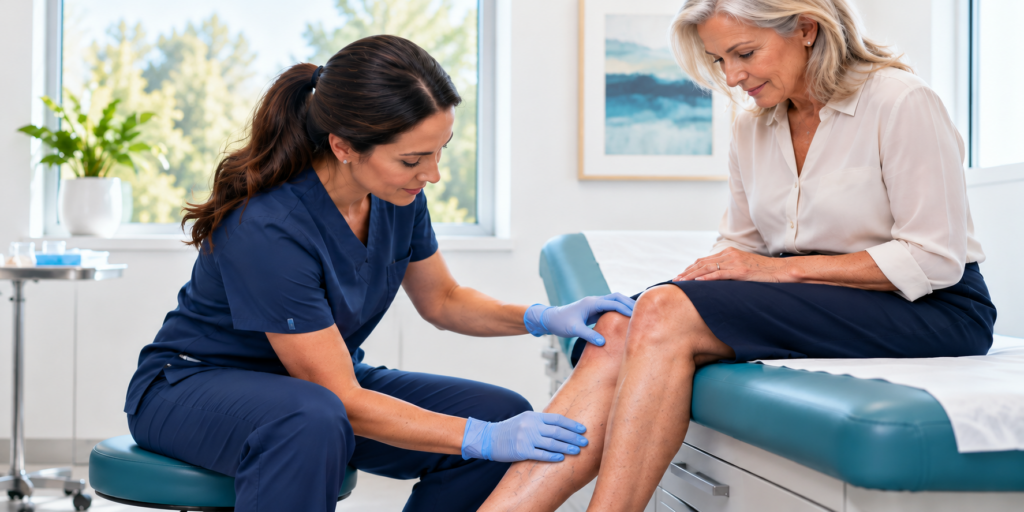

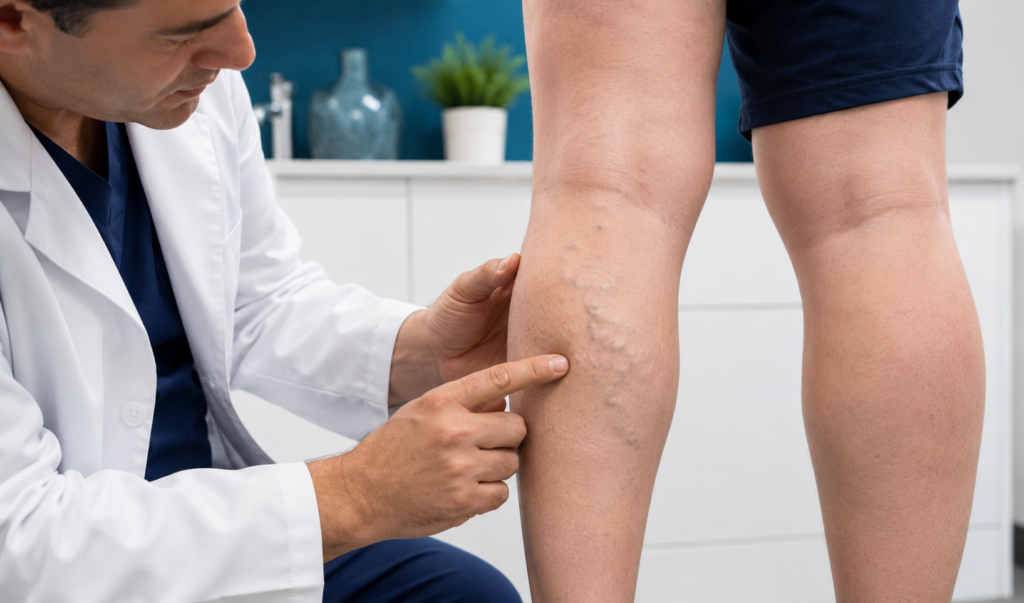
Patients researching Vein Treatment Lancaster, PA options should know that the most effective approach depends on which veins are causing the problem. Based on a medical examination and duplex ultrasound findings, a specialist may recommend radiofrequency or laser ablation, VenaSeal®, sclerotherapy, ambulatory phlebectomy, conservative care, or a combination rather than one standard procedure for everyone.
For patients seeking vein treatment in Lancaster, PA, the right starting point is a medical evaluation of their symptoms and circulation. A vein consultation can help determine whether visible or uncomfortable veins are primarily cosmetic or connected to an underlying problem such as chronic venous insufficiency.
Effective Varicose Vein Treatment Options
Varicose veins often develop when valves in superficial leg veins no longer keep blood moving efficiently toward the heart. Blood can pool, increasing pressure and contributing to bulging veins, aching, heaviness, itching, swelling, or skin changes. MVM Health’s overview of varicose vein symptoms and treatment explains this condition in more detail.
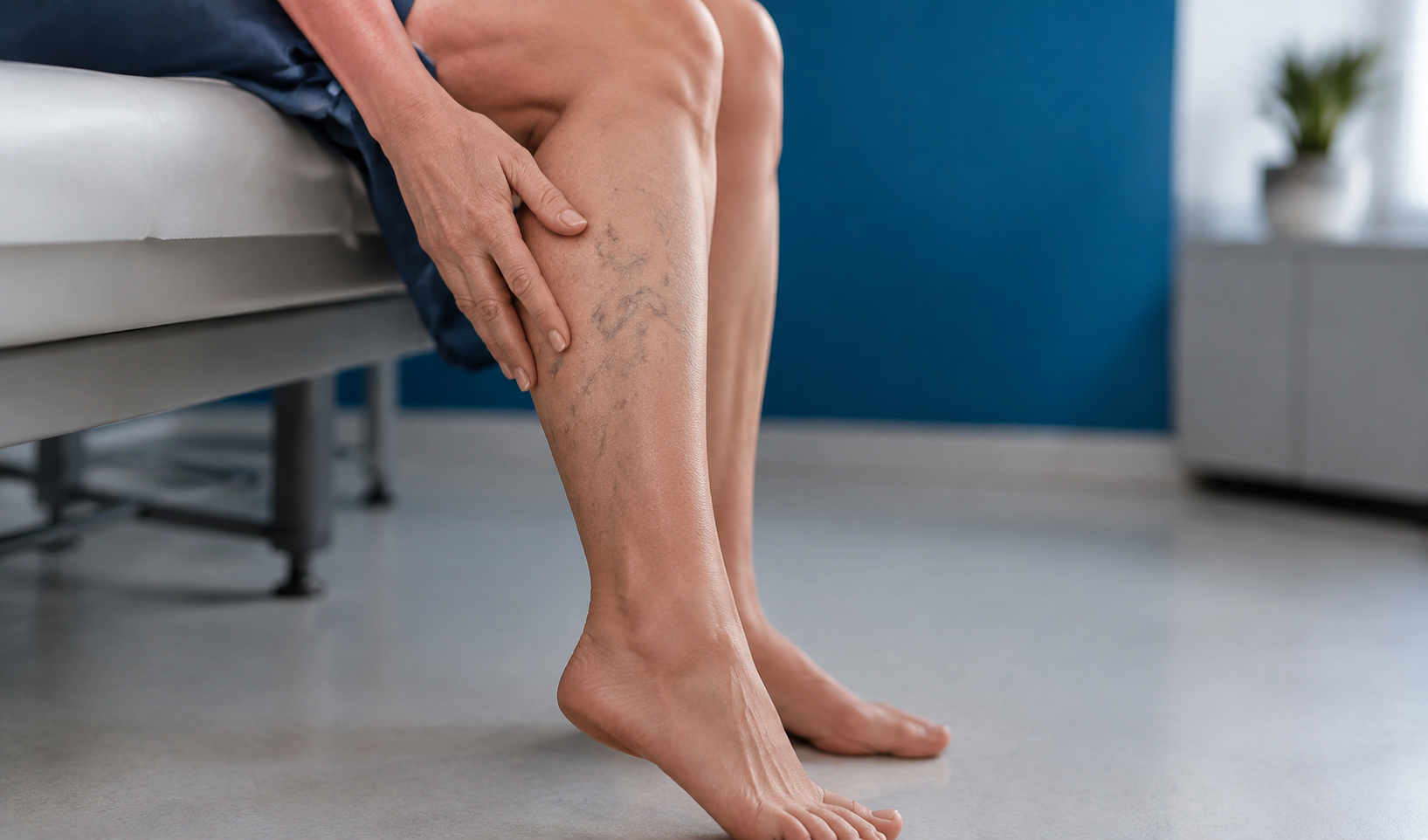
Current professional guidelines support using duplex ultrasound to evaluate venous reflux and guide treatment selection. They also distinguish treatment of an underlying refluxing trunk vein from treatment of visible tributary veins. The Society for Vascular Surgery, American Venous Forum, and American Vein and Lymphatic Society guidelines provide the evidence-based framework.
| Option | How it works | Often considered for | What patients should know |
| Radiofrequency ablation (RFA) | A catheter delivers controlled heat to close an unhealthy superficial vein | Truncal venous reflux | Usually office-based; post-procedure instructions vary |
| Endovenous laser ablation | Laser energy closes a refluxing vein | Truncal venous reflux | Another thermal option selected by anatomy and clinical judgment |
| VenaSeal® | Medical adhesive closes the target vein | Certain refluxing superficial veins | Non-thermal; not appropriate for every patient or vein |
| Sclerotherapy | An injected solution causes a selected vein to close | Spider veins, small varicose veins, or some residual veins | Several sessions may be needed; results develop over time |
| Ambulatory phlebectomy | Bulging surface veins are removed through very small openings | Prominent tributary varicosities | May be paired with treatment of underlying reflux |
| Compression and activity changes | Helps manage pressure and symptoms | Conservative care or when a procedure is not preferred | Can relieve symptoms but does not repair a failed valve |
There is no universally superior option. The complete MVM Health guide to vein treatment options compares RFA, laser ablation, VenaSeal, sclerotherapy, ClariVein, and phlebectomy.
How Does a Vein Specialist Choose the Right Treatment?
A vein specialist considers more than the appearance of the leg. The decision may depend on:
- whether symptoms are medical, cosmetic, or both;
- which superficial veins show reflux;
- vein size, path, and proximity to nerves;
- prior blood clots or vein procedures;
- medications, pregnancy status, allergies, and other health conditions; and
- the patient’s goals and insurance requirements.
Duplex ultrasound uses sound waves to assess anatomy and blood flow. It can help show whether a bulging surface vein is being fed by deeper superficial reflux. Treating only what is visible may leave the main source of pressure unaddressed.
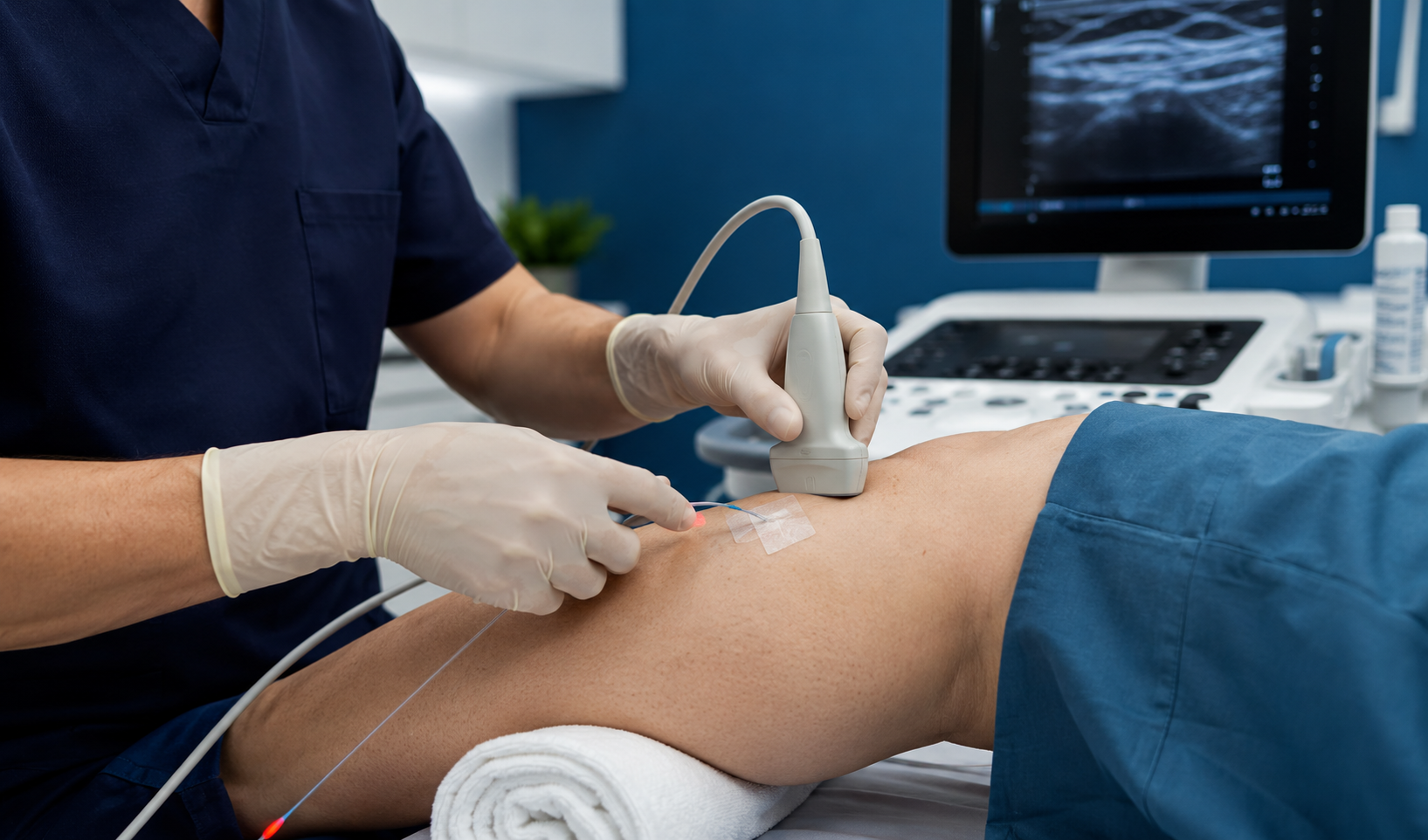
For example, radiofrequency ablation for varicose veins may be considered when ultrasound confirms reflux in an appropriate truncal vein. Sclerotherapy may be more suitable for spider veins, smaller varicosities, or remaining branches, depending on the findings.
Find the Right Treatment for Your Symptoms
If you’re experiencing vein-related symptoms, request a vein evaluation at MVM Health and select Lancaster as your preferred location. Please note that submitting an appointment request does not confirm an appointment. Our team will contact you to discuss availability, insurance coverage, and the next steps.
Your Lancaster Vein Treatment Consultation
A useful consultation at our Lancaster, PA clinic should clarify both the diagnosis and the reason for any recommendation. Expect a medical history, symptom review, leg examination, and discussion of how symptoms affect standing, walking, work, sleep, or daily activity. A duplex ultrasound may be ordered or performed when clinically appropriate.
Ask the specialist to show you which vein is abnormal, whether the goal is symptom relief or cosmetic improvement, and why the proposed method fits your anatomy. You should also receive realistic information about discomfort, activity restrictions, compression, follow-up imaging, possible side effects, and alternatives.
Do not assume every visible vein needs a procedure. Small veins without symptoms may be cosmetic, while aching, swelling, skin discoloration, or an ulcer can point to clinically significant venous disease.
Insurance Coverage for Varicose Vein Treatment
Insurance-covered vein treatment is possible when care is medically necessary, but coverage is never automatic. Plans may require documented symptoms, ultrasound-confirmed reflux, a trial of conservative care, prior authorization, or use of an in-network clinician. Cosmetic treatment is commonly excluded.
Medicare coverage rules vary by regional contractor and procedure. One current CMS coverage policy recognizes duplex ultrasound as useful before a medically necessary procedure, but your own plan’s criteria control. MVM Health can verify benefits and explain estimated patient responsibility before treatment; verification is not a guarantee of payment.
Warning Signs That Require Medical Attention
Schedule a non-emergency evaluation when varicose veins are accompanied by persistent aching, heaviness, itching, swelling, nighttime cramping, skin darkening near the ankle, recurrent inflammation, bleeding, or a slow-healing wound. Symptoms that interfere with work or daily activity also warrant assessment.
Seek urgent medical care for sudden one-sided leg swelling or pain, especially with warmth or redness, because these can be signs of a blood clot. Call 911 for leg symptoms accompanied by sudden shortness of breath, chest pain, coughing blood, fainting, or a rapid heartbeat. Do not use an online article to distinguish a varicose-vein flare from deep vein thrombosis or pulmonary embolism.
How do you choose a vein specialist near Lancaster?
If you are searching for a vein specialist near me, compare clinical processes-not slogans. Ask whether the practice:
- evaluates symptoms and medical history before recommending a procedure;
- uses duplex ultrasound when indicated;
- offers multiple treatment methods rather than steering every patient to one device;
- explains risks, alternatives, recovery, and expected results;
- verifies insurance requirements before treatment; and
- provides follow-up for persistent or recurrent symptoms.
MVM Health offers a range of minimally invasive vein care options so treatment can be based on clinical findings. Request a Lancaster vein evaluation to discuss your symptoms and available options. Confirm Lancaster vein-service availability when the team contacts you.