
The earliest signs of varicose veins are often easy to dismiss: mild ankle swelling by evening, a heavy or achy feeling after a long day, or small visible veins that haven’t yet become the classic bulging, rope-like appearance. Catching these early signs matters, since varicose veins King of Prussia, PA patients bring in tend to respond better to treatment the earlier they’re addressed, before the underlying vein valve damage progresses further.
Montgomery County’s mix of long retail shifts at the King of Prussia Mall, corporate office jobs along the Route 202 and PA Turnpike corridor, and a busy commuter population means many local patients spend entire days either standing in place or sitting still, both of which strain leg circulation in different ways. Recognizing the early warning signs before they become obvious varicose veins gives you more treatment options and a simpler path back to comfortable, healthy-looking legs.
Sign #1: Legs That Feel Heavy or Tired by End of Day
This is often the very first symptom people notice, well before any veins are visibly enlarged. A dull, heavy, “full” sensation in the lower legs that builds through the day and eases overnight is a classic early sign of vein valves starting to struggle against gravity.
What to watch for: Heaviness that’s worse after standing all day at work or a long shopping shift, and noticeably better after elevating your legs or a night’s sleep.
Sign #2: Mild Ankle Swelling That Comes and Goes
Early-stage swelling is often subtle: a slightly tighter sock line by evening, shoes that feel a bit snugger after work. It’s easy to write off as normal tiredness or warm weather, but this pattern, worse by evening and resolved by morning, is one of the more reliable early indicators of developing vein disease.
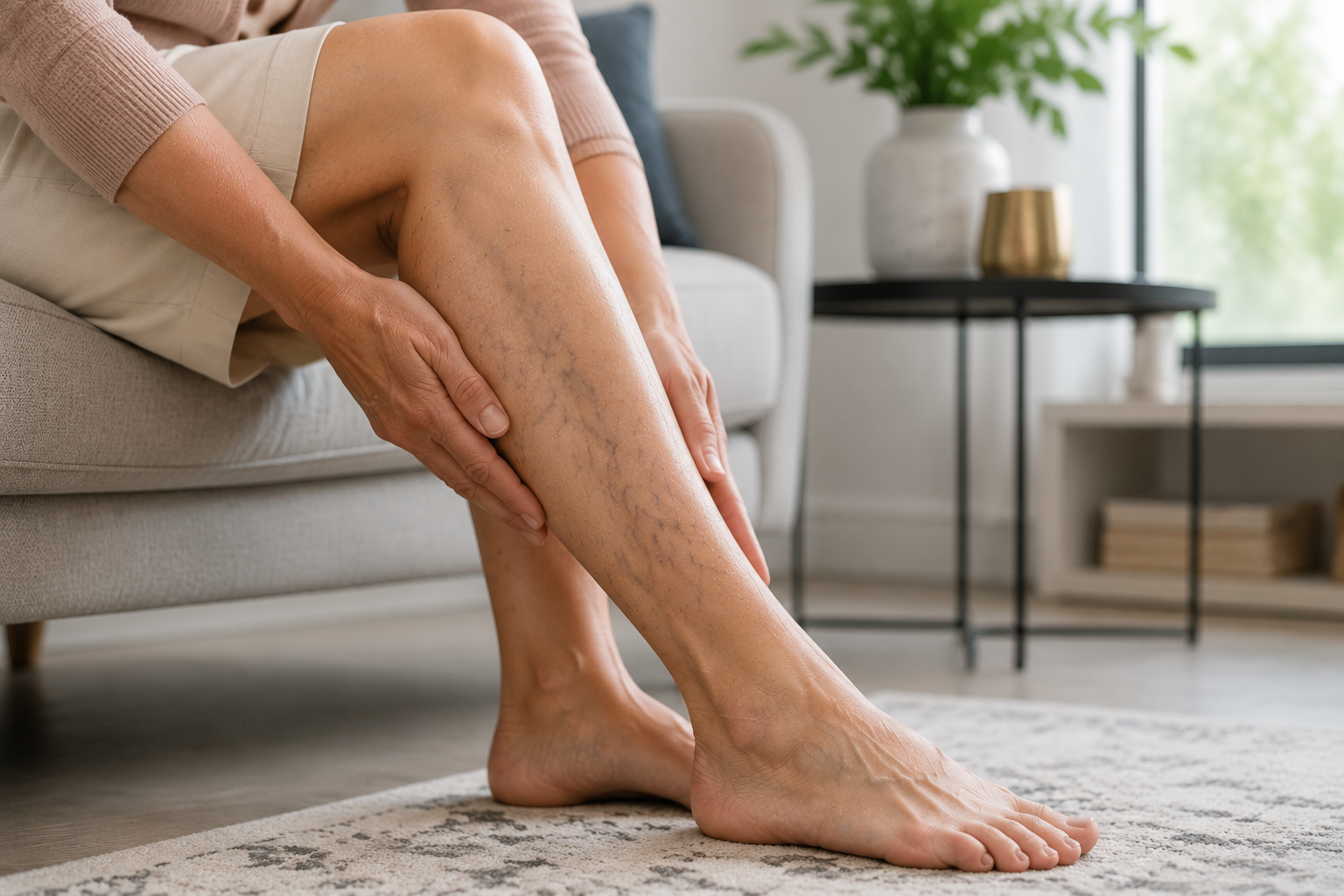
Sign #3: Small, Visible Veins That Aren’t Bulging Yet
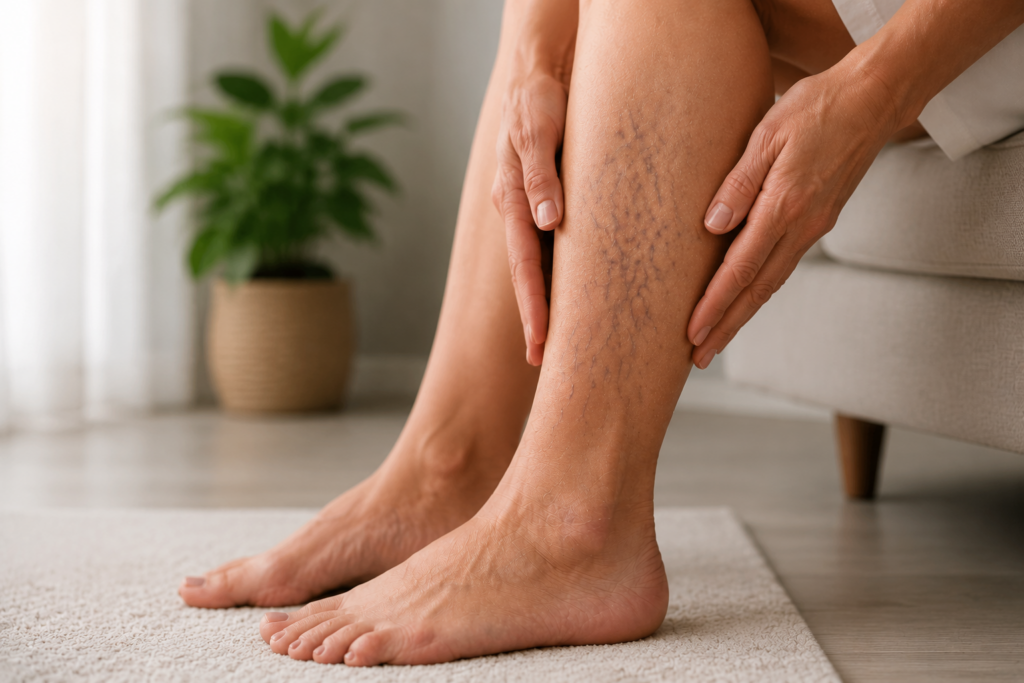
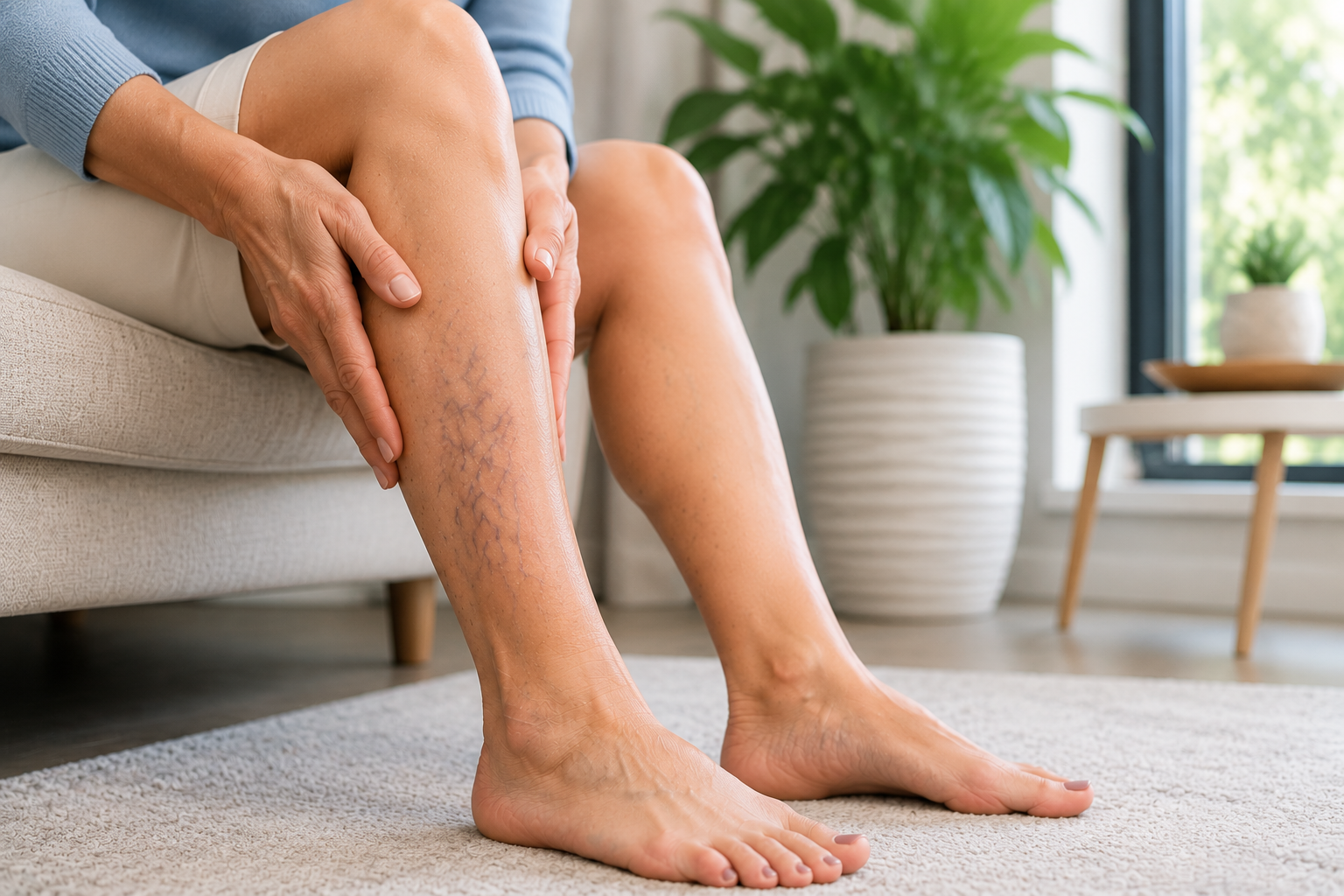
Before veins become the classic twisted, rope-like appearance, many patients notice smaller, thread-like veins or a faint bluish tint under the skin, particularly around the ankle or inner calf. These early visible changes are worth mentioning at a consultation even if they seem too minor to be “real” varicose veins yet.
Sign #4: Occasional Aching or Cramping, Especially at Night
Mild aching or occasional nighttime leg cramps, particularly in the calf, can be an early circulatory symptom rather than a simple muscle issue, especially when it’s a recurring pattern rather than a one-off.
Sign #5: Itchy or Slightly Dry Skin Near the Lower Leg
Early skin irritation near developing varicose veins is often mistaken for dry winter skin or a minor allergy. When it keeps returning to the same spot near the ankle, it can be an early sign of the same circulatory pressure that eventually leads to more visible vein changes.
Sign #6: Restless or Uncomfortable Legs in the Evening
Some patients describe an unsettled, restless sensation in their legs in the evening, distinct from pain, that improves with movement. This can overlap with early vein-related circulation changes and is worth mentioning during an evaluation alongside any other symptoms.
Why Catching These Early Signs Matters
Vein disease is progressive, meaning it tends to build gradually rather than appear overnight or resolve on its own. Addressing symptoms at this early stage generally means:
- A wider range of treatment options, including conservative measures like compression before more involved procedures are needed
- A simpler, faster path to relief
- Lower risk of progressing to more advanced complications like skin discoloration or ulcers down the line
What Happens If Early Signs Are Ignored?
Left unaddressed, these early symptoms tend to progress into more recognizable varicose veins, along with more persistent swelling, aching, and eventually skin changes. Understanding the full picture of how vein disease develops and what drives it is covered in more detail in our complete guide: Varicose Veins: Symptoms, Causes, Diagnosis & Treatment.
Diagnosing the Cause Early
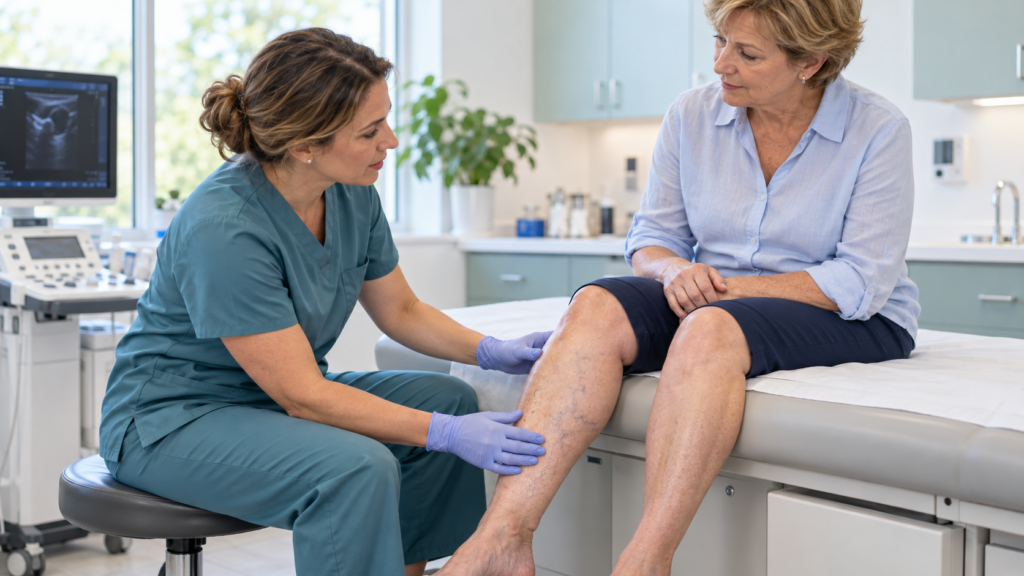
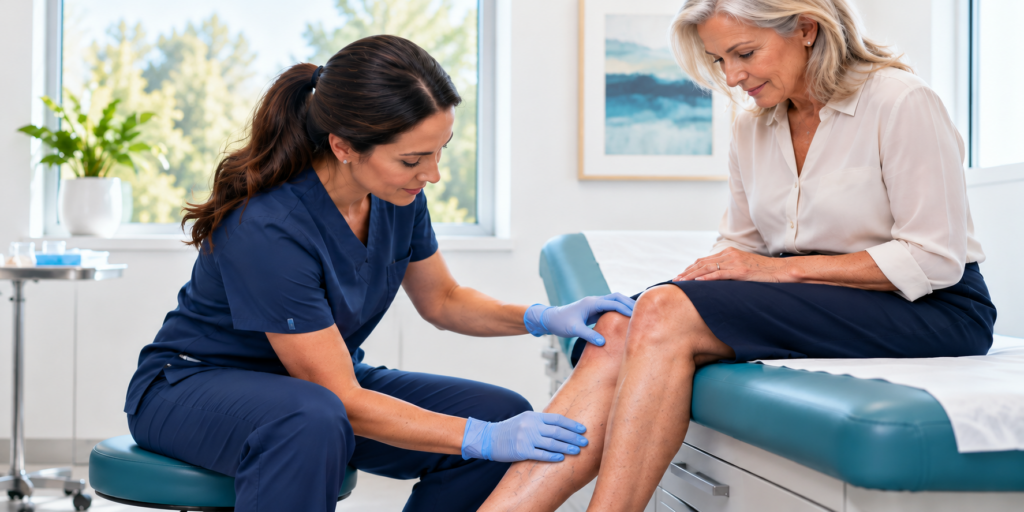
If you’re noticing any of the signs above, a proper evaluation, including a duplex ultrasound, can confirm whether early vein valve changes are already present, even before veins are visibly enlarged. This imaging is painless and shows exactly how blood is flowing through your leg veins.
Don’t Wait for Visible Veins to Take Symptoms Seriously
Heaviness, mild swelling, and occasional aching are easy to dismiss, but they’re often the earliest signals your veins are sending. A first evaluation is simpler than most people expect, one visit covers your exam and ultrasound, so you get real answers instead of guessing whether it’s “bad enough” yet.
Insurance coverage tip: Many patients assume evaluation and treatment for early symptoms won’t be covered since nothing looks serious yet. In practice, insurance covered vein treatment often applies once documented symptoms are present, not just visible advanced veins, so it’s worth having symptoms formally evaluated rather than waiting for them to become undeniable.
When to See a Specialist
Consider scheduling a consultation if you notice any combination of:
- Evening leg heaviness or mild swelling that recurs regularly
- Small visible veins near the ankle or calf
- Occasional nighttime leg cramping
- Itchy or irritated skin near a visible vein
- A family history of varicose veins, which raises your personal risk significantly
Meet Our Vein Care Team
Our board-certified providers evaluate early vein symptoms every day and help determine whether what you’re noticing reflects normal fatigue or the beginning stages of vein disease. At MVM Health King of Prussia, our experienced team provides personalized vein care and advanced treatment options tailored to your needs. Learn more about our vein care providers before scheduling your visit.
Finding Care Near King of Prussia
If you’re comparing leg vein treatment options in Montgomery County, an evaluation at the earliest stage of symptoms is the simplest way to stay ahead of vein disease rather than waiting until symptoms become more advanced.
Visit our MVM Health King of Prussia location or get directions to our office to schedule your vein consultation and learn more about your treatment options.
If you’re located elsewhere in Pennsylvania, we also see patients at our other locations. You can learn what to expect at our Bethlehem vein consultation or find guidance for Monroe County patients through our East Stroudsburg vein care resources.
Don’t Wait for Visible Veins to Take Symptoms Seriously
Heaviness, mild swelling, and occasional aching are easy to dismiss, but they’re often the earliest signals your veins are sending. At MVM Health, our King of Prussia-area patients get a clear, ultrasound-based evaluation that can catch vein disease before it becomes visibly advanced. Schedule a consultation to find out what your symptoms actually mean.