
Varicose veins rarely show up overnight. For most people, they start small a faint bluish bulge behind the knee, a bit of ankle swelling by the end of the day, legs that feel more tired than they used to. Because the early signs are easy to dismiss, many patients in East Stroudsburg live with symptoms for months or even years before asking whether something is actually wrong.
If you’ve noticed changes in your legs and you’re searching for information on varicose veins in East Stroudsburg, PA, this guide walks through what varicose veins actually are, why they develop, the symptoms worth paying attention to, and when it makes sense to have them evaluated by a vein specialist rather than waiting to see if they go away on their own.
What Are Varicose Veins?
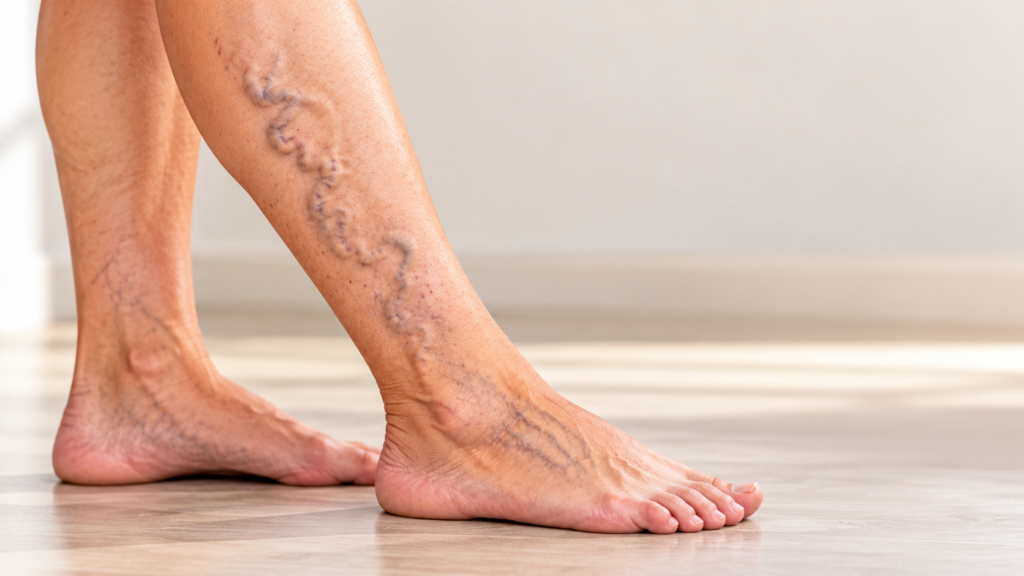
Varicose veins are enlarged, twisted veins that most often appear in the legs and feet. They develop when small valves inside the veins, structures that normally keep blood moving in one direction, back up toward the heart stop working as efficiently as they should. When these valves weaken, blood can pool in the vein instead of flowing forward, causing the vein to stretch, bulge, and become visible under the skin.
This underlying process is often referred to as venous insufficiency, and varicose veins are one of its more visible signs. Not every case looks the same: some people have a single noticeable vein behind the knee, while others develop a broader network of bulging veins running down the calf or thigh.
It’s worth noting upfront that varicose veins are extremely common. They affect a significant portion of adults at some point in their lives, and having them does not automatically mean something is seriously wrong. At the same time, they’re not something to self-diagnose from a mirror a proper evaluation is the only way to understand what’s actually happening in your specific case.
Common Symptoms of Varicose Veins
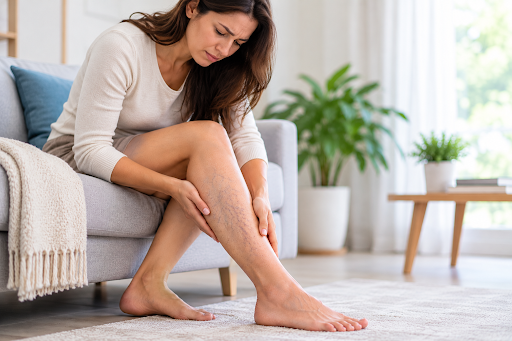
Varicose veins can look different from person to person, and the visible vein itself is only part of the picture. Symptoms patients in East Stroudsburg commonly describe include:
- Visible, bulging veins : often described as rope-like, twisted, or raised above the surface of the skin, typically bluish or dark purple in color
- Leg heaviness or fatigue, especially by the end of the day or after standing for long periods
- Swelling around the ankles or lower legs that tends to build throughout the day
- Aching or throbbing in the affected area, sometimes worse after sitting or standing for extended periods
- Itching or skin irritation near the affected veins
- Muscle cramping, particularly at night
- A sensation of tightness or fullness in the calves
Some people experience several of these symptoms together, while others notice only mild discomfort with no visible veins at all, which is part of why an in-person evaluation matters more than trying to match your symptoms to a checklist online. Symptoms can also fluctuate: they may feel more noticeable during warm weather, after long flights, during pregnancy, or after periods of prolonged sitting or standing, such as certain jobs that require being on your feet most of the day.
It’s also worth mentioning what varicose veins are not necessarily connected to. Occasional muscle soreness after exercise, temporary swelling from a minor injury, or fatigue from an unusually active day aren’t automatically signs of a vein problem. This is exactly why self-diagnosis is unreliable in either direction: some people assume normal leg fatigue is “just varicose veins,” while others dismiss real symptoms as ordinary tiredness.
Noticing Changes in Your Legs? Get Them Checked
If you’re experiencing visible veins, leg swelling, heaviness, or aching, consider getting your symptoms evaluated. Our vein specialists in East Stroudsburg, PA can assess your concerns and discuss appropriate next steps based on your individual needs.
What Causes Varicose Veins?
There isn’t a single cause of varicose veins; instead, several factors can contribute to the valve dysfunction that leads to them. Understanding these factors can help explain why some people develop varicose veins and others don’t, though having one or more risk factors doesn’t guarantee you’ll be affected.
Age. As we get older, the valves inside our veins can naturally lose some of their elasticity and effectiveness, making varicose veins more common in older adults.
Genetics. A family history of varicose veins is one of the more consistently observed risk factors. If a parent or sibling has had varicose veins, your own likelihood of developing them tends to be higher.
Prolonged standing or sitting. Occupations or lifestyles that involve long periods on your feet or, conversely, long periods sitting without much movement can make it harder for blood to circulate efficiently back up the legs.
Pregnancy. Hormonal changes during pregnancy, combined with increased blood volume and pressure from the growing uterus on pelvic veins, can contribute to the development of varicose veins. For many patients, pregnancy-related varicose veins improve somewhat after delivery, though not always completely.
Weight. Carrying additional weight can place extra pressure on the veins in the legs, which may contribute to valve strain over time.
Sex. Varicose veins are generally more commonly reported among women than men, which researchers have linked in part to hormonal factors, though men are certainly affected as well.
Previous blood clots or vein damage. A prior history of deep vein thrombosis (DVT) or other vein-related injury can affect how well the venous valves function afterward.
Because these risk factors can overlap and interact differently in each person, two people with a similar family history and lifestyle might have very different experiences with their vein health. This is one of the central reasons a proper clinical evaluation rather than an internet checklist is the appropriate next step for anyone concerned about symptoms.
Are Varicose Veins Just a Cosmetic Issue?
This is one of the most common questions patients ask, and the honest answer is: it depends on the individual case. For some patients, varicose veins are primarily a cosmetic concern with minimal associated discomfort. For others, the same visible veins are accompanied by real physical symptoms aching, swelling, and heaviness that affect daily comfort and quality of life.
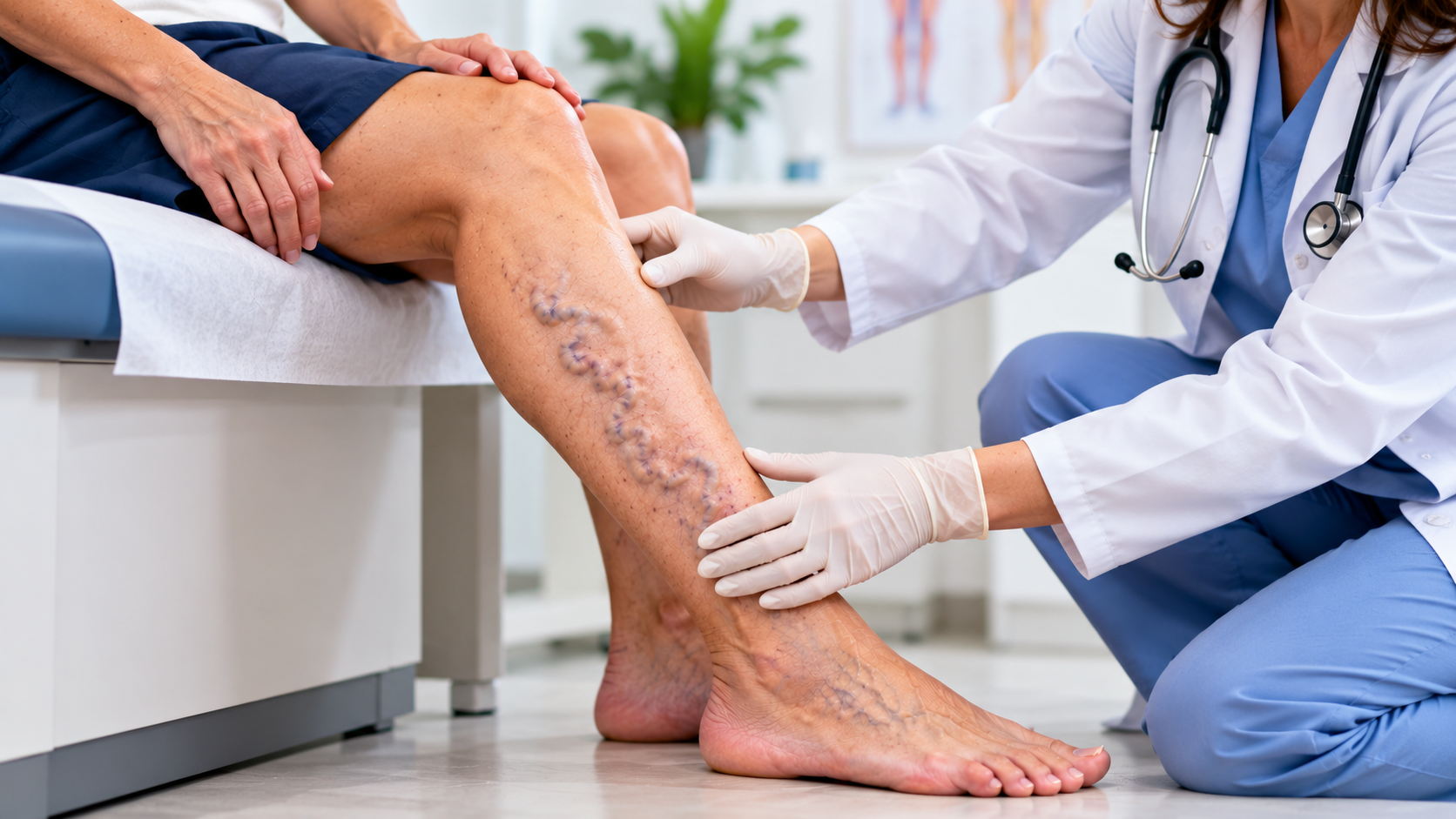
In a smaller number of cases, untreated venous insufficiency can be associated with more significant complications over time, including skin changes around the ankle, or in rare cases, skin ulcers near affected veins. This doesn’t mean every case of varicose veins will progress this way; many people live for years with mild, stable varicose veins that never become more serious. But it does mean that dismissing symptoms as “only cosmetic” without an evaluation isn’t necessarily an accurate assumption to make on your own.
This is exactly the kind of judgment call that benefits from a clinical opinion rather than guesswork: a vein specialist can look at your specific veins, ask about your symptoms and history, and help you understand which category your case is more likely to fall into.
When Should You See a Vein Specialist?
There’s no single symptom that automatically means you need immediate treatment, but there are several signs that make scheduling a vein evaluation in East Stroudsburg a reasonable next step rather than something to keep putting off:
- Visible varicose veins that are new, growing, or changing in appearance
- Persistent leg swelling that doesn’t improve with rest or elevation
- Aching, heaviness, or throbbing that interferes with daily activities
- Skin changes near a varicose vein, such as discoloration or thickening
- Any sign of skin breakdown or an open sore near a varicose vein (this warrants prompt medical attention)
- Symptoms that have been present for a while and don’t seem to be improving on their own
If any of this sounds familiar, the most useful next step isn’t trying to diagnose yourself from a symptom list it’s scheduling an evaluation with a provider who can examine the affected area directly, review your medical history, and determine what, if anything, is actually going on.
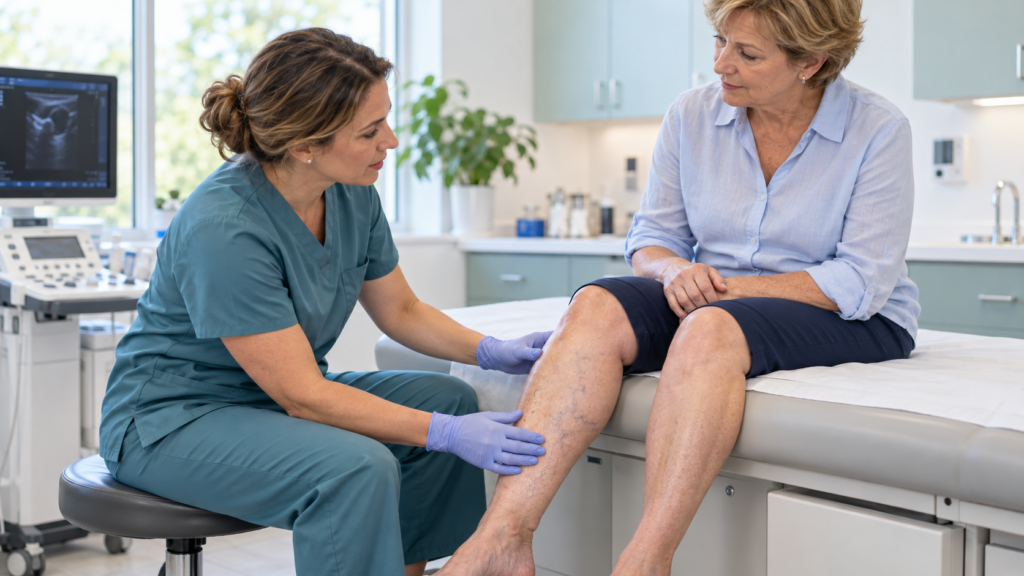
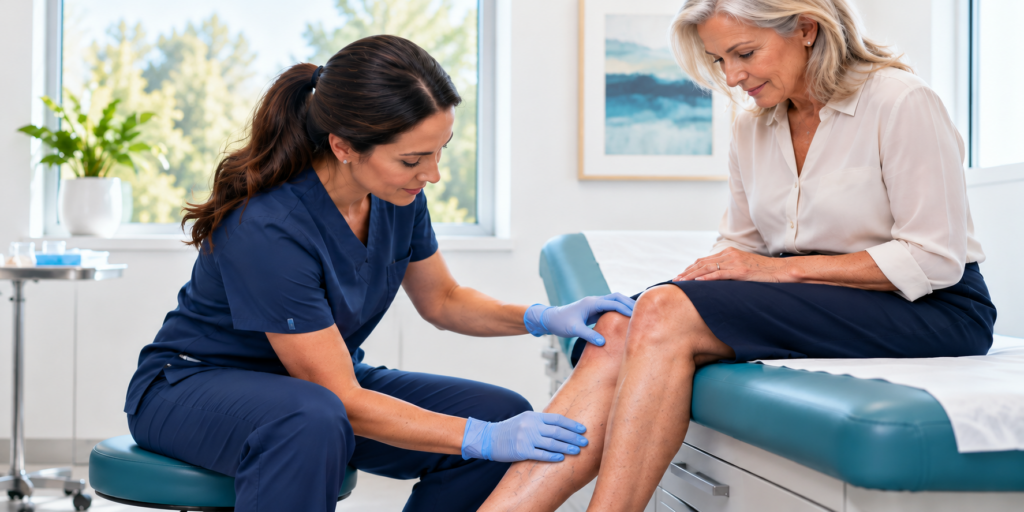
What Happens During a Vein Evaluation
Understanding what an evaluation actually involves can make the idea of scheduling one feel less intimidating. While the specifics can vary by provider and by patient, a typical vein evaluation generally includes:
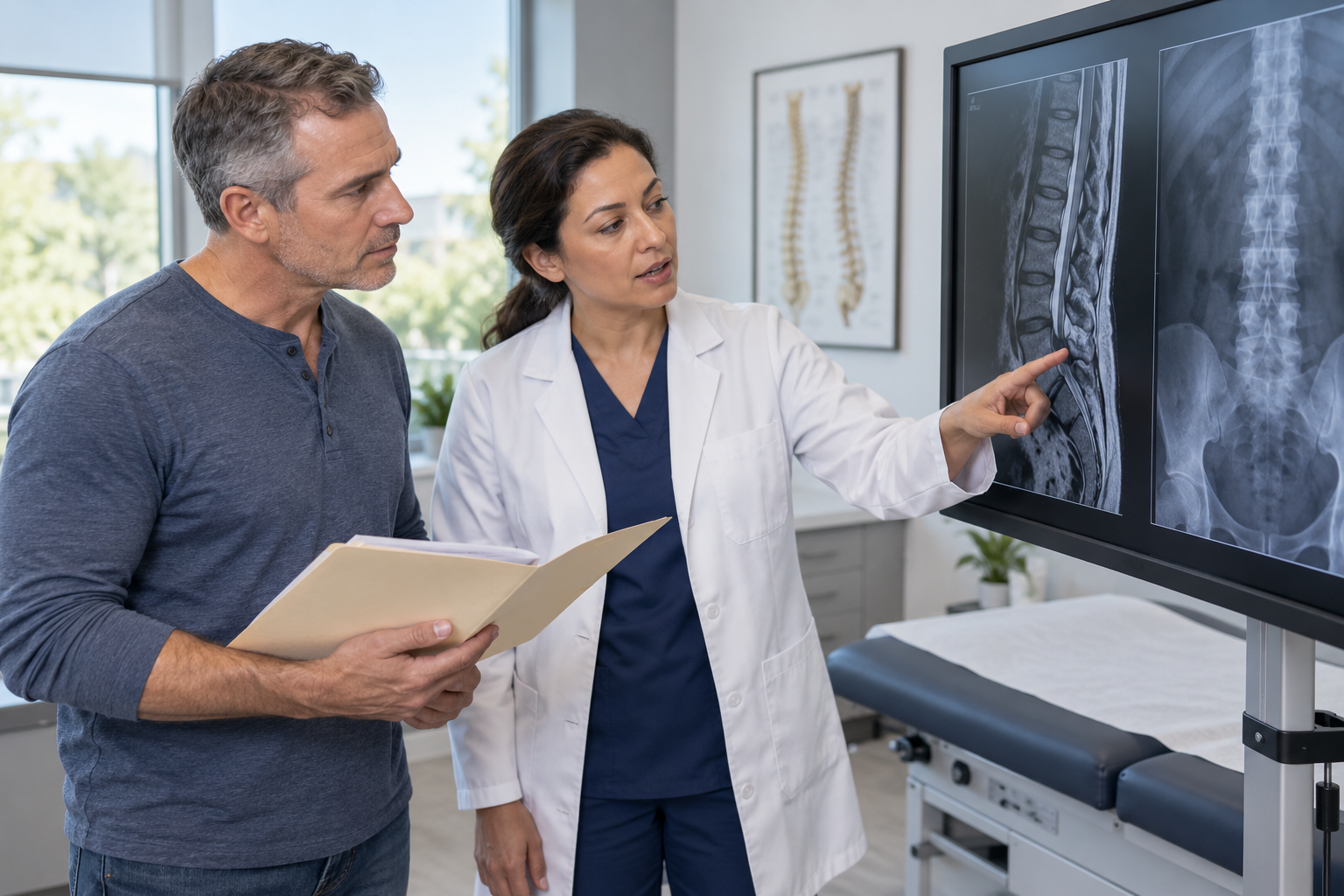
- A conversation about your symptoms : when you first noticed changes, what makes them better or worse, and any patterns you’ve observed.
- A review of your medical history, including any family history of vein issues, prior pregnancies, previous blood clots, or relevant health conditions.
- A physical examination of the affected leg or legs, looking at the visible veins, any swelling, and skin condition.
- Diagnostic imaging, when appropriate : often an ultrasound, which allows a provider to see how blood is flowing through the veins and identify any valve dysfunction that isn’t visible from the surface. Whether imaging is needed, and what type, depends on your individual presentation and should be confirmed directly with the clinic you’re scheduling with.
- A discussion of findings and possible next steps. Depending on what the evaluation shows, next steps might include monitoring, conservative measures, or further discussion of treatment options the specific recommendation depends entirely on your individual case, not a one-size-fits-all protocol.
It’s worth emphasizing that an evaluation does not commit you to any particular treatment. Many patients are evaluated and found to be reasonable candidates for simple monitoring rather than active treatment. Getting evaluated is about gathering accurate information, not about being pushed toward a procedure.
A Note on Treatment Options
While this article focuses primarily on symptoms, causes, and the evaluation process, it’s worth briefly noting that a range of approaches exist for varicose veins when treatment is appropriate from conservative measures to more targeted procedures. Because the right approach depends entirely on the individual patient’s evaluation findings, this article won’t speculate on which option might suit any particular reader. If you’re curious about the range of options generally available, our vein treatments page provides a broader overview.
Living in East Stroudsburg and Nearby Communities
Patients throughout East Stroudsburg and the surrounding Monroe County and Pocono communities, including Stroudsburg, Marshalls Creek, Bartonsville, Tannersville, Delaware Water Gap, Mount Pocono, and Bushkill, often share similar questions when they first start researching vein health: is this normal, is it serious, and what should I actually do about it? There’s no universal answer, which is exactly why an individualized evaluation matters more than general information found online, including this article.