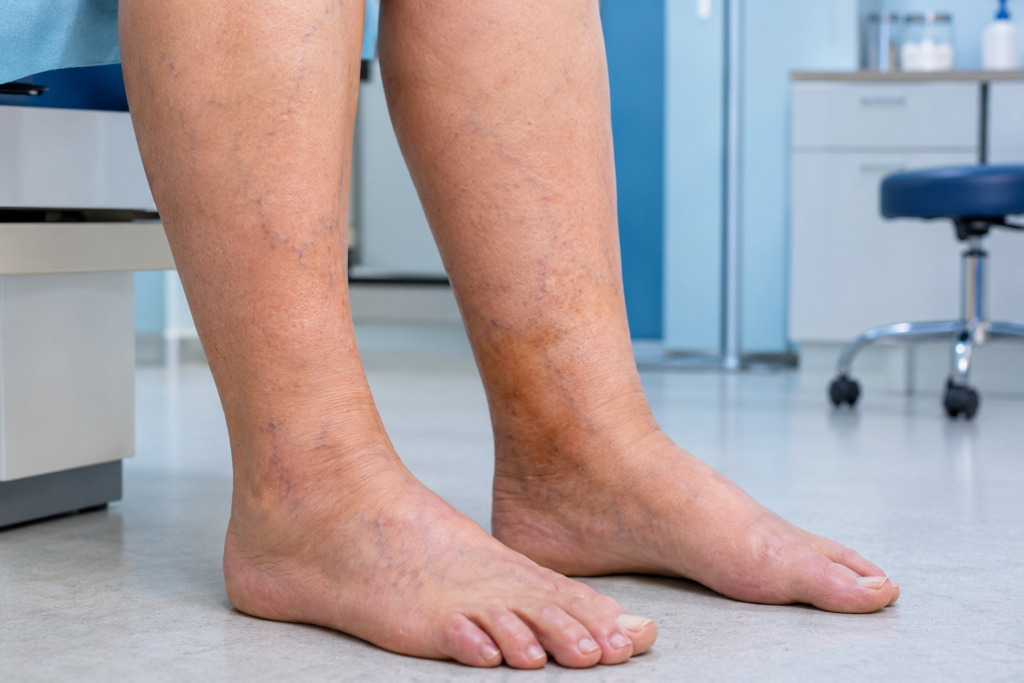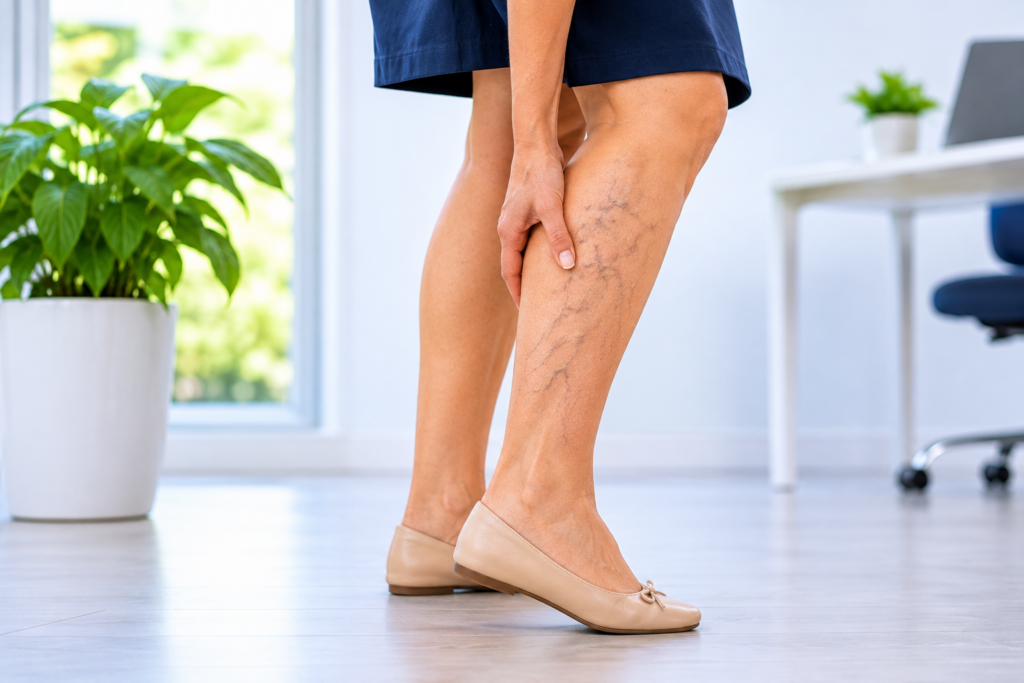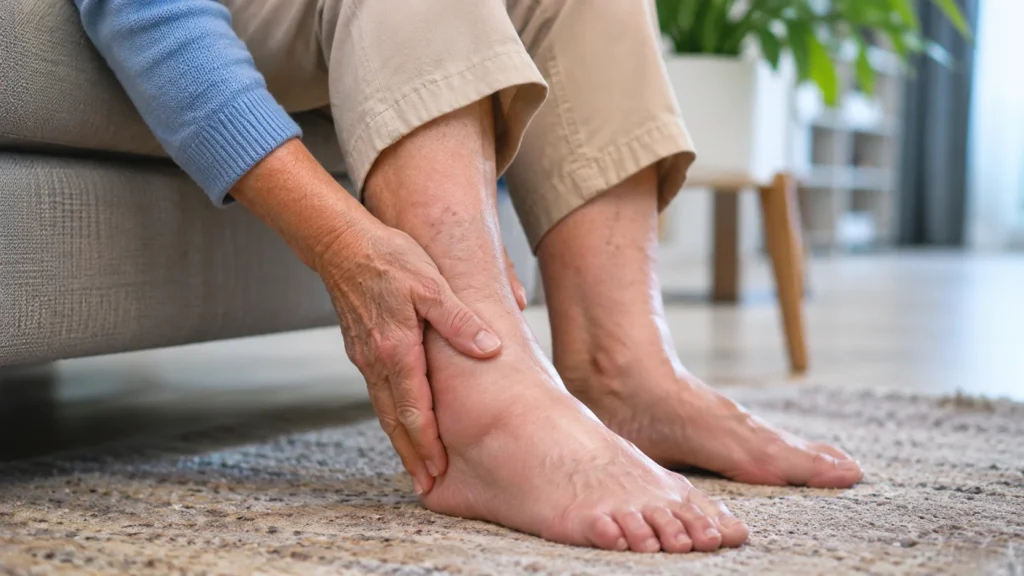


Leg swelling can develop after spending hours on your feet, sitting for a long period, or dealing with an injury. In other cases, swelling that keeps returning may be connected to how blood or fluid moves through the legs.
When considering leg swelling causes in Bloomfield NJ, it is important not to assume that every swollen ankle or lower leg is a vein problem. Swelling can have several causes, ranging from temporary fluid buildup to medication effects and medical conditions. However, when swelling repeatedly affects the lower legs, especially alongside aching, heaviness, visible veins, or skin changes, vein function may be one factor worth evaluating.
What Is Actually Happening When a Leg Swells?
Swelling caused by excess fluid in the body’s tissues is known as edema. In the legs, it may affect the feet, ankles, calves, or a larger portion of the limb.
You may first notice that your socks leave deeper marks than usual, your shoes feel tighter later in the day, or the skin around an ankle looks puffy. Some people also notice that pressing the swollen area temporarily leaves an indentation.
According to the Cleveland Clinic, edema can occur for many reasons, including prolonged sitting or standing, medication side effects, pregnancy, venous insufficiency, blood clots, and certain heart, liver, kidney, or thyroid conditions.
Because the possible causes vary considerably, persistent swelling deserves evaluation rather than diagnosis based on appearance alone.
How Can Vein Problems Lead to Swollen Legs?
Healthy leg veins help move blood upward toward the heart. One-way valves inside these veins help prevent blood from flowing backward.
With venous insufficiency, those valves may become weakened or damaged. Blood can then pool in the lower legs, increasing pressure within the veins. That pressure can contribute to fluid moving into surrounding tissues, resulting in swelling.
MVM Health identifies leg swelling as one of the symptoms associated with venous insufficiency and evaluates it alongside other findings such as aching, heaviness, and skin changes.
Learn more about venous insufficiency and its symptoms.
Does the Pattern of Swelling Matter?
Yes. Where and when swelling develops can provide important information, although the pattern alone cannot establish the cause.
| Pattern you notice | Information worth discussing with your provider |
| Swelling in one leg | When it started and whether pain, warmth, redness, or tenderness is present |
| Swelling in both legs | Whether it develops gradually and whether medications or other health conditions may contribute |
| Worse later in the day | How long you spend sitting or standing and whether heaviness or aching also develops |
| Swelling with visible veins | Whether varicose veins or other vein changes have appeared |
| Swelling with skin changes | Any itching, discoloration, dryness, thickening, or wounds around the lower leg |
This is one reason a clinical evaluation is more useful than trying to identify the cause from swelling alone.
Not All Leg Swelling Comes From Your Veins
The connection between leg swelling and veins is important, but veins are only one part of the differential diagnosis.
Long periods of sitting or standing can contribute to temporary fluid accumulation. An injury or inflammation may cause localized swelling. Certain medications can also contribute to edema.
Other causes may involve the lymphatic system or medical conditions affecting the heart, kidneys, liver, or thyroid. A blood clot can also cause leg swelling and requires prompt medical attention.
That range of possibilities is why recurring swollen legs should not automatically be treated as venous insufficiency without an appropriate medical assessment.
Is Leg Swelling Becoming a Regular Problem?
If swelling keeps returning or appears with aching, heaviness, visible veins, or skin changes, an evaluation can help determine whether a vein problem may be contributing.
What Can a Vein Evaluation Tell You?
A vein evaluation begins with the pattern of your symptoms.
Your provider may ask when the swelling started, whether it affects one or both legs, how it changes throughout the day, and whether you have experienced aching, heaviness, visible veins, previous blood clots, or skin changes.
A physical examination can provide additional information. When clinically appropriate, diagnostic testing such as a venous duplex ultrasound may be used to assess blood flow and determine whether venous reflux or another vascular concern is present.
MVM Health’s leg swelling condition page explains how vein-related swelling may be evaluated and managed based on its underlying cause.
When Swelling Shouldn’t Wait for a Routine Appointment

Some changes require more immediate medical attention.
Sudden swelling in one leg, particularly when accompanied by pain, warmth, redness, or tenderness, may require urgent assessment because a blood clot is one possible cause. Swelling associated with chest pain, difficulty breathing, fainting, or coughing up blood requires emergency medical care.
A wound that is not healing or rapidly worsening swelling should also be brought to a healthcare professional’s attention promptly.
For swelling that develops gradually or repeatedly returns without emergency symptoms, a scheduled evaluation can help identify what is contributing.
Where to Get Help for Persistent Leg Swelling in Bloomfield
MVM Health evaluates concerns including leg swelling, venous insufficiency, varicose veins, spider veins, and heavy or aching legs at its Bloomfield vein clinic.
The Bloomfield office is located at 1129 Broad Street, Bloomfield, NJ 07003, serving patients in Bloomfield and surrounding Essex County communities including Montclair, Nutley, Belleville, Glen Ridge, and Newark.
Patients can review the Bloomfield vein treatment page for current information about local vein care or visit the MVM Health Bloomfield location page for clinic details.
The Cause Matters More Than the Swelling Alone
Leg swelling is easy to see, but appearance alone does not explain why it is happening. The more useful clues often come from the pattern: whether one or both legs are affected, when swelling develops, whether it improves with rest, and whether other symptoms appear alongside it.
Understanding leg swelling causes starts with identifying what is driving the fluid buildup rather than simply trying to reduce the visible swelling. When symptoms persist or keep returning, a medical or vein evaluation can help determine whether venous insufficiency or another condition needs attention.