


Chronic pain treatment in Wayne PA is specialist-led care for pain lasting 12 weeks or longer, offered through MVM Health by fellowship-trained pain and spine physicians. Care starts with an accurate diagnosis, followed by options ranging from injections to spinal cord stimulation and regenerative medicine, available locally with convenient appointment options.
Chronic pain is the kind of problem that does not announce itself all at once. It builds gradually, finding its way into every part of daily life until avoiding it becomes the default. The way you sit at your desk, how long you can stand in line, whether you can get through the day without reaching for over-the-counter medication – pain starts making those decisions for you.
This guide covers what chronic pain treatment Wayne PA is, why general treatment often falls short, and what patients in the Wayne area can expect from specialist-level care at MVM Health.
Understanding Chronic Pain and Why It Needs Specialist Care
Chronic pain means pain that lasts 12 weeks or longer, usually long after the injury or cause of illness is gone. But it is not just the duration of the pain which makes chronic pain distinct from acute pain. Rather, the cause itself plays a part. With chronic pain, the mechanisms often involve altering the nervous system’s way of interpreting pain signals, also called central sensitization. The nervous system, over time, becomes hypersensitive, intensifying pain and occasionally even producing it even though there is no actual damage to the tissue.
Effective pain management in Wayne PA requires a specialist who understands these mechanisms and has access to the diagnostic tools and treatment options to address them properly. A general practitioner visit and a prescription is a starting point, not a solution.
Care Tip: If your pain has lasted more than three months, has not improved with rest or over-the-counter medication, or is interfering with sleep or daily function, that is the signal to move from general care to specialist-level evaluation.
Conditions Treated by Chronic Pain Specialists at MVM Health
- Chronic back and neck pain: Persistent spinal pain stemming from degenerative disc disease, facet joint arthritis, muscle tension, or ligament strain that has not resolved with conservative measures.
- Sciatica and nerve root compression: pain, tingling, or numbness spreading from the lower back into the buttock and down the leg as a result of the sciatic nerve or spinal roots being compressed.
- Degenerative disc disease: degeneration of the intervertebral discs which causes loss of disc height, instability and chronic pain which is aggravated by sitting, bending, or lifting.
- Spinal stenosis: narrowing of the spinal canal compressing the nerves which typically cause leg pain, cramping that is increased by walking, and which improves by sitting or bending forward.
- Sacroiliac joint dysfunction: a commonly missed cause of deep lower back and buttock pain that presents as either disc or nerve pain.
- Fibromyalgia and widespread pain: a central sensitization syndrome that causes pain, fatigue and cognitive symptoms throughout the musculoskeletal system without a single cause.
- Failed back surgery syndrome: pain that continues or returns after back surgery requiring a reevaluation by a specialist that is frequently managed by intervention and regenerative therapy.
- Complex Regional Pain Syndrome (CRPS): a chronic pain state following injury that causes burning pain, swelling, skin changes, and an exaggerated level of sensitivity.
How Chronic Pain Is Properly Diagnosed
One of the most common frustrations among chronic pain patients is that they have never received a clear, specific diagnosis. They know they are in pain, but no provider has been able to tell them precisely which structure is responsible and why. This gap is where specialist evaluation makes an immediate and meaningful difference. To overcome this, you can also learn about Natural Long-Term Chronic Pain Relief Through Exercise.
Patient History and Symptom Mapping
A detailed account of when pain started, where it is located, how it behaves throughout the day, what makes it worse, and what treatments have already been tried gives the specialist critical clinical information before any imaging is ordered. This conversation is the foundation of accurate diagnosis.
Advanced Diagnostic Imaging
MRI scans provide detailed visualization of soft tissues including discs, nerves, ligaments, and joints. CT scans offer high-resolution images of bony structures. X-rays assess alignment, disc height, and bone density. The combination of imaging modalities used depends on the clinical picture established in the patient history.
Neurological Assessment
Testing reflexes, muscle strength, sensation, and coordination in the affected areas helps identify whether the nervous system is involved and at which level. This is particularly important for conditions like sciatica, spinal stenosis, and CRPS, where neurological findings confirm the diagnosis and guide treatment selection.
Nerve Conduction Studies
For patients with suspected neuropathic pain, nerve conduction studies and electromyography measure electrical activity in nerves and muscles, confirming which nerves are affected and to what degree.
Chronic Pain Treatment Options Available at MVM Health
Non-Surgical Interventional Treatments
These are image-guided, outpatient procedures that target the specific structure generating pain. Most are performed in under an hour with same-day discharge.
- Epidural steroid injections: Deliver anti-inflammatory medication directly to irritated nerve roots, reducing inflammation and pain radiating from the spine into the arms or legs.
- Medial branch blocks and radiofrequency ablation: Confirm and treat facet joint pain – one of the most common and under-treated sources of chronic back and neck pain. Radiofrequency ablation may provide longer-lasting relief for selected patients.
- Sacroiliac joint injections: Target the SI joint specifically, both confirming the diagnosis and reducing inflammation at the source.
- Nerve blocks: Interrupt specific nerve pathways responsible for pain, used for sciatica, occipital headaches, and other nerve-driven conditions.
- Spinal cord stimulator trial: A temporary device placed near the spinal cord that delivers electrical impulses disrupting pain signals before they reach the brain. If effective during the trial period, a permanent device can be implanted.
- Peripheral nerve stimulation: Targets specific peripheral nerves directly, effective for chronic limb pain, post-surgical nerve pain, and CRPS.
Advanced and Minimally Invasive Surgical Procedures
For patients whose conditions have progressed beyond what injections alone can address, MVM Health offers several advanced procedures that sit between conventional conservative care and major open surgery.
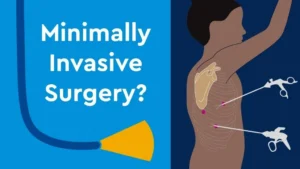
- Intracept procedure: Targets the basivertebral nerve inside the vertebra, which no injection can reach, to treat vertebrogenic low back pain – one of the most significant advances in back pain treatment in recent years.
- MILD procedure: A same-day outpatient decompression for lumbar spinal stenosis that removes tissue compressing the spinal canal without fusion or general anesthesia.
- Catamaran SIJ fusion: A minimally invasive fusion option for patients with advanced sacroiliac joint disease who have exhausted injection-based treatment.
- Curonix wireless spinal cord stimulation: Wireless spinal cord stimulation may be considered for select patients with treatment-resistant chronic pain when appropriate after evaluation.
- ViaDisc nucleus replacement: A biologic disc repair option for patients with degenerative disc disease who want to address the damaged tissue itself rather than manage symptoms around it.
Regenerative Medicine
- Platelet-Rich Plasma (PRP) therapy: PRP may be considered in select cases to support tissue recovery when clinically appropriate.
- Bone Marrow Aspirate Concentrate (BMAC): BMAC may be considered for select patients after a medical evaluation.
Treatment Comparison at a Glance
| Treatment Type | Best For | Expected Duration of Relief |
| Epidural Steroid Injection | Sciatica, herniated disc, nerve root pain | Weeks to months |
| Radiofrequency Ablation | Facet joint arthritis, chronic back/neck pain | 9 to 18 months |
| Nerve Block | Specific nerve pathway pain, CRPS, headaches | Variable |
| Spinal Cord Stimulator | Treatment-resistant chronic pain, FBSS | Long-term with adjustments |
| PRP Therapy | Joint degeneration, soft tissue damage | Months to years |
| Intracept Procedure | Vertebrogenic low back pain | Long-term |
| MILD Procedure | Lumbar spinal stenosis | Long-term |
What Makes MVM Health the Right Choice for Pain Management in Wayne PA
Fellowship-Trained Academic Physicians
Fellowship training in pain management requires an additional one to two years of subspecialty education beyond standard residency, focused entirely on diagnosis and treatment of complex pain conditions. The MVM Health team includes multiple fellowship-trained physicians with academic pedigrees from Harvard Medical School, Johns Hopkins Hospital, the University of Miami, and Baylor College of Medicine. MVM Health offers a broader range of diagnostic and interventional pain treatment options than many traditional care settings.
Access to Procedures Most Clinics Do Not Offer
Many pain clinics operate within a narrow menu of treatments. Epidural injections and referral to surgery are often the beginning and end of what is available. MVM Health offers the Intracept procedure, Curonix wireless SCS, ViaDisc, the MILD procedure, and other advanced interventions that most regional clinics have not introduced. Patients who have been told surgery is their only option often discovered otherwise at MVM Health.
Second Opinion Program
If you have been told surgery is your only option, or you simply want another physician’s review before committing to a treatment plan, MVM Health offers a dedicated second opinion program. A fellowship-trained physician reviews your case and imaging to confirm the diagnosis and outline any alternatives worth considering.
Telehealth and Flexible Access
Not every visit requires an in-person appointment. MVM Health offers telehealth consultations for follow-ups, medication management, and initial evaluations, along with same-week scheduling for patients across Wayne and Delaware County.
Insurance Coverage
MVM Health works with most major insurance plans, and the team can verify your specific benefits before your first visit. This helps you understand your coverage for diagnostics, injections, and advanced procedures ahead of time, with no surprises later.
Find the Right Care for Lasting Comfort
Chronic pain can affect how you move, sleep, work, and enjoy daily life. Also, Learn How Weight, Sleep, and Posture Impact Chronic Pain. A focused care plan starts with finding the source of pain, not guessing. For patients seeking chronic pain treatment in Wayne PA, MVM Health offers evaluation and treatment options designed around the condition, symptoms, and long-term goals.
Schedule Your Chronic Pain Consultation Near Wayne PA
Relief Begins with the Right Care at MVM Health. Schedule your consultation near Wayne, PA, to receive clear medical guidance, a comprehensive evaluation, and a personalized treatment plan designed to address the root cause of your pain. Let our dedicated team help you regain mobility, improve your quality of life, and return to doing what you love with greater comfort and confidence.