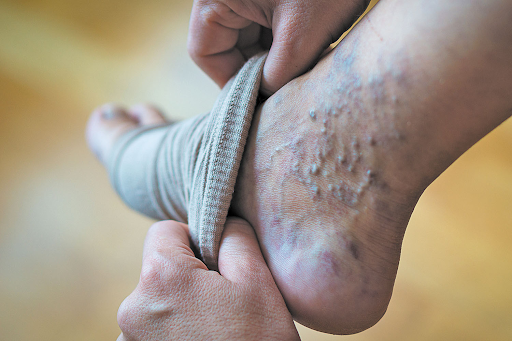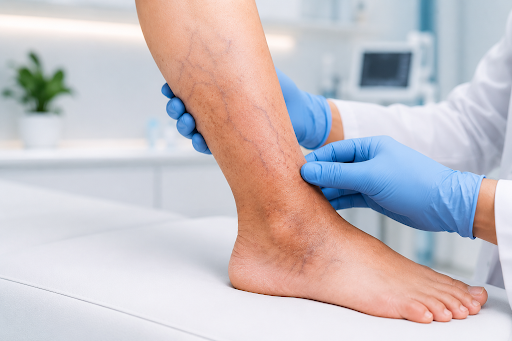

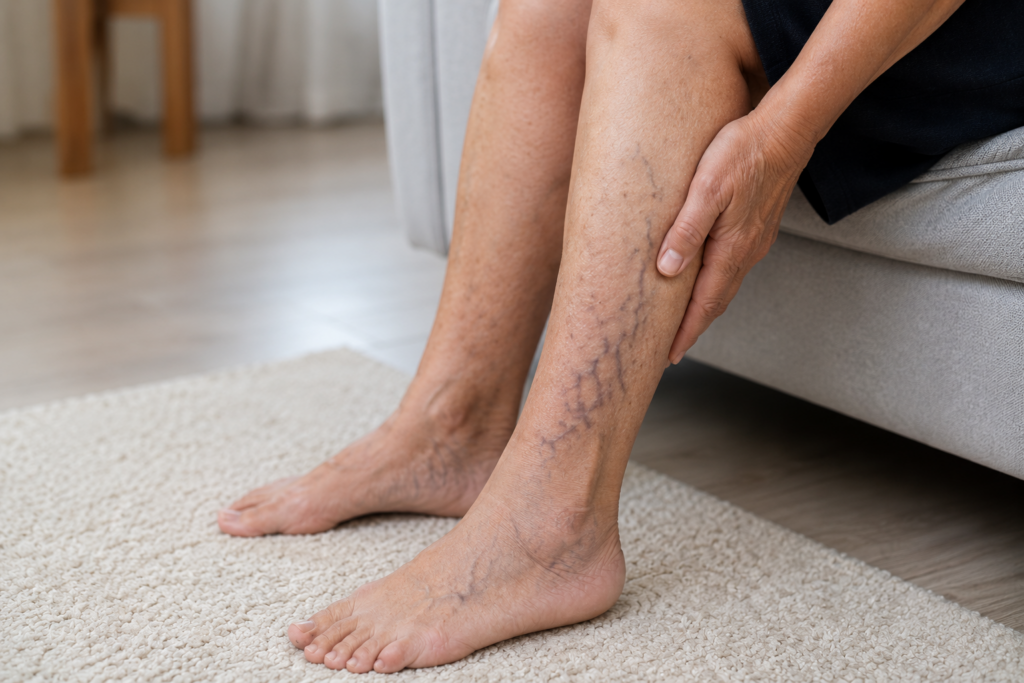
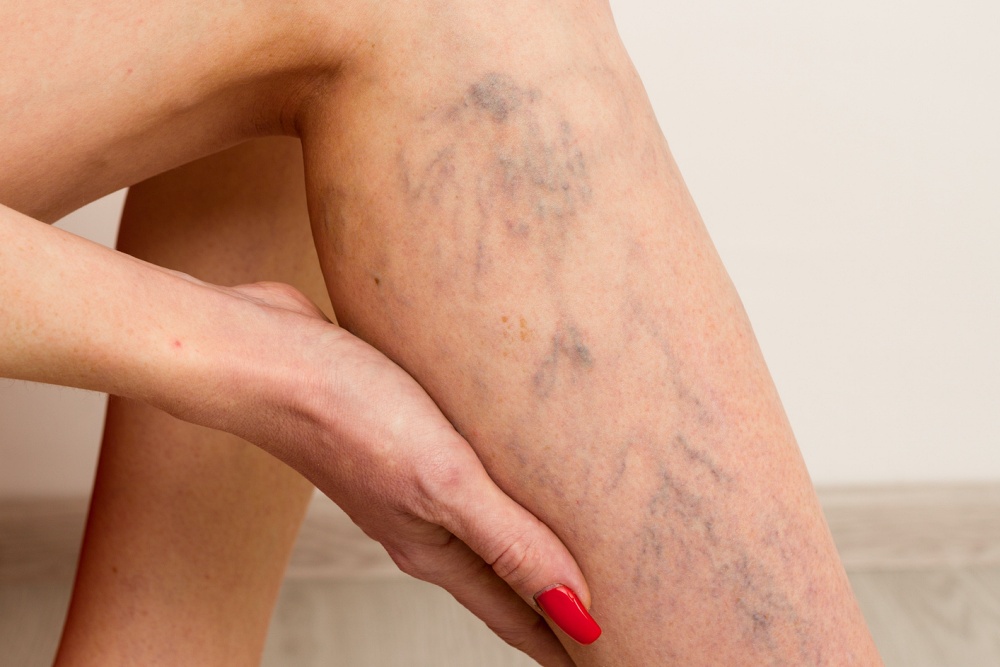
Varicose veins happen when the valves inside your veins stop working the way they should. Blood that’s supposed to flow up toward your heart pools in your legs instead, and over time the veins swell, twist, and bulge under the skin. This condition, known medically as venous insufficiency, affects millions of adults and tends to get worse without treatment.
At MVM Health, our vein specialists see this pattern every day. Patients come in thinking their achy, heavy legs are just a normal part of getting older or standing all day at work. Often, it’s actually a treatable circulation problem. This guide walks through what causes varicose veins, how to spot the warning signs, and when it’s time to book an appointment with a specialist.
Key Takeaway
The most noticeable symptom of venous insufficiency is the appearance of varicose veins, which are veins that have become backflowed. If it’s not treated, it may cause swelling, skin changes and sometimes blood clots. Proper evaluation by vein doctors early can help avoid complications and can ease the discomfort of day to day life.
What Is Venous Insufficiency?
There are small valves within your veins that prevent the blood from flowing downwards. These valves then weaken, or are damaged, and blood accumulates in the veins of the lower leg. This is known as chronic venous insufficiency and one of the most frequent signs of this is varicose veins.
Not everyone with venous insufficiency has visible bulging veins right away. Some people notice symptoms like fatigue, swelling, or itching well before any veins become visible. That’s part of why so many cases go undiagnosed for years.
Doctors typically describe venous insufficiency in stages, ranging from mild spider veins with no symptoms all the way to advanced disease with skin ulcers. Most people fall somewhere in the middle, dealing with visible veins plus some combination of pain, swelling, or heaviness. Knowing where you fall on that spectrum helps determine how urgently you should be seen and what kind of treatment makes sense.
It’s also worth noting that venous insufficiency is a progressive condition. That doesn’t mean everyone ends up with severe complications, but symptoms rarely improve without some form of intervention. A vein that isn’t working properly today will keep sending blood in the wrong direction tomorrow, which is why specialists recommend getting evaluated sooner rather than later.
What Causes Varicose Veins?
Vein valve damage doesn’t happen for just one reason. It’s usually a mix of genetics, lifestyle, and physical stress on your circulatory system. We cover this in detail in our article on what causes varicose veins and the 8 risk factors to know, but here’s a quick rundown of the most common contributors:
- Family history. If a parent had varicose veins, your risk goes up significantly.
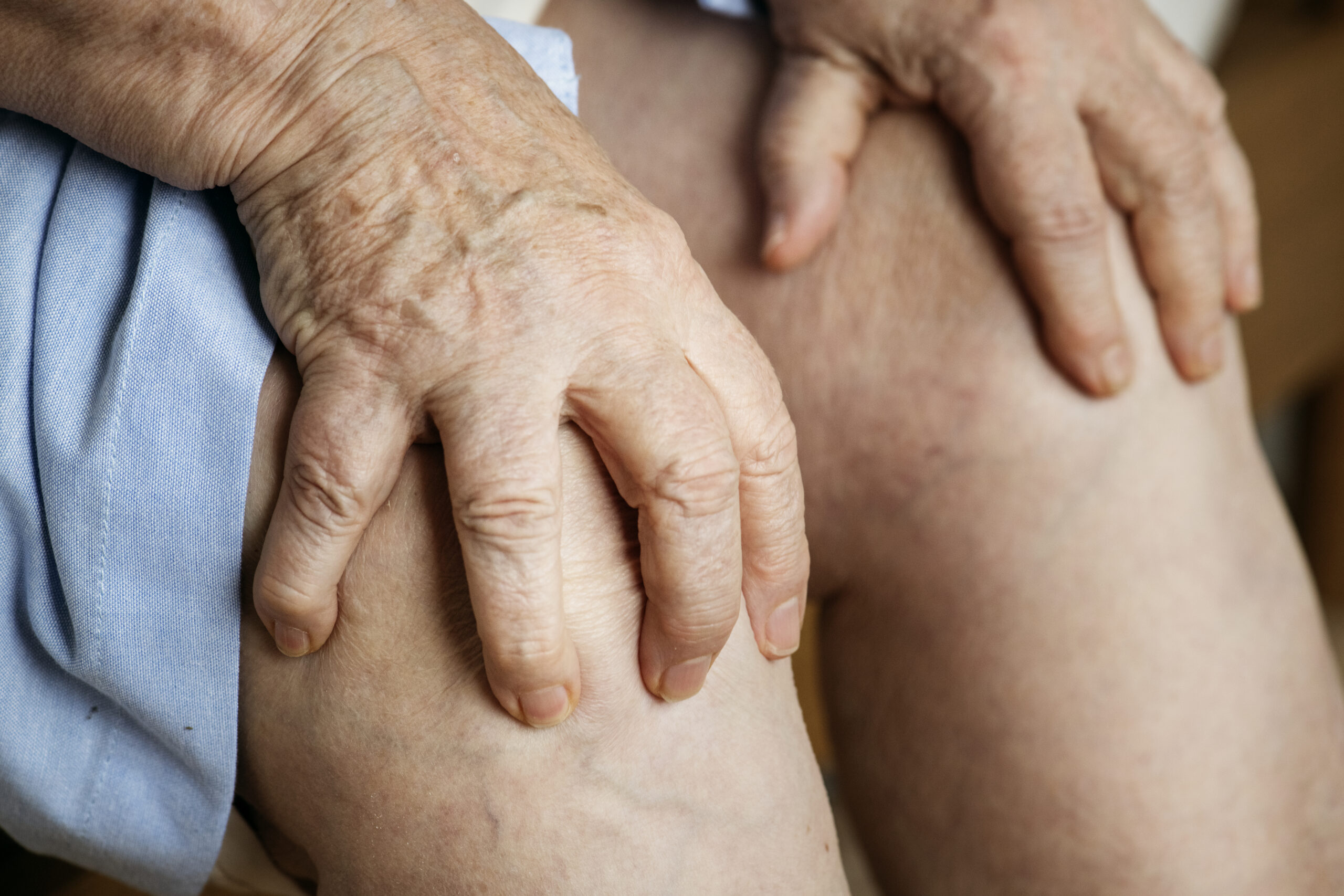
- Age. Vein walls and valves naturally lose elasticity over time.
- Prolonged standing or sitting. Jobs that keep you on your feet or seated for long stretches slow circulation.
- Pregnancy. Increased blood volume and hormonal shifts put extra pressure on leg veins.
- Obesity. Extra body weight adds pressure to the venous system.
- Hormonal changes. Birth control, hormone therapy, and menopause can all play a role.
- Previous blood clots. Damage from an earlier clot can weaken valves permanently.
- Sex. Women develop varicose veins more often than men, partly due to hormonal factors.
Understanding your personal risk factors helps you catch problems early, before they progress into something more serious.
Common Symptoms of Venous Insufficiency
Varicose veins are the most visible symptom, but they’re rarely the only one. Most patients describe a combination of the following:
- Bulging, rope-like veins, usually on the calves or inner thighs
- Aching or throbbing in the legs, especially by the end of the day
- Swelling in the ankles or feet
- Itching or burning skin near the affected veins
- A heavy, tired feeling in the legs
- Cramping, particularly at night
- Skin discoloration around the ankles in more advanced cases
Why Do My Legs Feel Heavy?
Leg heaviness is one of the earliest and most overlooked symptoms of vein disease. It often shows up before any veins are visibly enlarged, which is why so many people dismiss it as normal tiredness. We break down all seven possible causes, including vein disease, in Why Your Legs Feel Heavy. If the heaviness gets worse as the day goes on and improves when you elevate your legs, venous insufficiency is a likely culprit.
Don’t Wait for Symptoms to Get Worse
Venous insufficiency tends to progress without treatment. The sooner you’re evaluated, the more options you have. Book a consultation with MVM Health and find out where you stand.
Is Leg Swelling a Sign of Vein Disease?
Swelling, especially around the ankles, is another red flag. It happens because pooled blood pushes fluid out of the veins and into surrounding tissue. Our detailed breakdown on whether leg swelling signals vein disease explains how to tell the difference between everyday swelling and something that needs medical attention.
Spider Veins vs. Varicose Veins: What’s the Difference?
People often use these terms interchangeably, but they’re not the same thing. Spider veins are small, thin, web-like veins near the skin’s surface. They’re usually red or blue and don’t bulge. Varicose veins are larger, raised, and often cause physical symptoms like pain or swelling.
Both can be signs of underlying venous insufficiency, but varicose veins are more likely to indicate a deeper circulation problem. For a full side-by-side comparison, see our guide on spider veins vs. varicose veins.
Are Varicose Veins Dangerous If Left Untreated?
Many people assume varicose veins are purely a cosmetic issue. In mild cases, that can be true. But when venous insufficiency progresses without treatment, it can lead to more serious complications, including skin ulcers, chronic inflammation, and in some cases, blood clots.
Our article on whether varicose veins are dangerous if left untreated walks through the full progression, from mild symptoms to advanced venous disease. The short version: the earlier you address it, the fewer complications you’re likely to face.
Can Varicose Veins Cause Blood Clots?
This is one of the most common questions we get from patients. Varicose veins themselves don’t automatically cause clots, but the same poor circulation that causes varicose veins can increase your risk of superficial vein thrombosis or, less commonly, deep vein thrombosis. We explain the connection in detail in can varicose veins cause blood clots. If you notice sudden swelling, warmth, or pain in one leg, that’s worth an urgent evaluation.
Varicose Veins During Pregnancy
Pregnancy is one of the most common triggers for new varicose veins. Rising hormone levels relax vein walls, while increased blood volume and pressure from the growing uterus make it harder for blood to flow back up from the legs. Many of these veins improve after delivery, but not always.
If you’re pregnant and noticing new veins or leg discomfort, our guide on varicose veins during pregnancy: causes and relief covers safe ways to manage symptoms until you’re able to be evaluated.
How Vein Specialists Diagnose Venous Insufficiency
A diagnosis usually starts with a physical exam and a conversation about your symptoms and family history. From there, most specialists use a duplex ultrasound. This painless imaging test shows how blood is flowing through your veins and pinpoints exactly which valves aren’t working properly.
This step matters because treatment decisions depend on the specific veins involved and how severe the reflux is. Guessing based on appearance alone isn’t enough, and it’s one reason self-diagnosing at home isn’t reliable.
Treatment Options for Varicose Veins
Treatment has come a long way from the surgical vein stripping of decades past. Most patients today are candidates for minimally invasive, in-office procedures with little to no downtime. Common options include:
- Endovenous laser or radiofrequency ablation. Heat energy closes off the damaged vein so blood reroutes through healthier ones.
- Sclerotherapy. A solution is injected into the vein, causing it to collapse and fade over time.
- VenaSeal or medical adhesive closure. A small amount of adhesive seals the vein shut.
- Compression therapy. Often used alongside other treatments or for milder cases to support circulation.
The right approach depends on the size, location, and severity of the affected veins, which is why an ultrasound-based evaluation matters so much before starting treatment.
Most in-office procedures take less than an hour, use local anesthesia, and let patients drive themselves home the same day. That’s a big shift from the older approach of surgical vein stripping, which involved general anesthesia and weeks of recovery. Because the newer techniques are so much less invasive, patients often wait less time between diagnosis and treatment than they expect.
It’s also common to treat more than one vein over the course of a few visits, especially if venous insufficiency has affected multiple areas of the leg. A specialist will typically map out a treatment plan during your initial consultation so you know what to expect from start to finish.
When Should You See a Vein Specialist?
You don’t need to wait until your veins look severe to get checked. Consider scheduling an evaluation if you notice:
- Visible bulging or twisted veins, even if they don’t hurt yet
- Ongoing leg heaviness, aching, or fatigue
- Swelling that doesn’t go down overnight
- Skin changes like discoloration, dryness, or hardening near the ankles
- Open sores or wounds on the lower leg that heal slowly
- Sudden pain, warmth, or swelling in one leg
Waiting rarely makes venous insufficiency better on its own. A short consultation can tell you exactly where you stand and what your options are. If you’re dealing with any of these symptoms, the team at MVM Health can walk you through a full evaluation and build a treatment plan around your specific situation.
Frequently Asked Questions
Are varicose veins just a cosmetic problem?
Not always. Many people do have varicose veins with no other symptoms, but for others they signal underlying venous insufficiency that can cause pain, swelling, and skin damage over time.
Can varicose veins go away on their own?
No. Once a vein valve is damaged, it doesn’t repair itself. Compression stockings and lifestyle changes can ease symptoms, but they won’t reverse the underlying vein damage.
Is varicose vein treatment covered by insurance?
Many insurance plans cover treatment when it’s considered medically necessary, meaning you have documented symptoms like pain or swelling. Purely cosmetic treatment for spider veins is usually not covered. Your provider can help verify your specific benefits.
How long does recovery take after vein treatment?
Most modern, minimally invasive procedures allow patients to walk immediately afterward and return to normal activity within a day or two. This varies based on the specific procedure and how many veins are treated.
Will my varicose veins come back after treatment?
The treated vein itself won’t come back, since it’s closed or removed. However, new varicose veins can develop in other areas over time, especially if risk factors like family history or prolonged standing are still present.
Can men get varicose veins too?
Yes. Varicose veins are more common in women, but men develop them as well, particularly with age, family history, or jobs that involve long periods of standing.
What happens if varicose veins are never treated?
In many cases, symptoms slowly worsen over years. Some patients develop skin discoloration, hardened skin, or ulcers near the ankle. A smaller number develop blood clots. Getting evaluated early helps avoid this progression.
Do compression stockings actually help?
Yes, compression stockings can reduce swelling and discomfort by helping push blood back up toward the heart. They’re often used as a first step or alongside other treatments, though they don’t correct the underlying valve damage.