
Living in Scottsdale means dealing with heat for a significant part of the year. If you already experience leg swelling, heaviness, aching, spider veins, or varicose veins, you may notice that your legs feel different after a hot day, prolonged standing, travel, or hours spent sitting. That does not mean Arizona’s heat caused your vein problem. But warmer temperatures can widen blood vessels and may make certain existing leg symptoms feel more noticeable. So how do you tell the difference between temporary tired legs and symptoms that deserve a closer look? If you’re researching vein health in Scottsdale, this guide explains common leg-vein symptoms, how heat and daily habits may affect the way your legs feel, what visible veins can mean, and when an evaluation with a vein specialist in Scottsdale may make sense.
Why Can Your Legs Feel Different in Scottsdale’s Heat?
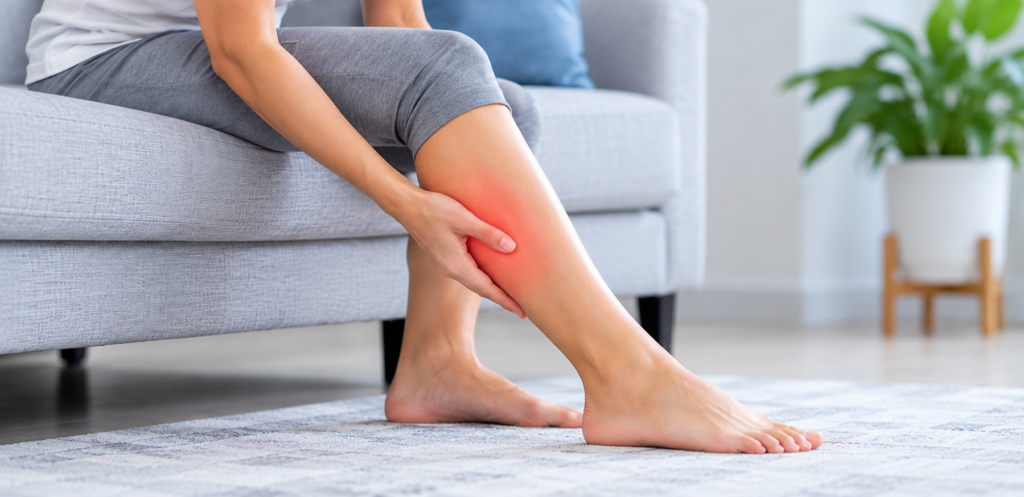
Your body has a built-in system for regulating temperature. When you’re exposed to heat, blood vessels near the skin can widen to help release heat. For someone who already has difficulty with blood returning efficiently from the legs, this can sometimes make sensations such as swelling, fullness, or heaviness more noticeable. You might notice:
- Ankles looking puffier later in the day
- Shoes or socks feeling tighter
- Deeper sock marks around the ankles
- Legs feeling heavier after being outside
- Aching after prolonged standing
- Visible veins appearing more prominent
- Symptoms becoming more noticeable toward evening
The important distinction is that heat alone does not establish that you have venous insufficiency. Temporary swelling can have many possible explanations. What matters is the pattern: how often it happens, whether it affects one or both legs, what other symptoms occur with it, and whether the problem continues or progresses.
What Does Healthy Leg Circulation Normally Do?
Veins have an important job: returning blood toward the heart. Because blood in your legs has to move upward against gravity, veins contain small one-way valves that help keep blood moving in the appropriate direction. When those valves do not function efficiently, blood can begin pooling in the lower legs. This process can contribute to chronic venous insufficiency, which may be associated with symptoms such as:
- Leg swelling
- Heaviness
- Aching
- Varicose veins
- Skin changes
- Leg fatigue
Some people develop highly visible veins, while others experience symptoms before noticing significant changes on the surface. That is why the appearance of your legs alone cannot tell you everything about your vein health.
Why Do My Legs Feel Heavy at the End of the Day?
Leg heaviness can be difficult to describe. Your legs may not necessarily hurt. Instead, they might feel tired, weighted down, tight, or less comfortable after several hours of normal activity. For some people, the pattern looks like this: Morning: Legs feel relatively normal. Afternoon: Mild tightness or fatigue develops. Evening: Legs feel heavy, swollen, or achy. A recurring morning-to-evening pattern is useful information to bring to a vein evaluation. It does not diagnose a vein condition by itself, but it gives your provider a clearer picture of how symptoms change throughout your normal day.
Varicose Veins vs. Spider Veins: What’s the Difference?
People often use these terms interchangeably, but they generally describe different types of visible veins.
Spider Veins
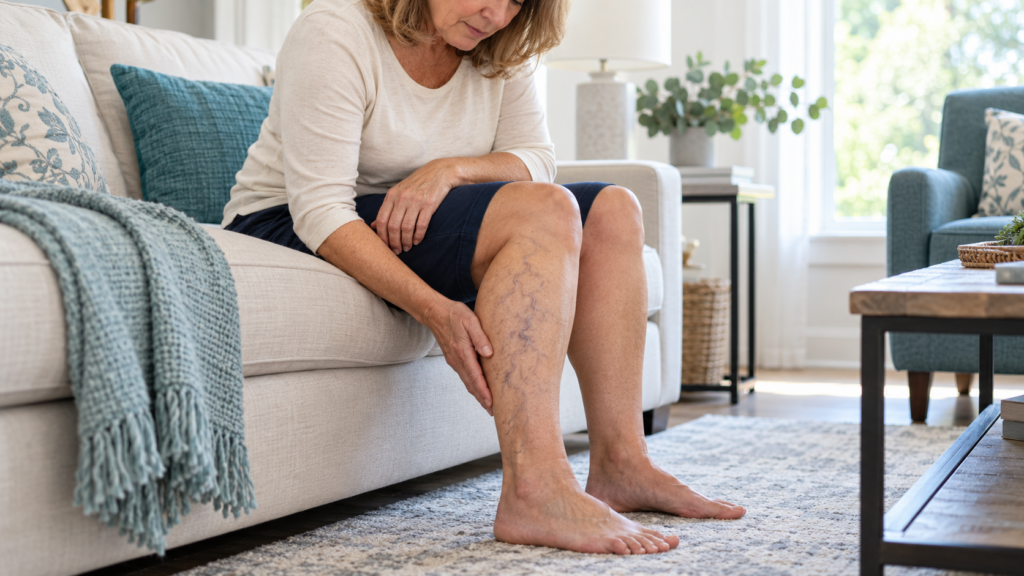
Spider veins are usually small red, blue, or purple vessels close to the surface of the skin. They may form branching or web-like patterns and are often flatter than varicose veins. For some people, spider veins are primarily a cosmetic concern. Their presence alone does not tell you whether a deeper circulation problem exists.
Varicose Veins
Varicose veins are typically larger and may appear raised, twisted, rope-like, or bulging beneath the skin. They can occur without significant discomfort, but some people experience accompanying symptoms such as:
- Aching
- Throbbing
- Swelling
- Heaviness
- Itching
- Leg fatigue
If you’re considering a varicose vein clinic in Scottsdale, an evaluation can help determine whether the visible veins are primarily cosmetic or associated with an underlying vein condition.

What Is Venous Insufficiency?
Venous insufficiency occurs when the veins have difficulty returning blood efficiently from the legs toward the heart. When vein valves become damaged or do not close properly, some blood can move backward and collect in the veins. Over time, this increased pressure may contribute to symptoms including swelling, aching, heaviness, varicose veins, or skin changes. Not everyone with visible veins has the same underlying problem, however. That is why venous insufficiency treatment in Scottsdale should begin with an individualized evaluation rather than choosing a procedure based only on how a vein looks.
Can Standing All Day Affect Your Legs?
Yes, prolonged standing can influence how your legs feel. If your work requires you to remain on your feet for hours, you may notice swelling or heaviness becoming more noticeable toward the end of your shift. The same principle applies to prolonged sitting. When your legs remain relatively inactive for extended periods, the normal muscle activity that helps move blood through the lower extremities is reduced. Consider tracking whether your symptoms are more noticeable after:
- Long work shifts
- Desk-heavy days
- Extended driving
- Flights
- Outdoor activities in hot weather
- Long periods without changing position
Patterns like these can give your provider useful context.
When Are Visible Veins Worth Having Evaluated?
A visible vein does not automatically require treatment. However, an evaluation may be worth considering if you notice:
- New or increasingly prominent varicose veins
- Recurring ankle or lower-leg swelling
- Persistent leg heaviness
- Aching or throbbing around visible veins
- Itching or irritation around affected areas
- Changes in skin color or texture
- Symptoms interfering with work, exercise, sleep, or daily activities
When Do Leg Symptoms Need Prompt Medical Attention?
Not every swollen or uncomfortable leg is caused by a chronic vein problem. Some symptoms can require more urgent medical evaluation. Seek prompt medical care for symptoms such as sudden or significant swelling in one leg, especially when accompanied by pain, warmth, redness, chest pain, difficulty breathing, fainting, or other sudden symptoms. Those symptoms should not be treated as a routine cosmetic vein concern.
What Happens During a Vein Evaluation in Scottsdale?
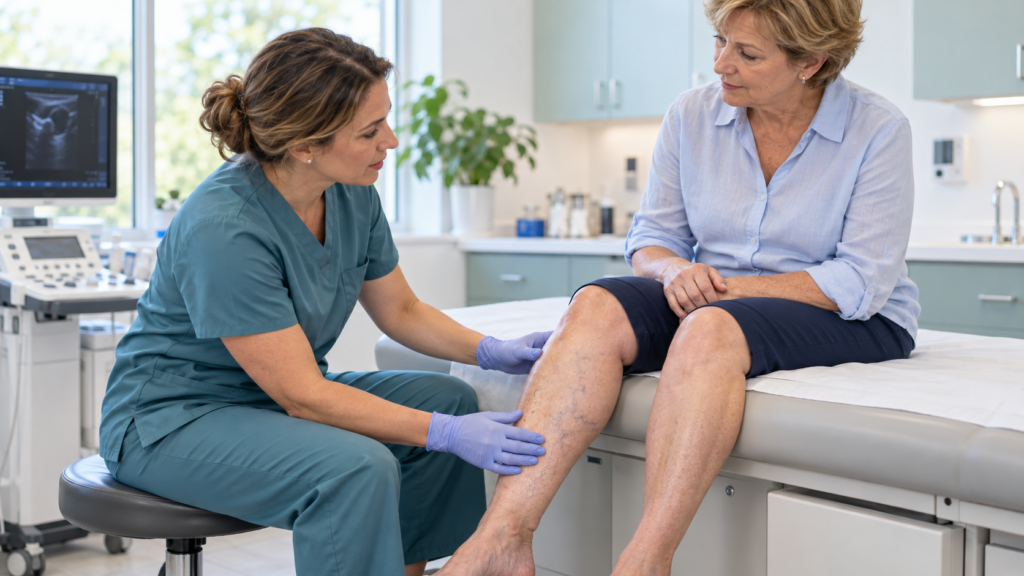
If recurring symptoms have you searching for a vein specialist in Scottsdale, the first appointment should be about understanding what is happening rather than assuming you need treatment. At MVM Health’s Scottsdale location, the evaluation process begins with your symptoms and medical history. A typical visit may include:
1. Discussion of Your Symptoms
Your provider may ask when you first noticed the problem, whether symptoms have changed, and what tends to make them better or worse.
2. Medical History Review
Previous vein problems, blood clots, pregnancies, medications, family history, prior procedures, and other health conditions can all provide relevant context.
3. Physical Examination
Your provider can examine visible veins, swelling, skin changes, and other findings.
4. Diagnostic Testing When Appropriate
Additional testing may be recommended depending on your symptoms and examination findings. If you’re specifically interested in ultrasound testing at the Scottsdale clinic, confirm current on-site availability with the office when scheduling.
5. Discussion of Next Steps
The evaluation may lead to monitoring, conservative measures, additional testing, or a discussion of treatment options. An appointment does not mean you have committed to a procedure. MVM Health’s Scottsdale clinic currently describes its first visit as evaluation-focused, with treatment recommendations based on individual findings rather than an assumed treatment plan.
What Modern Vein Treatments Are Available?
Today’s vein care can include several minimally invasive approaches. The appropriate option depends on the type of vein involved, your symptoms, examination findings, medical history, and diagnostic results. MVM Health currently lists several treatment options that may be considered following evaluation.
Sclerotherapy
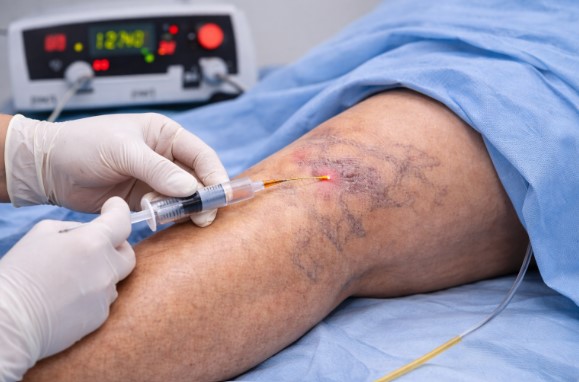
Sclerotherapy involves injecting a specialized solution into a targeted vein, causing it to close. It is commonly associated with treatment of spider veins and certain smaller abnormal veins, although whether it is appropriate depends on the individual case. Patients specifically searching for sclerotherapy in Scottsdale, AZ should first have their veins evaluated to determine whether this approach matches the type of veins they want treated.
Radiofrequency Ablation
Radiofrequency ablation uses controlled thermal energy to close an unhealthy vein. Blood can then naturally redirect through other functioning veins.
Endovenous Laser Ablation
Laser ablation is another minimally invasive technique that uses targeted thermal energy to close an affected vein. Despite the name, this is different from treatments directed only at the surface appearance of a visible vein.
VenaSeal®
VenaSeal uses a medical adhesive to close certain affected veins rather than using thermal energy. Whether VenaSeal or another closure technique is appropriate depends on the anatomy and clinical findings identified during evaluation.
Ambulatory Phlebectomy
Ambulatory phlebectomy can be used to remove certain visible varicose veins through very small openings in the skin.
Other Treatment Approaches
MVM Health’s broader vein-treatment services also include options such as ClariVein. The treatment or combination of treatments appropriate for a particular patient depends on the findings of the vein evaluation. The number of options can make online research confusing, but patients generally do not need to decide on a procedure before their appointment. Evaluation comes first. Treatment selection comes afterward.
Vein Care in Scottsdale, Arizona
If you’ve noticed recurring leg swelling, heaviness, aching, spider veins, or varicose veins, an evaluation can help clarify whether the symptoms are associated with a vein condition and what next steps may be appropriate.
Schedule a Vein EvaluationIs Minimally Invasive Vein Treatment the Same for Everyone?
No. Two people may both have visible varicose veins but require completely different approaches. One patient may primarily be concerned about small surface veins. Another may have swelling and heaviness associated with deeper venous reflux. A third may not require a procedure at all. Factors that can affect treatment planning include:
- Which veins are involved
- Size and location of the affected veins
- Symptoms
- Underlying blood-flow patterns
- Previous vein treatment
- Medical history
- Individual treatment goals
This is why choosing a treatment solely because it sounds convenient or because someone else had good results with it is not ideal. The goal of an evaluation is to match the care plan to your veins, not to fit every patient into the same procedure.
What About Recovery After Vein Treatment?
Recovery depends on the specific procedure and the individual patient. Many modern vein procedures are designed to involve limited downtime, and MVM Health notes that some patients can return to normal activities relatively quickly after minimally invasive treatment. However, recovery experiences vary by procedure and patient. Before deciding on treatment, ask your provider:
- What should I expect immediately afterward?
- When can I return to work?
- Are there activity restrictions?
- Will I need compression stockings?
- When can I exercise again?
- What follow-up is required?
- What temporary symptoms should I expect?
- Which symptoms should prompt me to call the office?
These questions are more useful than assuming that “minimally invasive” means every patient has the same recovery experience.