
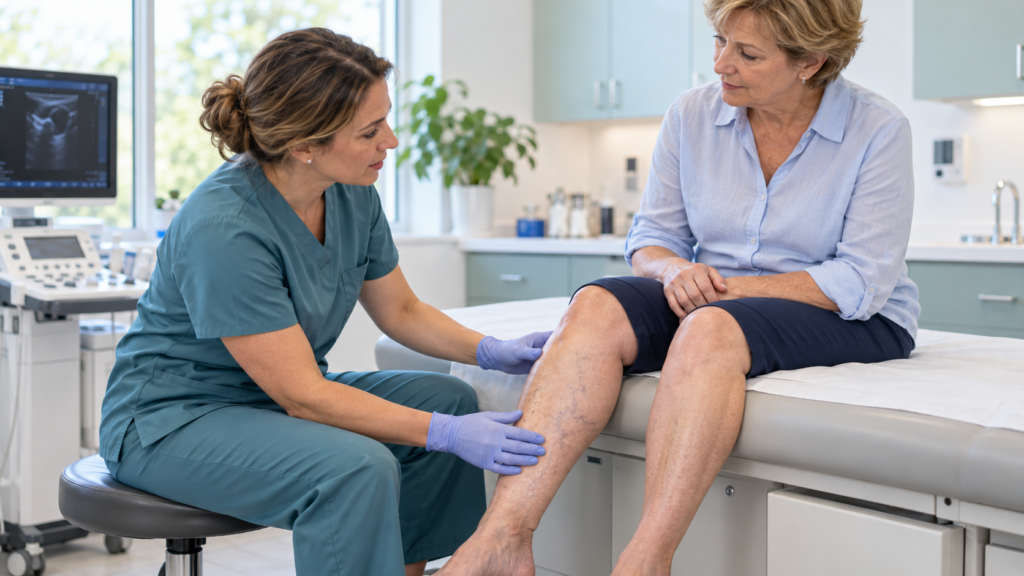
If your legs ache by evening, feel heavy after a shift, or show bulging or spidery veins, you are probably weighing your options. Vein treatment East Stroudsburg, PA starts with one simple step: an evaluation that shows what is happening inside your veins. From there, your care plan is built around your results, not guesswork.
This guide walks you through each stage, from your first visit at our East Stroudsburg vein clinic to the weeks after treatment. You will learn what tests to expect, which procedures are commonly used, and how recovery usually goes.
Signs You May Need Vein Treatment East Stroudsburg, PA
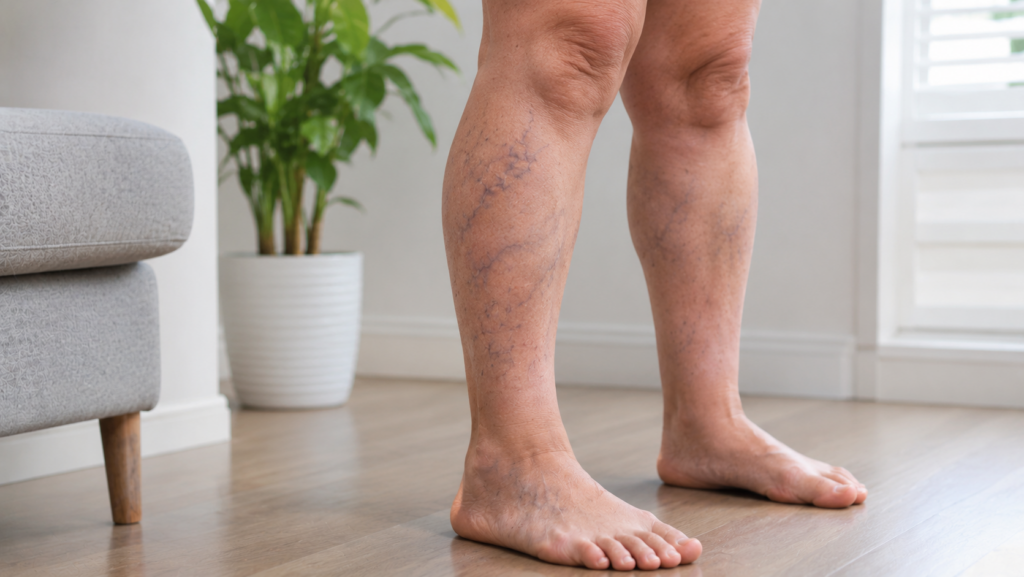
Many people in East Stroudsburg and across Monroe County live with leg symptoms for years before getting checked. Long hours standing at work, long drives on I-80, and family history all put extra pressure on leg veins. Over time, the small valves inside the veins can weaken and let blood pool, which is how varicose veins form.
Common reasons patients book a visit include:
- Aching, heaviness or tiredness in the legs that gets worse as the day goes on
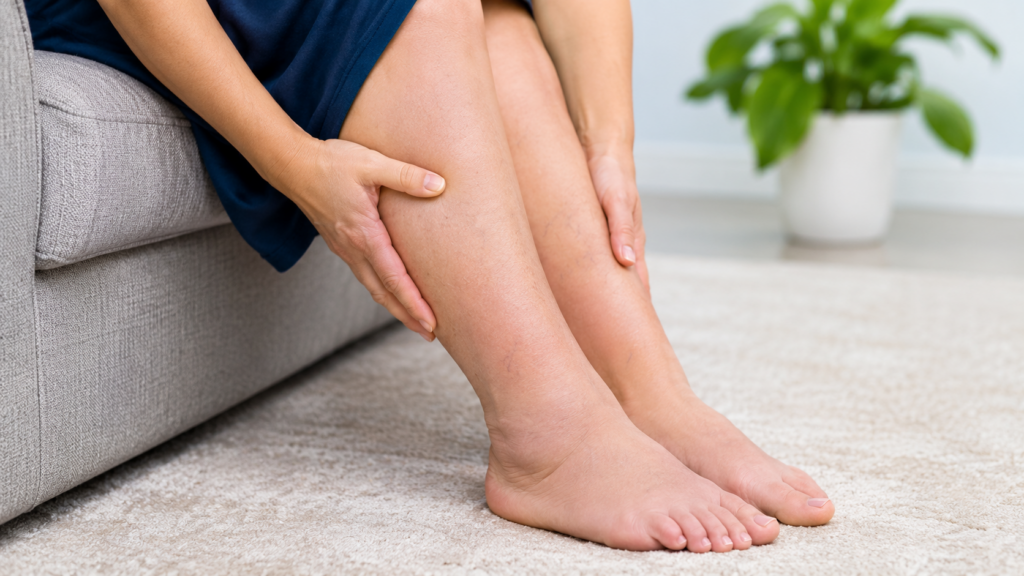
- Swelling around the ankles, especially after sitting or standing for long periods
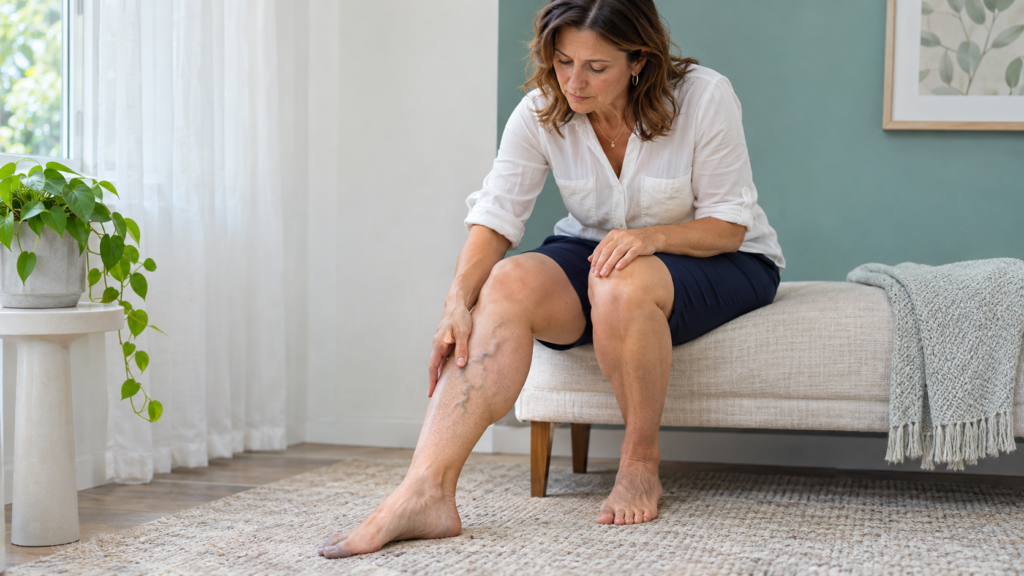
- Visible, twisted varicose veins or clusters of spider veins
- Night-time leg cramps or an urge to move the legs, sometimes linked to restless leg symptoms
- Skin changes near the ankle, such as darkening, itching or slow-healing sores
These symptoms are not just cosmetic. They can point to venous insufficiency, which tends to progress without care. That is why MVM Health’s vein treatment starts by finding the cause, so care targets the right vein.
Your First Visit: The Vein Evaluation
A vein evaluation in East Stroudsburg usually takes about an hour and has three parts.
- Health history and symptom review. Your provider asks when symptoms started, what makes them better or worse, past blood clots, pregnancies, and any family history of vein problems.
- Physical exam. Your legs are checked while you stand, since gravity makes vein problems easier to see.
- Venous duplex ultrasound. This painless scan shows blood flow in real time. It tells your provider which veins have faulty valves and how far the backward flow (reflux) travels.
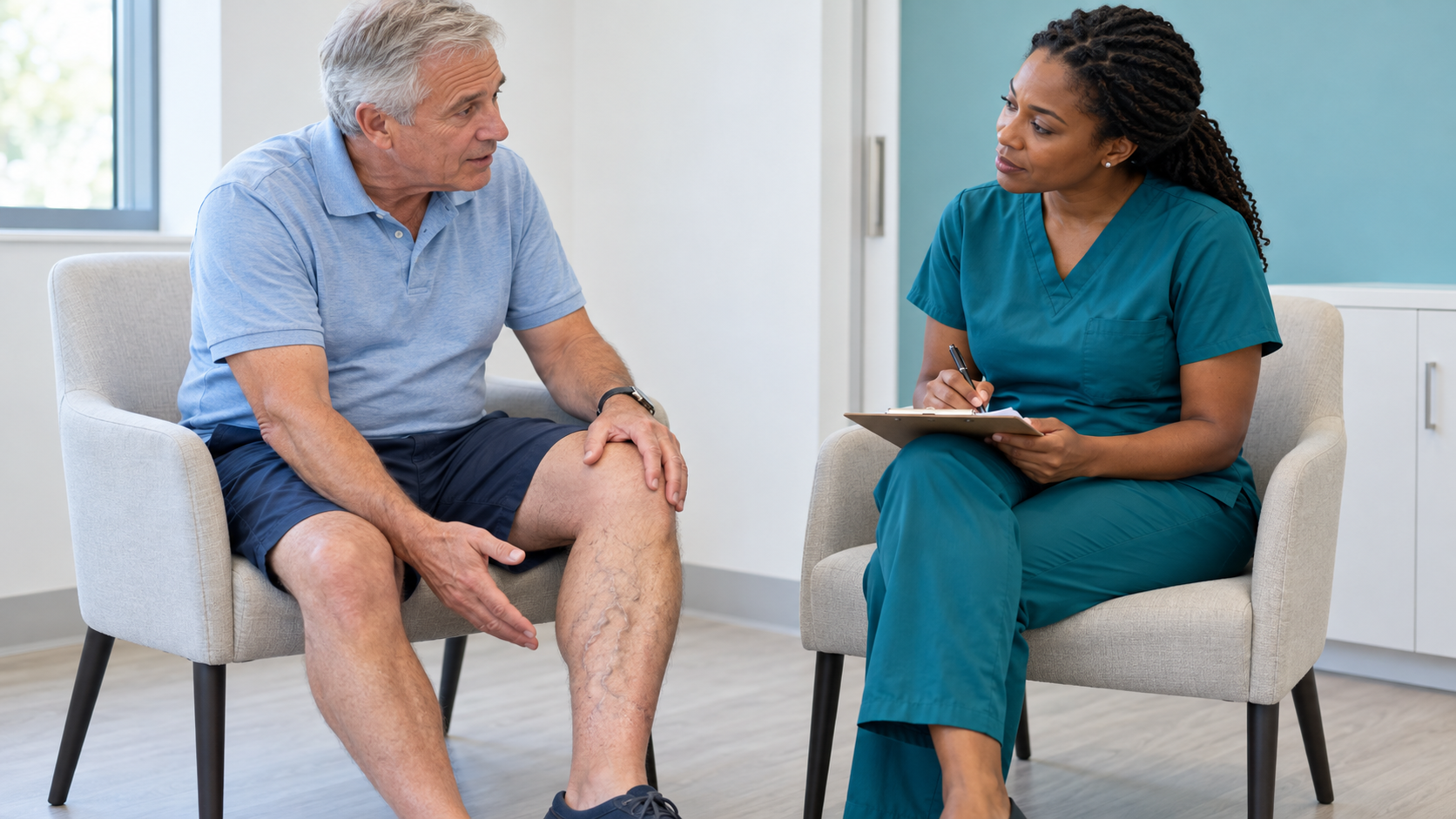
The ultrasound is the key step. Two people with similar-looking legs can need very different care, depending on what the scan shows below the skin.
At the end of the visit, your provider, such as Dr. Mariam Salisu, explains the results in plain terms and talks through your options. If treatment is advised, the team can also check your insurance and explain any steps your plan requires first.
Vein Treatment Options Matched to Your Results
Most modern vein treatment in East Stroudsburg, PA is minimally invasive and done in the office. Your plan depends on the size and location of the affected veins, and each method below is compared side by side in our guide to vein treatments [PILLAR LINK: add URL of “Vein Treatments: Comparing RFA, VenaSeal, Sclerotherapy & More” once live].
Radiofrequency ablation (RFA). With radiofrequency ablation, a thin catheter is placed into the faulty vein through a tiny entry point. Gentle heat seals the vein shut, and blood reroutes to healthy veins.
VenaSeal. Instead of heat, VenaSeal uses a small amount of medical adhesive to close the vein. Because no heat is used, fewer numbing injections are needed along the leg.
Sclerotherapy. With sclerotherapy, a solution is injected into smaller varicose veins and spider veins, causing them to collapse and fade over the following weeks.
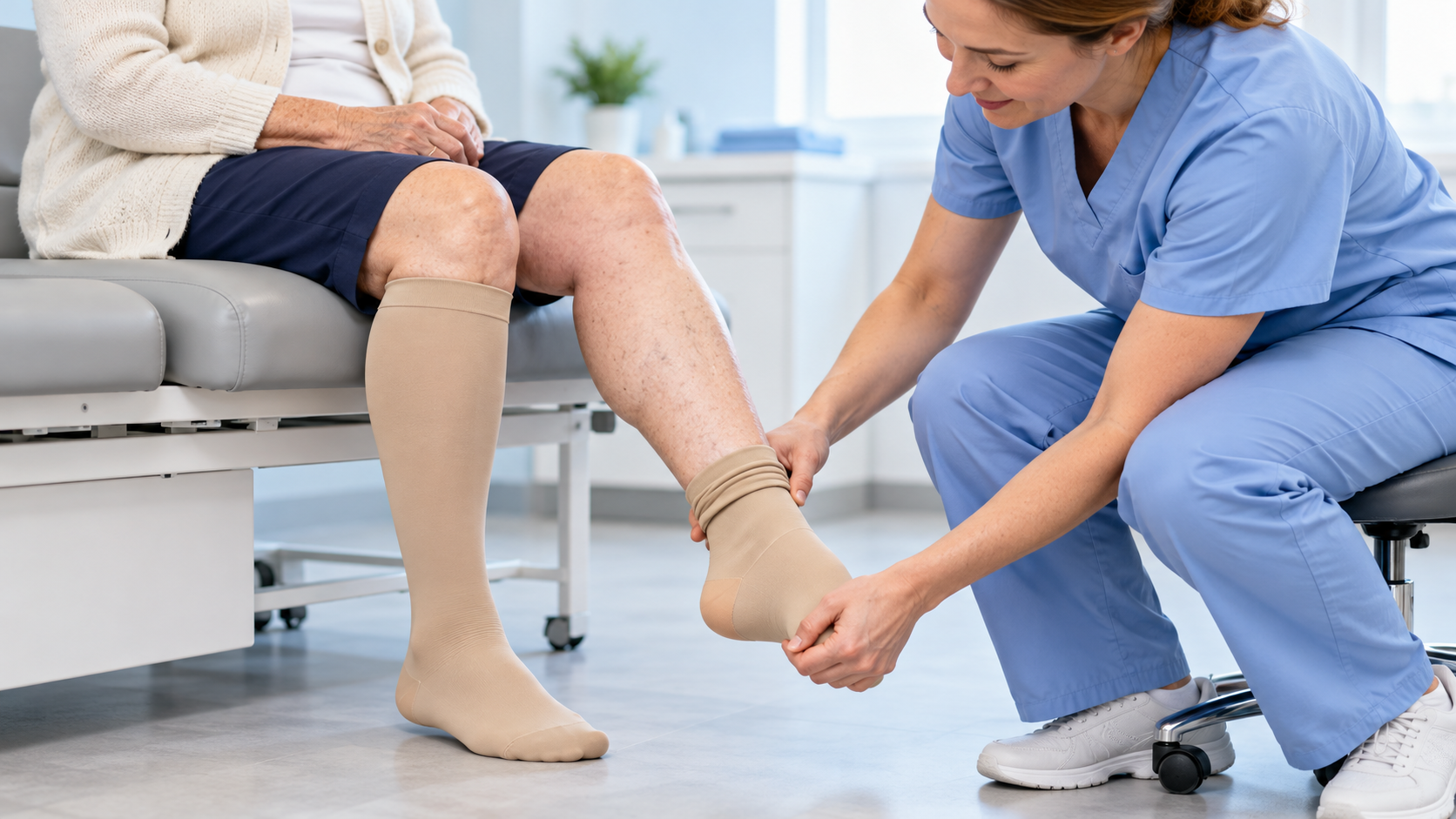
Compression therapy. Medical-grade stockings help blood move upward and ease swelling. They are often used before or after a procedure, and some insurance plans ask for a trial period first.
Many patients need more than one method. For example, RFA may close a large problem vein, followed by sclerotherapy for the smaller veins that remain.
Book Your Vein Evaluation in East Stroudsburg
You do not need to guess which treatment is right for you. A single visit at MVM Health East Stroudsburg, at 296 East Brown Street, Suite D, gives you an ultrasound-based answer and a clear plan. Our team explains every option, what your insurance may cover, and what recovery will look like for your schedule.
If leg heaviness, swelling or visible veins are slowing you down, now is a good time to get checked.
What Happens on Treatment Day
Most vein procedures take less than an hour, and you go home the same day. You stay awake throughout, and the area is numbed with local anesthetic. General anesthesia is not usually needed.
Here is what a typical visit looks like:
- Before: Wear loose, comfortable clothing and eat a light meal unless told otherwise. Bring your compression stockings if they were prescribed.
- During: Ultrasound guides your provider to the exact vein. Most people feel slight pressure or a brief sting, not sharp pain.
- After: You walk around before leaving, which helps blood flow. Many patients drive themselves home, but ask your provider first.
If you are still deciding where to be treated, our checklist on choosing the right vein specialist in East Stroudsburg covers the questions worth asking before treatment day.
Recovery and Follow-Up Care
Recovery after vein treatment is usually quick. Most patients return to desk work and light daily tasks within a day or two.
In the first week, you can expect:
- Walking every day. Short walks help circulation and lower the risk of clots.
- Mild bruising or tightness. This is common along the treated vein and fades over one to two weeks.
- Compression stockings. These are often worn for several days after RFA or sclerotherapy. VenaSeal patients may need them less, depending on your provider’s advice.
- A short pause on heavy activity. Hold off on heavy lifting, hot tubs and hard workouts until your provider clears you.
A follow-up ultrasound is usually scheduled within the first week or so to confirm the vein has closed. Visible results build over the next several weeks as the treated veins fade. Patients who had sclerotherapy may need more than one session for the best result.
Follow-up visits take place at our pain, vein and wellness clinic in East Stroudsburg on East Brown Street, so check-ups stay close to home.