












Epidural Steroid Injection
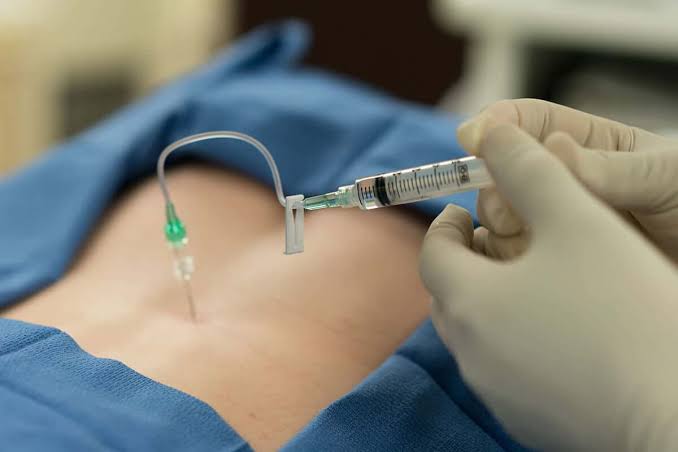
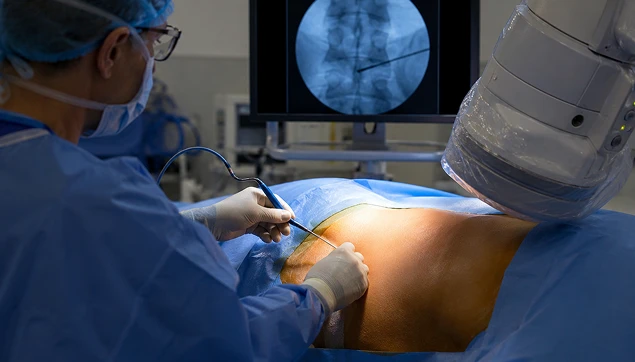
Back, neck or leg pain that radiates, burns or tingles is often a sign that a spinal nerve is irritated and inflamed. At MVM Health, our pain specialists use image-guided epidural steroid injections to calm that inflammation, so you can move, work and sleep with less pain. The procedure is done in the office, usually takes about 15 to 30 minutes, and does not require a hospital stay or general anesthesia.
Book a visit with a pain specialist near you at one of our clinics in Pennsylvania, New Jersey, Ohio and Arizona.
- Board-Certified Physicians
- Care Across Multiple Specialties
Meet Our Expert Team
Board Certified Expert
At MVM Health — Movement. Vitality. Medicine. — we are committed to providing exceptional pain, vein, and wellness services that empower individuals to reclaim their health and well-being. With our team of Harvard-trained experts, we strive to deliver transformative outcomes that restore comfort, confidence, and quality of life. MVM Health’s mission is to help every patient relieve discomfort, restore motion, and renew life.
Vwaire Orhurhu, MD, MPH
Harvard Medical School

Mariam Salisu, MD, MPH
Harvard Medical School

Peter Isaac, DO
Philadelphia College of Osteopathic Medicine

Ali Amin, MD
Baylor College of Medicine

THOMAS KHOURY, MD
Harvard Medical School

ANTHONY TURNER, MD
Yale School of Medicine

KIRAN C. TAMIRISA
Baylor College of Medicine

TARIQ ALFARRA, DO
JOHNS HOPKINS HOSPITAL

Rishi Sheth, MD
University of Miami School of Medicine

Henry Onyeaka, MD, MPH
Harvard Medical School

Felicia Todd, CNP
Moravian College

Carrie Ward, CNP
Franklin University
Kruti Solanki, CNP
Drexel University

Christy Daniels, CNP
Chamberlain University

Heerina Kittel, CNP
Maryville University

Vic Urbano, CNP
Walden University

Jameela Azeem, CNP
Hofstra University
Vwaire Orhurhu, MD, MPH
Harvard Medical School
Mariam Salisu, MD, MPH
Harvard Medical School
Peter Isaac, DO
Philadelphia College of Osteopathic Medicine
Ali Amin, MD
Baylor College of Medicine
THOMAS KHOURY, MD
Harvard Medical School
ANTHONY TURNER, MD
Yale School of Medicine
KIRAN C. TAMIRISA
Baylor College of Medicine
Rishi Seth, MD
University of Miami School of Medicine
Henry Onyeaka, MD, MPH
Harvard Medical School
Felicia Todd, CNP
Moravian College
Vic Urbano, CNP
Walden University
Jameela Azeem, CNP
Hofstra University

We work with a wide variety of insurance providers
and 100+ more
What Is an Epidural Steroid Injection?
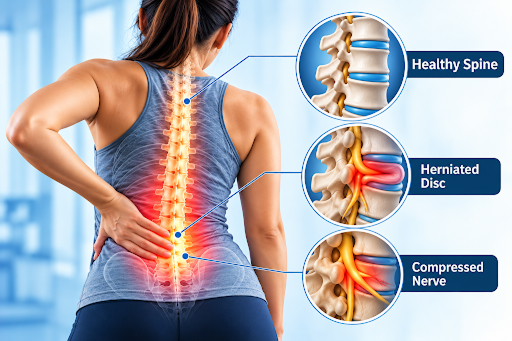
An epidural steroid injection (ESI) is a non-surgical pain treatment that delivers anti-inflammatory medicine directly to the area around an irritated spinal nerve. Your spinal cord and nerve roots are surrounded by a protective space called the epidural space. When a disc bulges, a joint wears down or the spinal canal narrows, nearby nerves can become pressed and inflamed. That inflammation is often what causes sharp, radiating or burning pain.
An epidural injection places a corticosteroid, often with a numbing medicine, right where the inflammation is. Lowering that inflammation can ease pain, and it can give you a window to start physical therapy and return to everyday activity.
Epidural injections are commonly used for pain from a herniated disc, spinal stenosis and sciatica. They are not a cure for the underlying condition, but they are an effective way to manage symptoms while the body heals.
Where Can an Epidural Be Done?
Your provider chooses the level of the spine based on where your pain starts and what your imaging shows.
Neck (cervical spine)
A cervical epidural is used for neck pain that spreads into the shoulder, arm or hand, often from a herniated disc or a pinched nerve. Learn more about neck pain.
Mid-back (thoracic spine)
Thoracic epidurals are less common. They can be used for pain that wraps around the chest wall or ribs when it is traced to an irritated thoracic nerve.
Lower back (lumbar spine)
The most common type. A lumbar epidural is used for low back pain with pain, numbness or tingling that travels into the buttock or leg, such as sciatica. Learn more about back pain.
Bottom of the spine (sacral spine and tailbone)
A caudal epidural delivers medicine through the base of the spine. It is often used for lower back and leg pain, including pain after previous spine surgery.
Common Conditions an Epidural Treats
Herniated disc
Disc material can press on a nerve and cause pain in the back, neck, arm or leg. See our page on herniated disc.
Sciatica
Pain, numbness or tingling that travels from the lower back through the buttock and down the leg. See our page on sciatica.
Spinal stenosis
A narrowed spinal canal can crowd the nerves and cause leg pain or heaviness when standing or walking. See our page on spinal stenosis.
Pinched nerve
Irritated nerve roots send pain, numbness or weakness from the neck into the arm, or from the back into the leg.
Degenerative disc disease
Age-related disc wear can irritate nearby nerves. See our page on degenerative disc disease.
Spondylolisthesis
When one vertebra slips forward over another, it can narrow the space for nerves and cause leg pain. See our page on spondylolisthesis.
Pain after spine surgery
Scar tissue or lingering nerve irritation can cause pain after an operation, and an epidural may help in selected cases.
Car accidents and injuries
Whiplash, falls and sports injuries can injure discs and irritate nearby nerves, causing pain that travels into an arm or leg.
Risk Factors
Anyone can develop nerve-related spine pain, but it’s more likely if you:
- Are over age 40, when discs and joints naturally begin to wear
- Sit for long hours, especially with poor posture
- Lift, bend or twist often at work
- Carry extra body weight, which adds load to the spine
- Smoke, which reduces blood flow to spinal discs
- Have had a previous neck or back injury or spine surgery
- Have a family history of disc problems or arthritis
Symptoms of Back Pain
- Sharp, burning or electric-like pain that travels from the neck into the arm or from the back into the leg
- Numbness, tingling or pins-and-needles along a nerve path
- Pain that gets worse when bending, lifting, sitting or standing
- Leg pain, heaviness or cramping when standing or walking
- Muscle weakness or a feeling that a limb is tired or gives way
- Pain that interrupts sleep or limits work and daily activity
- Pain that has not improved with rest, medicine or physical therapy
When Pain Needs Urgent Care
Most back and neck pain isn’t an emergency, and an epidural is not the right first step if you have warning signs. Get urgent medical care if your pain comes with:
- Loss of bladder or bowel control, or numbness in the groin or inner thighs
- Weakness in a leg or arm that is getting worse
- Fever, chills or feeling generally unwell
- A history of cancer, or unexplained weight loss
- Severe pain after a car accident, fall or other injury
- Chest pain or trouble breathing (call 911)
These signs can point to infection, a fracture, nerve compression or another condition that needs prompt attention.
Book a pain evaluation
Posted on Google![]()
Brenda GilesTrustindex verifies that the original source of the review is Google.
Everybody was very pleasant and not long waiting at allPosted on Google![]()
Lala KenjoTrustindex verifies that the original source of the review is Google.
I'm going to say Dr. O is a miracle worker. I have two herniated discs in my neck and the pain was so severe, I had to roll out of bed some days. I went to see Dr. O and was scheduled for an injection in my neck. The first injection helped a little bit, but I was still in severe pain most days. Speaking to other people, it normally takes two injections so I went from my second injection with Dr. O. Oh, and by the way, he squeezed me in the very next day for the procedure. I have not felt this good in a very long time. I can actually sit in a chair without my neck throbbing from pain and I've even started taking better care of my vegetable garden in my yard. Like I said this man is a miracle worker. Love, love, love him and I highly recommend him. Oh, and all of his staff are extremely friendly, patient, and very empathetic to their patients.Posted on Google![]()
Maryann IkoTrustindex verifies that the original source of the review is Google.
Everyone is friendly and feeling good about them helping mePosted on Google![]()
MARCE CASTAÑOTrustindex verifies that the original source of the review is Google.
“My experience today was excellent. From the moment I arrived, the staff was welcoming and attentive. The way everything was explained to me made the process clear and easy to understand. I felt very comfortable and, most importantly, safe throughout my visit. I truly appreciate the professionalism and care I received.”Posted on Google![]()
Barbara QuarantelloTrustindex verifies that the original source of the review is Google.
I have been a patient of Dr. Orhurhu for over a year and the care he has given me has been exceptional. I had a compound fracture of my L2 vertebrae in May 2024 and he performed a Kyphoplasty in his office with wonderful results. I still have issues with my back due to scoliosis and bulgeing discs that impinge on my spine. Dr.O suggested ablation therpy on my low back along with 4 epidural injections with 2 more to come this week. But I have great faith in Dr. Orhurhu that I will be improving under his excellent care and guidance.Posted on Google![]()
Seleimy Suárez RodríguezTrustindex verifies that the original source of the review is Google.
Me gustó bastante y mucho la atención de el Señor Andy, excelente coordinador. Excelentes servicios en todo!!! Quede muy encantada.
Other Treatment Options
Spine pain management starts with the least invasive options and steps up only when needed. An epidural is one option among several, and most people with spine pain never need surgery.
Conservative care
Epidural steroid injections
Anti-inflammatory medicine is placed near irritated spinal nerves to ease pain that radiates into an arm or leg, such as from a herniated disc or stenosis.
Facet joint injections and nerve blocks
Medicine is placed in or near the small joints of the spine to ease arthritis pain. A positive response also helps confirm where the pain starts.
Radiofrequency ablation (RFA)
Controlled heat quiets the small nerves that carry pain signals from arthritic spine joints. It’s often considered after a successful nerve block.
Spinal cord stimulation
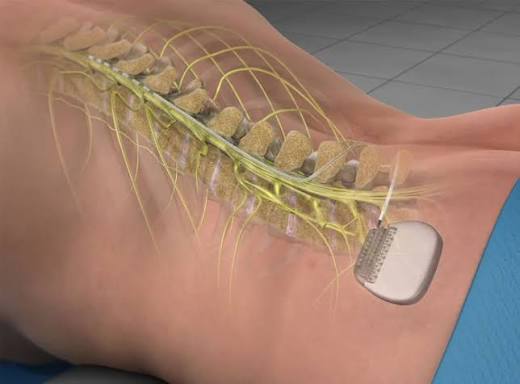
A small device sends mild electrical pulses that change how pain signals reach the brain. It’s used for long-term pain that hasn’t responded to other care, and it starts with a short trial.
PRP and regenerative medicine
Platelets from your own blood may support healing in some joint and soft-tissue conditions. Your provider will tell you whether it’s a reasonable option for you.
Getting the Most From Your Epidural
An epidural can give you a window of relief. These steps can help you make the most of it:
If pain returns quickly, or you notice fever, new weakness, or redness or drainage at the injection site, call our office.
Take it easy at first. Rest for the first day or two, then ease back into normal activity as your provider advises.
Stay gently active. Short walks, gentle stretching and good posture usually help more than bed rest.
Start or continue physical therapy. Strengthening your core and the muscles around your spine can help relief last longer.
Use ice for soreness. Ice at the injection site can calm soreness for the first day or two.
Watch your blood sugar. If you have diabetes, check your levels more often for a few days, since steroids can raise them.
Keep a healthy weight. Less weight means less load on your spine. For some patients, a provider-guided medical weight loss program becomes part of their plan.
Frequently Asked Questions
It is a non-surgical procedure that delivers anti-inflammatory medicine to the epidural space around irritated spinal nerves to reduce pain.
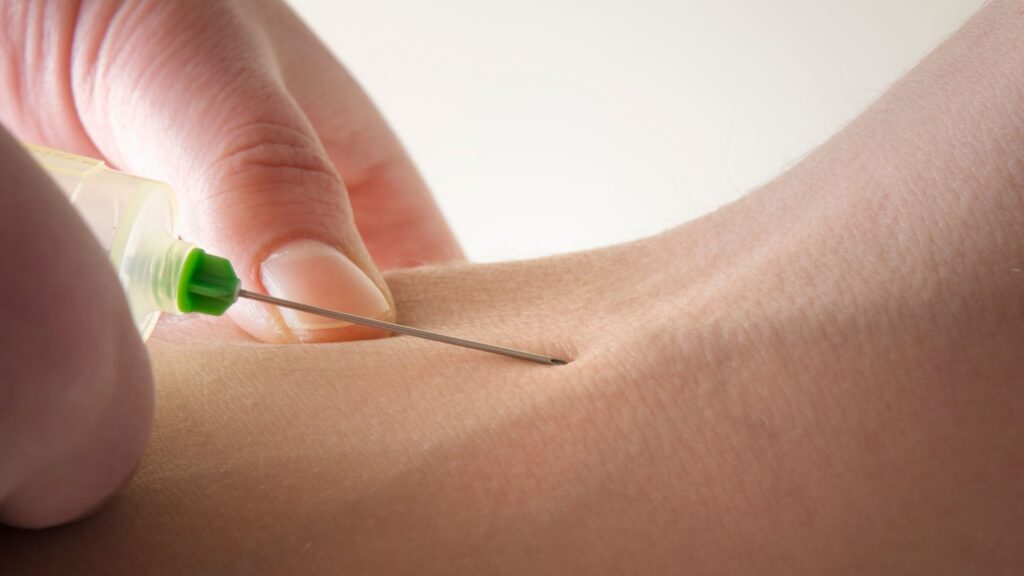
Most patients feel brief pressure or a pinch. The skin is numbed first, and imaging guidance helps keep the procedure precise. Soreness afterward is common and usually fades within a few days.
The injection itself usually takes about 15 to 30 minutes. Plan for roughly an hour at the office including check-in and a short rest.
Some people notice relief within a few days, while others take up to a week or two as the steroid takes effect. Results vary.
Relief varies from several weeks to several months. Your provider will discuss whether repeat injections make sense. They are generally limited in number over a year.
Some patients respond well to a single injection, while others need a short series. Your provider decides based on your response.
Often, yes, when medically necessary. Many plans, including Medicare, cover epidurals for qualifying conditions, and some require prior authorization or documented conservative treatment first. Our team verifies your benefits before you schedule.
Cost depends on your plan, the type of injection and the facility. We review expected costs with you in advance.
People with active infection, certain bleeding problems, uncontrolled blood sugar, allergies to the medicines or who are pregnant may need a different plan. Tell your provider about blood thinners so they can advise you on whether to pause them.
Light walking is encouraged. Most people return to regular activity within a day or two, while heavy lifting and intense workouts may need to wait. Your provider will give you a clear timeline.
Recent blogs

When Can Leg Discomfort Be a Reason to See a Vein Specialist in Bloomfield, NJ?
Leg discomfort after a busy day is common, especially if you have spent hours standing, walking, or sitting. However, when aching, heaviness, or unusual sensations

How Can Pain Affect Sleep and Daily Activities in Stanhope?
Chronic pain can affect much more than physical comfort. It may interrupt sleep, reduce energy, limit movement, and make ordinary tasks more difficult. When discomfort

Laser, VenaSeal or Sclerotherapy? How to Choose the Right Vein Treatment
You notice it at the end of a long shift or after an afternoon of errands at the King of Prussia Mall. Your legs feel