











Catamaran SIJ Fusion
If a deep, one-sided ache at the base of your spine keeps returning after injections, ablation and therapy, your sacroiliac (SI) joint may need more lasting support. The Catamaran® SI Joint Fusion System is a minimally invasive option that stabilizes the joint with one small titanium implant. Instead of coming in from the side, the implant is placed from below and behind the joint, along a path similar to an SI joint injection, and it bridges the pelvis and spine to stop the painful shifting. At MVM Health, our spine and pain physicians perform Catamaran as an outpatient procedure, so most patients go home the same day.
Find out if Catamaran is right for you with a spine and pain specialist at one of our clinics in Pennsylvania, New Jersey, Ohio and Arizona.
- Board-Certified Physicians
- Care Across Multiple Specialties
Meet Our Expert Team
Board Certified Expert
At MVM Health — Movement. Vitality. Medicine. — we are committed to providing exceptional pain, vein, and wellness services that empower individuals to reclaim their health and well-being. With our team of Harvard-trained experts, we strive to deliver transformative outcomes that restore comfort, confidence, and quality of life. MVM Health’s mission is to help every patient relieve discomfort, restore motion, and renew life.
Vwaire Orhurhu, MD, MPH
Harvard Medical School

Mariam Salisu, MD, MPH
Harvard Medical School

Peter Isaac, DO
Philadelphia College of Osteopathic Medicine

Ali Amin, MD
Baylor College of Medicine

THOMAS KHOURY, MD
Harvard Medical School

ANTHONY TURNER, MD
Yale School of Medicine

KIRAN C. TAMIRISA
Baylor College of Medicine

TARIQ ALFARRA, DO
JOHNS HOPKINS HOSPITAL

Rishi Sheth, MD
University of Miami School of Medicine

Henry Onyeaka, MD, MPH
Harvard Medical School

Felicia Todd, CNP
Moravian College

Carrie Ward, CNP
Franklin University
Kruti Solanki, CNP
Drexel University

Christy Daniels, CNP
Chamberlain University

Heerina Kittel, CNP
Maryville University

Vic Urbano, CNP
Walden University

Jameela Azeem, CNP
Hofstra University
Vwaire Orhurhu, MD, MPH
Harvard Medical School
Mariam Salisu, MD, MPH
Harvard Medical School
Peter Isaac, DO
Philadelphia College of Osteopathic Medicine
Ali Amin, MD
Baylor College of Medicine
THOMAS KHOURY, MD
Harvard Medical School
ANTHONY TURNER, MD
Yale School of Medicine
KIRAN C. TAMIRISA
Baylor College of Medicine
Rishi Seth, MD
University of Miami School of Medicine
Henry Onyeaka, MD, MPH
Harvard Medical School
Felicia Todd, CNP
Moravian College
Vic Urbano, CNP
Walden University
Jameela Azeem, CNP
Hofstra University

We work with a wide variety of insurance providers
and 100+ more
What Is the Catamaran® SI Joint Fusion System?
The Catamaran® SI Joint Fusion System, made by Tenon Medical, is an FDA-cleared device for fusing the sacroiliac joint in people with SI joint disruption or degenerative sacroiliitis (wear-and-tear arthritis of the joint). The SI joint links the sacrum at the bottom of your spine to the ilium, the large bone of the pelvis. When it moves too much or becomes arthritic, every step, stair and sit-to-stand motion can hurt.
What sets Catamaran apart is its design and its path into the body.
One implant, not several
Many SI fusion systems place two or three screws or rods across the joint. Catamaran uses a single titanium implant shaped like its namesake boat: two side-by-side “pontoons” joined by a bridge. The implant passes through both the sacrum and the ilium, locking them together along the length of the joint. It is packed with a small amount of your own bone to encourage the two bones to grow into one solid unit over time.
An inferior-posterior approach
The implant goes in from low on the back of the pelvis (inferior-posterior), rather than from the side of the hip. This entry point is similar to the one used for an SI joint injection, so it leads straight to the joint. The angle is designed to stay away from major nerves and blood vessels, and to anchor the implant in dense, strong bone. Because it does not pass through the large buttock muscles on the side, there is less muscle disruption.
Catamaran is typically considered after diagnostic numbing injections confirm the SI joint as your pain source, and after SI joint injections, therapy and other care have not given lasting relief. It can also be used to revise a past SI fusion that did not work, or to support the SI joint alongside a long lumbar spine fusion. For an overview of all fusion approaches, see our SI joint fusion page.
What Happens During the Catamaran Procedure?
Catamaran is usually performed as an outpatient procedure and takes about an hour. Here is what to expect.
Anesthesia and positioning
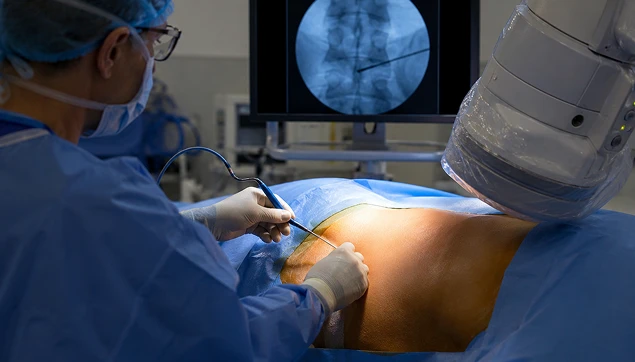
You receive anesthesia so you are comfortable and still, then lie face down on the table. Your physician uses live X-ray (fluoroscopy) to see the SI joint from several angles.
A small incision low on the back
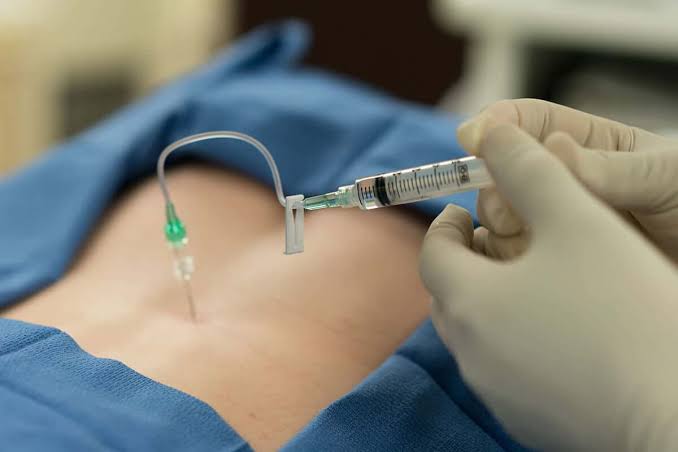
A small incision is made over the lower back of the pelvis. Using X-ray guidance, a guide pin is passed into the SI joint along the inferior-posterior path, similar to the route of an SI joint injection.
Preparing the site and placing the implant
Special instruments create a channel through the ilium and sacrum. The single titanium Catamaran implant, filled with your own bone, is then guided across the joint, bridging the two bones and holding them still right away.
Closing and recovery
The position is checked on X-ray, the incision is closed and a bandage is applied. You rest in recovery for a few hours, and most patients go home the same day with someone to drive them.
Common Conditions Catamaran Treats
SI joint disruption
The joint has become loose or unstable, often after an injury or pregnancy, causing painful shifting with movement. This is one of the main conditions Catamaran is cleared to treat.
Degenerative sacroiliitis
Arthritis and wear of the SI joint that leads to stiffness and a constant deep ache, the other main condition Catamaran is cleared to treat.
SI joint pain after a lumbar fusion
When the lower spine is fused, the SI joints absorb extra force and can become painful. See our page on back pain.
Failed or loosened SI fusion implants
Catamaran can be used to revise an earlier SI fusion that did not fully fuse or relieve pain, in some cases without removing the old implants.
SI joint support during long spine fusions
For patients having a multi-level lumbar fusion that extends down to the pelvis, Catamaran can add stability at the SI joint.
Post-traumatic SI joint pain
Ongoing pain after a fall onto the buttocks, a car accident or a sports injury that stretched or damaged the joint’s ligaments.
Pain that returns after RFA
When radiofrequency ablation or steroid injections help only for a short time, fusion offers a structural, longer-term solution.
Pregnancy-related SI joint instability
For the small number of women whose SI pain does not settle months or years after childbirth, despite therapy and bracing.
Risk Factors
The SI joint is more likely to wear out or become unstable if you:
- Have had a lower-back fusion, especially one that ends near the pelvis
- Have given birth, particularly more than once
- Had a fall, car crash or sports injury involving the hips or tailbone area
- Walk with an uneven gait from a hip, knee or foot problem, or have one leg longer than the other
- Have scoliosis or another change in spinal alignment
- Have arthritis in other joints, or an inflammatory condition such as ankylosing spondylitis
- Do physical work or sports that involve repeated twisting, lifting or pounding
Symptoms
SI joint pain can feel like a back, hip or nerve problem. Common signs include:
- A deep ache on one side of the low back, at the top of the buttock
- Pain that worsens when you stand on one leg, climb stairs or step up onto a curb
- Trouble sitting for long periods, or leaning to one side when you sit
- Pain that spreads into the groin or the back of the thigh, usually stopping above the knee
- Stiffness or pain when getting out of bed, a chair or a car
- Pain when lying on the affected side or turning over at night
- A feeling that the pelvis is unstable, or that the leg may "give out"
When Pain Needs Urgent Care
Catamaran is a planned procedure after a careful evaluation. Get emergency care right away if your low back or buttock pain comes with:
- Loss of bladder or bowel control
- Numbness in the groin, genitals or buttocks
- Weakness in a leg that is getting worse quickly, or a foot that drags
- Fever, chills or a hot, swollen area over the lower back
- Severe pain after a major fall or accident, or being unable to bear weight on a leg
- One-sided calf or thigh swelling and pain, which may be a blood clot
- Chest pain or trouble breathing (call 911)
These can be signs of nerve compression, a pelvic fracture, infection or a blood clot that needs immediate treatment.
Book a pain evaluation
Posted on Google![]()
Brenda GilesTrustindex verifies that the original source of the review is Google.
Everybody was very pleasant and not long waiting at allPosted on Google![]()
Lala KenjoTrustindex verifies that the original source of the review is Google.
I'm going to say Dr. O is a miracle worker. I have two herniated discs in my neck and the pain was so severe, I had to roll out of bed some days. I went to see Dr. O and was scheduled for an injection in my neck. The first injection helped a little bit, but I was still in severe pain most days. Speaking to other people, it normally takes two injections so I went from my second injection with Dr. O. Oh, and by the way, he squeezed me in the very next day for the procedure. I have not felt this good in a very long time. I can actually sit in a chair without my neck throbbing from pain and I've even started taking better care of my vegetable garden in my yard. Like I said this man is a miracle worker. Love, love, love him and I highly recommend him. Oh, and all of his staff are extremely friendly, patient, and very empathetic to their patients.Posted on Google![]()
Maryann IkoTrustindex verifies that the original source of the review is Google.
Everyone is friendly and feeling good about them helping mePosted on Google![]()
MARCE CASTAÑOTrustindex verifies that the original source of the review is Google.
“My experience today was excellent. From the moment I arrived, the staff was welcoming and attentive. The way everything was explained to me made the process clear and easy to understand. I felt very comfortable and, most importantly, safe throughout my visit. I truly appreciate the professionalism and care I received.”Posted on Google![]()
Barbara QuarantelloTrustindex verifies that the original source of the review is Google.
I have been a patient of Dr. Orhurhu for over a year and the care he has given me has been exceptional. I had a compound fracture of my L2 vertebrae in May 2024 and he performed a Kyphoplasty in his office with wonderful results. I still have issues with my back due to scoliosis and bulgeing discs that impinge on my spine. Dr.O suggested ablation therpy on my low back along with 4 epidural injections with 2 more to come this week. But I have great faith in Dr. Orhurhu that I will be improving under his excellent care and guidance.Posted on Google![]()
Seleimy Suárez RodríguezTrustindex verifies that the original source of the review is Google.
Me gustó bastante y mucho la atención de el Señor Andy, excelente coordinador. Excelentes servicios en todo!!! Quede muy encantada.
Other Treatment Options
Spine pain management starts with the least invasive options and steps up only when needed. An epidural is one option among several, and most people with spine pain never need surgery.
Conservative care
Epidural steroid injections
Anti-inflammatory medicine is placed near irritated spinal nerves to ease pain that radiates into an arm or leg, such as from a herniated disc or stenosis.
Facet joint injections and nerve blocks
Medicine is placed in or near the small joints of the spine to ease arthritis pain. A positive response also helps confirm where the pain starts.
Radiofrequency ablation (RFA)
Controlled heat quiets the small nerves that carry pain signals from arthritic spine joints. It’s often considered after a successful nerve block.
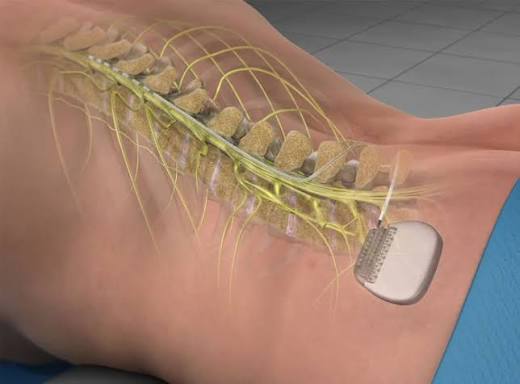
Spinal cord stimulation
A small device sends mild electrical pulses that change how pain signals reach the brain. It’s used for long-term pain that hasn’t responded to other care, and it starts with a short trial.
PRP and regenerative medicine
Platelets from your own blood may support healing in some joint and soft-tissue conditions. Your provider will tell you whether it’s a reasonable option for you.
Getting the Most From Your Catamaran Procedure
The implant holds the joint steady from day one, but true bone fusion builds over several months. These steps help it heal well.
If pain returns quickly, or you notice fever, new weakness, or redness or drainage at the injection site, call our office.
Callout: Call our office if you have fever, redness, swelling or drainage at the incision, calf pain or swelling, or new leg numbness or weakness.
Follow your weight-bearing instructions. Some patients use a walker or crutches for a short time to limit weight on the treated side. Use them exactly as your physician advises.
Walk a little, often. Gentle walks several times a day help healing and lower the risk of blood clots.
Avoid bending, twisting and heavy lifting. Hold off on lifting more than about 10 pounds, deep bending and twisting until your physician clears you, often for six weeks or more.
Care for the incision. Keep the bandage clean and dry, and do not soak in a tub or pool until the incision has fully healed.
Sit smart. Use a cushion, avoid low or soft seats that are hard to get out of, and stand up to stretch every 30 to 45 minutes.
Frequently Asked Questions
Most systems use two or three implants placed from the side of the hip. Catamaran uses a single titanium implant placed from below and behind the joint, along a path similar to an SI joint injection, which avoids the large side buttock muscles.
The implant has two parallel “pontoons” connected by a bridge, much like a catamaran boat. This shape lets one device pass through both the sacrum and the ilium and hold them firmly together.
Good candidates have one-sided low back or buttock pain that is confirmed to come from the SI joint with diagnostic injections, and that has lasted at least six months despite therapy, medicine and injections. Your physician also reviews your imaging and overall health.
The procedure is done through a single small incision low on the back of the pelvis. Your physician will tell you the expected size based on your anatomy.
Many patients notice less SI joint pain within the first few weeks as the implant stops the painful motion. Full bone fusion takes several months, and improvement often continues during that time.
Yes, if testing shows both sides are causing pain. Your physician will decide whether to treat them in one procedure or separate ones.
The implant is designed to stay in place permanently. Once the bones have fused around it, it becomes part of a stable, solid joint.
Titanium implants rarely set off airport detectors, and most are considered safe for MRI under specific conditions. Carry your implant card and tell imaging staff about your implant.
Risks include infection, bleeding, nerve irritation, the bones not fully fusing, implant shifting and continued pain. The inferior-posterior path is designed to stay away from major nerves and blood vessels, and your physician will review all risks with you.
Medicare and many private plans cover SI joint fusion when medical criteria are met, and prior authorization is usually required. Our team handles the paperwork and confirms your coverage before scheduling.
Recent blogs

When Can Leg Discomfort Be a Reason to See a Vein Specialist in Bloomfield, NJ?
Leg discomfort after a busy day is common, especially if you have spent hours standing, walking, or sitting. However, when aching, heaviness, or unusual sensations

How Can Pain Affect Sleep and Daily Activities in Stanhope?
Chronic pain can affect much more than physical comfort. It may interrupt sleep, reduce energy, limit movement, and make ordinary tasks more difficult. When discomfort
Laser, VenaSeal or Sclerotherapy? How to Choose the Right Vein Treatment
You notice it at the end of a long shift or after an afternoon of errands at the King of Prussia Mall. Your legs feel