











SPRINT
When back, shoulder or knee pain lingers for months, it is often because certain nerves keep sending pain signals long after the original injury. SPRINT® PNS is a short-term therapy that quiets those signals with gentle electrical pulses. A very thin, coiled wire is placed through the skin near the nerve and connected to a small, wearable stimulator. You go about your normal life for about 60 days, then the wire is removed in the office. There is no surgery, no permanent implant and no general anesthesia.
Talk with a pain specialist at one of our clinics in Pennsylvania, New Jersey, Ohio and Arizona about whether SPRINT is a good fit for your pain.
- Board-Certified Physicians
- Care Across Multiple Specialties
Meet Our Expert Team
Board Certified Expert
At MVM Health — Movement. Vitality. Medicine. — we are committed to providing exceptional pain, vein, and wellness services that empower individuals to reclaim their health and well-being. With our team of Harvard-trained experts, we strive to deliver transformative outcomes that restore comfort, confidence, and quality of life. MVM Health’s mission is to help every patient relieve discomfort, restore motion, and renew life.
Vwaire Orhurhu, MD, MPH
Harvard Medical School

Mariam Salisu, MD, MPH
Harvard Medical School

Peter Isaac, DO
Philadelphia College of Osteopathic Medicine

Ali Amin, MD
Baylor College of Medicine

THOMAS KHOURY, MD
Harvard Medical School

ANTHONY TURNER, MD
Yale School of Medicine

KIRAN C. TAMIRISA
Baylor College of Medicine

TARIQ ALFARRA, DO
JOHNS HOPKINS HOSPITAL

Rishi Sheth, MD
University of Miami School of Medicine

Henry Onyeaka, MD, MPH
Harvard Medical School

Felicia Todd, CNP
Moravian College

Carrie Ward, CNP
Franklin University
Kruti Solanki, CNP
Drexel University

Christy Daniels, CNP
Chamberlain University

Heerina Kittel, CNP
Maryville University

Vic Urbano, CNP
Walden University

Jameela Azeem, CNP
Hofstra University
Vwaire Orhurhu, MD, MPH
Harvard Medical School
Mariam Salisu, MD, MPH
Harvard Medical School
Peter Isaac, DO
Philadelphia College of Osteopathic Medicine
Ali Amin, MD
Baylor College of Medicine
THOMAS KHOURY, MD
Harvard Medical School
ANTHONY TURNER, MD
Yale School of Medicine
KIRAN C. TAMIRISA
Baylor College of Medicine
Rishi Seth, MD
University of Miami School of Medicine
Henry Onyeaka, MD, MPH
Harvard Medical School
Felicia Todd, CNP
Moravian College
Vic Urbano, CNP
Walden University
Jameela Azeem, CNP
Hofstra University

We work with a wide variety of insurance providers
and 100+ more
What Is SPRINT® PNS?
SPRINT® PNS is an FDA-cleared peripheral nerve stimulation (PNS) system for short-term treatment of chronic and acute pain. Peripheral nerves are the nerves outside the brain and spinal cord that carry feeling, and pain signals, from your back, joints and limbs.
With long-lasting pain, those nerves and the nervous system can become “stuck” in a pain pattern, sending strong signals even when the original injury has healed. SPRINT sends mild electrical pulses to the nerves that serve the painful area. Most people feel this as a gentle tingling or pulsing in place of pain, and over time the therapy can help reset how the nervous system processes pain.
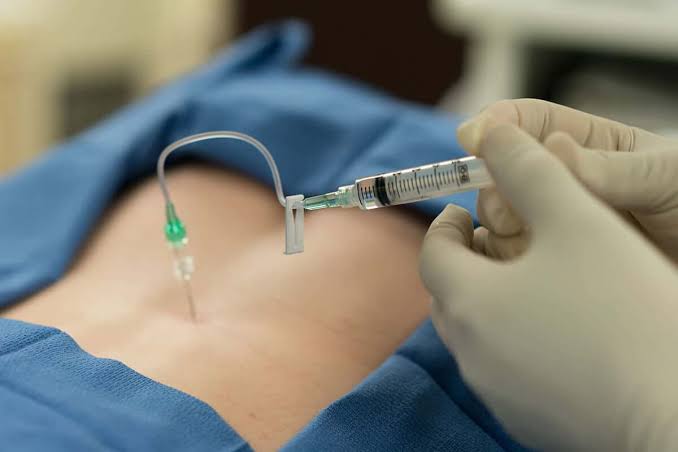
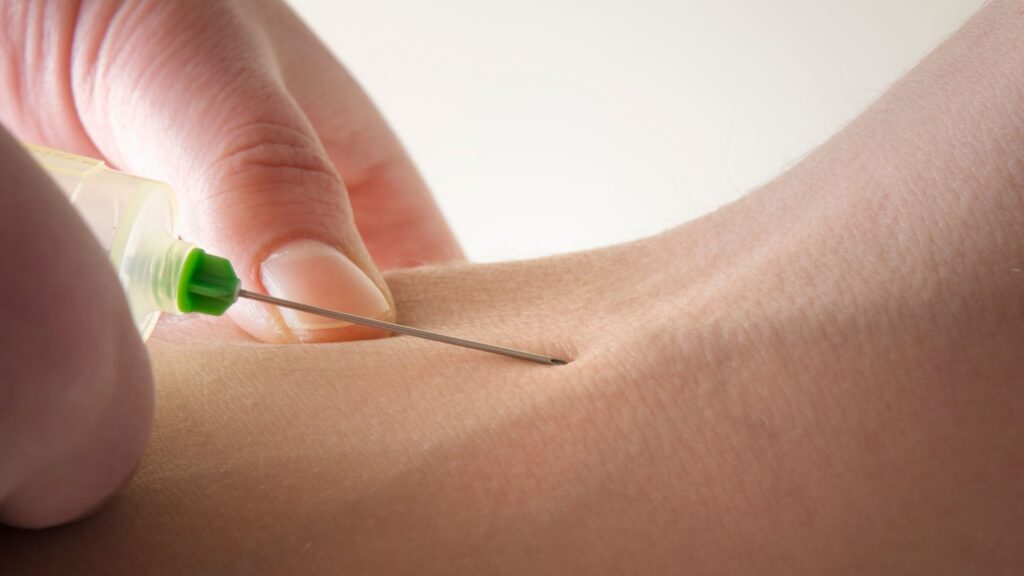
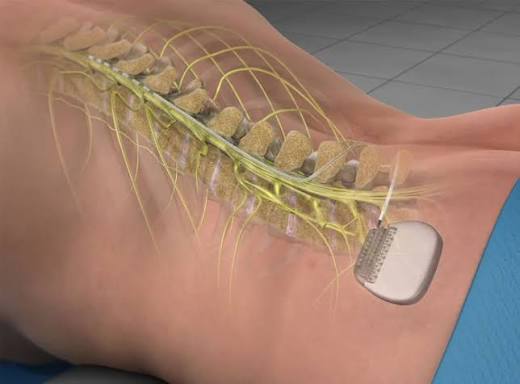
The system has two parts: a very thin, coiled wire (called a lead) placed through the skin, and a small stimulator about the size of a pager that sticks to the skin and connects to the lead. You control the stimulation with a handheld remote. Therapy runs for up to 60 days, and then the lead is gently pulled out in the office, with nothing left behind.
SPRINT can be an option for people who have tried physical therapy, medication or injections such as radiofrequency ablation without lasting relief, and who want to avoid opioids, surgery or a permanent implant. It is different from a spinal cord stimulator, which is placed near the spinal cord and meant to stay long term.
Where Can SPRINT Be Placed?
Your provider chooses the nerve to target based on where your pain is and what your exam shows. Common areas include:
Lower back
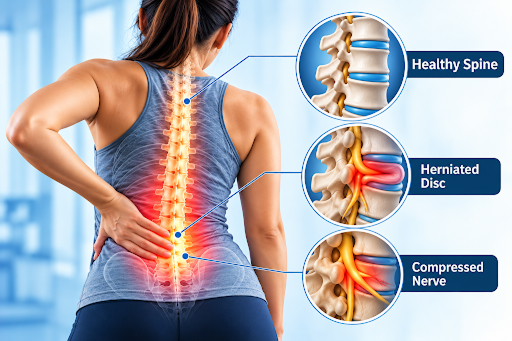
The lead is placed near the medial branch nerves that serve the back muscles and spinal joints. It is used for long-standing low back pain, including pain that remains after spine surgery. Learn more about back pain.
Shoulder
Stimulation of the nerves around the shoulder can ease chronic shoulder pain from arthritis, rotator cuff problems or pain after shoulder surgery.
Knee
Targeting nerves above or around the knee can help ongoing knee pain from arthritis, or pain that continues after a knee replacement.
Neck, hip, legs and feet
SPRINT may also be used for pain in the upper back and neck, hip, ankle and foot, or for nerve pain after an injury or amputation, when a specific nerve is linked to the pain.
Common Conditions SPRINT Treats
Chronic low back pain
Long-lasting, deep aching across the lower back, including pain from worn spinal joints and weak, sore back muscles. See our page on back pain.
Pain after spine surgery
Ongoing back or leg pain that remains after a discectomy, laminectomy or fusion, sometimes called failed back surgery syndrome.
Shoulder pain
Persistent pain from shoulder arthritis, rotator cuff problems or post-surgical stiffness that limits reaching and sleep.
Knee pain and post-replacement pain
Chronic knee arthritis pain, or pain that continues months after a total knee replacement.
Facet joint and arthritis pain
Pain from arthritic joints in the spine, especially when relief from medial branch blocks or ablation has been short-lived. See our page on spondylosis.
Nerve pain after an injury
Burning, shooting or sensitive pain along a nerve that was hurt by trauma, a fracture or surgery.
Post-amputation pain
Residual limb or phantom limb pain linked to nerves near the amputation site.
Pain in people avoiding opioids
Patients looking for a drug-free, non-permanent option before considering stronger medicines or more invasive procedures.
Risk Factors
Nerve-related and long-term pain is more likely to develop or persist if you:
- Have had pain for longer than three months, which can make nerves more sensitive
- Have had spine, shoulder or knee surgery that did not fully relieve your pain
- Have arthritis in the spine or major joints
- Have had a serious injury, fracture or car accident
- Sleep poorly, feel stressed or live with depression or anxiety, which can heighten pain
- Have stopped many usual activities, leading to stiffness and weak muscles
- Have diabetes or another condition that can affect the nerves
Symptoms
Chronic pain looks different for everyone. Signs that SPRINT may be worth discussing include:
- Deep, aching pain in the lower back, shoulder or knee that has lasted three months or longer
- Burning, shooting, stabbing or electric-like pain along one area
- Skin that is extra sensitive to touch, clothing or temperature
- Pain that stays the same or returns after injections, ablation or physical therapy
- Pain that remains months after surgery, even when the surgery looked successful
- Trouble sleeping, sitting, walking or working because of pain
- Relying on daily pain medicine, including opioids, to get through the day
When Pain Needs Urgent Care
SPRINT is a planned treatment for ongoing pain, not for emergencies. Get urgent medical care if your pain comes with:
- Loss of bladder or bowel control, or numbness in the groin or inner thighs
- Sudden or worsening weakness in an arm or leg
- Fever, chills, redness or warmth over a painful joint or area
- A hot, swollen or very painful leg, which may signal a blood clot
- New severe pain after a fall, accident or other injury
- A history of cancer with new, unexplained pain or weight loss
- Chest pain or trouble breathing (call 911)
These symptoms can point to nerve compression, infection, a clot, a fracture or another condition that needs prompt attention.
Book a pain evaluation
Posted on Google![]()
Brenda GilesTrustindex verifies that the original source of the review is Google.
Everybody was very pleasant and not long waiting at allPosted on Google![]()
Lala KenjoTrustindex verifies that the original source of the review is Google.
I'm going to say Dr. O is a miracle worker. I have two herniated discs in my neck and the pain was so severe, I had to roll out of bed some days. I went to see Dr. O and was scheduled for an injection in my neck. The first injection helped a little bit, but I was still in severe pain most days. Speaking to other people, it normally takes two injections so I went from my second injection with Dr. O. Oh, and by the way, he squeezed me in the very next day for the procedure. I have not felt this good in a very long time. I can actually sit in a chair without my neck throbbing from pain and I've even started taking better care of my vegetable garden in my yard. Like I said this man is a miracle worker. Love, love, love him and I highly recommend him. Oh, and all of his staff are extremely friendly, patient, and very empathetic to their patients.Posted on Google![]()
Maryann IkoTrustindex verifies that the original source of the review is Google.
Everyone is friendly and feeling good about them helping mePosted on Google![]()
MARCE CASTAÑOTrustindex verifies that the original source of the review is Google.
“My experience today was excellent. From the moment I arrived, the staff was welcoming and attentive. The way everything was explained to me made the process clear and easy to understand. I felt very comfortable and, most importantly, safe throughout my visit. I truly appreciate the professionalism and care I received.”Posted on Google![]()
Barbara QuarantelloTrustindex verifies that the original source of the review is Google.
I have been a patient of Dr. Orhurhu for over a year and the care he has given me has been exceptional. I had a compound fracture of my L2 vertebrae in May 2024 and he performed a Kyphoplasty in his office with wonderful results. I still have issues with my back due to scoliosis and bulgeing discs that impinge on my spine. Dr.O suggested ablation therpy on my low back along with 4 epidural injections with 2 more to come this week. But I have great faith in Dr. Orhurhu that I will be improving under his excellent care and guidance.Posted on Google![]()
Seleimy Suárez RodríguezTrustindex verifies that the original source of the review is Google.
Me gustó bastante y mucho la atención de el Señor Andy, excelente coordinador. Excelentes servicios en todo!!! Quede muy encantada.
Other Treatment Options
Spine pain management starts with the least invasive options and steps up only when needed. An epidural is one option among several, and most people with spine pain never need surgery.
Conservative care
Epidural steroid injections
Anti-inflammatory medicine is placed near irritated spinal nerves to ease pain that radiates into an arm or leg, such as from a herniated disc or stenosis.
Facet joint injections and nerve blocks
Medicine is placed in or near the small joints of the spine to ease arthritis pain. A positive response also helps confirm where the pain starts.
Radiofrequency ablation (RFA)
Controlled heat quiets the small nerves that carry pain signals from arthritic spine joints. It’s often considered after a successful nerve block.
Spinal cord stimulation
A small device sends mild electrical pulses that change how pain signals reach the brain. It’s used for long-term pain that hasn’t responded to other care, and it starts with a short trial.
PRP and regenerative medicine
Platelets from your own blood may support healing in some joint and soft-tissue conditions. Your provider will tell you whether it’s a reasonable option for you.
Getting the Most From Your SPRINT Therapy
The 60 days of stimulation are your window to retrain how your nerves handle pain. These steps help you get the best result.
Callout: Call our office if you see redness, swelling, warmth or drainage where the lead exits the skin, if you develop a fever, or if the lead looks like it has moved or come out.
Keep the stimulator on. Wear it as directed, often for several hours a day or more. Consistent use during the full course gives the nerves time to respond.
Keep the lead site dry. Cover the area when you shower as shown at your visit, and skip baths, swimming and hot tubs until the lead is removed.
Stay active. Use the drop in pain to walk more, return to hobbies and do your home exercises. Movement during therapy helps relief last.
Avoid pulling or snagging the lead. Choose loose clothing over the area and take care when dressing, sleeping and lifting.
Tell other doctors you have SPRINT. Some tests, including MRI scans and certain heat treatments, are not allowed while the lead is in place.
Frequently Asked Questions
Most people describe a gentle tingling, tapping or pulsing feeling over the painful area. You can adjust the strength with the remote so it stays comfortable.
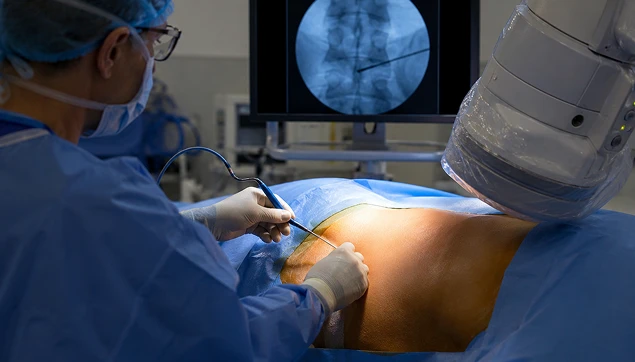
The lead is usually placed in about 15 to 30 minutes in the office, using numbing medicine and ultrasound or X-ray guidance. You go home shortly afterward.
Some people notice less pain within the first days of stimulation. For others, improvement builds gradually over several weeks of the 60-day course.
Yes, most daily activities continue as normal. You can usually work, sleep and walk with the stimulator on. Avoid heavy lifting or movements that could pull on the lead.
Yes, with care. You will be shown how to protect the lead site while showering. Baths, swimming and hot tubs should wait until the lead is out.
Removal takes a few minutes in the office. The lead is gently pulled out, and most people feel only a brief tug. No incision or stitches are needed.
At your follow-up visit, you and your provider review how your pain and activity changed. Next steps may include home exercise, another course, or discussing a longer-term option.
Coverage depends on your plan and your pain history, and many plans require prior authorization. Our team checks your benefits and expected costs before scheduling.
People with an implanted heart device such as a pacemaker or defibrillator, an active infection, a bleeding disorder, or a need for upcoming MRI scans may need a different plan. Your provider will review your health history first.
Risks are generally low. They include skin irritation from the adhesive, infection at the lead site, the lead shifting or breaking, and temporary soreness. Your provider will go over these with you.
Recent blogs

When Can Leg Discomfort Be a Reason to See a Vein Specialist in Bloomfield, NJ?
Leg discomfort after a busy day is common, especially if you have spent hours standing, walking, or sitting. However, when aching, heaviness, or unusual sensations

How Can Pain Affect Sleep and Daily Activities in Stanhope?
Chronic pain can affect much more than physical comfort. It may interrupt sleep, reduce energy, limit movement, and make ordinary tasks more difficult. When discomfort
Laser, VenaSeal or Sclerotherapy? How to Choose the Right Vein Treatment
You notice it at the end of a long shift or after an afternoon of errands at the King of Prussia Mall. Your legs feel