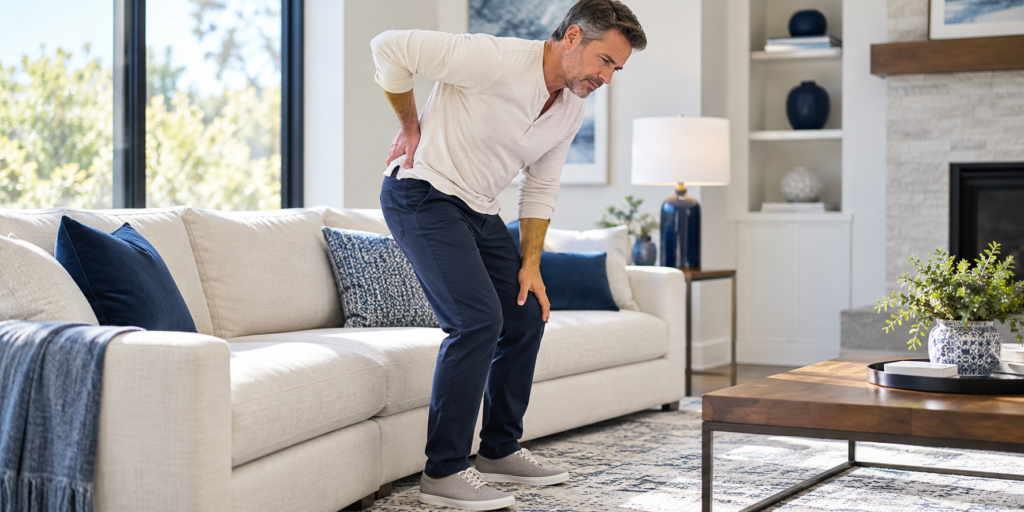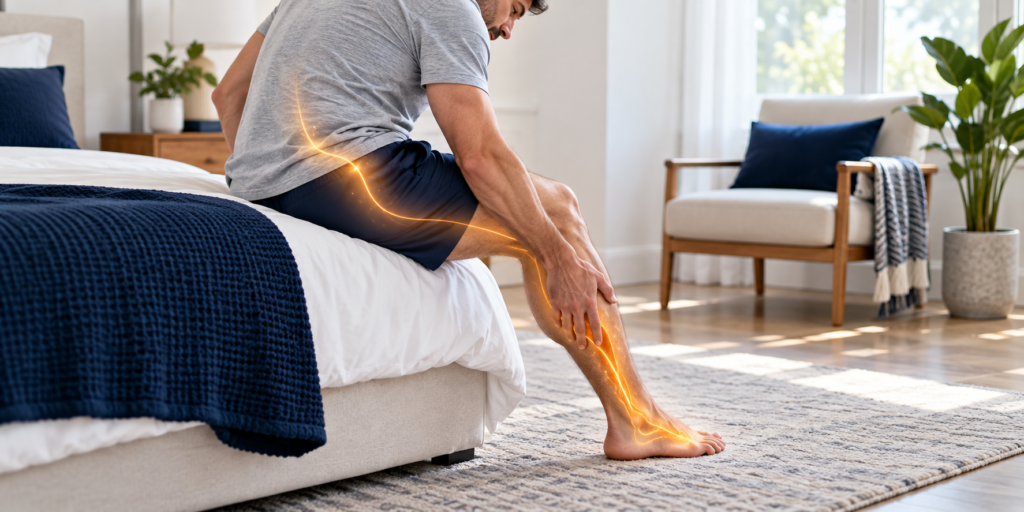


Living with pain doesn’t automatically mean surgery is the next step. Back pain, neck pain, sciatica, joint discomfort, and certain nerve-related conditions can often be evaluated with a range of conservative or minimally invasive approaches before surgery is considered.
For people exploring non-surgical pain relief in Stanhope, NJ, the important question isn’t simply which treatment is available. It’s which option makes sense for the cause of the pain, how long symptoms have been present, and what has already been tried.
Here’s a closer look at how non-surgical pain care works and some of the options that may be considered.
What Does “Non-Surgical” Pain Treatment Mean?

Non-surgical pain management covers treatments designed to manage pain without traditional surgery. That can include relatively conservative approaches such as physical therapy and exercise as well as targeted, minimally invasive procedures.
The goal can vary from one patient to another. Treatment may focus on reducing inflammation, improving movement, managing nerve-related symptoms, or making everyday activities more comfortable.
Importantly, non-surgical doesn’t mean one specific treatment. What works for someone with joint pain may be very different from what’s considered for someone with sciatica.
What Conditions May Be Managed Without Surgery?
A number of common pain conditions may initially be evaluated for non-surgical care, depending on their severity and the patient’s overall health.
These can include:
- Back and neck pain: Muscle strain, joint changes, disc problems, or irritated spinal nerves can all contribute to persistent discomfort.
- Sciatica: Irritation or compression involving the sciatic nerve can cause pain, tingling, or numbness that travels from the lower back into the leg.
- Herniated discs: A damaged or displaced spinal disc can sometimes irritate nearby nerves, causing localized or radiating symptoms.
- Spinal stenosis: Narrowing around the spinal canal or nerve pathways may contribute to pain, numbness, or difficulty with prolonged standing or walking.
- Arthritis and joint pain: Changes within a joint can lead to inflammation, stiffness, and discomfort during everyday movement.
- SI joint pain: Problems involving the sacroiliac joint can contribute to pain around the lower back, buttock, or pelvic region.
Whether these conditions can be managed without surgery depends on the individual case. A diagnosis is therefore more useful than choosing a treatment based on symptoms alone.
Starting With Conservative Treatment
For many patients, the first step doesn’t involve a procedure at all.
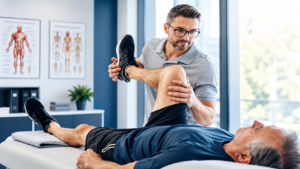
Physical therapy, strengthening exercises, flexibility work, activity modification, and other rehabilitation approaches may help improve movement and function. The specific exercises used should reflect the condition rather than following the same routine for every type of pain.
Medication may also be considered in some cases to help manage symptoms or inflammation. What is appropriate depends on medical history, other medications, and the nature of the pain.
If symptoms continue despite conservative care, more targeted treatments may be discussed.
Targeted Injections for Pain Relief in Stanhope
Therapeutic injections allow medication to be delivered closer to a suspected source of pain.
Epidural steroid injections, for example, may be considered when inflammation around a spinal nerve contributes to symptoms such as radiating back or leg pain. Joint injections can instead target pain thought to originate within a particular joint.
These injections aren’t appropriate for every patient, and their effects can vary. They are generally considered as part of a broader treatment plan rather than an automatic solution whenever pain persists.
Nerve Blocks
A nerve block involves placing medication around a specific nerve or group of nerves.
One reason nerve blocks can be useful is that they may have both diagnostic and therapeutic roles. If temporarily targeting a particular nerve changes the pain significantly, that response may provide additional information about where symptoms are coming from.
Depending on the diagnosis, nerve blocks may be considered for certain types of nerve, joint, or spine-related pain.
Radiofrequency Ablation
For some types of chronic pain, radiofrequency ablation (RFA) may be another option.
RFA uses controlled radiofrequency energy to target specific nerves involved in carrying pain signals. Before this treatment is considered, diagnostic testing such as a nerve or medial branch block may be used to determine whether the targeted nerves are likely contributing to the symptoms.
RFA is generally used for particular pain sources rather than all forms of back, neck, or joint pain.
How Does a Provider Decide Which Option to Use?
Choosing a treatment starts with figuring out what may be causing the pain.
A pain evaluation usually includes a discussion of where symptoms occur, how long they’ve been present, what makes them better or worse, and which treatments have already been attempted.
A physical examination can provide additional information about movement, strength, tenderness, and possible nerve involvement. Existing imaging may also be reviewed, while new testing may be recommended when more information is needed.
From there, the provider can determine whether continued conservative care, a targeted procedure, or another approach makes sense.
When Should You Consider Seeing a Pain Specialist?
Occasional soreness doesn’t necessarily require specialist care. Persistent or recurring symptoms are different.

An evaluation may be worth considering when pain:
- Continues despite rest or basic treatment
- Regularly returns after temporarily improving
- Interferes with work, sleep, walking, or exercise
- Travels into an arm or leg
- Is accompanied by recurring numbness or tingling
- Hasn’t responded as expected to previous care
Sudden severe pain, major weakness, new bowel or bladder problems, or serious symptoms following significant trauma may require urgent medical attention rather than a routine pain appointment.
Exploring Non-Surgical Pain Care in Stanhope
MVM Health’s Stanhope location provides care for chronic pain, spine conditions, joint pain, and nerve-related disorders. The practice uses a conservative-first approach and offers both non-surgical and minimally invasive pain-management options.
The important part is that treatment isn’t selected simply because a procedure is available. Your symptoms, examination findings, previous treatments, medical history, and individual goals all help determine what may be appropriate.
MVM Health’s Stanhope clinic is conveniently located at 16 US 206, Suite C, Stanhope, NJ 07874. For questions or to speak with our team, call (609) 621-1399.
Understanding Your Options Is the First Step
Living with persistent pain doesn’t necessarily mean moving directly toward surgery. Depending on the cause and severity of your symptoms, conservative care, therapeutic injections, nerve blocks, radiofrequency ablation, or a combination of approaches may be considered.
A proper evaluation can help identify the likely source of the pain and clarify which options make sense for your situation.
Frequently Asked Questions
What is non-surgical pain management?
It includes conservative and minimally invasive treatments intended to manage pain without traditional surgery.
What conditions may respond to non-surgical treatment?
Back pain, neck pain, sciatica, joint pain, arthritis, herniated discs, and certain nerve-related conditions may be considered for non-surgical care.
Does non-surgical treatment always mean injections?
No. Treatment may include physical therapy, exercise, medication, injections, nerve blocks, or other approaches depending on the condition.
How do I know which treatment is right for me?
A provider typically reviews your symptoms, medical history, examination findings, previous treatment, and relevant imaging before recommending an option.
Will I eventually need surgery?
Not necessarily. Whether surgery is appropriate depends on the underlying condition, severity of symptoms, response to other treatments, and individual circumstances.