


The word “comprehensive” gets used loosely in healthcare marketing, so it’s fair to ask what it actually means when it’s attached to a pain consultation in Philadelphia, PA. In practice, it means the visit isn’t built around one test or one quick look at the painful area. It’s built around putting several pieces together: what you report, what the provider observes, and what your history suggests, before anyone talks about what comes next.
This guide breaks down what that process looks like in practice, how to get ready for it, and what matters when picking where to go.
What Makes a Pain Evaluation “Comprehensive”?
A comprehensive evaluation treats your pain as something with a history, not just a present-tense symptom. That means the provider is trying to understand three things at once: the pattern of the pain itself, what’s already been tried, and what a physical exam reveals is that a conversation alone wouldn’t catch.
This matters because pain rarely has one clean explanation. Two people with similar back pain complaints can end up with very different findings once a provider looks closely, which is exactly why the process resists a one-size-fits-all script.
How the Visit Is Typically Structured
Most first visits move through three broad phases, even if the exact order shifts a little from provider to provider.
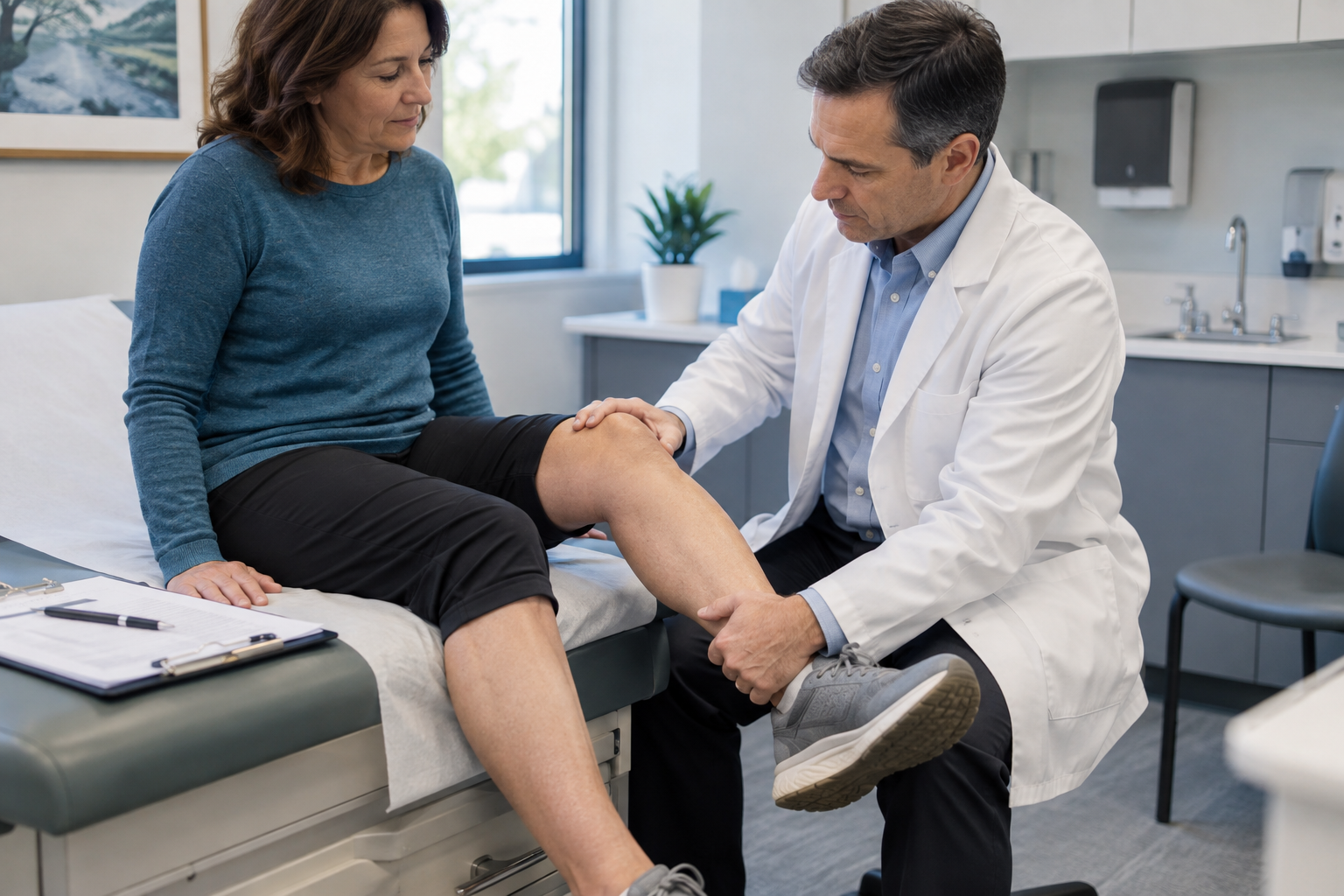
- Intake and history. You’ll be asked to describe the pain in detail: location, duration, what triggers it, what eases it, and how it’s affecting your routine. Past diagnoses, injuries, medications, and prior treatments all get folded into this picture.
- Hands-on assessment. A physical exam checks range of motion, strength, and areas of tenderness tied to your specific complaint. What gets examined depends heavily on where the pain is and what the history suggests.
- Review and discussion. Any existing imaging or test results get reviewed here, and the provider walks through what the findings point toward. This is usually where you find out whether more testing is needed or whether there’s enough information already to talk about options.
This discussion can also help identify when a different type of evaluation may be appropriate. For example, if leg discomfort comes with visible veins, swelling, or heaviness, ask whether a vein evaluation in Philadelphia, PA makes sense for those symptoms.
Imaging and Testing: When It’s Actually Needed
A pain evaluation in Philadelphia doesn’t automatically come with imaging attached. Whether testing gets ordered depends on your symptoms, your history, and what the physical exam turns up.
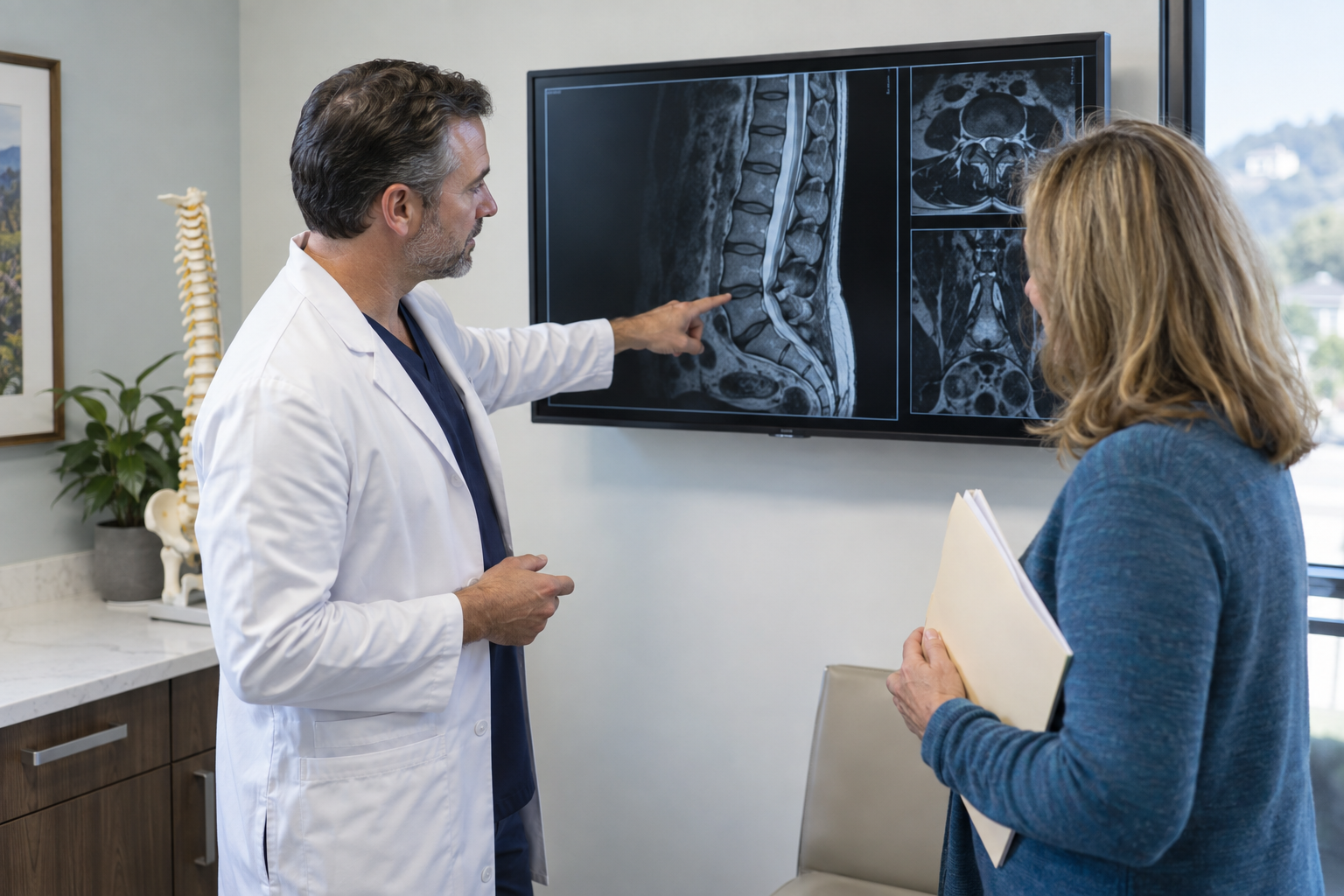
It’s useful to think of testing in three buckets:
- Records you already have from a previous provider that relate to your current symptoms
- Anything reviewed for context during the visit itself
- New testing ordered afterward based on what the evaluation found
According to an NCBI Bookshelf overview of chronic pain evaluation, assessing chronic pain commonly involves reviewing the patient’s medical history, symptoms, functional limitations, and physical examination findings. Imaging or laboratory tests may be recommended when a specific underlying cause is suspected.
Getting Ready for Your Visit
A little preparation changes how much you get out of the appointment:
- Current medications, including anything over-the-counter or supplemental
- Medical records or imaging tied to your current symptoms
- Notes on treatments you’ve already tried and how well they worked
- A short written summary of your symptoms and when they started
- Your insurance information
- Any specific questions you want answered before you leave
Filling out patient intake forms in advance also cuts down on paperwork time once you’re there.
Smart Questions Worth Bringing to the Appointment
Walking in with a few questions prepared tends to produce a more useful conversation:
- What’s likely contributing to my pain, based on what you’re seeing?
- Is additional testing needed, or is there enough here already?
- What are my realistic treatment options, and how do they compare?
- Are there lower-risk approaches worth trying before anything more involved?
- What should change, or worsen, before I need to come back sooner than planned?
Choosing a Pain Consultation in Philadelphia, PA Provider
If you’re comparing options for a pain consultation near me, a few things matter more than convenience alone:
- Whether the provider has direct training and experience relevant to your type of pain
- Whether the evaluation actually involves an exam and history review, not just a brief chat
- How wide a range of treatment paths they can offer, so you’re not funneled toward one option by default
- How clearly they explain findings and next steps
- Realistic scheduling for follow-up visits, since pain care is rarely a single appointment
What This Looks Like at MVM Health in Philadelphia
At MVM Health’s Philadelphia location, pain consultations begin with a review of your history, symptoms, and physical exam before a plan is discussed. The provider team evaluates concerns such as back pain, neck pain, and sciatica. If a specific treatment may be appropriate, the provider can explain why it fits your findings.
Book Your Philadelphia Pain Consultation
You don’t need a confirmed diagnosis before booking. That’s the point of the consultation. If you’re in the Philadelphia area and ready to have your symptoms evaluated, MVM Health can walk you through what that first visit involves.
Prefer to ask questions first? Call now and our team can help before you schedule anything.