

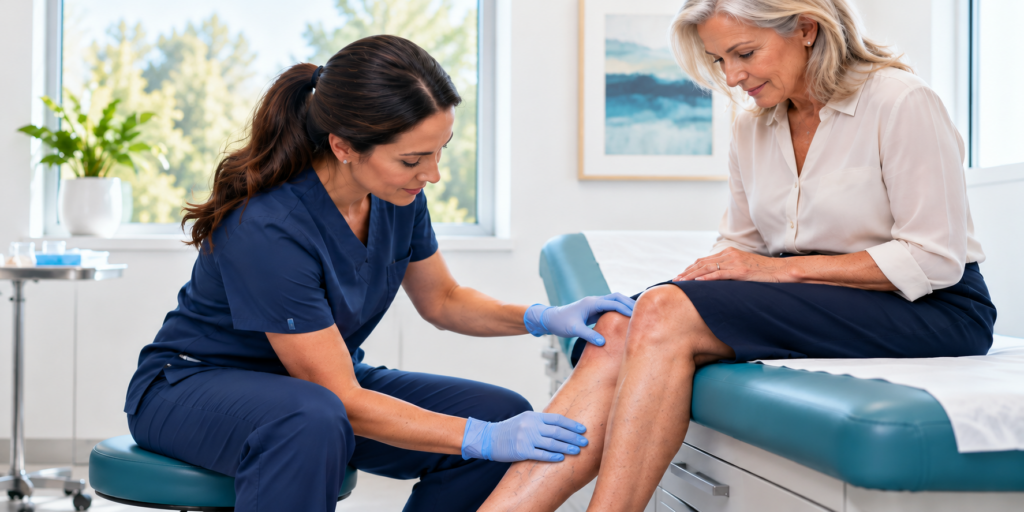
You can evaluate a vein specialist at five points: before you book, on the first phone call, in the exam room, when you read your ultrasound report, and when you review the treatment plan. Each point gives you real evidence, so you are not relying on a website, a title or a star rating.
This matters because vein care is not one-size-fits-all. Bulging varicose veins, fine spider veins and deeper venous insufficiency need different workups and different treatments. A good specialist shows you which one you have before recommending anything.
Use this guide as a checklist you carry from the first call to your follow-up visit. It also points to our local guides for patients in Bethlehem, Reading, Lancaster and Philadelphia.
How to Evaluate a Vein Specialist Before You Book
Two public checks take about ten minutes and tell you more than any clinic homepage.
First, confirm board certification. The ABMS Certification Matters website lets you look up whether a doctor is certified in a specialty such as vascular surgery or interventional radiology. Physicians certified in venous and lymphatic medicine are listed by the ABVLM. Second, confirm the medical license is active through your state’s licensing board.
Then look at what the practice actually treats. A specialist who regularly sees leg swelling, leg heaviness and skin changes, not just cosmetic veins, is more likely to find the cause of your symptoms. You can review each MVM Health physician’s training on our provider profiles.
For a closer look at this step, our guide to checking a vein specialist’s credentials and experience walks through what each credential means.
The First Phone Call Shows How the Practice Works
The scheduling call is a quick test of how organized and honest a practice is. Clear, direct answers are a good sign. Vague answers or pressure to book right away are not.
Questions worth asking on that first call:
- Will I have an ultrasound at my first visit, and is it done in the office?
- Who reads the ultrasound, and will that person also see me?
- Will you check my insurance coverage before any treatment is scheduled?
- Do I need a referral or prior records for my plan?
- What should I bring to the first visit?
If you want a ready-made list, these seven questions to ask before booking a vein specialist work well for any practice.
The Is Where a Specialist Earns Your Trust
A careful specialist asks about more than how your legs look. Expect questions about when symptoms started, what makes them worse at the end of the day, and whether you have leg cramps, itching or restless legs at night.

Your history should also come up: past blood clots, pregnancies, prior vein procedures, medicines and family history. Both legs should be examined, including the skin around the ankles, where early changes from vein disease often appear.
Pay attention to how the visit feels. A specialist worth choosing explains what they are checking and why, invites your questions, and does not push a procedure before the testing is done.
Your Ultrasound Report Is the Clearest Test of a Specialist
For varicose veins, a duplex ultrasound with reflux testing should come before any treatment plan. National vascular guidelines define abnormal reflux in the main surface veins as blood flowing backward for more than half a second (500 ms). Our overview of the role of ultrasound in diagnosing vein issues explains how the scan is done.
The real test is whether your specialist can explain the result. Ask them to walk you through these points:
- Which veins leak: the report should name the vein, the leg and the segment involved.
- How long the reflux lasts: results above 500 ms in surface veins count as abnormal.
- The deep veins: the scan should confirm they are open and free of clots.
- Your CEAP class: a C0 to C6 score that describes how advanced the vein disease is.
- How it links to your symptoms: the findings should explain what you feel, not just what the scan shows.
- If a clinic recommends treatment without a scan, or cannot show you the vein causing the problem, get a second opinion. Small cosmetic spider veins are the main exception, since they may not need the full workup.
Want a Specialist to Walk You Through Your Scan?
Book a vein evaluation at MVM Health. We check your veins with ultrasound when needed and explain every finding before any treatment is planned.
A Good Treatment Plan Matches Your Findings, Not a Favorite Device
Once the scan is done, judge the plan by one question: does the recommended treatment fit the vein your report names? A practice that offers several methods and explains why one suits you is choosing for you. A practice that recommends the same procedure to nearly everyone is choosing for the clinic.
| Finding on your scan | Options a specialist may discuss |
| Larger leaking surface vein | Radiofrequency ablation, laser ablation, VenaSeal or ClariVein |
| Bulging branch veins near the skin | Ambulatory phlebectomy, often after the main vein is treated |
| Spider veins and small reticular veins | Sclerotherapy |
| Mild symptoms, or an insurance requirement | Compression stockings and lifestyle changes for a set period |
This table is a general guide only. Your specialist decides based on your scan, health history and goals, and you can compare every option on our vein treatments page.
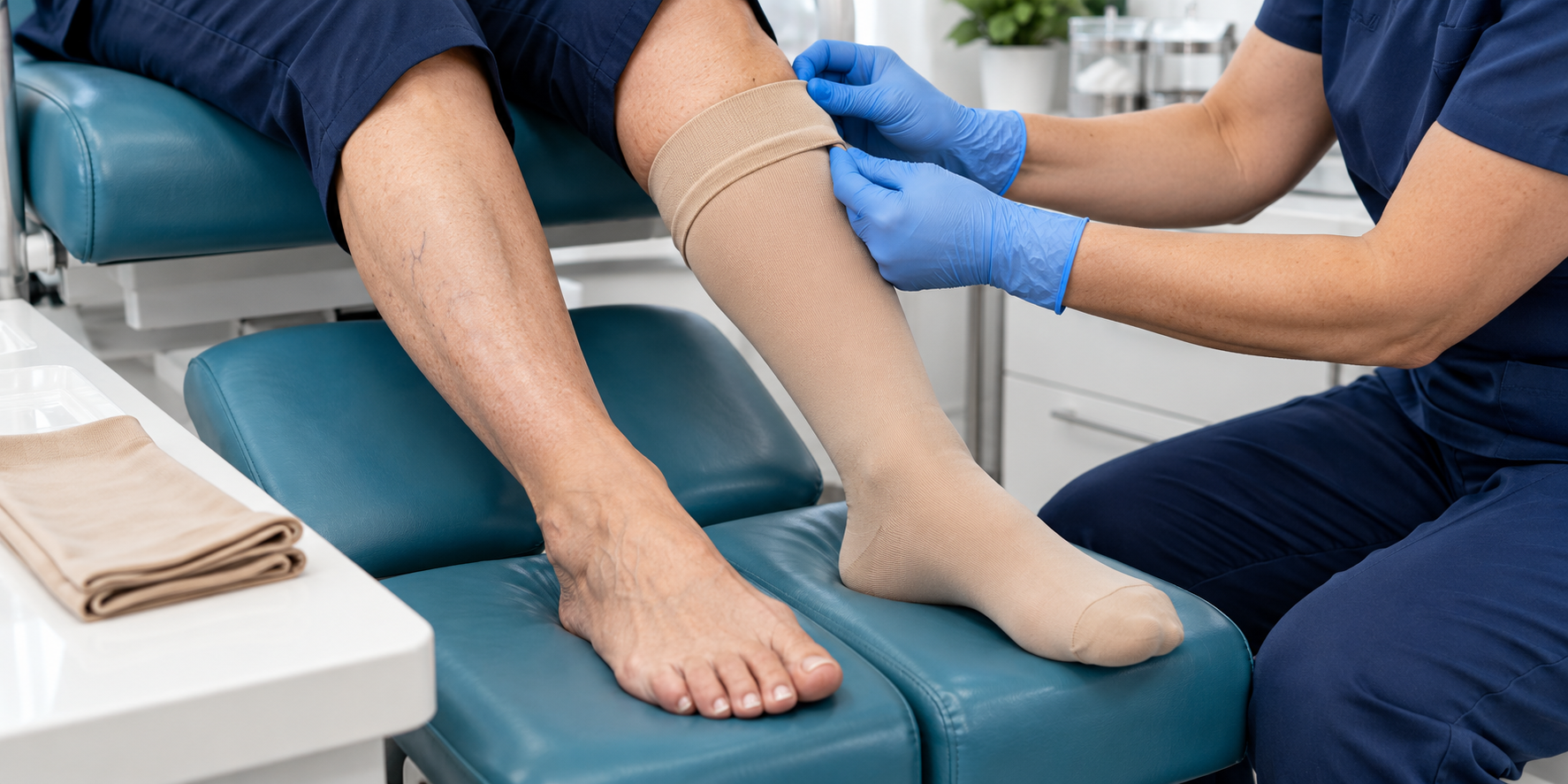
Before you say yes, ask how many sessions are planned, which leg comes first, what recovery looks like and what you may owe. A patient checklist for agreeing to vein treatment can help you confirm nothing has been left out.
Follow-Up Care Shows Whether a Specialist Stands Behind the Work
The last checkpoint comes after treatment, and it says a lot about a practice. A specialist who books your follow-up before you leave expects to check their own results.
After vein ablation, many practices repeat the ultrasound within days to confirm the vein closed and to check for clots. You should also leave with written instructions on walking, compression and when to return to work, plus a number to call if something feels wrong. Our guide to recovery and aftercare after varicose vein procedures shows what a normal recovery looks like.
Ask how the practice handles a vein that comes back, and who manages a complication if one happens. Specific answers show a team that plans for the whole course of care.
A Simple Scorecard for Comparing Two Vein Specialists
If you are deciding between two practices, score each one at every checkpoint. The practice with more strong signs is usually the better fit.
| Checkpoint | Strong sign | Weak sign |
| Before booking | Current board certification you can verify online | Credentials are unclear or hard to find |
| First phone call | Insurance checked before treatment; ultrasound at the first visit | Package prices or pressure to book a procedure |
| Exam room | Full history and both legs examined | A quick look and a same-day treatment offer |
| Ultrasound report | Specialist shows you the leaking vein and your CEAP class | No scan, or findings you cannot get explained |
| Treatment plan | Several options, with a reason for the one chosen | The same procedure suggested for everyone |
| Follow-up | Post-treatment check booked before you leave | No follow-up plan or direct contact number |
Patients in a large city often compare several clinics at once. Our practical checklist for selecting the right vein doctor shows how to line them up side by side.
Some Symptoms Should Not Wait for an Evaluation
Comparing specialists takes time, but these symptoms need care sooner.
- Call 911 for chest pain, sudden shortness of breath or coughing up blood. These can be signs of a clot that has traveled to the lungs.
- Seek same-day care for new swelling, pain, warmth or redness in one leg, especially after surgery, long travel or illness. These can be signs of deep vein thrombosis.
- Press firmly and raise the leg if a varicose vein bleeds, then get urgent medical review.
- Book a prompt vein evaluation for skin darkening or hardening near the ankle, or a sore that will not heal.