
What Is Radiofrequency Ablation for Veins?
Radiofrequency ablation for veins, or RFA, is an ultrasound-guided treatment that closes a malfunctioning superficial leg vein from the inside. The procedure is generally performed through a small needle entry point using local numbing medicine. Once the faulty vein closes, blood is redirected through healthier veins.
The part that surprises many patients is this: the visible varicose vein may not be the vein causing the problem.
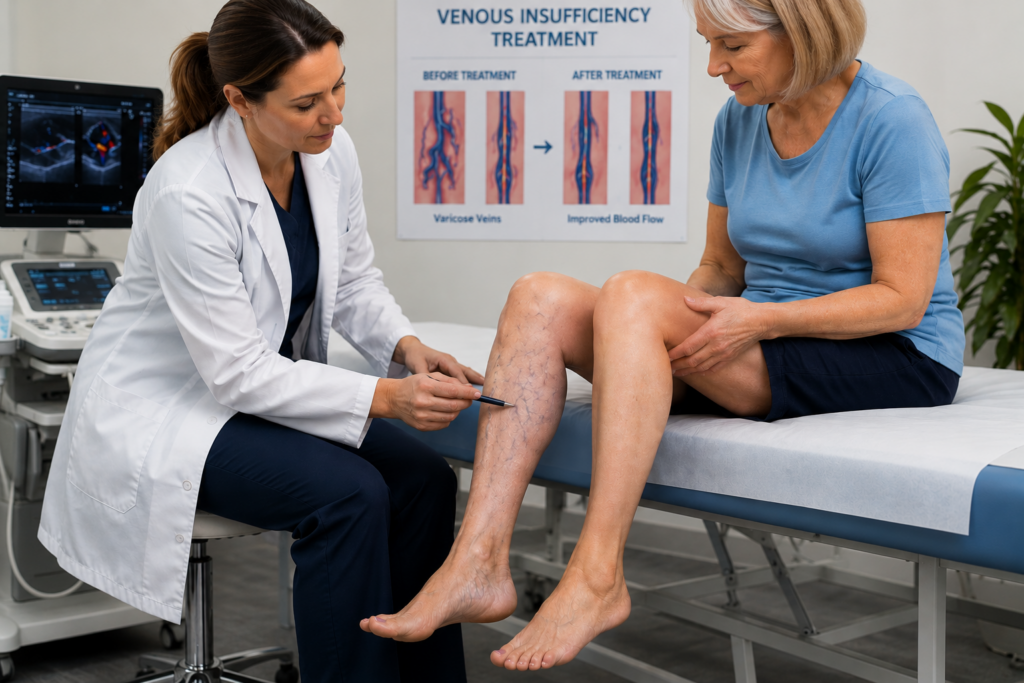
A bulging vein near the calf or knee can be receiving backward-flowing blood from a deeper superficial vein with damaged valves. Treating only what is visible may improve appearance without correcting the source of the pressure. That is why the most important step usually happens before the procedure—a detailed vein evaluation and duplex ultrasound.
This article discusses endovenous RFA for vein disease and explains what patients should know when considering radiofrequency ablation Reading, PA. It does not cover radiofrequency ablation used to treat back, neck, or joint pain.
Why Would a Vein Need to Be Closed?
Healthy leg veins contain valves that help move blood upward toward the heart. When a valve stops closing correctly, some blood falls backward and collects in the vein. This backward flow is called venous reflux and can contribute to chronic venous insufficiency.
Over time, reflux can increase pressure inside the vein and contribute to:
- Aching or throbbing legs
- Heaviness that worsens later in the day
- Ankle or lower-leg swelling
- Burning or itching near visible veins
- Nighttime leg cramping
- Rope-like varicose veins
- Skin discoloration around the ankle
- Thickened or irritated skin
- Slow-healing lower-leg wounds
Radiofrequency ablation does not pull the vein out. Instead, controlled heat is delivered inside the diseased vein, causing its walls to collapse and seal. The body gradually processes the closed vein while circulation continues through working veins.
The key question is not simply, “Can this vein be closed?” It is:
Is reflux in this vein responsible for the symptoms or visible varicose veins?
That answer should come from an examination and ultrasound—not from appearance alone.
Patients experiencing these symptoms can also learn when to seek an evaluation in our guide to varicose vein treatment in Reading.
Who May Be a Candidate for Radiofrequency Ablation?
RFA is commonly considered when ultrasound confirms reflux in a treatable superficial vein, such as the great or small saphenous vein, and the patient has symptoms or complications connected to that reflux.
An evaluation may be worthwhile when:
- Leg aching repeatedly returns after standing or walking
- Swelling improves overnight but builds again during the day
- Compression stockings help temporarily, but symptoms return
- Varicose veins are becoming larger or more uncomfortable
- Skin near the ankle is changing color or texture
- One leg consistently feels heavier than the other
- Previous surface-vein treatment did not solve the problem
- A lower-leg wound is healing slowly
Not every enlarged vein requires ablation. RFA may not be the correct treatment for small spider veins, isolated surface branches, certain vein anatomies, active infection, an untreated blood clot, or symptoms caused by another medical problem.
Leg swelling can also be related to heart, kidney, lymphatic, medication, orthopedic, or deep-vein conditions. A responsible treatment plan first identifies the cause instead of assuming every symptom is venous.
The First Appointment: What Happens Before RFA?
A vein appointment should do more than confirm that varicose veins are visible. It should connect your symptoms to what is happening beneath the skin.
1. Your Symptoms Are Mapped
Your specialist may ask:
- When does the discomfort begin?
- Does it worsen after standing?
- Does elevation improve the swelling?
- Is one leg worse?
- Have you had blood clots, vein procedures, pregnancy-related vein changes, or leg injuries?
- Have you tried compression stockings?
- Are there areas of itching, tenderness, discoloration, or skin breakdown?
The timing and pattern of symptoms can provide clues about whether venous reflux is involved.
2. Your Legs Are Examined
The provider evaluates visible veins, swelling, skin changes, tenderness, pulses, and any signs that another condition may be contributing.
3. A Duplex Ultrasound Identifies the Faulty Vein
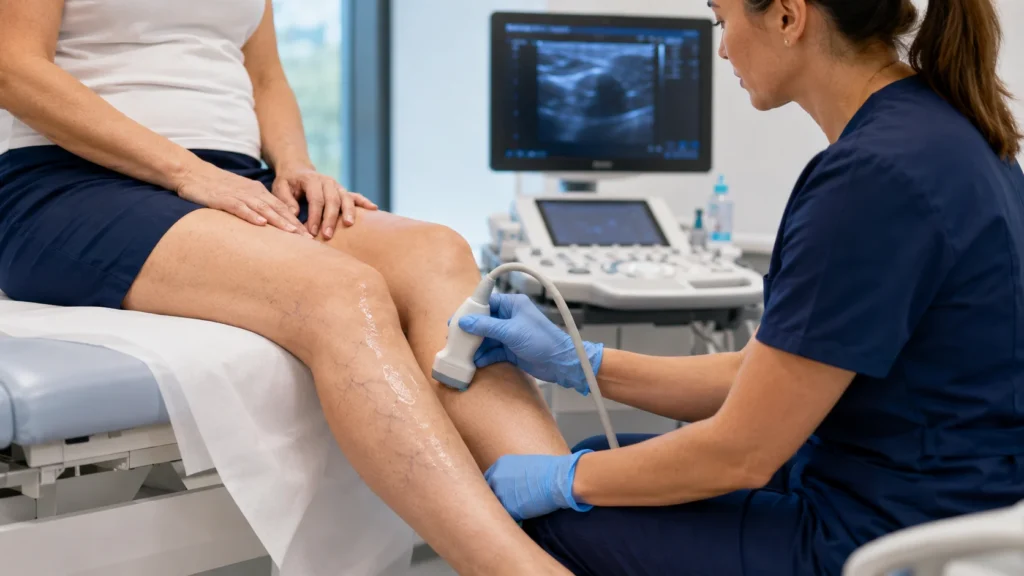
A duplex ultrasound uses sound waves to examine the veins and the direction of blood flow. It can reveal whether valves are allowing blood to travel backward, which vein is affected, how long the reflux lasts, and whether the deeper veins remain open.
There are no needles or radiation involved in the scan.
This is the decision-making stage. A surface vein may be the obvious concern, but ultrasound may show that the true source is a refluxing vein higher in the leg.
Take the First Step Toward Healthier Legs
Don’t ignore the signs of venous insufficiency. Schedule a vein evaluation with MVM Health today and get personalized treatment recommendations to help relieve leg pain, swelling, and discomfort.
What Happens During Radiofrequency Ablation?
The exact protocol can vary, but endovenous radiofrequency ablation generally follows these steps.
Step 1: The Vein Is Marked with Ultrasound
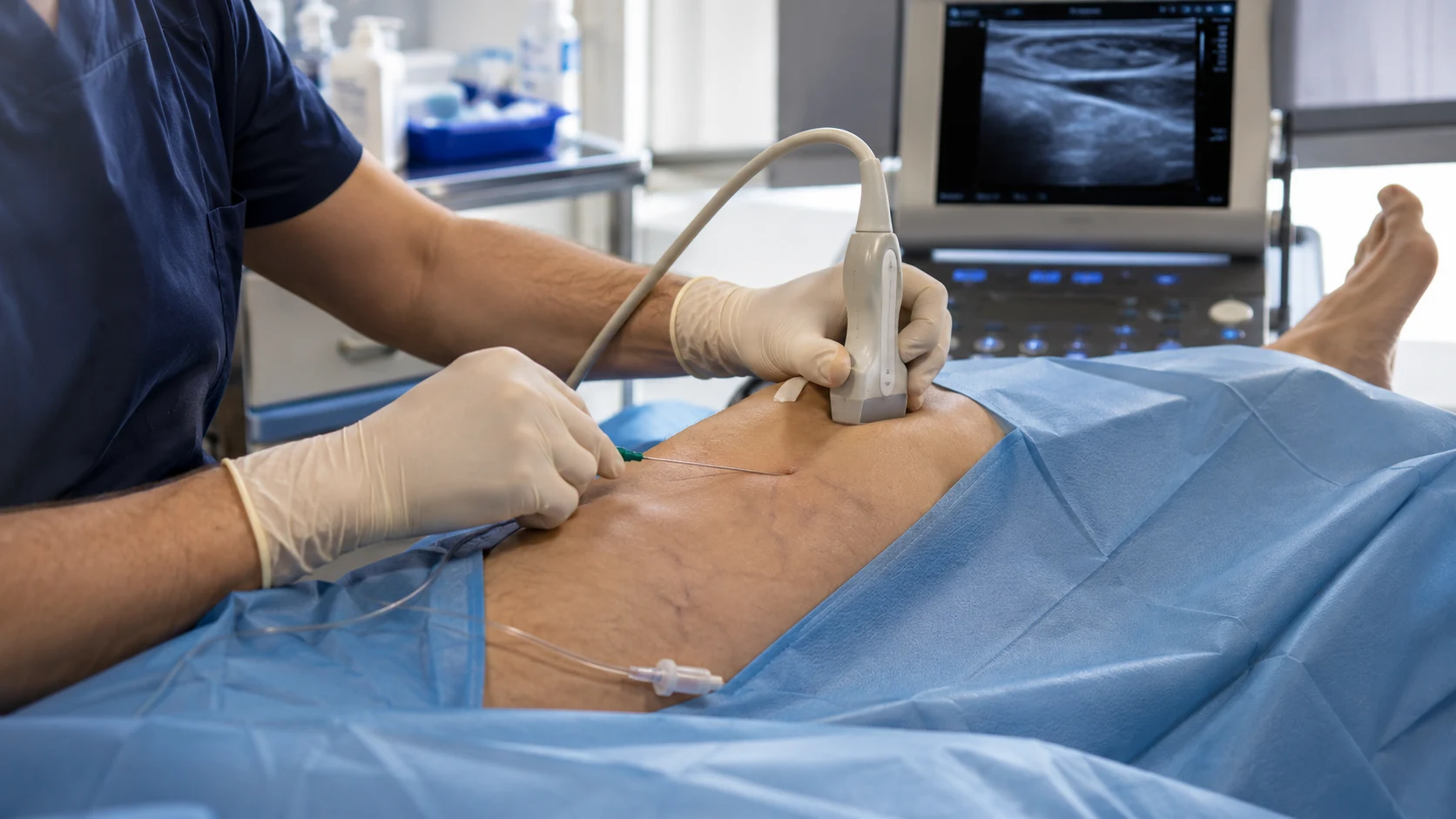
Ultrasound is used again to locate the target vein and select a safe entry point. The procedure is guided in real time rather than performed by touch alone.
Step 2: The Skin Is Numbed
Local anesthetic is applied around the entry point. Patients often notice the initial numbing injection more than the radiofrequency treatment itself.
Step 3: A Thin Catheter Enters the Vein
A small needle puncture is made, and a flexible catheter is guided through the faulty vein. Open surgery and a long incision are generally not required.
Step 4: Numbing Fluid Is Placed Around the Vein
A dilute anesthetic solution is delivered around the vein. This serves several purposes:
- It numbs the treatment area
- It separates the vein from nearby tissue
- It helps protect surrounding structures from heat
- It brings the vein wall closer to the catheter
You may feel pressure or brief pinching as the fluid is placed. You should not expect to feel the vein “burning.”
Step 5: Radiofrequency Energy Closes the Vein
The catheter delivers controlled thermal energy in measured sections. As it is withdrawn, the vein wall contracts and seals.
Step 6: The Entry Point Is Covered
The catheter is removed, and the small access point is covered with a dressing. Stitches are usually unnecessary.
Step 7: You Begin Walking
Walking after treatment helps maintain normal circulation. Your care team may also apply a compression wrap or stocking and give specific instructions based on the vein treated and your medical history.
The procedure is commonly completed in less than an hour, although appointment length varies when more than one vein or additional treatment is involved.
The First 24 Hours After Treatment
The first day is less about bed rest and more about controlled movement.
Patients are often advised to:
- Walk periodically
- Keep the dressing clean and dry as instructed
- Wear compression if prescribed
- Avoid remaining seated or standing in one position for long periods
- Follow individualized medication instructions
- Avoid strenuous exercise until cleared
Do not assume that you can drive yourself home. Whether driving is appropriate depends on the medication used, the leg treated, your comfort, and the clinic’s instructions. Arrange transportation when instructed.
What Recovery Usually Looks Like
During the First Few Days
Mild soreness, bruising, tightness, or tenderness may develop along the treated vein. Many patients can return to light daily responsibilities quickly, but “minimal downtime” does not mean that the leg will feel completely normal immediately.
Walking is commonly encouraged. Heavy lifting, high-impact exercise, hot tubs, and prolonged inactivity may be restricted temporarily.
During the First One to Two Weeks
Tenderness should gradually improve. The vein may feel firm beneath the skin as it closes and heals.
A follow-up ultrasound may be recommended to confirm that the treated vein has closed and that the deep venous system remains open. The timing depends on the patient’s risk factors and the treating specialist’s protocol.
During the Following Weeks
Symptoms such as heaviness, aching, or swelling may improve gradually rather than disappearing the day the vein is closed.
Visible surface veins may also remain after the source vein has been treated. This does not automatically mean RFA failed. Some branches shrink as pressure decreases, while others require a separate treatment such as sclerotherapy or microphlebectomy.
That distinction should be discussed before treatment so you understand whether the plan is:
- RFA alone
- RFA followed by observation
- RFA combined with another procedure
- Staged treatment over several appointments
What RFA Can and Cannot Fix
Radiofrequency ablation treats a specific refluxing vein. It does not correct every reason a person may have leg discomfort.
RFA May Help Address:
- Symptoms linked to superficial venous reflux
- Pressure feeding certain varicose veins
- Venous aching, heaviness, or swelling in appropriate candidates
- Skin complications associated with chronic venous insufficiency
- A malfunctioning great or small saphenous vein
RFA Does Not Directly Treat:
- Every spider vein
- Every visible surface branch
- Arthritis-related leg pain
- Neuropathy
- Lymphedema
- Peripheral arterial disease
- A current deep vein clot
- Swelling caused by heart, kidney, or medication problems
This is why diagnosing the source is more valuable than choosing a procedure first.
RFA Versus Other Vein Treatments
RFA Versus Endovenous Laser Ablation
Both treatments close a refluxing vein using heat. RFA uses radiofrequency energy, while endovenous laser ablation uses laser energy.
The preferred option may depend on vein anatomy, previous procedures, available technology, provider experience, and individual risk factors. One is not automatically better for every patient.
RFA Versus Sclerotherapy
Sclerotherapy involves injecting a solution or foam into a vein. It is often used for spider veins, smaller varicose veins, or certain veins that are not suitable for catheter-based thermal treatment.
RFA is more commonly used for a larger refluxing trunk vein. Some patients need both because the treatments address different parts of the vein network.
RFA Versus Compression Stockings
Compression can reduce pooling and relieve symptoms while it is being worn, but it does not repair a failed valve.
Walking can also support calf-muscle circulation and may temporarily reduce certain symptoms. Learn more about the relationship between walking and venous insufficiency.
Compression may still be useful before or after treatment. Insurance requirements and medical recommendations vary, so coverage should be verified before scheduling a procedure.
Is Radiofrequency Ablation Safe?
Radiofrequency ablation is minimally invasive, but no medical procedure is risk-free.
Possible complications include:
- Bruising or temporary soreness
- Skin irritation from dressings or compression
- Temporary numbness or tingling
- Inflammation in a treated surface vein
- Infection
- Skin injury
- Nerve irritation
- A blood clot
- Extension of clot toward a deep vein
- Failure of the vein to remain fully closed
- Development of new refluxing veins over time
Your individual risk may be affected by prior blood clots, limited mobility, medications, pregnancy status, infection, vein anatomy, and other health conditions.
Contact the treating office promptly for worsening redness, drainage, fever, severe pain, rapidly increasing swelling, or symptoms that do not match the recovery instructions.
Seek urgent medical care for chest pain, sudden shortness of breath, coughing blood, fainting, or other symptoms that may indicate a serious complication.
Will the Varicose Veins Come Back?
The goal is for the treated vein to remain closed. However, vein disease can progress elsewhere.
New varicose veins may develop because of:
- Genetics
- Aging
- Pregnancy
- Hormonal changes
- Prolonged standing
- Changes in other vein pathways
- New valve failure
Recurrence does not always mean that the original treatment failed. It may represent a different vein becoming abnormal later.
Follow-up care helps distinguish a persistent treated-vein problem from newly developed reflux.
Questions to Ask Before Scheduling RFA
A useful consultation should leave you with specific answers. Consider asking:
- Which vein is refluxing?
- Did the ultrasound connect that reflux to my symptoms?
- Why is RFA preferred over laser, adhesive closure, or sclerotherapy in my case?
- Will RFA treat the visible veins, or will another procedure be needed?
- What type of anesthesia or medication will be used?
- Will I need someone to drive me home?
- How long should I wear compression?
- When can I return to work and exercise?
- Will I need a follow-up ultrasound?
- Which symptoms require an urgent call?
- What will my insurance cover?
- What happens if the vein does not fully close?
The quality of the explanation matters. You should understand not only what is being recommended, but also what problem the treatment is intended to solve.
Radiofrequency Ablation in Reading, PA
Patients searching for radiofrequency ablation in Reading, PA are often trying to solve more than a cosmetic concern. They may be planning work around treatment, wondering whether swelling is normal, or trying to understand why compression stockings have not provided lasting relief.
MVM Health provides evaluations for varicose veins, spider veins, venous insufficiency, leg swelling, and related vein concerns. Patients can learn more about the clinic and available care by visiting the MVM Health vein specialist in Reading, PA page.
MVM Health – Reading
3933 Perkiomen Avenue, Suite 101A
Reading, PA 19606
The clinic serves patients from Reading and surrounding Berks County communities. Treatment recommendations are based on the patient’s symptoms, physical examination, medical history, and diagnostic findings.
Stop Treating the Symptom Before Identifying the Source
The vein you can see may be only the final branch of the problem.
Explore MVM Health’s complete range of minimally invasive vein treatments or request an evaluation in Reading to determine whether reflux is feeding the aching, swelling, heaviness, or visible varicose veins.
Ask the team to explain what the ultrasound shows, which vein is responsible, and whether RFA would treat the source or only one part of the condition.
Find Out Which Vein Is Causing the Problem
Request a vein evaluation at MVM Health in Reading and receive a treatment plan based on your symptoms and vein anatomy—not appearance alone.
Frequently Asked Questions
How long does radiofrequency vein ablation take?
The treatment itself is commonly completed in less than an hour. Your total appointment may be longer because of preparation, ultrasound mapping, numbing, dressing application, and post-procedure instructions.
Is radiofrequency ablation painful?
Local anesthetic is used to numb the treatment area. Patients may feel brief pinching during numbing and pressure as fluid is placed around the vein. Mild soreness or tightness can occur afterward.
Can I walk after RFA?
Walking is commonly encouraged shortly after the procedure. Follow the treating specialist’s instructions regarding distance, frequency, work duties, exercise, and compression.
When can I return to work?
Many patients return to light work quickly, but the timing depends on the number of veins treated, the physical demands of the job, symptoms after treatment, and whether additional procedures were performed.
Does RFA remove visible varicose veins immediately?
Not always. RFA closes the refluxing source vein. Some visible branches shrink afterward, while others may require sclerotherapy or microphlebectomy. Ask whether the proposed treatment plan includes the surface veins that concern you.
Is radiofrequency ablation covered by insurance?
Some health plans cover RFA when it is considered medically necessary and documentation supports the diagnosis. Requirements, deductibles, authorizations, and compression policies vary. Coverage should be verified directly with the insurer.
Is RFA used for spider veins?
RFA is generally used for larger refluxing veins rather than small spider veins. Sclerotherapy or surface laser treatment may be more appropriate for spider veins, depending on the evaluation.
What happens to blood flow after the vein closes?
Blood is redirected through healthier veins that are capable of returning it toward the heart. The treated vein is no longer contributing to backward flow.
Can both legs be treated on the same day?
That decision depends on the extent of disease, the veins involved, the patient’s health, insurance authorization, and the treating specialist’s protocol. Some treatment plans address one leg at a time.
How soon will symptoms improve?
Some patients notice improvement relatively quickly, while others improve gradually over several weeks. Swelling and discomfort may have more than one cause, so symptom response cannot be guaranteed.
Medical Disclaimer
This article provides general educational information and does not diagnose a medical condition or replace an examination by a qualified healthcare professional. Treatment recommendations, recovery instructions, risks, and insurance requirements vary by patient.