
Recurring leg aching, heaviness, ankle swelling, and itching around raised veins deserve medical assessment, especially when they worsen or affect daily activities. If you searched “varicose veins Bethlehem, PA,” these are symptoms to discuss with a clinician. Sudden one-sided swelling, bleeding, or an open sore needs prompt attention; chest pain or shortness of breath with leg symptoms requires emergency care.
A vein can look prominent without causing much discomfort, while a smaller visible change may accompany symptoms that interrupt your day. Appearance alone cannot tell you what is causing the problem. The more useful clues are when symptoms occur, how often they return, and what has changed.
Varicose Veins Bethlehem, PA: Early Symptoms to Notice
Varicose veins are enlarged, twisted veins beneath the skin, usually in the legs. Some remain painless. Others occur with aching, swelling, or skin irritation. MedlinePlus’s guide to varicose veins explains these symptoms, common causes, and signs that warrant medical attention.
Aching or heaviness after sitting or standing
Your legs may feel unusually tired or uncomfortable after a work shift, a long drive, or hours at a desk. Symptoms associated with vein problems may ease when you rest or elevate your legs.
Temporary relief does not establish the cause. Notice whether the discomfort returns under similar circumstances and whether you are changing your routine to avoid it.
For your appointment, “my calves ache after two hours standing” provides more useful information than “my legs feel bad.”
Ankle swelling that keeps returning
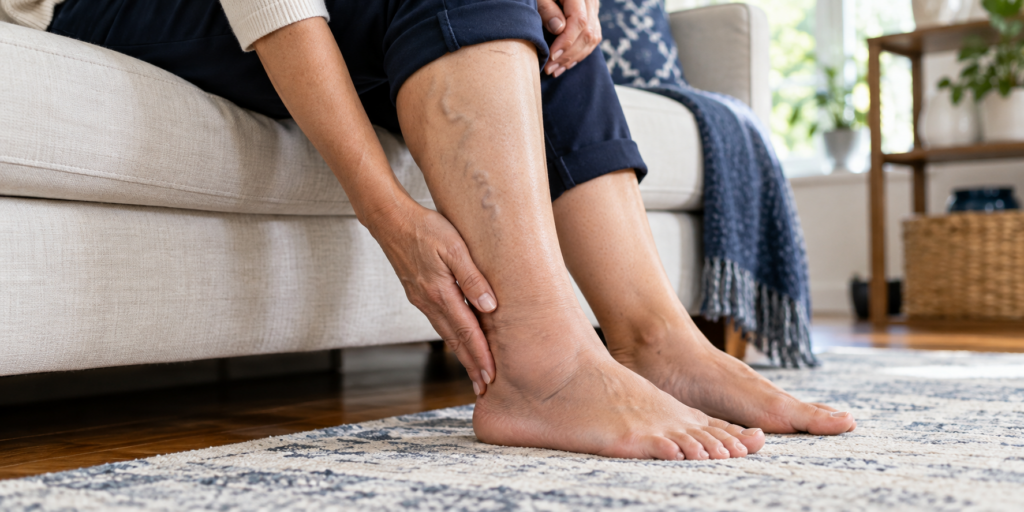
Shoes may feel tighter by evening, or you may notice swelling around your ankles. Record whether it affects one leg or both and whether it improves overnight.
Swelling can have several causes, including conditions unrelated to varicose veins. A pattern that improves overnight is worth mentioning, but it is not enough to diagnose a vein problem.
Sudden swelling in one leg needs prompt assessment, particularly when accompanied by pain, warmth, or redness.
Itching or burning around a visible vein
Repeated itching or burning near a raised vein deserves discussion. Check whether the surrounding skin is becoming dry, irritated, or discolored.
An occasional itch and a persistent skin change are different concerns. Brownish discoloration, hardened skin, or a sore should not be treated as a minor cosmetic change.
Raised or twisted veins
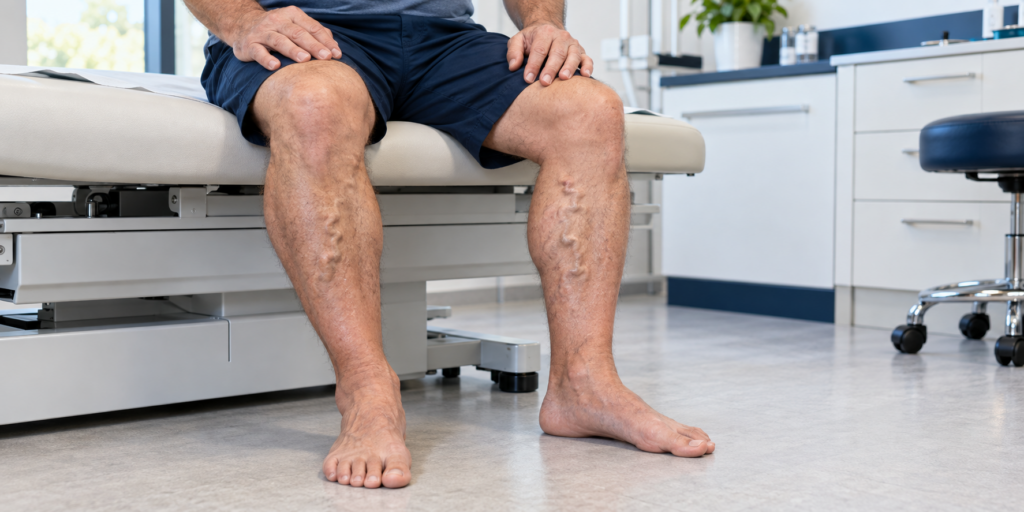
Varicose veins often look bulging or rope-like. Spider veins are generally smaller and closer to the skin’s surface.
The size of a visible vein does not reliably indicate the severity of symptoms. Mention discomfort even if the veins look small, and avoid assuming that every visible vein explains nearby pain.
Common Causes and Risk Factors
Leg veins return blood toward the heart. One-way valves help prevent backward flow. When vein walls or valves weaken, blood can collect in the vein, contributing to enlargement and twisting.
Factors associated with varicose veins include:
- A family history of varicose veins
- Increasing age
- Pregnancy
- Excess body weight
- Long periods sitting or standing
These factors affect risk; they do not establish a diagnosis or mean a procedure is necessary.
Your daily routine adds context. If you stand throughout a shift in Bethlehem, explain when discomfort begins and whether breaks help. If you sit for most of the day, describe how your legs feel when you get up and move.
MVM Health’s varicose veins overview provides further information about the condition and care options.
Signs It Is Time for a Vein Evaluation in Bethlehem
Arrange an appointment when symptoms keep returning, become more noticeable, or interfere with ordinary activities. Waiting for severe pain is not necessary.
Reasons to discuss your symptoms include:
- Aching or heaviness that interrupts work or walking
- Repeated ankle or lower-leg swelling
- Itching or irritation around visible veins
- New or worsening skin changes
- Discomfort that continues despite rest or changes in position
A vein evaluation in Bethlehem can help determine whether your symptoms are vein-related or need another assessment. Booking an evaluation does not commit you to treatment.
Before the visit, note when symptoms started, whether one leg is more affected, and what makes discomfort better or worse. Bring your medication list and available previous reports. Mention blood-clot history and previous vein care.
Warning Signs Requiring Prompt or Emergency Care
Some changes should move you beyond a routine appointment request.
Seek prompt medical assessment for:
- Sudden swelling or pain in one leg
- Redness or warmth with new leg discomfort
- A painful, hard area along a vein
- An open sore or worsening skin changes
- Redness accompanied by fever
These findings can have causes that require urgent evaluation. Do not assume they are simply part of your usual varicose-vein symptoms.
Call 911 if leg symptoms occur with chest pain or shortness of breath. Bleeding from a varicose vein also requires emergency attention. Do not wait for a clinic’s online scheduling response.
What to Expect During a Vein Evaluation
The clinician reviews your medical history, asks about your symptoms, and examines your legs. The assessment should connect what you report with the examination findings.
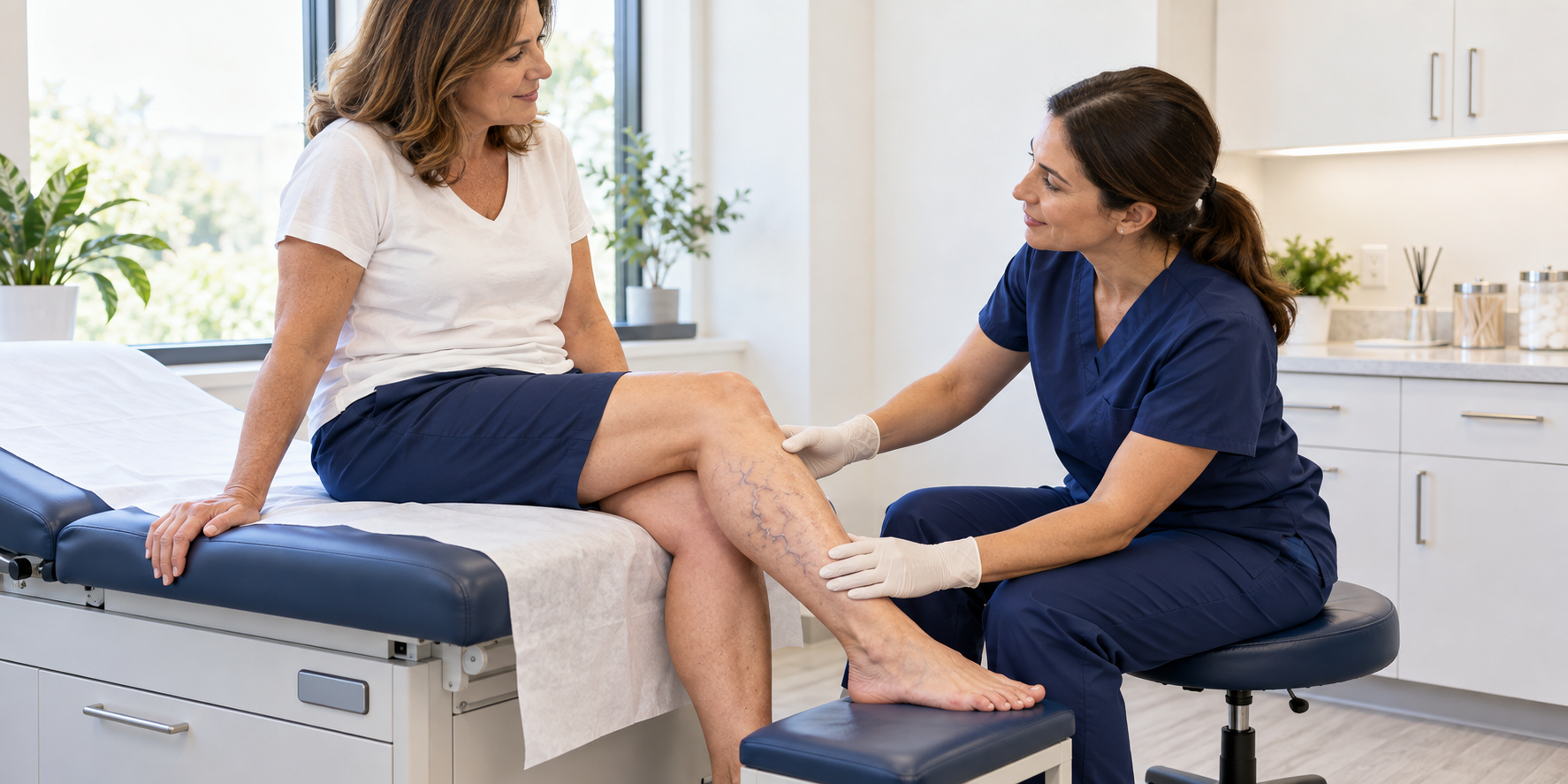
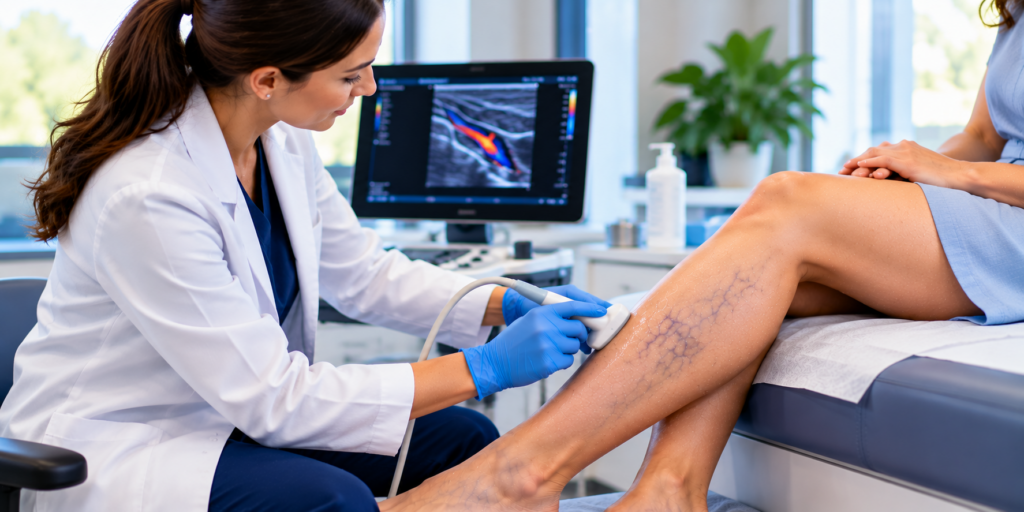
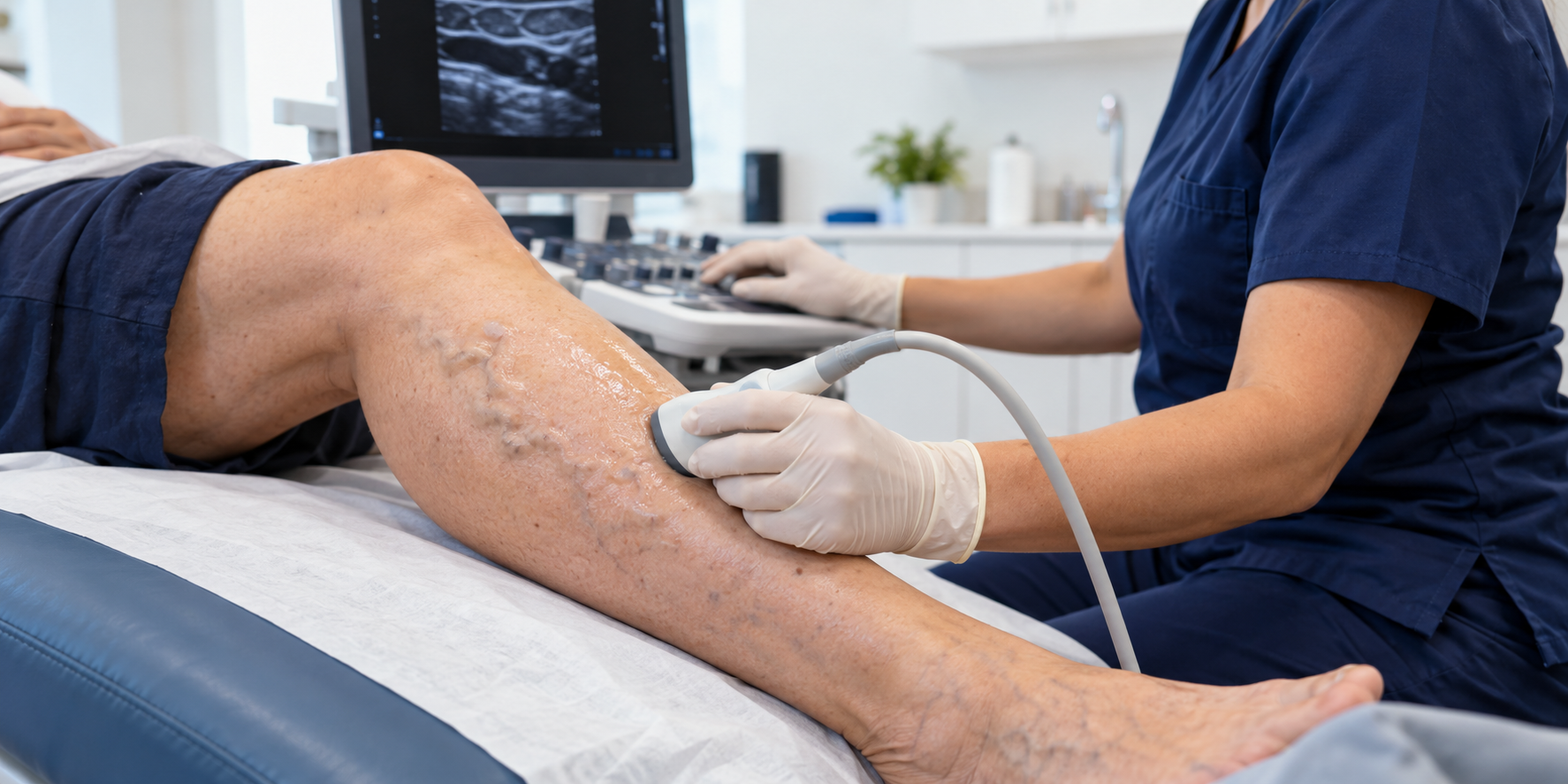
Duplex ultrasound may be recommended to assess blood flow and vein-valve function. Ask whether testing is needed, where it will take place, and who will explain the results.
You can review Dr. Peter J. Isaac’s professional profile for information about his vascular background. Confirm which clinician will see you in Bethlehem when arranging the appointment.
The findings guide the next step. Some patients may discuss monitoring or symptom-management measures; others may discuss a procedure. If laser ablation is recommended, ask which findings support it and confirm availability at your intended location.
Simple Measures While Waiting for a Routine Appointment
For stable, nonurgent symptoms, gentle walking breaks, regular changes in position, and elevating your legs when resting may help discomfort.
If you have a routine appointment booked, contact the Bethlehem clinic to confirm any instructions to follow before your visit.
Ask a clinician whether compression stockings are appropriate before choosing a pressure level or fit. Avoid treating a new or sudden symptom as something to manage solely at home.
The distinction is practical: familiar discomfort that remains stable can be discussed at a routine appointment; a sudden change needs reassessment of how urgently you seek care.
Book a Consultation at MVM Health in Bethlehem
Book a consultation at MVM Health in Bethlehem, PA to discuss recurring symptoms. Specify Bethlehem, confirm the clinician and visit location, and ask whether testing or preparation is planned.