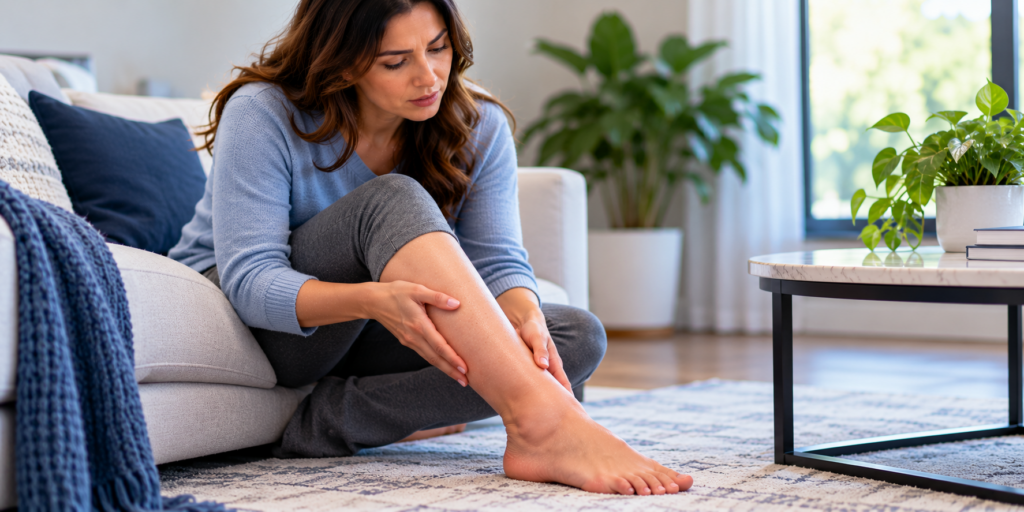

Veins play a critical role in circulating blood back to the heart, working against gravity in your legs. When veins weaken or their valves stop functioning properly, blood begins to pool, leading to visible vein conditions like varicose and spider veins. While often dismissed as cosmetic issues, untreated vein problems can progress into serious medical concerns such as swelling, pain, and ulcers.
At MVM Health, patients across East Stroudsburg and Bethlehem trust our board-certified vein specialists to diagnose and treat vein conditions with the latest minimally invasive procedures, including laser varicose vein treatment and spider vein laser treatment. Our goal is to restore comfort, improve circulation, and enhance quality of life.
Understanding Common Vein Conditions
Before moving into treatment options, it helps to understand the most common vein conditions that lead people to seek a vein specialist in Bethlehem or East Stroudsburg. These conditions vary in severity, but each one affects circulation and overall vascular health.
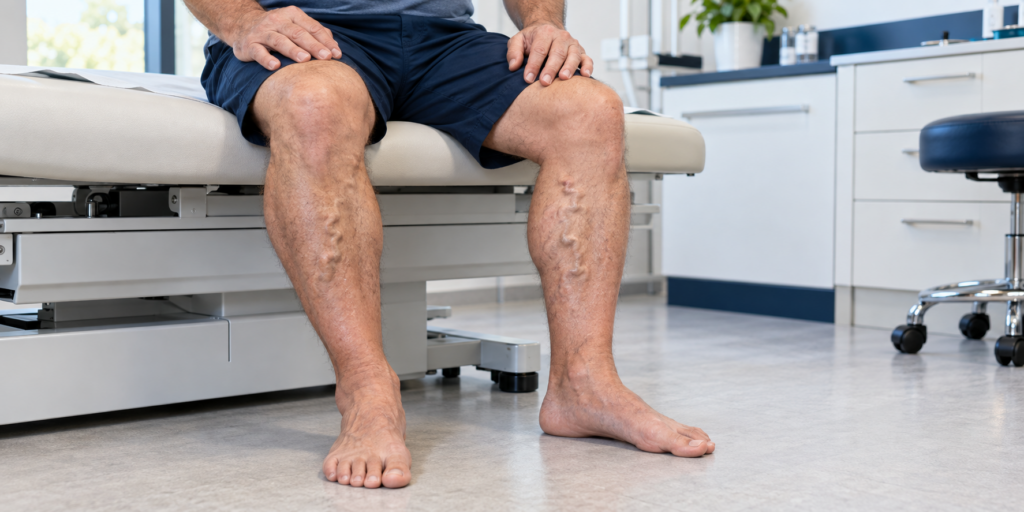
Varicose Veins
- What they are: Enlarged, twisted veins that often bulge under the skin. They usually appear on the legs and feet.
- Symptoms: Aching, heaviness, swelling, itching, or throbbing pain. In advanced cases, they may lead to skin ulcers.
- Causes: Faulty valves in the veins that allow blood to pool instead of flowing upward to the heart.
If you’ve been noticing bulging veins and persistent discomfort, our guide on varicose vein treatment in Reading covers when symptoms are serious enough to warrant an evaluation.
Spider Veins
- What they are: Small, red, purple, or blue vessels that appear close to the skin’s surface. They resemble webs or tree branches.
- Symptoms: Usually painless but can cause mild discomfort, burning, or itching.
- Causes: Genetics, hormonal changes, or prolonged standing.
Patients in the Bethlehem area often ask about their specific options. Our detailed resource on spider vein treatment in Bethlehem walks through what to expect from consultation through recovery.
For patients further south, we also cover what Reading patients should know about spider veins vs. varicose veins, including how to tell them apart and which treatment path is best for each condition.
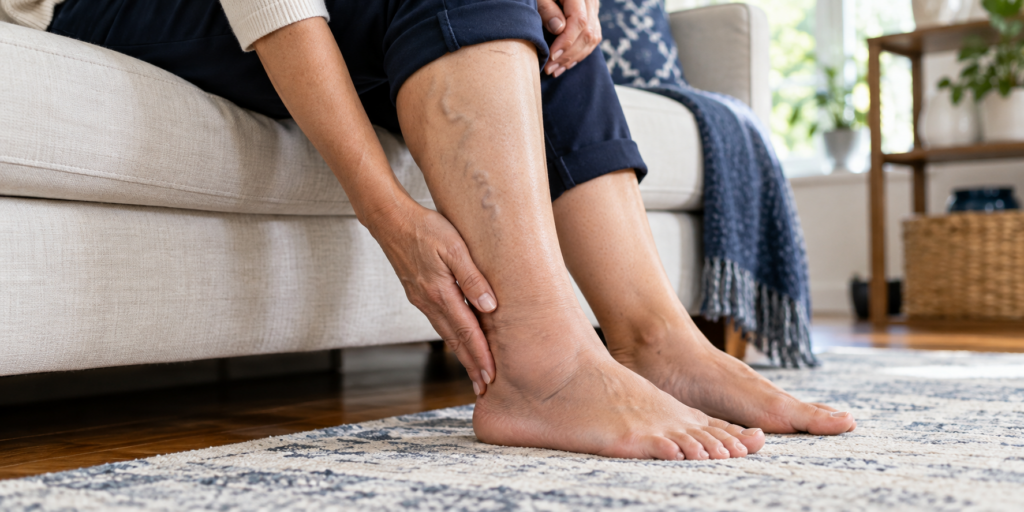
Chronic Venous Insufficiency (CVI)
- What it is: A condition where veins cannot efficiently return blood from the legs to the heart.
- Symptoms: Swelling in the legs or ankles, skin discoloration, varicose veins, and in severe cases, venous ulcers.
- Causes: Valve dysfunction, blood clots, or prolonged venous hypertension.
CVI is one of the most underdiagnosed vein conditions in Pennsylvania. Our resource on venous insufficiency treatment in Pennsylvania outlines the key symptoms to watch for so you don’t miss the early signs.
Deep Vein Thrombosis (DVT)
- What it is: A blood clot in a deep vein, often in the leg. This is a medical emergency.
- Symptoms: Pain, swelling, warmth, and redness.
- Risks: If the clot travels to the lungs, it can cause a pulmonary embolism.
Comparing Common Vein Conditions
| Condition | Appearance | Key Symptoms |
| Varicose Veins | Enlarged, bulging veins | Pain, heaviness, swelling, ulcers |
| Spider Veins | Thin, web-like lines | Usually painless, mild burning |
| Chronic Venous Insufficiency | General vein dysfunction | Swelling, discoloration, ulcers |
| Deep Vein Thrombosis (DVT) | Not always visible | Pain, swelling, warmth, redness |
Signs, Symptoms, and When to See a Vein Specialist
Not every ache in your legs is a sign of vein disease, but there are specific symptoms that shouldn’t be ignored. The earlier you recognize them, the easier treatment and recovery tend to be.
Ready to Improve Your Vein Health?
Don’t ignore persistent vein symptoms. From spider veins and varicose veins to chronic leg swelling and venous insufficiency, MVM Health offers expert diagnosis and minimally invasive treatment options. Book your vein evaluation today and discover the right treatment plan for lasting relief and better circulation.
Common Symptoms of Vein Problems
- Visible Varicose Veins – Enlarged, twisted, or bulging veins that often appear dark blue or purple.
- Spider Veins – Smaller, web-like red or blue veins on the surface of the skin.
- Leg Pain or Heaviness – A constant throbbing or aching that worsens after standing or sitting too long.
- Swelling in the Legs or Ankles – Often linked to venous insufficiency, when blood doesn’t return to the heart properly.
- Itching or Burning Around Veins – Irritation caused by poor circulation.
- Skin Discoloration – Brownish or reddish patches, often a sign of more advanced vein disease.
- Night Cramps or Restless Legs – Disrupted sleep due to circulation issues.
Leg heaviness is one of the most common complaints we hear. Our article on what causes heavy legs and vein care in East Stroudsburg explains the connection between that daily fatigue and underlying vein problems.
Swollen legs are another common concern. Leg swelling and vein disease in Pennsylvania breaks down when to take that symptom seriously and when it’s time to see a specialist.
Why Early Diagnosis Matters
Ignoring vein issues doesn’t just cause discomfort; it can lead to:
- Blood Clots (DVT) – Dangerous if they travel to the lungs.
- Venous Ulcers – Painful sores that are difficult to heal.
- Severe Swelling and Skin Damage – Long-term changes in skin texture and color.
Early intervention with treatments such as laser varicose vein treatment or spider vein treatment in Bethlehem can help prevent progression, improve circulation, and reduce the risk of long-term vein complications.
Treatment Options at MVM Health
The right plan depends on your vein anatomy, symptoms, goals, and whether the problem is medical, cosmetic, or both. At MVM Health, your vein specialist maps blood flow with duplex ultrasound, then recommends the least invasive option that addresses the actual cause, not just the surface.
Not sure where to start? Our guide on what to look for in a Pennsylvania vein clinic can help you ask the right questions before your first appointment.
1. How We Decide: Diagnostic First, Then Targeted Care
- History and exam: symptoms, triggers, lifestyle, prior treatments.
- Duplex ultrasound: shows refluxing (leaky) veins, feeder branches, and clot risk.
- Personal plan: medical relief, cosmetic clarity, or a staged combination.
- Insurance pathway: when symptoms and reflux are documented, medical treatments are often covered. Purely cosmetic work is typically self-pay.
2. Conservative Care (Helpful, But Not a Cure)
These approaches support circulation and can reduce symptoms. They don’t fix faulty valves, but they’re valuable as a starting point or alongside procedures.
- Compression stockings: helps with swelling and heaviness. Commonly worn for 1–2 weeks after procedures.
- Movement strategy: walking breaks, calf raises, avoiding prolonged sitting or standing, leg elevation.
- Weight management: lowers venous pressure over time.
- Skin care: moisturize if you have stasis dermatitis; treat minor cuts early.
Best for: symptom relief, early disease, pregnancy support, or when you’re not ready for procedures.
3. Endovenous Laser for Varicose Veins (EVLT)
This is the laser varicose vein treatment most patients ask about.
- What it does: A thin fiber goes inside the refluxing vein (often great or small saphenous). Laser energy closes it, rerouting blood to healthy veins.
- Good candidates: Ultrasound-confirmed reflux with symptoms like heaviness, aching, or swelling.
- Session: 30–45 minutes, local anesthesia.
- Recovery: Walk same day; most patients return to work within 1–2 days. Temporary compression is standard.
- Why choose it: Predictable closure rates, a tiny entry point, and quick relief from heaviness and ache.
4. Radiofrequency Ablation (RFA)
Similar goal as EVLT: close the leaky trunk vein, but using radiofrequency heat instead of laser.
- When we use it: Vein size, wall characteristics, and specialist preference guide the choice.
- Session and recovery: Broadly similar to EVLT (30–40 minutes; 1–2 days of easy activity; compression).
- Bottom line: EVLT and RFA are the two primary options for treating the root cause of varicose veins.
5. Ultrasound-Guided Foam Sclerotherapy (UGFS)
A specialized foam fills irregular veins and contacts the vein wall evenly.
- Best for: Tortuous branches, feeder or perforator veins, residual varicosities after EVLT or RFA, or recurrent veins.
- Session: 20–30 minutes.
- Recovery: Minimal downtime. Compression is common for a few days.
- Notes: May be staged across multiple sessions for the best results.
6. Liquid Sclerotherapy
A liquid sclerosant is injected into small surface veins, causing them to collapse and fade over time.
This is one of the most requested treatments for spider veins. Our full guide on sclerotherapy for spider veins in Pennsylvania covers how the procedure works, what results to expect, and how to prepare.
- Best for: Clusters of reticular veins and many spider veins.
- Session: 15–30 minutes.
- Recovery: Little to none. You can walk out and carry on with your day.
- Notes: Typically involves multiple short sessions spaced weeks apart for even clearing.
7. External Laser for Spider Veins
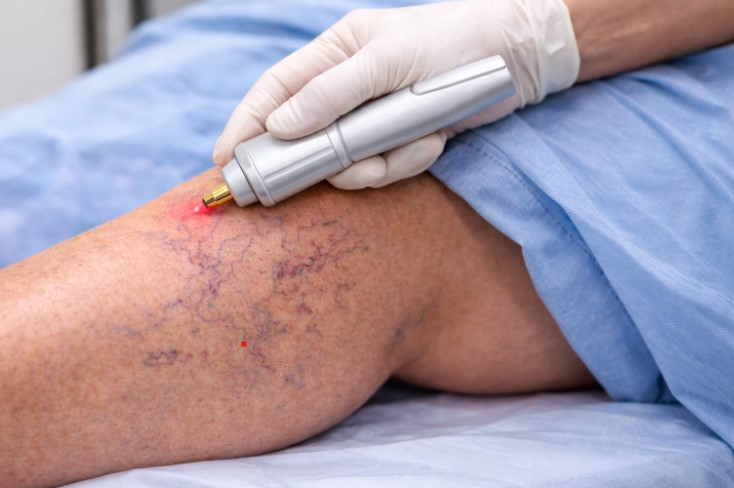
A needle-free spider vein laser treatment that targets very fine superficial vessels.
- Best for: Tiny spider webs too small for needles, facial or ankle areas where needles are difficult, or patients who prefer laser over injections.
- Session: 15–30 minutes.
- Recovery: No downtime. Mild temporary redness is possible.
- Notes: Often done in a short series for a clearer, more even skin tone.
8. Ambulatory Phlebectomy
Micro-removal of bulging surface varicose veins through pin-hole incisions.
- Best for: Rope-like veins close to the skin, especially if they remain after the main refluxing vein is treated.
- Session: 45–60 minutes, local anesthesia.
- Recovery: A few days of lighter activity. Compression and simple wound care required. No stitches.
- Why people like it: Immediate visible change in the surface bulge.
9. Combination Therapy: Sequencing for Real-World Legs
Many patients need a well-timed sequence of treatments:
- Treat the source (EVLT or RFA) if reflux exists.
- Tidy up branches (foam sclerotherapy or phlebectomy).
- Polish the surface (liquid sclerotherapy or spider vein laser).
Spacing sessions allows bruising to fade and results to settle before the next step.
10. What Recovery Really Looks Like
- Same-day walking: Encouraged after almost every procedure.
- Compression: Typically 3–7 days (your specific plan will vary).
- Work: Desk work is often possible the next day. Heavy lifting is paused for a few days.
- Exercise: Light walks are fine immediately. More vigorous workouts resume once your specialist clears you.
- Travel: Avoid long, sedentary trips for a few days. If you must travel, wear compression and walk periodically.
11. Safety and Side Effects
Modern vein procedures carry low risk. Typical short-term effects include:
- Tenderness or a cord-like feeling along a treated vein (resolves on its own).
- Mild bruising, tightness, or pulling sensations.
- Temporary skin staining after sclerotherapy, which usually fades.
Rare events include phlebitis, skin burn, nerve irritation, or DVT. Your consent paperwork covers how we prevent and manage these. If you experience rapid swelling, increasing pain, or persistent redness, contact the clinic promptly.
12. Insurance and Costs
- Medical necessity: If you have documented reflux combined with symptoms (pain, swelling, skin changes, ulcers), trunk-vein ablations are often covered by insurance.
- Compression trial: Some plans require a short period of conservative care first. We’ll walk you through that if it applies to you.
- Cosmetic care: Spider vein clearing is usually self-pay. Many patients plan short series of treatments over a season.
- Combination plans: The source ablation may be covered while the finishing cosmetic steps are typically out-of-pocket.
Tip: Keep a simple symptom log: heaviness scores, swelling days, sleep cramps. It strengthens your documentation significantly.
13. What This Means If You’re Local
- Searching for a vein specialist in East Stroudsburg: You can expect full ultrasound diagnostics and a complete range of in-office options, with plans tailored to your work schedule and activity goals.
- Looking for vein treatment in Bethlehem: Same approach: diagnose precisely, fix the source, then stage cosmetic refinements if you want them.
Short version: you don’t have to live with heaviness, swelling, or veins that affect your confidence. There are fast, modern solutions that fit real life.
Spider Vein Laser Treatment: A Gentle Yet Effective Solution
Spider veins might not always cause physical pain, but they can affect confidence and daily comfort. Unlike varicose veins, which bulge and twist, spider veins are usually smaller, closer to the skin’s surface, and often appear in web-like clusters. They aren’t typically dangerous, but many patients seek treatment because of how noticeable they are on the legs, face, or ankles.
What Makes Spider Vein Laser Treatment Different?
The approach for spider veins is less invasive than varicose vein treatment. Vein specialists often use surface laser therapy rather than inserting a fiber into the vein. A handheld device is directed at the veins from outside the skin, and short bursts of laser light are applied.
The heat damages the vein walls, causing them to collapse and gradually fade from view. Over time, the treated veins are absorbed naturally by the body.
Benefits of Spider Vein Laser Treatment
- No incisions or needles entirely non-invasive.
- Quick recovery most people resume daily activities immediately after.
- Visible cosmetic improvement as veins fade.
- Safe for both face and body. Unlike sclerotherapy, which is more common for legs, lasers are often preferred for facial spider veins.
What to Expect After Treatment
- Mild redness and swelling in the treated area, usually gone within hours to a couple of days.
- Gradual fading over weeks, with optimal results typically visible after several sessions.
- Sun protection is critical if facial spider veins are treated, as UV exposure can worsen pigmentation.
Preventing Vein Problems
With the right lifestyle changes, you can reduce your risk of developing vein issues or slow their progression if symptoms are already present.
Lifestyle Adjustments That Make a Difference
- Stay active: Regular movement keeps blood flowing and reduces pressure on your veins. Walking, swimming, and cycling are particularly vein-friendly.
- Maintain a healthy weight: Excess weight adds pressure to leg veins, increasing the risk of varicose veins and chronic venous insufficiency.
- Choose the right foods: A diet rich in fiber and antioxidants, and low in processed salt, helps prevent swelling and supports vein health. Think leafy greens, citrus fruits, and whole grains.
- Elevate your legs: Giving your veins a break from gravity makes it easier for blood to flow back to the heart.
Compression Therapy
Compression stockings are a cornerstone of vein prevention. They apply consistent pressure that helps veins push blood upward. Whether you’re recovering from a procedure or managing early symptoms, compression therapy is often recommended by our vein specialists as a daily habit.
Long-Term Wellness Tips
- Avoid sitting or standing for long stretches without a break to walk or stretch.
- Stay hydrated. Proper hydration helps keep blood circulating smoothly.
- Wear comfortable, supportive shoes. Limit high heels for extended periods.
Preventive measures may not eliminate vein problems entirely, but they significantly reduce severity and improve long-term vascular health.
Frequently Asked Questions
What are the early warning signs of vein disease?
Look for swelling in the legs, heaviness, aching, or visible bulging veins. Skin changes like darkening or ulcers may indicate more advanced issues.
How do I know if I need vein treatment or just lifestyle changes?
A consultation with a vein specialist is the best way to find out. Mild cases may be managed with lifestyle adjustments, but persistent pain, swelling, or visible varicose veins usually require treatment.
Is laser varicose vein treatment painful?
Most patients report little to no discomfort. A local anesthetic is used, and the procedure is much less painful than traditional vein stripping surgery.
How long does recovery take after vein treatment?
Minimally invasive procedures allow most patients to walk immediately and return to normal activities within a few days. Bruising and mild soreness are common but temporary.
Will varicose veins come back after treatment?
There’s always a chance of new veins forming, especially if risk factors remain. Modern treatments have a high success rate in eliminating treated veins, but ongoing vein health is important.
Can I prevent spider veins completely?
Not entirely; genetics play a role. Staying active, wearing compression stockings, and avoiding prolonged standing or sitting can significantly lower your risk.
How does MVM Health differ from other vein clinics?
Our team specializes in advanced laser and minimally invasive procedures using current technology. With clinics in East Stroudsburg and Bethlehem, we combine specialist expertise with patient-focused care.
Is vein treatment covered by insurance?
In many cases, yes, especially when the procedure is deemed medically necessary due to pain, swelling, or skin complications. Cosmetic-only treatments may not be covered.
What happens if vein problems are left untreated?
Minor discomfort can progress to chronic venous insufficiency, skin damage, infections, or ulcers. Early intervention prevents these complications.
Can men develop varicose veins too?
Absolutely. While more common in women, men also experience vein problems, especially those who stand for long hours or have a family history of vein disease.