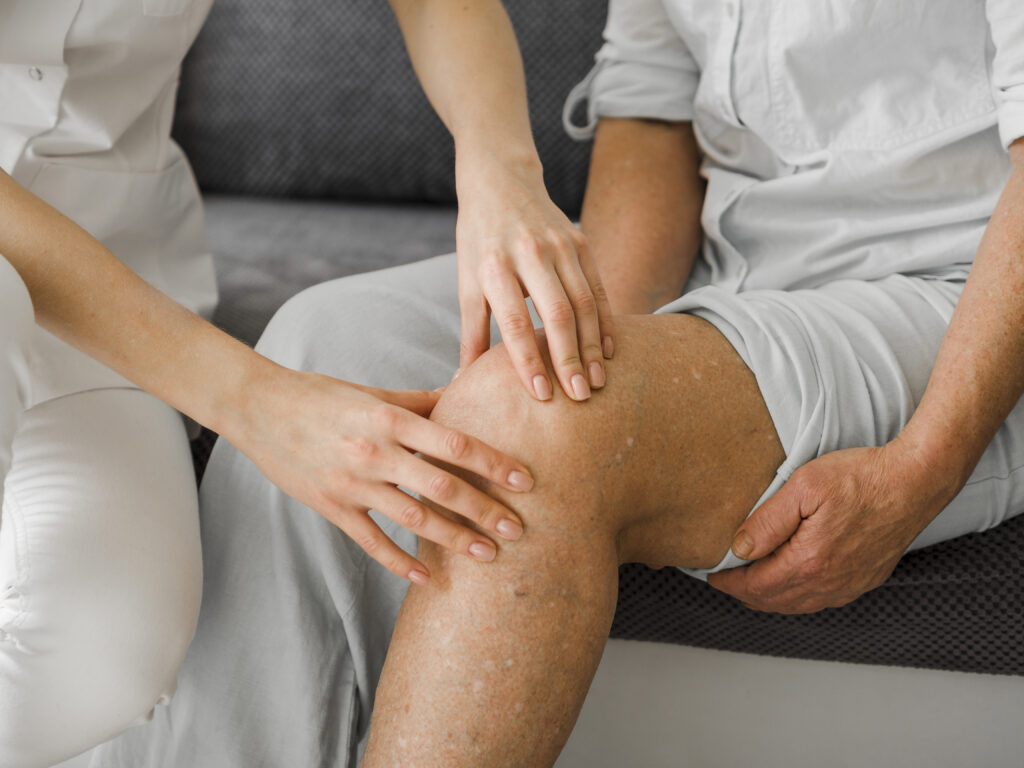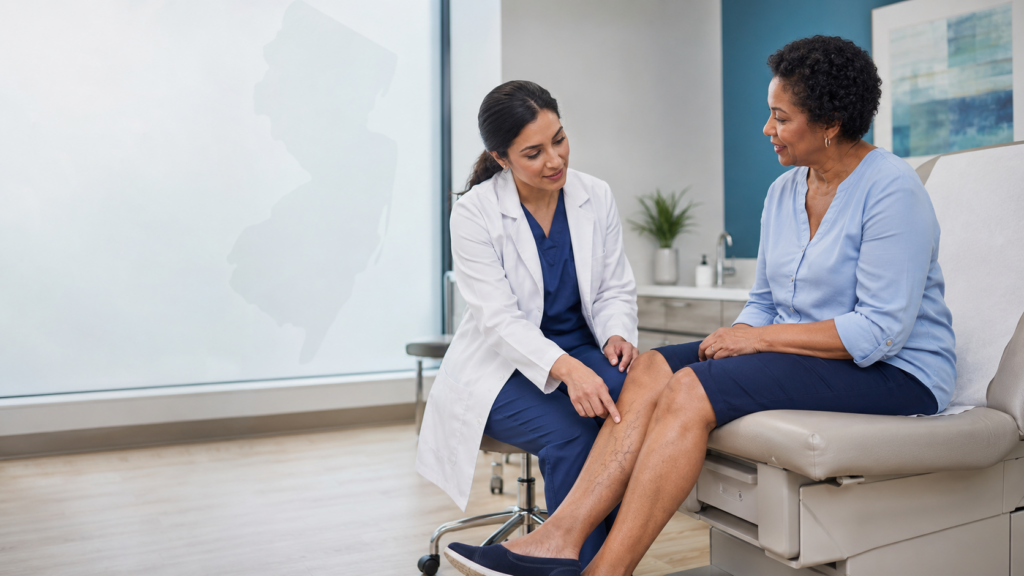

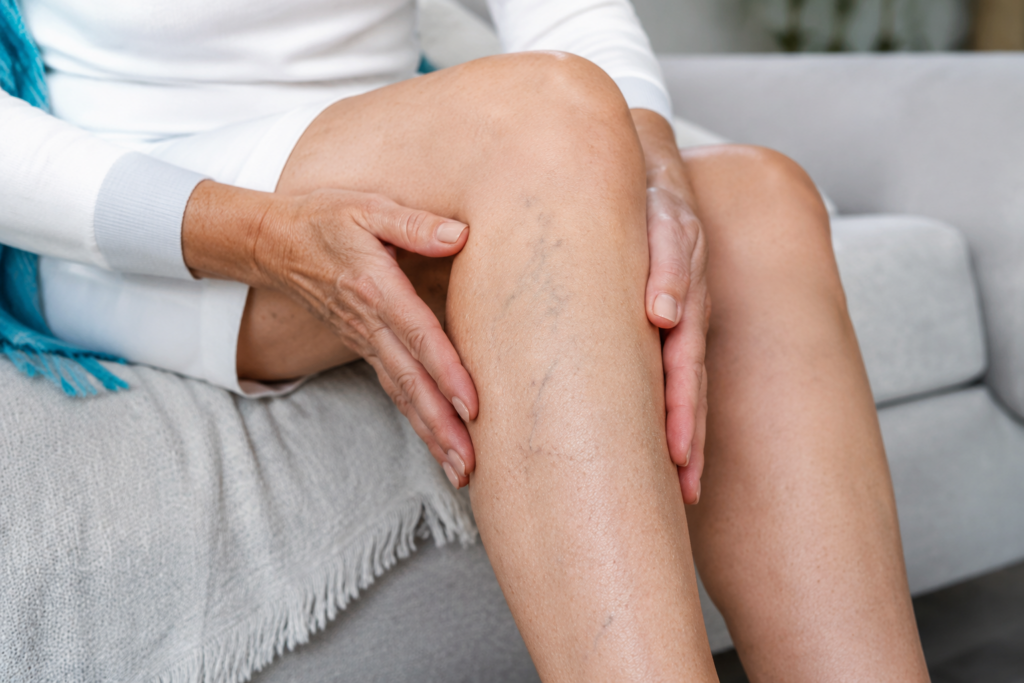
A vein doctor in Scottsdale can evaluate visible veins, leg aching, swelling, heaviness, itching, skin changes, and other symptoms to determine whether they are related to venous disease. Depending on your symptoms, the evaluation may include a medical history, physical examination, and duplex ultrasound to check blood flow and identify faulty vein valves.
At MVM Health’s Scottsdale clinic, patients can request an evaluation for visible veins and symptoms that may be associated with venous disease. The clinician will determine whether imaging is appropriate and explain treatment options based on your symptoms, vein anatomy, medical history, and goals.
What vein conditions can affect the legs?
A vein doctor evaluates conditions affecting the superficial veins of the legs. These may include varicose veins, spider veins, chronic venous insufficiency, leg swelling, aching, heaviness, cramping, itching, skin discoloration, and venous ulcers. Some concerns are mainly cosmetic, while others may be connected to abnormal blood flow or faulty vein valves.
Some people seek care because they dislike the appearance of visible veins. Others have symptoms that interfere with standing, walking, work, exercise, sleep, or daily comfort. A careful evaluation matters because the same symptom can have more than one possible cause, and a visible vein does not reveal the entire pattern of blood flow beneath the skin.
Varicose veins are enlarged, twisted veins that often bulge above the skin. Spider veins are smaller red, blue, or purple vessels that form thin lines or web-like patterns. Either may be primarily cosmetic, but visible veins can also occur alongside deeper patterns of venous reflux.
Why do varicose veins and spider veins form?
Leg veins carry blood back toward the heart, and one-way valves help keep that blood moving upward against gravity. When vein walls or valves weaken, blood may flow backward and pool. This venous reflux may contribute to enlarged veins and symptoms of chronic venous disease, although similar-looking surface veins do not always have the same underlying cause.
Factors associated with varicose veins can include:
- Family history: A tendency toward weak vein walls or valves can run in families.
- Age: Vein walls and valves may become less effective over time.
- Pregnancy: Hormonal changes, increased blood volume, and pressure from the uterus can affect leg veins.
- Long periods of standing or sitting: Limited calf-muscle movement can reduce the pumping action that helps return blood toward the heart.
- Prior blood clots or vein injury: Damage to the venous system can affect normal flow.
- Higher body weight: Additional pressure may increase stress on leg veins.
Spider veins can develop for some of the same reasons, although they do not always indicate significant underlying reflux. Sun exposure, hormonal factors, genetics, and local vessel changes may also contribute. Because appearance alone cannot establish the cause, the right first step is an assessment rather than choosing a procedure from photographs or online descriptions.
For a deeper overview of enlarged superficial veins, MVM Health’s varicose veins guide explains common symptoms and care options.
What are the common signs of a vein condition?
A vein doctor in Scottsdale may evaluate more than visible veins, especially when leg symptoms are persistent or worsening.
- Aching, throbbing, burning, or tenderness in the legs
- A heavy or tired feeling that worsens later in the day
- Ankle or lower-leg swelling
- Nighttime cramps or restless sensations
- Itching around visible veins
- Skin that becomes dry, firm, inflamed, or discolored near the ankle
- A sore near the ankle that heals slowly
- Bleeding from a superficial vein
- Veins that become increasingly enlarged or painful
Symptoms that worsen after prolonged standing and improve with walking or elevation may fit a venous pattern, but they are not diagnostic by themselves. Joint disease, nerve problems, medication effects, heart or kidney conditions, lymphedema, and arterial disease can also cause leg discomfort or swelling. A clinician should sort through these possibilities before recommending vein treatment.
How are vein conditions evaluated in Scottsdale?
Medical history and physical examination
The visit usually begins with questions about where and when symptoms occur, how long they have been present, and what makes them better or worse. The clinician may also ask about pregnancy history, blood clots, prior vein procedures, medications, family history, mobility, work demands, and other medical conditions.
The physical examination may be performed while you are standing because gravity can make enlarged veins and swelling easier to assess. The clinician may examine both legs, even when symptoms are stronger on one side, and look for swelling, tenderness, skin changes, scars, ulcers, or patterns of visible veins.
Role of duplex ultrasound
A duplex ultrasound combines standard ultrasound imaging with Doppler measurements of blood flow. This noninvasive test uses no ionizing radiation and can help identify venous reflux, obstruction, or signs of a blood clot.
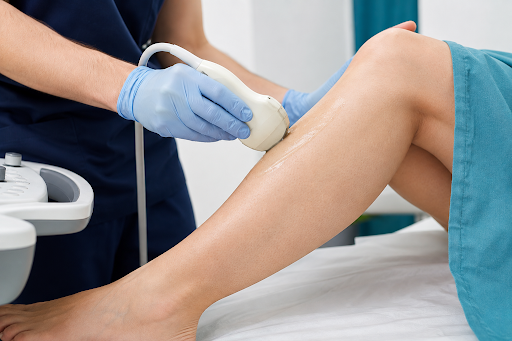
Not every person with a few isolated spider veins needs an ultrasound. It is more likely to be recommended when symptoms, larger varicose veins, swelling, skin changes, recurrent veins, or the planned treatment make underlying reflux clinically relevant.
Duplex ultrasound is commonly used to evaluate suspected venous reflux because it shows vein structure and measures the direction of blood flow. The findings can help the clinician identify affected veins and plan appropriate treatment. It can map which veins are affected and help the clinician choose a treatment that addresses the source of abnormal flow rather than only the visible surface branch.
Understanding the ultrasound findings
The result may show whether vein valves close properly, which vein segments demonstrate backward flow, and whether the deep venous system is open. It can also help distinguish a localized cosmetic concern from a broader pattern of chronic venous insufficiency.
MVM Health’s overview of venous insufficiency symptoms and treatment provides added context for patients whose swelling, skin changes, or aching may be related to impaired venous return.
What vein treatment options may be considered?
A vein doctor in Scottsdale will consider your symptoms, vein anatomy, ultrasound findings, and medical history because there is no single “best” treatment for everyone.
MVM Health provides several minimally invasive options for vein conditions. Available procedures may vary by location, and not every treatment is appropriate for every patient. Contact the Scottsdale office to confirm treatment availability; clinical candidacy is determined after an evaluation and, when indicated, ultrasound imaging.
| Treatment approach | Common role | How it works | General recovery pattern |
| Conservative care | Symptom management or initial care | Walking, leg elevation, weight management when appropriate, and clinician-directed compression | No procedural downtime; benefit depends on the symptom and underlying cause |
| Sclerotherapy | Often used for spider veins and selected small varicose veins | A medication is injected into the target vein, causing it to close over time | Many people resume routine activity promptly; bruising or tenderness may occur |
| Radiofrequency ablation | Often used for reflux in a larger superficial truncal vein | A catheter delivers controlled thermal energy to close the abnormal vein | Walking is usually encouraged; temporary soreness, tightness, or bruising may occur |
| Endovenous laser ablation | Another option for selected refluxing superficial veins | Laser energy delivered through a catheter closes the target vein | Often similar to radiofrequency recovery, with individualized restrictions |
| Medical adhesive closure | Selected refluxing superficial veins | A catheter delivers adhesive to seal the vein | Often requires limited downtime; post-procedure instructions vary |
| Ambulatory phlebectomy | Bulging surface branches | Tiny skin openings allow removal of selected vein segments | Bruising and localized tenderness are common; activity guidance is individualized |
Recovery varies by procedure, the number and location of veins treated, personal health factors, and the clinician’s instructions. This table is a decision aid, not a treatment recommendation.
Conservative care and symptom management
Walking, changing position regularly, elevating the legs, and managing weight when medically appropriate may reduce symptoms and support circulation. Compression stockings may also help some patients manage aching or swelling.
These measures generally do not eliminate an established refluxing vein. They may still be useful when a procedure is not indicated, while a patient considers treatment, during pregnancy, or as part of a broader care plan.
Sclerotherapy for selected surface veins
During sclerotherapy, a clinician injects a solution or foam into a selected vein. The treated vessel closes, and the body gradually redirects blood through healthier veins. The visible vein commonly fades over time rather than disappearing immediately.
More than one session may be needed, and new spider veins can develop later. Patients should receive individualized guidance about compression, sun exposure, exercise, and follow-up. MVM Health provides additional detail on sclerotherapy for spider and varicose veins.
Endovenous treatment for refluxing veins
Endovenous ablation closes an abnormal superficial vein from inside using a thin catheter. Radiofrequency and laser procedures use thermal energy; other techniques may use a medical adhesive or mechanical-chemical method. Blood then reroutes through functioning veins.
Concerned about visible veins or persistent leg symptoms?
Request a vein evaluation at MVM Health’s Scottsdale clinic. The care team can determine whether an examination or ultrasound is appropriate and explain the available next steps. Request an appointment.
How does a vein doctor in Scottsdale select a treatment?
Treatment should address the underlying vein problem rather than only the most visible vein. The clinician may consider:
- Symptoms and their effect on daily activities
- Physical examination findings
- Duplex ultrasound results
- Vein size, location, and blood-flow pattern
- Previous blood clots or vein procedures
- Current medications and other health conditions
- Cosmetic and symptom-related goals
- Insurance requirements and expected costs
Some patients may need treatment in stages. For example, a refluxing source vein may be treated before remaining surface branches or spider veins. Isolated spider veins may be treated differently when no clinically significant underlying reflux is identified.
What happens during a vein procedure?
Many modern vein procedures are performed in an outpatient setting with local anesthetic. A visit may include check-in, consent and site confirmation, preparation, treatment, a brief post-procedure check, and written instructions. Depending on the treatment, you may feel brief stinging from numbing medicine, pressure, warmth, pulling, or mild discomfort.
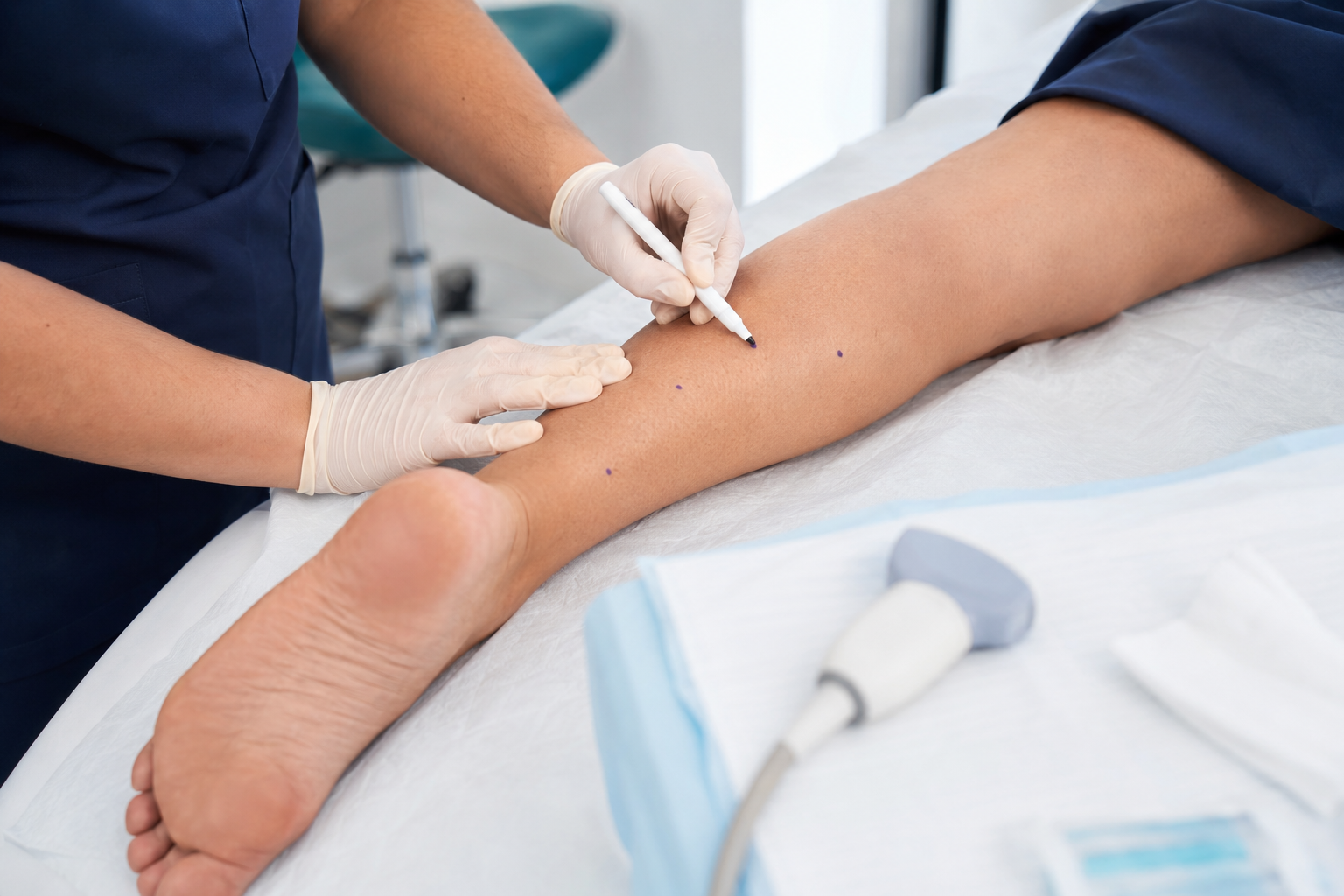
For a catheter-based procedure, the clinician typically cleans and numbs the skin, uses ultrasound guidance to place a thin catheter, treats the selected vein, and applies a dressing. For sclerotherapy, small injections are placed into mapped surface veins. The exact steps, medication, consent process, and post-treatment instructions vary.
Do not stop prescribed medication on your own. The treating clinician should tell you whether any medication needs adjustment and whether compression stockings, transportation, or activity limitations are required.
What is Recovery like after Vein Treatment?
Recovery depends on the procedure and the individual patient. Walking is often encouraged after minimally invasive vein treatment, and some patients may return to light activities shortly afterward. The appropriate timeline depends on the procedure, the veins treated, individual health factors, and the clinician’s instructions.
Common temporary effects can include:
- Bruising or discoloration
- Tenderness along a treated vein
- A pulling or tight sensation
- Mild swelling
- Small firm areas beneath the skin
- Temporary itching or redness after injections
Your clinician may recommend walking, compression, wound care, and a follow-up visit or ultrasound. Follow the written instructions you receive, because recovery guidance differs by technique and by individual risk.
Recovery considerations for Scottsdale patients
Scottsdale’s heat can make practical planning important. If compression is prescribed, ask how long it should be worn and how to manage it safely in hot weather. Schedule outdoor walking for cooler parts of the day when appropriate, stay hydrated according to your usual medical guidance, and avoid assuming that heat-related swelling is harmless if it is new, one-sided, painful, or persistent.
Arizona sun exposure also matters after treatment of visible surface veins. Bruised or healing skin may be prone to discoloration, so ask the clinician when sunscreen or protective clothing should be used and when direct sun exposure is appropriate.
Can Vein Problems Return After Treatment?
Treated veins can close successfully, but treatment does not remove the tendency to develop venous disease. New veins may become enlarged, previously small branches may become more visible, or reflux may develop in another segment over time. A later visible vein does not automatically mean that the original procedure failed.
That is why diagnosis and follow-up matter. Contact the clinic if symptoms return, new veins appear with discomfort, or swelling and skin changes progress. A repeat examination or ultrasound may help determine whether the issue is a new cosmetic branch, recurrent reflux, or another condition.
When Do Vein Symptoms Require Medical Attention?
Persistent aching, heaviness, swelling, itching, cramps, or skin discoloration may be discussed during a scheduled vein evaluation. A slowly
healing wound near the ankle, recurrent inflammation around a vein, or bleeding from a surface vein also deserves clinical attention. Sudden or severe symptoms may require a more urgent response.
Warning signs that need prompt evaluation
Seek prompt medical care for:
- Sudden swelling in one leg, especially with pain, warmth, or redness
- Chest pain, shortness of breath, coughing blood, fainting, or a rapid heartbeat
- Heavy or uncontrolled bleeding from a vein
- A leg or foot that becomes suddenly cold, pale, blue, weak, or numb
- Fever, spreading redness, drainage, or worsening pain after a procedure
Sudden one-sided leg swelling can be associated with a blood clot, while chest pain or sudden shortness of breath may signal a serious medical emergency. These symptoms require urgent medical assessment and cannot be safely evaluated through a blog or routine appointment request. Call 911 for severe or life-threatening symptoms.
How can you prepare for a vein consultation?
Preparing your symptom history, medication list, and questions can make the consultation more useful. Bring or prepare the following:
- A list of symptoms, when they started, and what triggers or relieves them
- Current medications and supplements
- Information about prior blood clots, pregnancies, surgeries, or vein procedures
- Relevant imaging or procedure records, if available
- Your insurance card and identification
- Questions about treatment goals, recovery, costs, and follow-up
Wear clothing that allows the legs to be examined. Avoid applying heavy lotion on the day of an ultrasound unless the clinic tells you otherwise. Ask the scheduling team whether there are any office-specific instructions.
Useful questions for the clinician include:
- Do my symptoms appear venous, or should another cause be evaluated?
- Do I need a duplex ultrasound?
- Is treatment medically necessary, cosmetic, or a combination of both?
- What alternatives fit my ultrasound findings?
- What side effects and less common complications should I understand?
- How many visits and follow-up studies might I need?
- What should I expect regarding insurance authorization and out-of-pocket cost?