
If you’ve been searching for a vein doctor in East Stroudsburg, PA, it’s probably because something has changed in your legs maybe they ache by the end of the day, maybe you’ve noticed veins that weren’t there last year, or maybe a doctor has already used the phrase “venous insufficiency” and you want to understand what that actually means. This guide answers that question directly and completely: what a vein doctor does, which conditions they diagnose and treat, how diagnosis and treatment actually work step by step, what recovery looks like, and how MVM Health approaches vein care for patients across East Stroudsburg and the greater Pocono region.
A vein doctor sometimes called a phlebologist or vein specialist is a physician who focuses specifically on diagnosing and treating diseases of the venous system: the network of vessels responsible for returning blood from your legs back to your heart. When those veins develop faulty valves or weakened walls, blood pools instead of flowing efficiently, and that pooling is the root cause behind almost every symptom covered in this guide – from visible varicose and spider veins to the heaviness, swelling, and skin changes that often show up long before a vein ever becomes visibly enlarged.
What Does a Vein Doctor in East Stroudsburg, PA Actually Do?
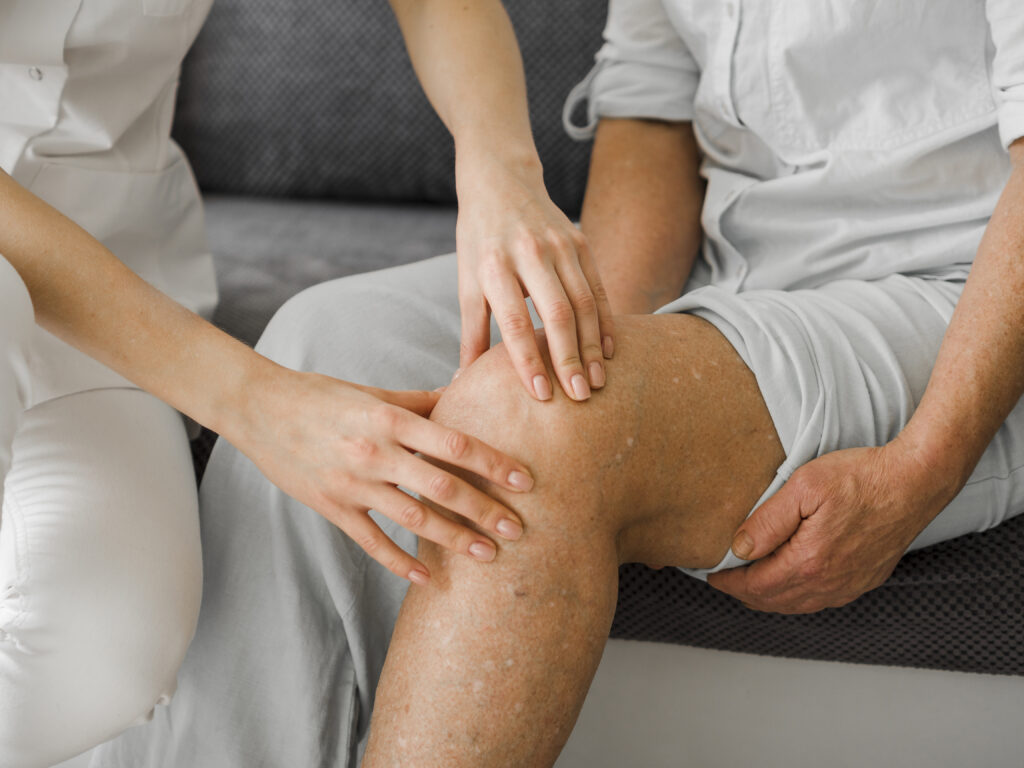
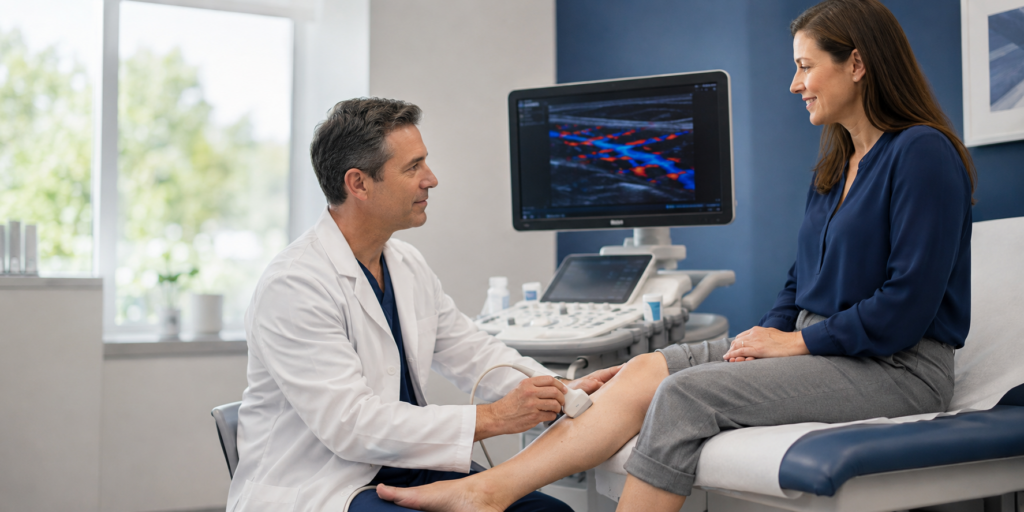
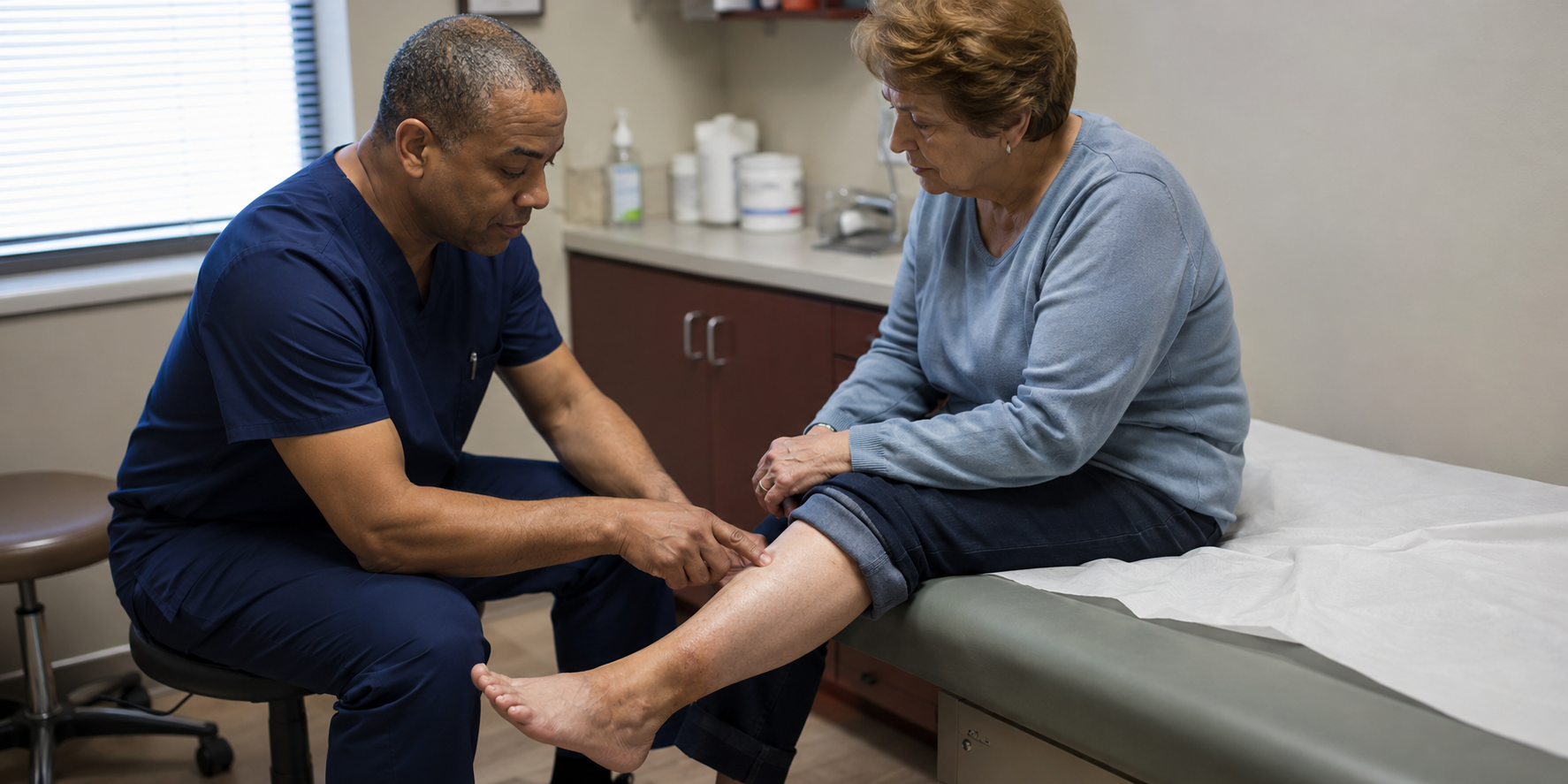
A vein doctor’s job starts well before any treatment is discussed. At MVM Health’s East Stroudsburg office, an evaluation typically includes a physical exam of the legs, a discussion of your symptoms and how long you’ve had them, and in most cases a duplex ultrasound. This painless, non-invasive imaging test lets your provider actually see blood flow in real time and identify exactly which veins have faulty valves (a condition called venous reflux) and how severe the reflux is. That ultrasound result is what turns a list of symptoms into an actual diagnosis, and it’s also usually what insurance carriers require before approving treatment as medically necessary rather than cosmetic.
From there, a vein doctor’s role is to match the right treatment to the right vein not every case needs the same procedure, and part of what separates a genuine vein specialist from a general practitioner referral is the ability to build a treatment plan around your specific anatomy, symptoms, and goals rather than a one-size-fits-all approach.
Signs You May Need to See a Vein Doctor
Vein disease rarely announces itself with a single dramatic symptom. More often, it shows up gradually, and many patients live with it for years before realizing the discomfort they’ve written off as “just getting older” or “just standing too much at work” actually has a treatable cause. If any of the following sound familiar, it’s worth having a vein doctor take a look.
Evening leg swelling is one of the most common early signs. If your ankles and lower legs look noticeably more swollen by dinnertime than they did that morning, that daily pattern is a classic sign of venous pooling rather than a one-off issue . Why your legs swell by evening and what actually relieves it in East Stroudsburg is covered in detail here, including which relief measures genuinely help and which ones only mask the symptom temporarily.
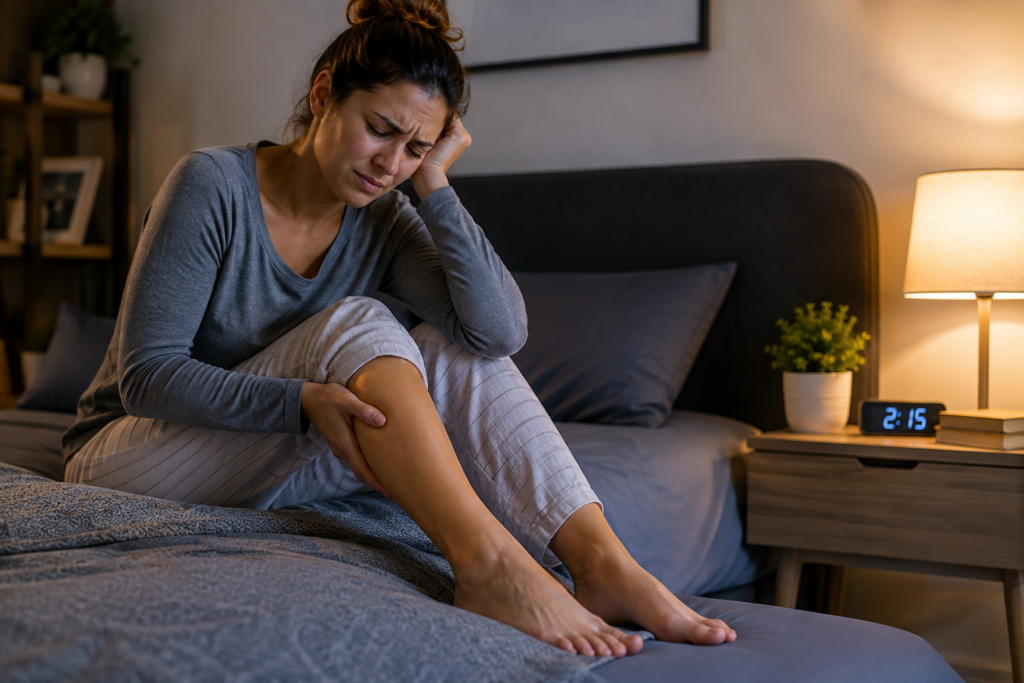
Heavy, aching legs after a long day are another frequent complaint, especially among East Stroudsburg residents whose jobs involve long shifts on their feet – hospitality staff, retail workers, and healthcare workers throughout the Poconos region report this pattern often. If your legs feel tired and heavy by evening even on days you haven’t done anything unusually strenuous, this guide to heavy, aching legs and the hidden vein-disease connection walks through how to tell the difference between normal fatigue and an underlying vein problem.
Restless legs at night can also be vein-related, though this one is trickier because restless leg syndrome (RLS) is a separate neurological condition that can look and feel similar. How to tell RLS apart from vein disease is a distinction worth understanding before you assume either diagnosis, since the treatment paths are completely different.
Itchy or burning skin directly over a vein is a symptom many patients don’t connect to their veins at all – they assume it’s dry skin or an allergic reaction. In reality, skin changes over a diseased vein are common and can be an early sign that the vein wall or surrounding tissue is under sustained pressure. What itchy or burning skin over your veins could mean explains when this symptom warrants a closer look.
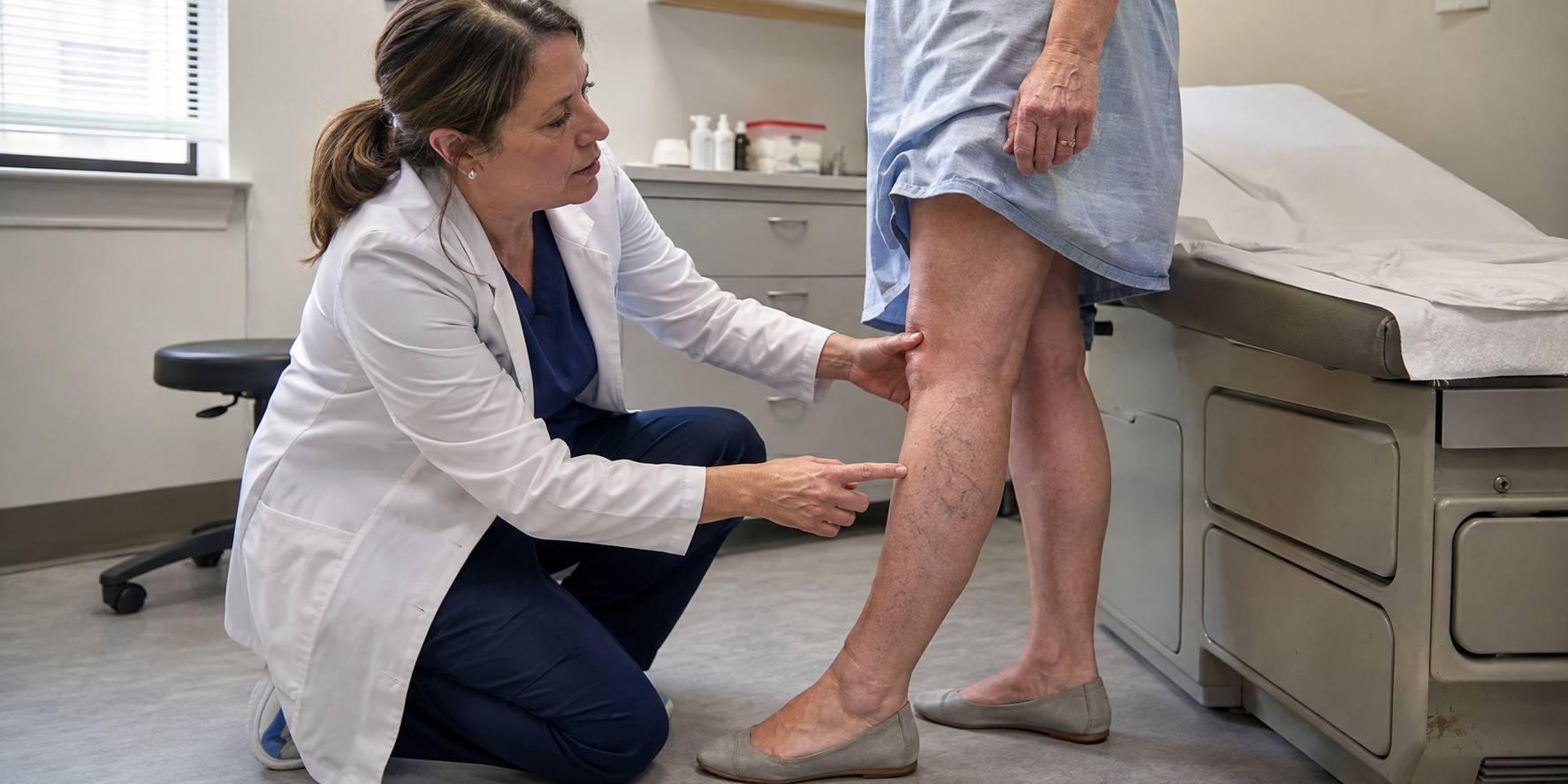
Bulging, rope-like veins are the symptom most people associate with “needing to see someone” – and for good reason. Once a vein is visibly enlarged and twisted, it’s usually already under significant pressure. When visible, bulging veins mean it’s time to see a vein specialist breaks down what makes a vein “urgent” to evaluate versus simply cosmetic.
Common Vein Conditions We Diagnose in East Stroudsburg
Once symptoms bring a patient in, the next step is pinpointing exactly which condition is causing them. Below are the conditions MVM Health’s East Stroudsburg vein doctors diagnose and treat most often.
Varicose Veins
Varicose veins are enlarged, twisted veins that usually appear on the legs and are visible just under the skin. They develop when the one-way valves inside a vein weaken or fail, allowing blood to flow backward and pool instead of moving efficiently toward the heart. Beyond their appearance, varicose veins frequently cause aching, throbbing, and a heavy sensation that gets worse as the day goes on. Left untreated, they can progress to more serious skin changes and, in some cases, ulceration. Our full breakdown of varicose vein treatment in East Stroudsburg symptoms, causes, and what actually works covers the condition and its treatment options in depth, and you can also learn more on our varicose veins condition page.
Spider Veins
Spider veins are smaller, thinner veins that appear closer to the skin’s surface, usually in a web-like or branching red or purple pattern. They’re often considered a cosmetic concern, but spider veins can also be a visible marker of underlying venous insufficiency, especially when they appear in clusters or alongside other symptoms like aching or swelling. Our detailed guide on spider vein treatment in East Stroudsburg – options, cost, and what results to expect covers this in full, and our spider veins condition page has additional background.
Chronic Venous Insufficiency (CVI)
Chronic venous insufficiency is the broader underlying disease process behind most varicose veins, spider veins, and related symptoms. It occurs when the valves in your leg veins no longer close properly, so blood flows backward and pools instead of returning efficiently to the heart. CVI is progressive, meaning it tends to get worse not better without treatment, and it’s staged based on severity, from early symptoms like heaviness and swelling all the way to skin changes and ulceration in advanced cases. Chronic venous insufficiency explained – symptoms, stages, and treatment for East Stroudsburg patients covers each stage in detail, and you can also visit our venous insufficiency condition page.
Venous Reflux Disease
Venous reflux is the specific mechanical failure the faulty valve, backward blood flow – that drives chronic venous insufficiency and most varicose vein cases. Understanding venous reflux matters because it’s what a duplex ultrasound is actually looking for, and it’s what most modern minimally invasive treatments (like radiofrequency ablation and VenaSeal) are designed to correct. Understanding venous reflux disease and how East Stroudsburg patients can find relief explains the mechanics in plain language.
Venous Ulcers and Non-Healing Leg Wounds
When chronic venous insufficiency goes untreated for a long time, the sustained pressure and poor circulation can eventually break down the skin, leading to open sores typically near the ankle that are slow to heal or don’t heal at all without treating the underlying vein disease. This is one of the more serious outcomes of untreated vein disease and shouldn’t be managed with wound care alone. Non-healing leg wounds and venous ulcers: what East Stroudsburg patients need to know explains why treating the vein itself is usually necessary for the wound to heal permanently.
Superficial Thrombophlebitis
Superficial thrombophlebitis is inflammation of a vein near the skin’s surface, often caused by a small blood clot within that vein. It typically presents as a firm, tender, warm, red cord-like area along a varicose vein and, while usually less dangerous than a deep vein clot, still warrants prompt evaluation to rule out extension into the deeper venous system. Superficial thrombophlebitis: warning signs every East Stroudsburg resident should recognize covers what to watch for and when it becomes urgent.
What Increases Your Risk of Vein Disease?
Not everyone develops varicose veins or chronic venous insufficiency, and understanding your own risk factors can help you decide how urgently to seek an evaluation. Family history is one of the strongest predictors – if a parent or sibling has had varicose veins, your own risk is significantly higher, since vein wall and valve strength is largely inherited. Prolonged standing or sitting is another major factor, and it’s especially relevant in East Stroudsburg and the surrounding Pocono region, where hospitality, retail, and healthcare jobs often involve long shifts with little chance to sit down or elevate the legs.
Age plays a role as well, since vein walls and valves naturally lose some elasticity and strength over time, making reflux more likely later in life. Pregnancy temporarily increases pressure on the pelvic and leg veins and raises hormone levels that relax vein walls, which is why many women first notice varicose veins during or shortly after pregnancy. Obesity adds sustained pressure on the leg veins, and a sedentary lifestyle reduces the calf-muscle pumping action that normally helps push blood back toward the heart. Finally, a previous blood clot (deep vein thrombosis) can damage vein valves permanently, leaving a lasting risk of chronic venous insufficiency even after the clot itself has resolved.
None of these risk factors guarantee you’ll develop vein disease, and having none of them doesn’t rule it out either – but if several apply to you alongside the symptoms described above, that’s a reasonable signal to move an evaluation up your priority list rather than waiting.
How Vein Diagnosis Actually Works
Diagnosis at MVM Health’s East Stroudsburg office follows a consistent, straightforward process:
- Consultation and symptom history – your provider asks about when symptoms started, what makes them better or worse, and any family history of vein disease (varicose veins do run in families).
- Physical examination – a visual and physical check of the legs, looking at vein patterns, skin condition, and swelling.
- Duplex ultrasound – a painless imaging test using sound waves to map blood flow and identify exactly which veins have reflux and how severe it is. This is the test that turns symptoms into a confirmed diagnosis and is typically what insurance requires before approving treatment.
- Treatment planning – based on the ultrasound findings, your provider recommends a specific treatment approach tailored to your anatomy and goals, and reviews what your insurance is likely to cover.
Varicose Vein Treatment Options
Once venous reflux is confirmed, there are several proven ways to close or remove the affected vein and redirect blood flow through healthier veins nearby. The right option depends on the size, location, and severity of the affected vein, which is why the diagnostic ultrasound step matters so much.
Ready to Talk to a Vein Doctor in East Stroudsburg?
If any of the symptoms in this guide sound familiar, the next step is a proper evaluation – not guesswork. MVM Health’s East Stroudsburg team can confirm what’s actually happening in your veins and walk you through every treatment option available to you. Schedule an appointment or visit our East Stroudsburg vein specialist page to get started.
Radiofrequency ablation (RFA) uses heat energy delivered through a thin catheter to seal the diseased vein from the inside. It’s one of the most common first-line treatments for larger varicose veins caused by reflux, performed in-office with local anesthesia and minimal downtime. Learn more on our radiofrequency ablation page.
VenaSeal is a newer option that uses a medical adhesive to close the vein instead of heat, which means patients typically don’t need to wear compression stockings afterward and can often return to normal activity even faster. Details are available on our VenaSeal treatment page.
Ambulatory phlebectomy is a technique for physically removing larger surface varicose veins through tiny incisions, often used alongside RFA or VenaSeal when a vein is too close to the surface or too large for those methods alone to fully resolve. More information is on our ambulatory phlebectomy page.
Spider Vein Treatment Options
Spider veins are typically treated differently than larger varicose veins, since they’re smaller and closer to the skin’s surface.
Sclerotherapy is the standard treatment for spider veins and involves injecting a solution directly into the vein, causing it to collapse and eventually fade from view over several weeks. Most patients need more than one session for full results. Full details are on our sclerotherapy page.
Laser ablation is another option, using targeted laser energy to close smaller veins without injections, and is sometimes preferred for very fine spider veins or for patients who aren’t good candidates for sclerotherapy. See our laser ablation page for more.
ClariVein combines a mechanical device with a sclerosant medication to close larger problem veins with less discomfort than heat-based methods for some patients. Our ClariVein page has the full explanation.
What to Expect During Recovery
One of the biggest advantages of modern vein treatment is how little it disrupts daily life compared to the vein stripping surgery of decades past. Most patients treated with RFA, VenaSeal, sclerotherapy, or ClariVein walk out of the appointment the same day and resume normal, non-strenuous activity almost immediately – walking is actually encouraged right away, since it helps circulation. Depending on the specific procedure, your provider may recommend compression stockings for a period of days to weeks, and may ask you to hold off on intense exercise or heavy lifting for a short window while the treated vein fully seals. Most patients see visible improvement in symptoms like heaviness and swelling within days, while the full cosmetic fading of treated veins can take several weeks to a few months as your body naturally reabsorbs the closed vein.
Insurance and Cost for Vein Treatment in East Stroudsburg, PA
A question nearly every patient asks is whether insurance will cover treatment. In general, treatment is considered medically necessary – and therefore typically covered by insurance, including Medicare – when a duplex ultrasound confirms venous reflux and documented symptoms like pain, swelling, or skin changes are present. Purely cosmetic spider vein treatment with no underlying medical finding is less likely to be covered. MVM Health’s team verifies your specific coverage before treatment begins and walks you through exactly what to expect out of pocket, so there are no surprises. You can review general coverage information on our insurance and payment page.
Why East Stroudsburg Patients Choose MVM Health
MVM Health’s East Stroudsburg office serves patients not just from East Stroudsburg itself but from throughout the broader Pocono region – Stroudsburg, Bartonsville, and the surrounding Monroe County communities that rely on the Route 80 and Route 33 corridors to get here. It’s a region shaped in part by seasonal tourism and hospitality work, and many local patients – from ski-resort and hotel staff to healthcare workers at nearby facilities spend long shifts on their feet, which is exactly the kind of daily strain that accelerates venous reflux over time. Our providers are trained to recognize that pattern and to build treatment plans around real working schedules, not just textbook cases. You can find our full location details, hours, and directions on our East Stroudsburg vein specialist page, and learn more about our physicians on our provider profiles page.
Warning Signs You Shouldn’t Ignore
While most vein disease progresses slowly and isn’t an emergency, a few warning signs deserve prompt medical attention rather than a routine appointment: sudden, significant swelling in one leg (especially with pain or warmth), a leg that is red, hot, and tender to the touch, or an open sore near the ankle that isn’t healing. These can indicate a blood clot or an advanced complication of vein disease that needs faster evaluation. If you notice any of these, contact a healthcare provider promptly rather than waiting for your next scheduled visit.