
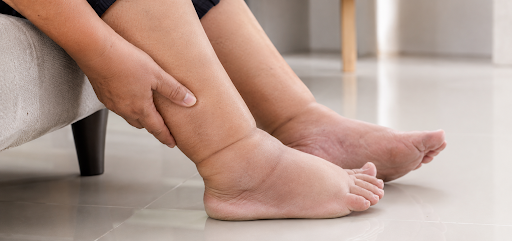
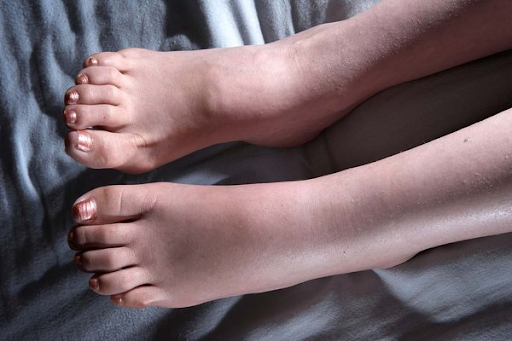
Quick answer: Ankles that swell every evening are usually caused by blood pooling in the leg veins after a full day of gravity working against your circulation. When vein valves aren’t functioning properly, a condition called venous insufficiency, fluid leaks out of the veins and into the surrounding tissue, especially by the end of the day. This is one of the most common patterns we see at MVM Health, and it’s often the first sign patients notice before they ever see a visible varicose vein.
If your ankles look normal in the morning and puffy by dinner, that timing pattern itself is a clue. It points toward a vein-related cause rather than a kidney, heart, or medication-related one, which tend to cause swelling that doesn’t reset overnight.
Key Takeaway
Evening ankle swelling that improves overnight is a hallmark sign of varicose vein and leg swelling caused by venous insufficiency. Standing or sitting for long periods, especially in warm weather, makes it worse. If the swelling is only in one leg, comes on suddenly, or is paired with pain, seek care right away, since that can signal a blood clot rather than routine venous insufficiency.
Why Does Leg Swelling Become More Common With Age?
Three age-related changes explain most of the increase.
- Vein walls lose elasticity. Like skin, vein walls become less flexible over time, making valves more prone to failure.
- Calf muscle mass declines. Your calf muscles act as a secondary pump, squeezing veins with each step. Less muscle mass means a weaker pump.
- Activity levels often drop. Reduced walking and more time sitting or lying down means less of that natural pumping action supporting circulation.
None of these changes happen overnight, which is why leg swelling in elderly patients tends to build up gradually rather than appear suddenly.
The Most Common Vein-Related Cause: Venous Insufficiency
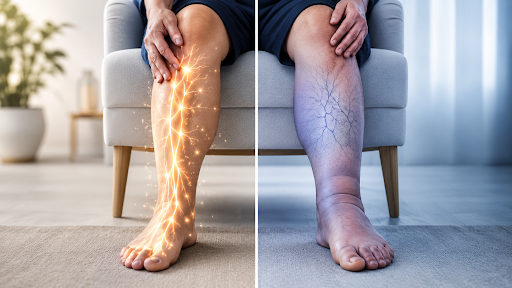
Venous insufficiency happens when the one-way valves inside leg veins stop closing fully. Blood that should flow up toward the heart instead flows backward and pools in the lower leg. That pooling raises pressure inside the vein, and fluid gets pushed out into the surrounding tissue, which is what you see and feel as swelling.
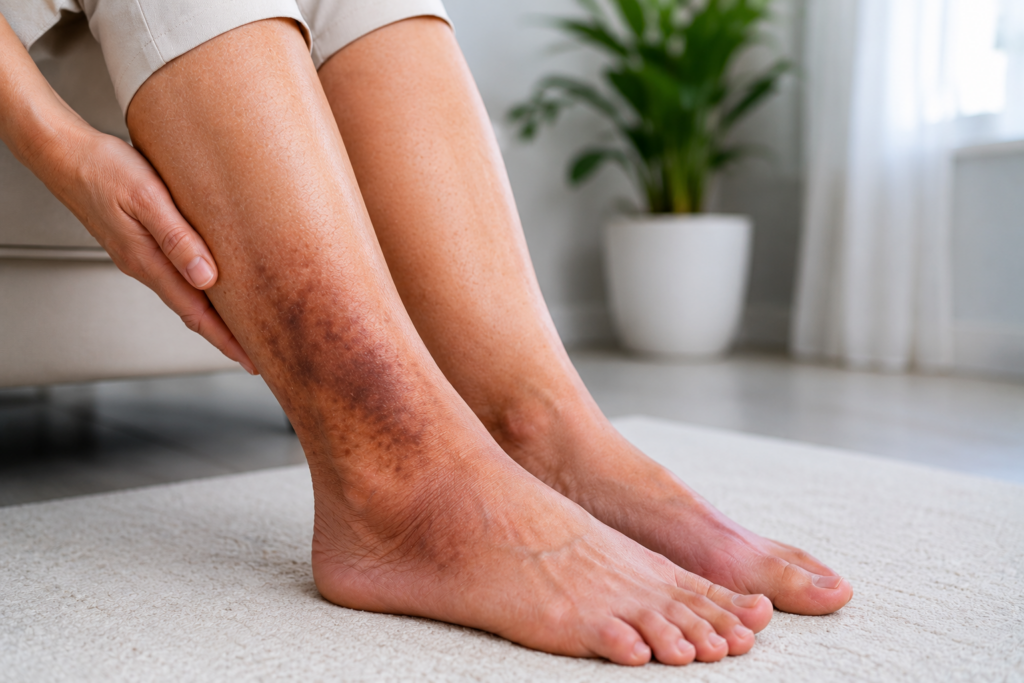
This is a progressive condition. It rarely appears overnight and rarely resolves on its own. In elderly patients, we frequently see it alongside visible varicose veins, skin changes near the ankle, or a years-long pattern of “puffy by evening, back to normal by morning.”
Other Common Causes of Leg Swelling in Elderly Adults
Vein disease is common, but it isn’t the only explanation. A thorough evaluation should also consider:
- Medication side effects. Calcium channel blockers (used for blood pressure), certain diabetes medications, and steroids are well-known causes of leg swelling in older adults.
- Reduced mobility. Extended sitting, whether from joint pain, recovery from surgery, or general decreased activity, reduces the calf muscle pump and allows fluid to pool.
- Heart conditions. Congestive heart failure can cause fluid to back up into the legs, usually alongside shortness of breath or fatigue.
- Kidney or liver conditions. These can affect how the body manages fluid balance, leading to more generalized swelling.
- Low protein levels. Adequate protein helps keep fluid inside blood vessels rather than leaking into tissue; deficiencies can contribute to swelling.
Because several of these causes can overlap in older patients who may be managing more than one health condition, distinguishing a vein-related cause from something else usually requires an actual evaluation rather than guesswork.
Leg Swelling vs. Leg Cramps: Are They Connected?
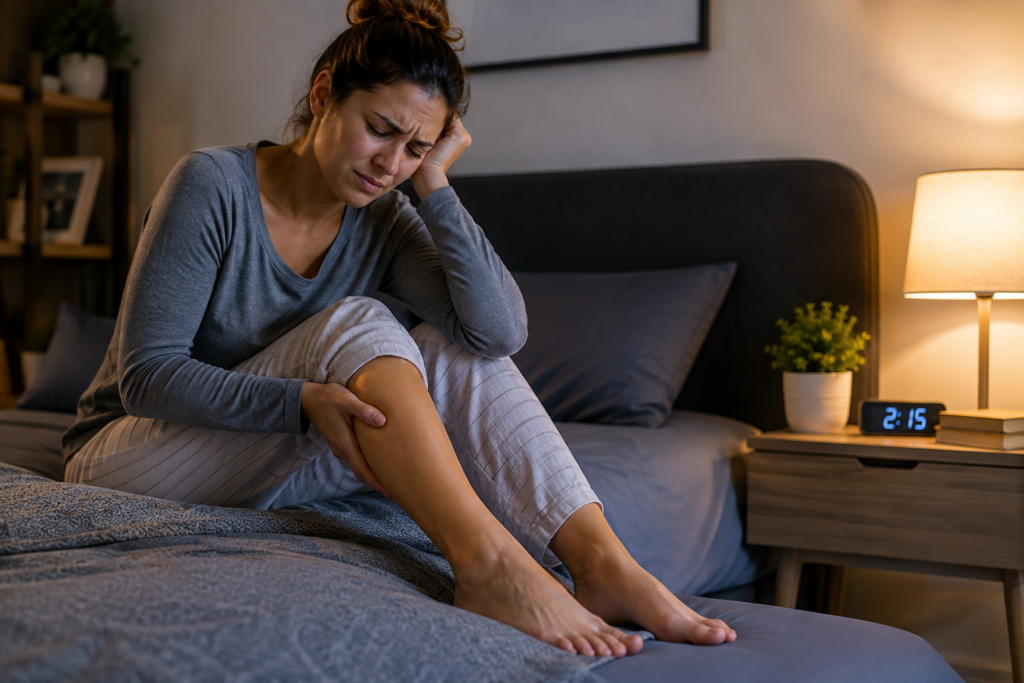
A lot of people searching for leg swelling also deal with leg cramps, and the two are more connected than most realize. Reduced circulation from venous insufficiency can contribute to muscle cramping, especially at night, because the muscles aren’t getting adequate blood flow and oxygen exchange.
Is Leg Swelling Affecting Your Daily Comfort?
Leg swelling, heaviness, and nighttime cramping may be signs of an underlying vein condition.
A proper evaluation can help identify the cause and guide the right treatment approach.
MVM Health’s vein specialists provide personalized care to help improve circulation and comfort.
Schedule your consultation today.
Why Are My Legs Cramping?
Nighttime leg cramps in elderly adults have several possible causes, and vein disease is one of them. Others include:
- Dehydration
- Electrolyte imbalances (particularly low magnesium or potassium)
- Nerve compression, such as from spinal stenosis
- Reduced circulation from vein or artery disease
- Certain medications, including diuretics and statins
If cramping consistently shows up alongside evening leg swelling, that combination points more strongly toward a circulation issue than an isolated cramp problem. In that case, searching for leg swelling vein treatment near me is a reasonable next step, since a local vein specialist can confirm whether venous insufficiency is behind both symptoms rather than treating them as separate issues.
How to Stop Leg Cramps Immediately
When a cramp hits, a few things tend to help right away:
- Gently stretch the affected muscle, pulling your toes up toward your shin if it’s a calf cramp
- Stand and put light weight on the leg if you’re able to safely
- Massage the muscle directly to encourage blood flow
- Apply a warm compress to relax the muscle, or a cool one if swelling is also present
- Stay hydrated and replace electrolytes if cramps happen frequently, especially in hot weather
These steps address the immediate cramp, but if cramps and swelling are showing up together on a regular basis, that pattern is worth mentioning to a doctor rather than just managing episode by episode.
What Causes Aching Legs and Calf Cramps in General?
Aching legs and calf cramps share several of the same root causes as swelling: poor circulation, prolonged sitting or standing, dehydration, and muscle fatigue. In elderly patients specifically, reduced calf muscle pump function from lower activity levels is a frequent contributor. Lower leg aches that show up alongside visible veins, skin discoloration, or evening swelling point more toward a vascular cause than simple muscle fatigue.
Vein-Related Swelling vs. Other Causes: A Quick Comparison
| Feature | Vein-Related Swelling | Heart-Related Swelling | Medication-Related Swelling |
| Timing | Worse by evening, improves overnight | Persistent, may worsen lying flat | Consistent while taking the medication |
| Sides affected | Usually both legs | Usually both legs | Usually both legs |
| Associated symptoms | Aching, heaviness, cramping, visible veins | Shortness of breath, fatigue | Varies by medication |
| Response to elevation | Improves noticeably | May improve somewhat | Little change |
| Onset | Gradual, over months or years | Can develop over weeks | Starts after beginning the medication |
When Leg Swelling in Elderly Adults Needs Urgent Attention
Most leg swelling from venous insufficiency is uncomfortable but not an emergency. Certain patterns are different and need prompt medical care:
- Sudden swelling in one leg only, especially with pain or warmth (possible blood clot)
- Swelling paired with shortness of breath or chest discomfort (possible heart-related cause)
- Rapid, unexplained weight gain over a few days (possible fluid retention from heart or kidney issues)
- Skin that’s hot, red, or breaking down (possible infection or advanced venous disease)
If any of these apply, that’s a same-day medical concern, not something to monitor at home.
What We See in Practice
In our clinic, a recurring pattern shows up with patients in their 70s and 80s: family members are often the ones who first notice the swelling, sometimes before the patient mentions it themselves, because loose-fitting shoes or sock indentations become visible during a visit. By the time these patients come in, many have been managing the discomfort for years, assuming it was simply “part of getting older.”
What we’ve found is that age alone rarely explains swelling that’s asymmetric or that’s gotten noticeably worse over a short period. In those cases, an ultrasound frequently reveals a specific vein segment with significant reflux, something that’s very treatable even in patients well into their 80s, contrary to what many assume about age limits on vein treatment.
How Vein-Related Leg Swelling Is Diagnosed
A proper evaluation starts with a physical exam and a review of medications, since so many common prescriptions can contribute to swelling. From there, a duplex ultrasound is the standard next step. This painless imaging test shows exactly how blood is flowing through the leg veins and identifies which valves aren’t closing properly.
This distinction matters clinically. Swelling from a treatable vein problem and swelling from a medication side effect can look identical from the outside, but they call for completely different next steps.
Treatment Options for Elderly Patients
Age alone is rarely a barrier to treatment. Most modern vein procedures are minimally invasive, done under local anesthesia, and well tolerated even in older adults. Common options include:
- Compression stockings. Often the first recommendation, particularly for patients managing multiple health conditions.
- Endovenous ablation. Heat energy closes off the malfunctioning vein so blood reroutes through healthier ones.
- Sclerotherapy. An injected solution collapses smaller problem veins.
- Medical adhesive closure. A minimally invasive option that seals the vein shut without heat or incisions.
- Medication review. If a prescription is contributing to swelling, your doctor may adjust the dose or switch medications, always in coordination with the prescribing physician.
Treatment plans for elderly patients often combine a couple of these approaches, along with practical steps like leg elevation and short walking breaks, to get the best results with the least disruption.
Practical Steps to Reduce Swelling at Home
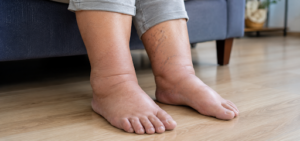
While arranging an evaluation, a few habits can ease symptoms in the meantime:
- Elevate the legs above heart level for 15 to 20 minutes in the evening
- Wear properly fitted compression stockings during the day
- Take short walks or do ankle pumps every hour if sitting for long periods
- Stay hydrated and moderate salt intake
- Review current medications with a doctor or pharmacist to check for swelling-related side effects
Get an Evaluation Instead of Assuming It’s “Just Age”
Leg swelling in elderly adults is common, but common doesn’t mean it should be ignored. Many cases stem from a treatable vein problem, and even when another cause is involved, an accurate diagnosis is the only way to know what’s actually going on and what to do about it.
At MVM Health, our vein specialists work with older patients every day to sort out whether swelling is coming from venous insufficiency, a medication, or something else, and to build a treatment plan that fits their overall health picture. Schedule a consultation to get a clear answer instead of assuming it’s just part of getting older.