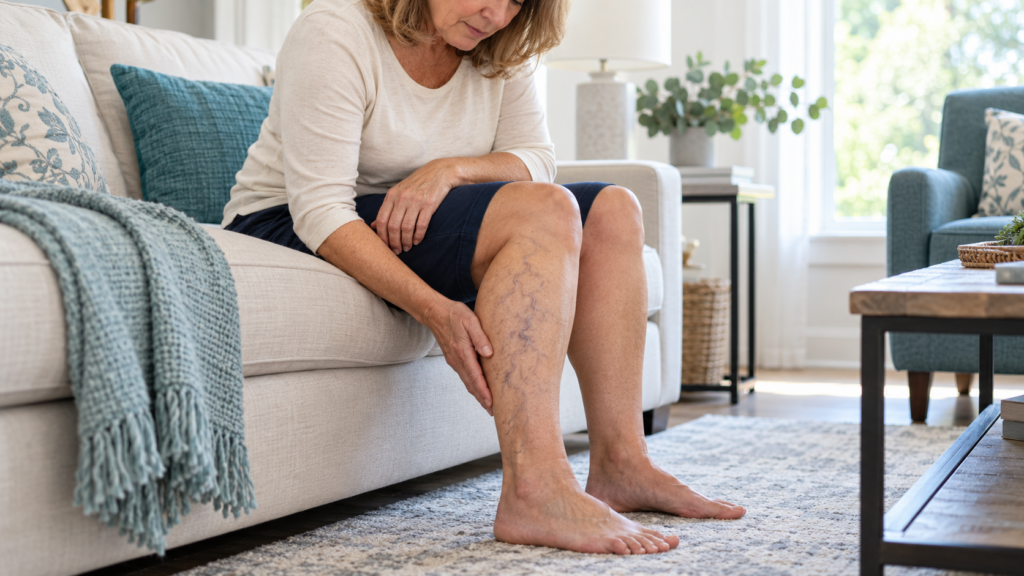

If you’ve been searching “vein specialist in Reading, PA” or “vein specialist near me,” you’ve probably noticed something frustrating: dozens of practices claim to treat varicose and spider veins, but very few explain how to actually tell them apart. Credentials get listed in fine print. Treatment names get thrown around without context. And patients are left guessing whether the provider they’re about to call is genuinely trained in venous disease, or simply offers vein procedures as one item on a long menu.
This guide walks you through what actually matters when choosing a vein specialist in Reading – credentials, hands-on experience, how a real vein evaluation should work, and the questions worth asking before you book. It’s written for someone at the decision stage: you know you likely need care, and now you’re trying to pick the right provider.
Vein Specialist in Reading, PA: Credentials to Check
“Vein specialist” isn’t a single, regulated title, which is exactly why it can be confusing. In practice, vein care is delivered by a mix of specialties, and each comes with a different training path:

- Vascular surgeons may complete an integrated vascular surgery residency or general surgery training followed by a vascular surgery fellowship. Check the physician’s board certification and experience treating venous disease.
- Interventional radiologists use image-guided techniques to diagnose and treat vascular conditions. Check their board certification and experience performing vein procedures.
- Some physicians also hold certification in venous and lymphatic medicine in addition to their primary medical specialty.
None of these paths is automatically better than another. Look for a provider who can clearly explain their training, credentials, diagnostic approach, and experience treating conditions like yours. You can also review MVM Health’s care team before scheduling.
Understand the Ultrasound Before Choosing a Procedure
One of the most overlooked parts of choosing a vein specialist is the diagnostic step that happens before any treatment is discussed. If you have varicose veins, swelling, heaviness, skin changes, or other symptoms of underlying venous disease, a duplex ultrasound may be used to examine blood flow and identify faulty vein valves. Small spider veins that are only a cosmetic concern may not always require the same diagnostic testing.
Two things are worth confirming ahead of your visit:
- Is the ultrasound performed in-house, on the day of your evaluation – or will you be referred elsewhere and asked to return later?
- Who is performing and interpreting it? Sonographers credentialed through the American Registry for Diagnostic Medical Sonography, or physicians with RPVI (Registered Physician in Vascular Interpretation) credentials, bring an added layer of diagnostic reliability.
Before treatment, the provider should explain why the diagnostic approach fits your symptoms. If the evaluation points to a back or nerve condition instead of a vein problem, pain care in Reading, PA may be a more appropriate next step.
Treatment Experience Beyond a Single Technique
Vein disease shows up differently from patient to patient – spider veins on the surface, bulging varicose veins, or deeper venous insufficiency that causes leg swelling, leg heaviness, or skin changes. Because of that variety, it’s reasonable to expect a specialist to offer more than one treatment option rather than defaulting every patient to whatever procedure they happen to perform most often.
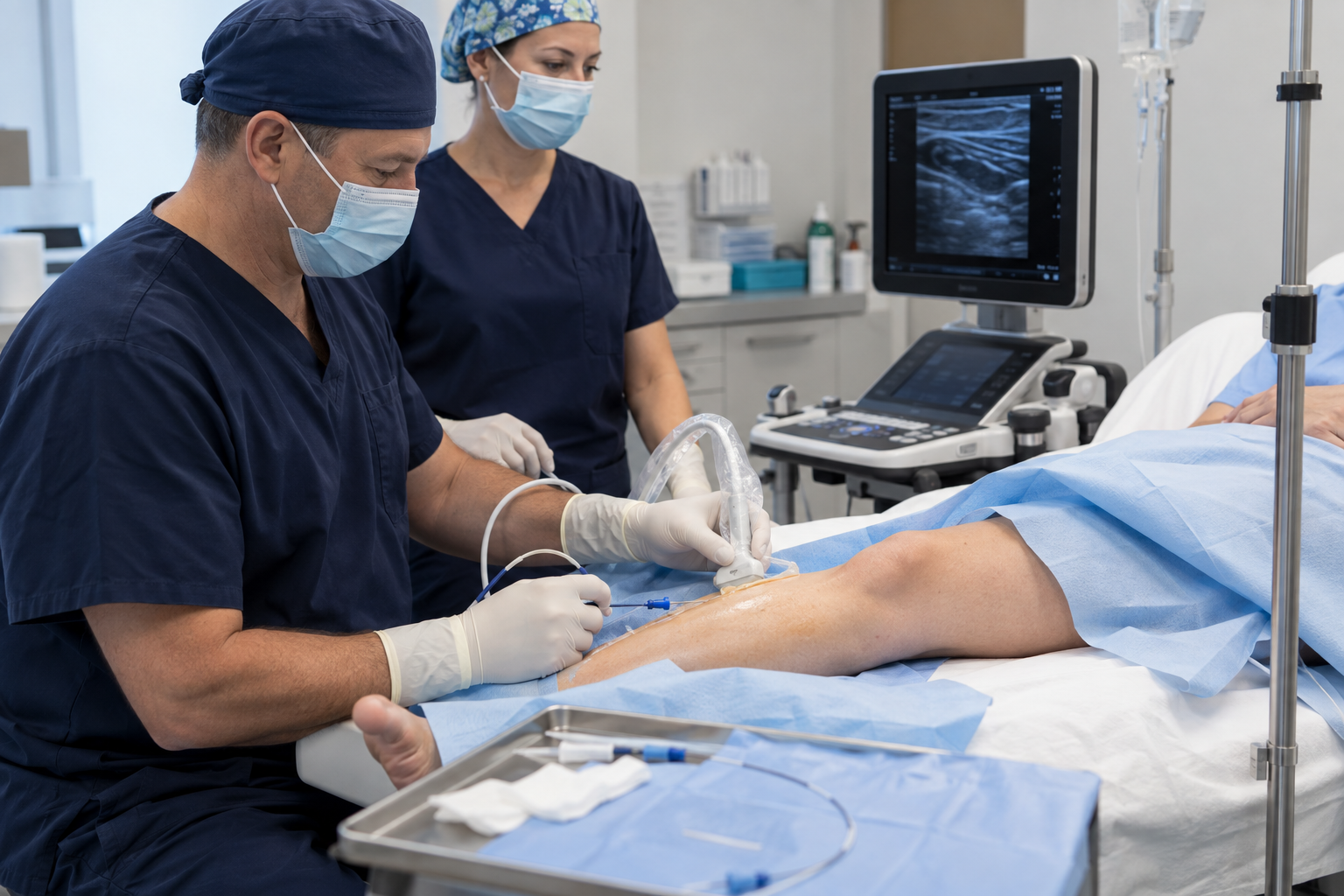
Common minimally invasive options patients in the Reading area may be offered include:
- Radiofrequency or laser ablation – heat-based energy that closes off a diseased vein, allowing blood to reroute through healthier ones
- VenaSeal – a medical adhesive that seals a vein without heat or extensive injections
- Sclerotherapy – an injected solution that collapses smaller varicose or spider veins
- Ambulatory phlebectomy – removal of surface varicose veins through tiny punctures, without stitches
- Clarivein – a non-thermal, catheter-based option for patients who aren’t ideal candidates for heat-based ablation
The provider should explain their experience with conditions like yours, which procedures they perform regularly, and how your symptoms and diagnostic findings guide the recommendation.
What a First Visit Should Actually Look Like
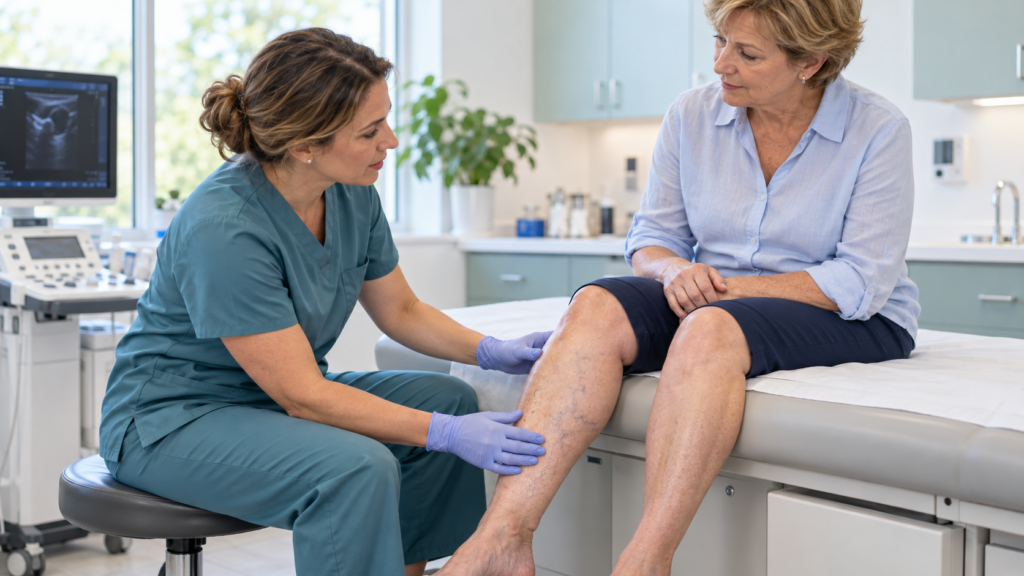
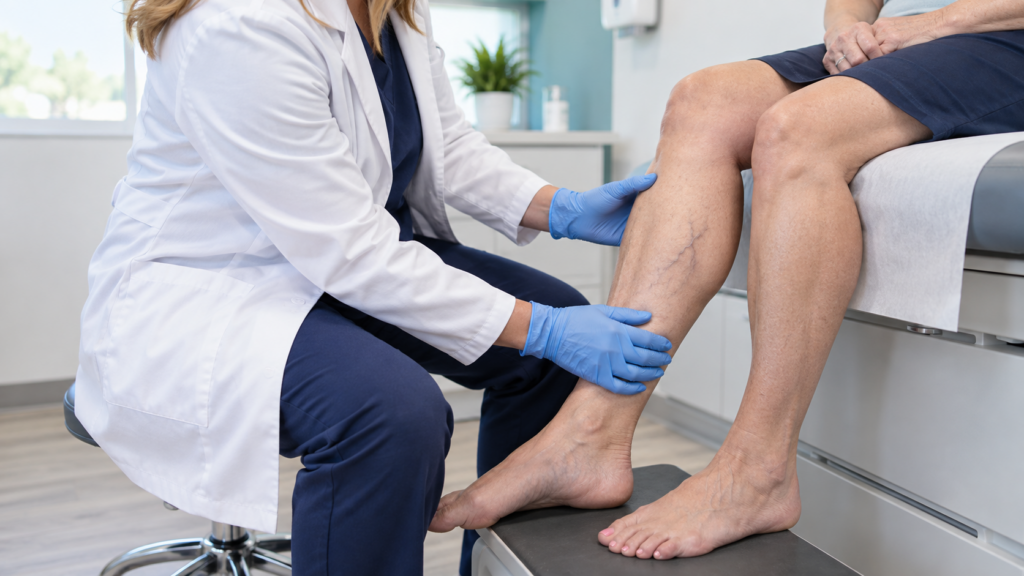
An initial vein evaluation generally includes a review of symptoms and medical history and an examination of your legs. Depending on your symptoms and exam findings, the clinician may recommend a duplex ultrasound to assess blood flow before discussing treatment. You should leave that visit with a clear explanation of what’s driving your symptoms and a specific recommendation – not a vague sense that “something needs to be done” without detail.
It’s also fair to ask about cost transparency up front. Before treatment, confirm your plan’s benefits, any authorization requirements, and your expected costs with the clinic and insurer. Insurance coverage and out-of-pocket costs depend on your plan and the care recommended.
Local Considerations for Reading, PA Patients
Reading residents have several options within a reasonable drive, from hospital-affiliated vascular surgery groups to dedicated vein clinics in Berks County and neighboring areas. Proximity matters for a condition like venous disease, since some treatment plans involve a follow-up visit or two. A clinic located directly in Reading – rather than one that routes you to a center an hour away – can make that process considerably easier to stay on top of. If you’re weighing symptoms against a wait-and-see approach, our related guide on when to get a varicose vein evaluated walks through the warning signs in more detail.
For patients in Berks County, MVM Health offers vein evaluations and a range of minimally invasive treatments at its Reading clinic, located at 3933 Perkiomen Ave, Suite 101A. The team can also discuss your insurance coverage before care begins.
Ready to Get Evaluated?
Choosing a vein specialist comes down to two things: verifiable credentials and demonstrated treatment experience. If you’re in the Reading area and ready for a diagnostic evaluation, MVM Health’s Reading team offers vein evaluations and can discuss diagnostic testing, appropriate treatment options, and insurance questions.