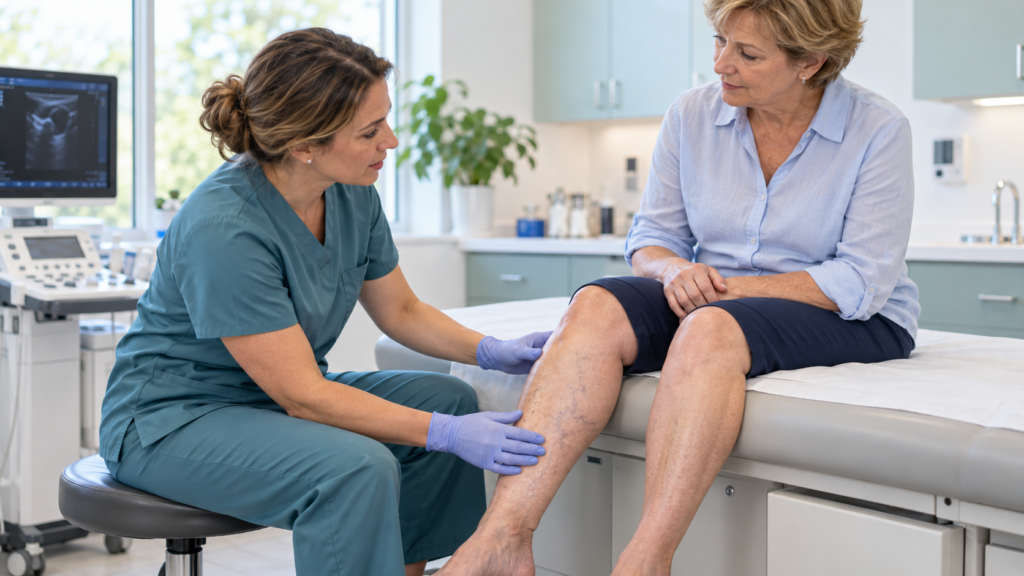

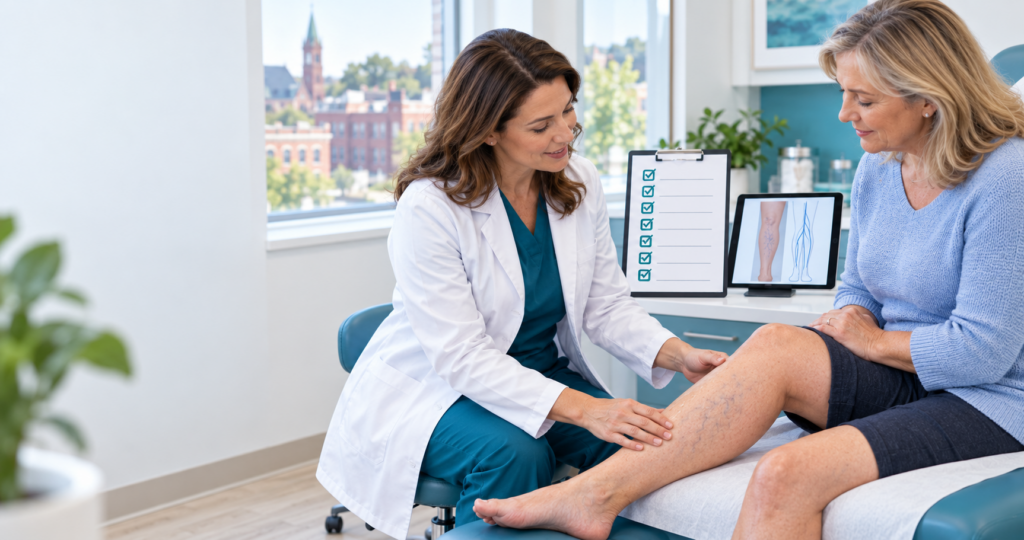
Aching legs by the end of the day. Veins that have started bulging along your calf. A dull heaviness that wasn’t there a few years ago. If any of that sounds familiar, you’ve probably already typed “vein specialist near me” into a search bar and found a short list of names in the Lehigh Valley. What most people don’t realize until they’re sitting in the waiting room is that not every practice approaches vein care the same way – and the provider you pick shapes everything from how accurately you’re diagnosed to whether your insurance actually covers the visit.
Before booking a vein specialist in Bethlehem, ask about the clinician’s vein-care experience, whether your symptoms call for duplex ultrasound, why a particular treatment is recommended, insurance costs, and follow-up care.
1. Are you board-certified, and in what specialty?
Vein care can be provided by doctors from different medical specialties, including vascular surgery and interventional radiology. Some doctors may also have additional certification in venous and lymphatic medicine. Ask about the provider’s qualifications, experience in vein care, and how often they treat patients with symptoms or conditions similar to yours.
2. Do you perform a duplex ultrasound before recommending treatment?
Veins do a lot of their damage where you can’t see it. Chronic venous insufficiency can cause varicose veins and symptoms such as aching, swelling, and leg heaviness when weakened valves allow blood to pool in the legs.
If you have varicose veins, leg swelling, heaviness, skin changes, or other symptoms of underlying vein disease, ask whether you need a duplex ultrasound before treatment. An ultrasound can help the provider examine blood flow and identify faulty vein valves. However, small spider veins that are only a cosmetic concern may not always require the same testing. For more information about how duplex ultrasound assesses vein blood flow, see the Society for Vascular Surgery’s varicose vein guide.
3. What treatment options do you offer, and why this one for me?
There’s no single “right” way to treat a vein – the best approach depends on size, location, and how much of what’s bothering you is physical discomfort versus appearance. Ask what’s on the table (sclerotherapy, radiofrequency or laser ablation, and compression therapy are the common ones), and more importantly, press for why the specialist is steering you toward that particular option instead of another.
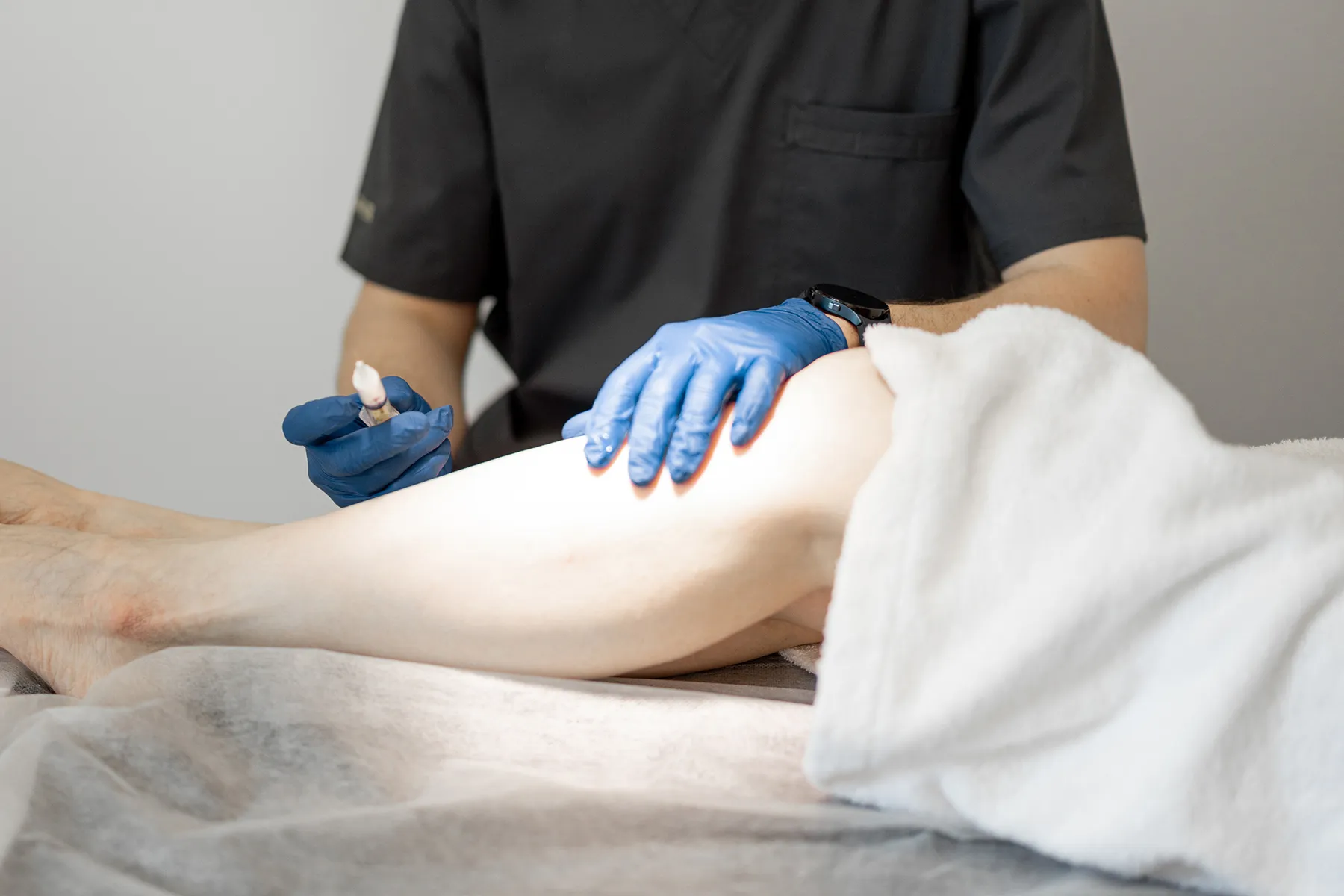
A good vein specialist in Bethlehem, PA should explain why a treatment fits your symptoms. If your leg discomfort doesn’t appear to come from a vein problem, ask what else could be causing it and whether an evaluation for pain care in Bethlehem, PA would be appropriate.
4. Will this be covered by my insurance, or is it out-of-pocket?
Insurance coverage often depends on medical necessity, documented symptoms, diagnostic findings, previous conservative treatment, and the requirements of the patient’s individual plan. If you’re considering MVM Health, ask the team at its Bethlehem clinic to explain what your plan may cover and what you might need to pay yourself.
Getting this sorted upfront saves you from a surprise bill later, and it also clarifies where any purely cosmetic add-ons fit into the overall cost. A practice that’s used to handling insurance verification should be able to give you a realistic estimate before you ever step into the treatment room, not just a vague reassurance that “most plans cover it.”
5. What does recovery and follow-up actually look like?
Most modern vein procedures are done in-office and minimally invasive, but “minimally invasive” isn’t the same as “zero downtime.” Ask how soon you’ll be back to work or exercise, whether compression stockings are part of the plan afterward, and how many follow-up visits it typically takes to evaluate the treatment results.
While you’re at it, ask what happens if symptoms come back, or if a different vein needs attention down the line – a good practice will have a straightforward answer.
6. How many patients with my specific condition have you treated?
Experience isn’t one-size-fits-all. A provider who mostly handles cosmetic spider veins may be far less comfortable with large varicose veins, clusters near the ankle, or a vein that’s recurred after treatment elsewhere. It’s fair to ask directly about volume and familiarity with cases like yours – and you can get a sense of a provider’s background ahead of time through MVM Health’s provider directory.
7. What happens at the very first vein evaluation appointment?

Knowing what’s coming makes the whole process less intimidating. Ask whether the ultrasound happens during the first visit or gets scheduled separately, roughly how long to block off on your calendar, and what to bring – insurance card, current medication list, and any prior imaging if you have it.
When booking at the Bethlehem clinic, confirm the appointment address, parking instructions, and whether any recommended ultrasound is scheduled for the same visit.
Choosing a Vein Specialist in Bethlehem, PA
These seven questions can help you compare providers and feel more prepared for your first visit. If you’d like to discuss your symptoms, MVM Health can help you explore the next steps.