
For patients focused on vein health in Scotch Plains, NJ, lifestyle changes may reduce mild vein-related symptoms such as leg heaviness, aching, and swelling. Regular movement, avoiding long periods in one position, maintaining a healthy weight, and elevating the legs can support circulation-but these habits cannot repair a damaged vein valve or eliminate established varicose veins.
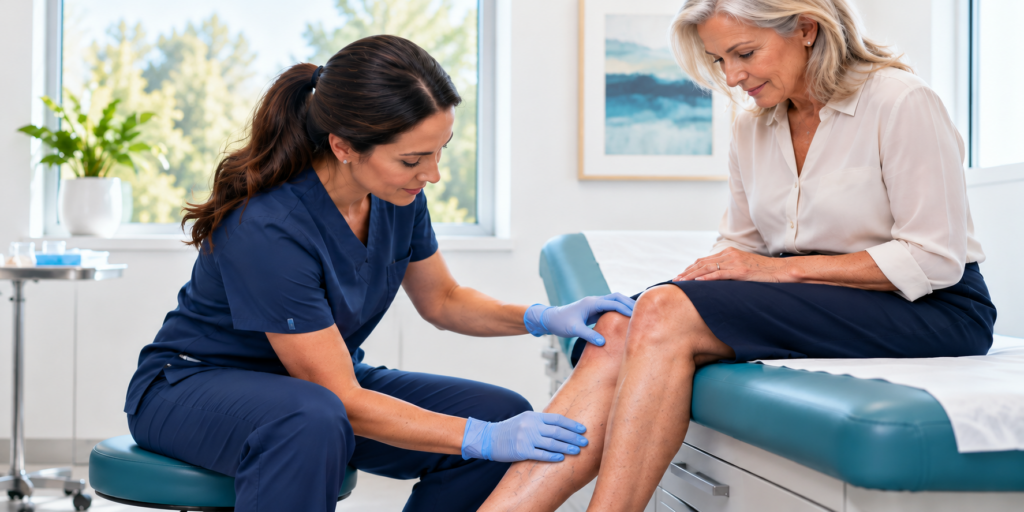
The key is knowing when symptoms can be managed with healthy habits and when they need medical evaluation. If swelling, heaviness, discomfort, or visible veins keep returning, the team at MVM Health’s Scotch Plains vein clinic can evaluate your circulation and help determine the appropriate next step.
Lifestyle Changes and Vein Health
The veins in your legs carry blood back toward your heart. Small valves inside these veins help keep blood moving upward rather than collecting in the lower legs.
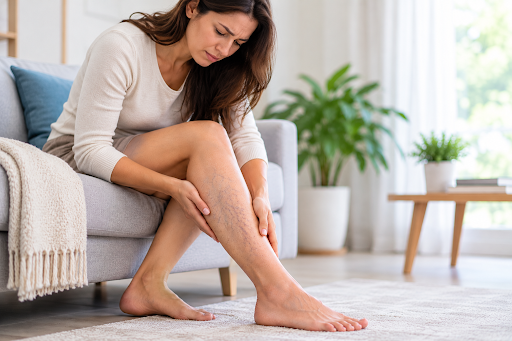
When the valves weaken, blood may begin to flow backward or pool. This can contribute to venous insufficiency and symptoms such as:
- Leg heaviness
- Aching or throbbing
- Ankle swelling
- Nighttime cramps
- Itching or burning
- Visible spider or varicose veins
Lifestyle changes can support the muscles that help move blood through the legs. They may reduce mild symptoms, but their effectiveness depends on the cause and severity of the vein problem.
The National Heart, Lung, and Blood Institute recommends regular physical activity, healthy weight management, position changes, and leg elevation to help manage varicose-vein symptoms.
Walking and Regular Movement
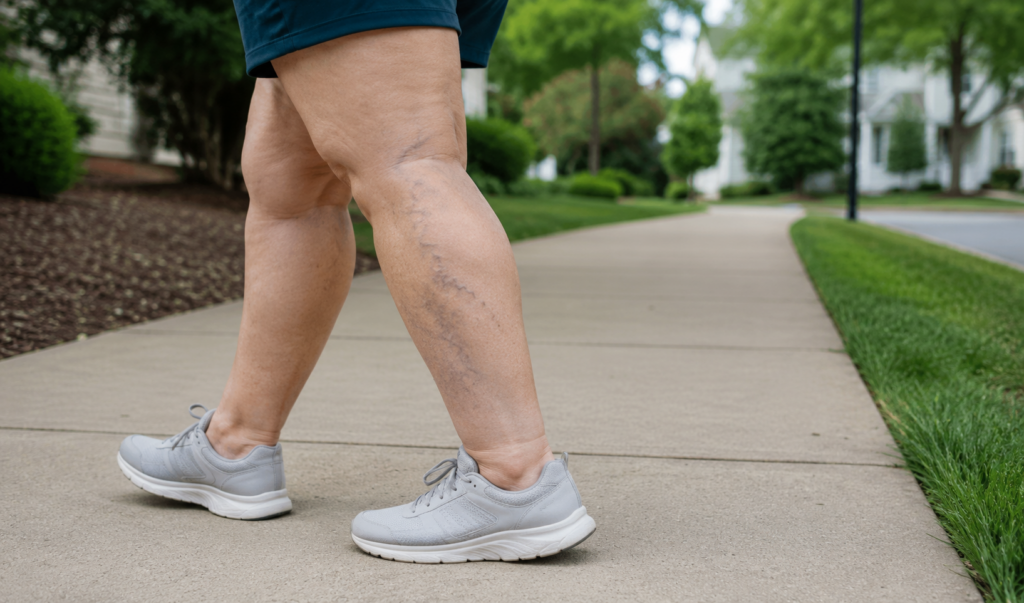
Walking activates the calf muscles, which help push blood out of the lower legs. Short, regular periods of movement may be more manageable than one demanding workout.
Helpful activities may include:
- Taking short walks during work breaks
- Using stairs when comfortable
- Performing ankle circles while seated
- Raising and lowering the heels
- Flexing the feet forward and backward
- Swimming or cycling when medically appropriate
Start with an activity level that suits your current health and mobility. Ask your healthcare provider before beginning a new exercise routine if you have significant swelling, heart disease, joint problems, recent surgery, or a history of blood clots.
Sitting and Standing Habits
Sitting or standing in one position for long periods can allow blood and fluid to collect in the lower legs. This commonly affects office workers, drivers, teachers, healthcare professionals, and retail employees.
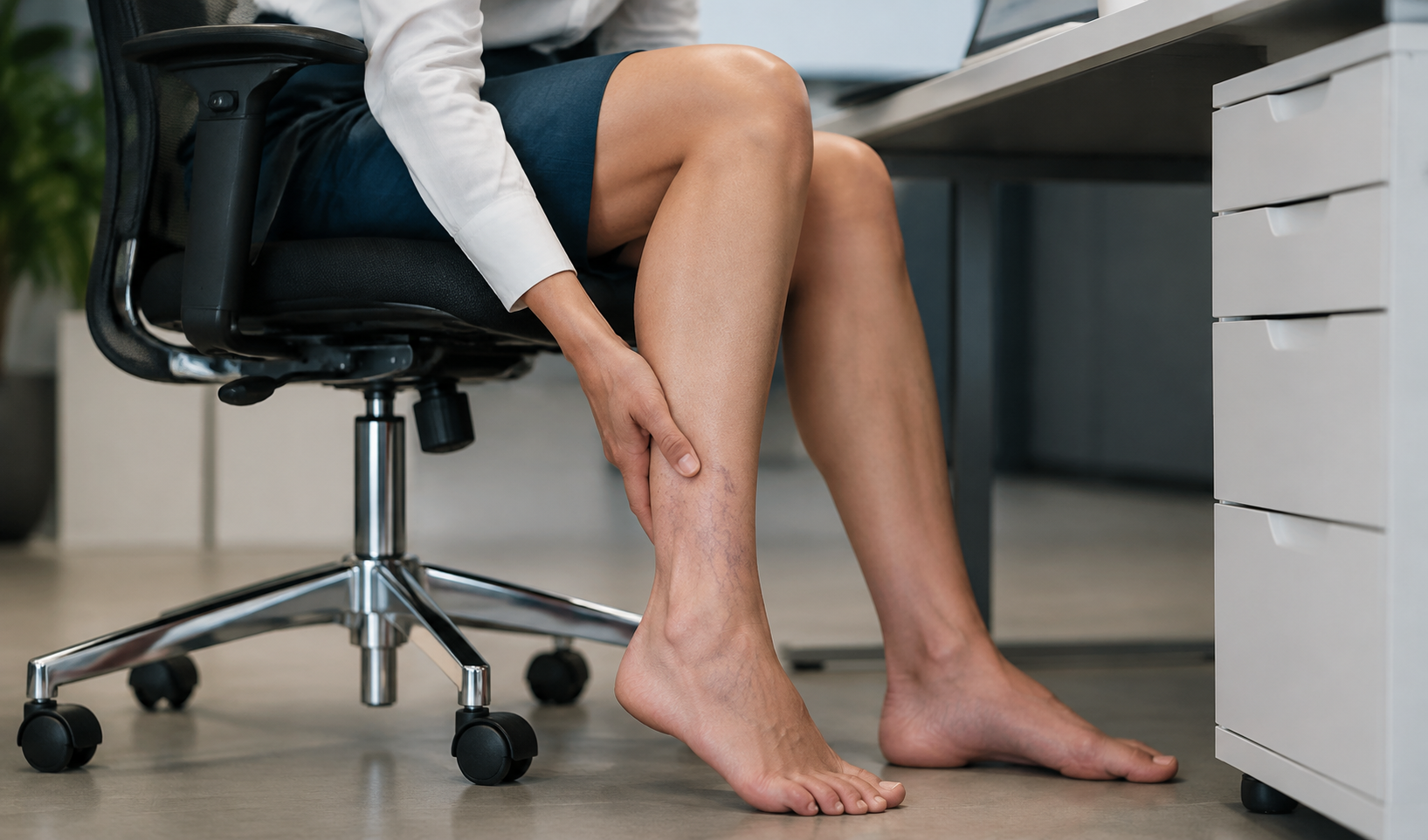
Try to change position or walk briefly every 30 to 60 minutes when possible.
If you sit for much of the day:
- Keep both feet supported
- Avoid crossing your legs for extended periods
- Perform ankle pumps under your desk
- Walk during available breaks
If your job requires standing:
- Shift your weight between your legs
- Perform gentle heel raises
- Walk briefly instead of standing completely still
- Elevate your legs after work
These habits may help control symptoms, but they will not correct an unhealthy vein.
Leg Elevation and Compression
Elevating your legs may temporarily reduce pressure inside the veins and help fluid move away from the ankles. When resting, place your legs in a comfortable position above heart level when possible.
Compression stockings may also help manage aching, heaviness, and vein-related leg swelling. They provide graduated pressure that supports blood flow through the legs.
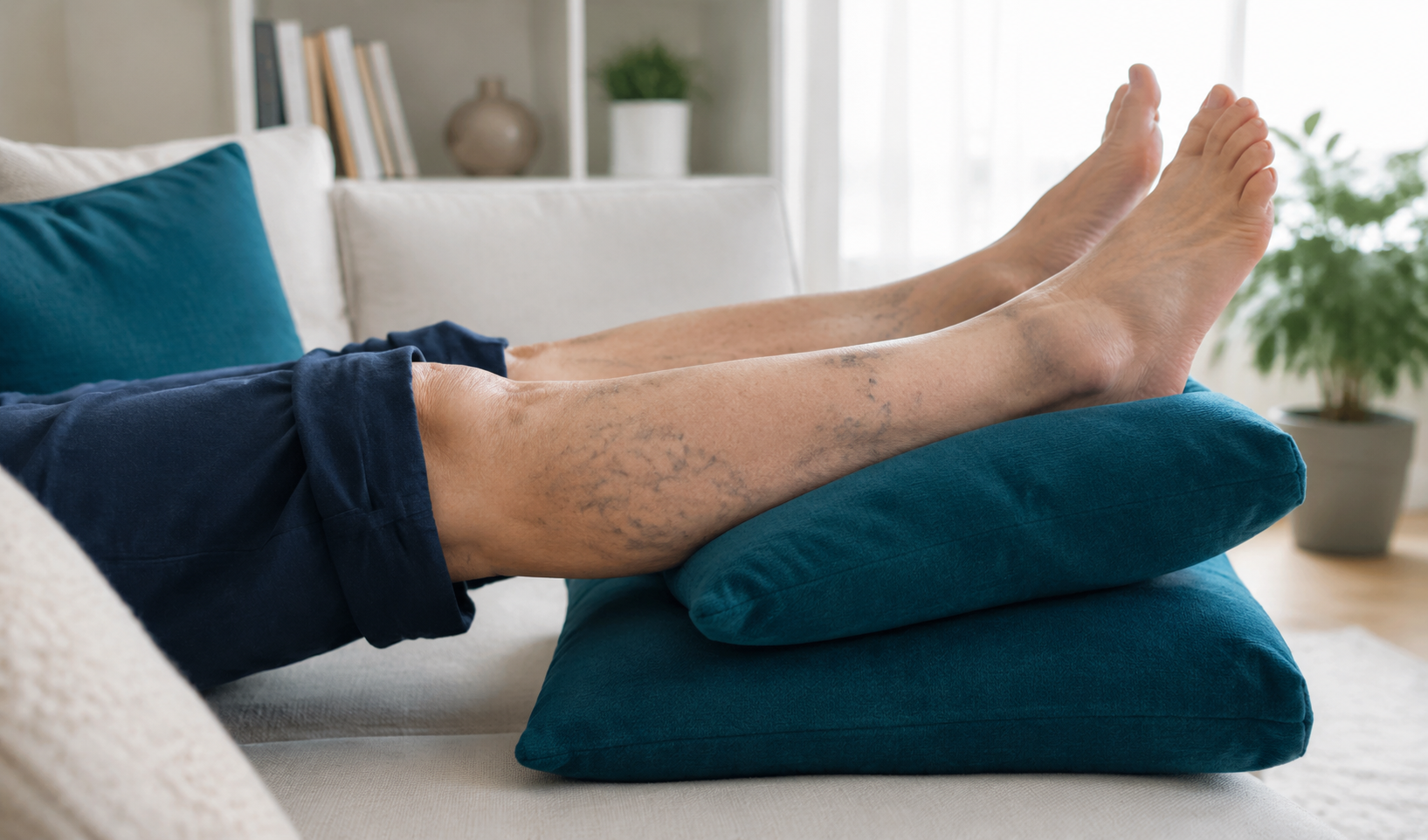
Medical-grade compression is not appropriate for everyone. Ask a healthcare professional about the correct size and compression level, especially if you have arterial disease, diabetes, skin problems, or reduced sensation in your feet.
Weight, Nutrition, and Hydration
Maintaining a healthy weight may reduce pressure on the veins in your legs. Weight loss will not remove existing varicose veins, but it may support circulation and make regular activity more comfortable.
A balanced eating pattern can support overall cardiovascular health. Consider including:
- Vegetables and fruits
- Whole grains
- Lean sources of protein
- Fiber-rich foods
- Foods lower in excess sodium
Reducing excess sodium may help some people limit fluid retention. However, leg swelling can have several causes and should not automatically be blamed on diet.
Adequate hydration supports general health, but drinking more water does not treat venous insufficiency. Supplements and “vein cleanse” products also cannot repair damaged vein valves.
Limits of Lifestyle Changes
Lifestyle changes can help manage symptoms, but they cannot reliably:
- Repair a damaged vein valve
- Close an unhealthy vein
- Remove established varicose veins
- Diagnose venous reflux
- Rule out a blood clot
- Stop progressing vein disease in every patient
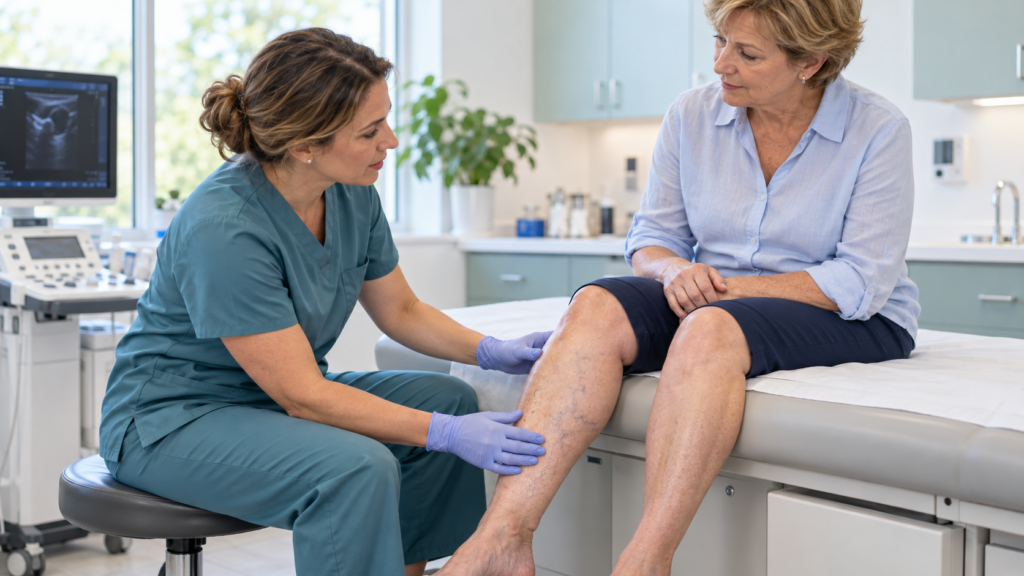
If symptoms continue despite regular movement, elevation, or compression, a vein health in Scotch Plains, NJ evaluation may be appropriate. Duplex ultrasound can help a clinician assess blood flow and determine whether weakened valves are contributing to the problem.
When an unhealthy vein is causing persistent symptoms, a physician may discuss minimally invasive leg vein treatment options. The appropriate treatment depends on the affected vein, symptoms, ultrasound findings, and medical history.
When Vein Symptoms Need Medical Attention
Consider scheduling a routine vein evaluation if you experience:
- Swelling that regularly worsens by evening
- Persistent aching, throbbing, or heaviness
- Bulging or tender varicose veins
- Itching or burning around a vein
- Increasing skin discoloration near the ankles
- Thickened or irritated skin
- A wound that heals slowly
- Symptoms that interfere with daily activities
Seek prompt medical attention for sudden pain, swelling, warmth, or redness in one leg. These symptoms can have several causes, including a possible blood clot.
Vein Care in Scotch Plains
Scotch Plains residents may spend long periods commuting, working at a desk, or standing during the day. A simple routine can make healthy vein habits easier to maintain:
- Walk or perform gentle calf raises in the morning.
- Change position regularly during work.
- Use ankle pumps while sitting.
- Elevate your legs after a long day.
- Track recurring swelling, heaviness, or aching.
- Seek an evaluation if symptoms persist.
If you are searching for a vein doctor near me, schedule a visit at our Scotch Plains location to have the cause of your symptoms evaluated rather than treating only the visible vein.
Take the Next Step for Better Vein Health
Small daily changes may help with leg heaviness, aching, and swelling. Take the quick self-check to understand whether your symptoms may need further evaluation.