


GLP-1 side effects are overwhelmingly gastrointestinal: nausea, vomiting, diarrhea, and constipation, and they’re most intense during the first few weeks after starting the medication or increasing your dose. Nausea affects roughly 20 to 44% of people on semaglutide and slightly fewer on tirzepatide, according to clinical trial data. Most GI symptoms improve within four to eight weeks as your body adjusts. Serious side effects like pancreatitis or gallbladder disease are uncommon but require prompt medical attention.
If you’re starting semaglutide (Ozempic, Wegovy), tirzepatide (Mounjaro, Zepbound), or another GLP-1 medication, side effects are less a question of “if” than “when” and “how much.” Most people experience some degree of nausea, digestive changes, or appetite suppression in the first few weeks, and for most, it’s manageable and temporary. But “manageable” doesn’t mean you should just white-knuckle through it, and knowing what’s normal versus what needs a call to your provider makes a real difference in how well you tolerate treatment long-term.
I’ve had more than a few patients tell me they almost quit their GLP-1 medication in week two because nobody warned them how rough the first dose increase can feel. That’s usually avoidable. This guide walks through exactly what to expect, week by week and symptom by symptom, plus the specific strategies that actually help, and the warning signs that mean it’s time to stop guessing and call your provider.
Why GLP-1 Medications Cause Side Effects in the First Place
GLP-1 receptor agonists work in part by slowing down how quickly your stomach empties. That’s a big part of why they’re so effective for appetite control: food sits in your stomach longer, so you feel full sooner and stay full longer. It’s also exactly why nausea, bloating, and slowed digestion are such common complaints. You’re not reacting badly to the medication; you’re experiencing the mechanism working as intended, just more intensely than your digestive system has adjusted to yet.
This is also why side effects tend to spike specifically around dose increases rather than staying constant. Each time your dose goes up, your gut has to readjust to a stronger effect on motility, which is why the standard approach to starting a GLP-1 medication involves a slow titration schedule rather than jumping straight to a therapeutic dose.
Common GLP-1 Side Effects: What the Data Actually Shows
Clinical trial data across semaglutide and tirzepatide studies gives a fairly consistent picture of how often each side effect shows up.
| Side Effect | Semaglutide (approx.) | Tirzepatide (approx.) | Typically Worst During |
| Nausea | 20–44% | ~31% | First 2–4 weeks at each new dose |
| Diarrhea | 21–30% | Similar range | Ongoing, tends to fluctuate |
| Vomiting | 9–24% | Generally lower than semaglutide | Dose increases |
| Constipation | 11–24% | Similar range | Can persist throughout treatment |
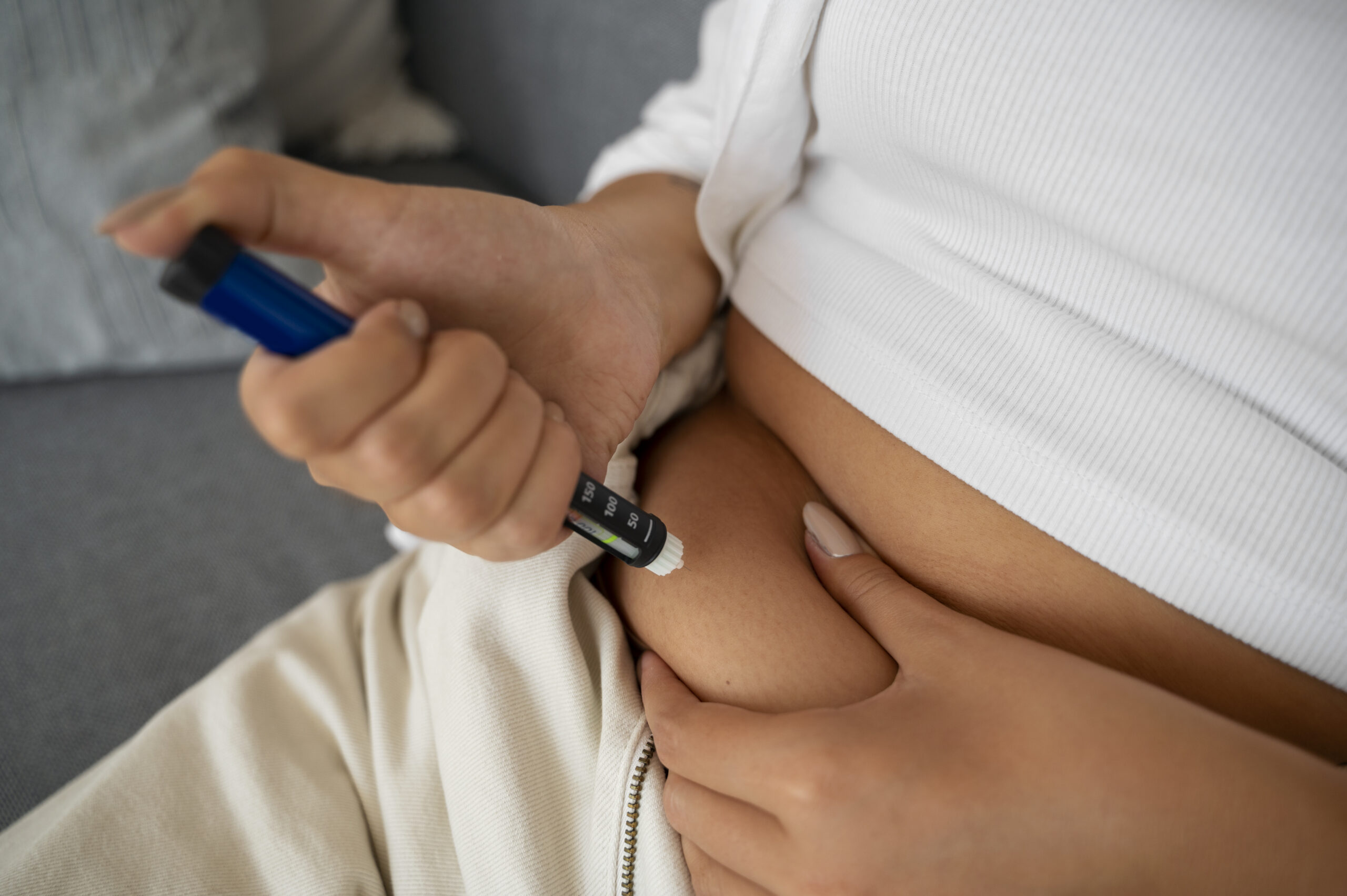
| Injection site reactions | Uncommon, usually mild | Uncommon, usually mild | First few doses |
| Fatigue | Reported by a minority of users | Similar | Early treatment phase |
Tirzepatide’s dual mechanism, which acts on both the GLP-1 and GIP receptors, appears to produce a somewhat milder GI side effect profile than semaglutide in several comparative studies, though individual responses vary considerably. Neither medication is reliably “easier” for every patient; some people tolerate one better than the other for reasons that aren’t fully predictable in advance.
Ozempic Nausea, Specifically
Ozempic nausea deserves its own mention because it’s the single most common reason people consider stopping semaglutide treatment. It typically shows up within the first few days of starting the medication or bumping up a dose, tends to be worst in the morning or after eating, and gradually fades over several weeks as your body adjusts. It’s rarely severe enough to require stopping treatment outright, but it’s uncomfortable enough that most people benefit from proactive management rather than just waiting it out.
Need Support With Your GLP-1 Weight Management Journey?
GLP-1 medications can be an effective part of a weight management plan, but choosing the right approach requires understanding your health history, goals, and how your body responds to treatment. At MVM Health, our team provides personalized guidance to help you navigate medication options, manage side effects, and build a sustainable plan for your weight goals.
Less Common but Important Side Effects
Beyond the GI symptoms that dominate the conversation, a few other effects are worth knowing about:
- Fatigue and low energy, particularly in the first few weeks, likely related to reduced calorie intake alongside the medication’s direct effects.
- Dizziness or lightheadedness, which can happen with reduced food intake or, in people also taking blood pressure or diabetes medications, from blood sugar or blood pressure dropping lower than expected.
- Hair thinning, which is more commonly linked to rapid weight loss itself than to the medication directly, and tends to resolve once weight stabilizes.
- Muscle and lean mass loss, an area of growing clinical attention. Significant weight loss on any method, including GLP-1 medications, can include a meaningful proportion of lean muscle mass unless resistance training and adequate protein intake are part of the plan.
- Vestibular symptoms, including vertigo or dizziness episodes, have emerged as a signal in post-marketing safety data. This isn’t yet a well-established, common side effect, but it’s an active area of monitoring worth mentioning if you experience unexplained balance issues.
Serious Side Effects to Watch For
Most GLP-1 side effects are uncomfortable but not dangerous. A smaller set of symptoms fall into a different category and need prompt medical attention rather than home management.
- Pancreatitis. Severe, persistent abdominal pain that may radiate to the back, sometimes with nausea and vomiting that doesn’t follow the usual pattern. This affects a small minority of users but requires immediate evaluation.
- Gallbladder disease. Rapid weight loss itself, not just the medication, raises the risk of gallstones. Symptoms include sudden, intense pain in the upper right abdomen, often after eating.
- Severe allergic reaction. Swelling of the face, lips, tongue, or throat, difficulty breathing, or a widespread rash require emergency care.
- Kidney problems. Severe vomiting or diarrhea can lead to dehydration significant enough to affect kidney function, particularly in people with existing kidney disease.
- Signs of low blood sugar, especially in people also taking insulin or sulfonylureas: shakiness, sweating, confusion, or a rapid heartbeat.
GLP-1 medications also carry a boxed warning regarding a potential risk of thyroid C-cell tumors, based on findings in animal studies. Because of this, they’re not recommended for people with a personal or family history of medullary thyroid carcinoma or multiple endocrine neoplasia syndrome type 2. This is a conversation worth having directly with your prescribing provider before starting treatment, not something to assess on your own.
How to Manage GLP-1 Side Effects: What Actually Helps
For Nausea (Including Ozempic Nausea)
- Eat smaller, more frequent meals instead of three large ones
- Avoid high-fat, greasy, or heavily fried foods, which slow digestion further and tend to worsen nausea
- Stop eating at the first sign of fullness rather than pushing through it
- Stay upright for 30 to 60 minutes after eating
- Sip ginger tea or use ginger chews, which have modest but real evidence for easing mild nausea
- Talk to your provider about a slower titration schedule if nausea is significant; there’s no rule that says you have to follow the standard timeline if your body needs more time
For Diarrhea
- Increase fluid and electrolyte intake to offset losses
- Limit caffeine and alcohol, both of which can worsen GI symptoms
- Introduce fiber gradually rather than all at once, since a sudden increase can worsen symptoms in either direction
For Constipation
- Increase water intake specifically, not just total fluid volume
- Add fiber gradually through food first, then consider a fiber supplement if needed
- Stay physically active; even short daily walks help support gut motility
- Ask your provider about a short-term stool softener if dietary changes aren’t enough
For Fatigue
- Make sure you’re eating enough overall, appetite suppression can sometimes mean falling short on total calories and nutrients
- Prioritize protein intake specifically, since this supports both energy and lean muscle preservation
- Keep an eye on hydration, since mild dehydration commonly masquerades as fatigue
A Realistic Timeline: What to Expect Week by Week
| Timeframe | What’s Typical |
| Week 1–2 | Mild nausea, appetite suppression, possible fatigue; symptoms often mild if starting dose is low |
| Week 3–4 | Symptoms may intensify slightly with the first dose increase |
| Week 5–8 | GI symptoms typically begin easing as the body adjusts |
| Ongoing | Constipation may persist longer than other GI symptoms; most other side effects diminish significantly by this point |
This timeline shifts with every dose increase, so it’s common to feel like you’re “back to week one” briefly each time your dose goes up, even months into treatment. That’s expected, not a sign something is wrong.
When to Call Your Provider
Reach out to your prescribing provider, rather than managing it alone, if you experience:
- Vomiting that prevents you from keeping fluids down for more than 24 hours
- Severe or worsening abdominal pain, particularly if it radiates to your back
- Signs of dehydration: dark urine, dizziness upon standing, or a noticeably reduced need to urinate
- Symptoms of low blood sugar, especially if you’re also on insulin or another diabetes medication
- Any symptom that feels disproportionate to what you were told to expect
There’s no such thing as a question too small to ask your care team when you’re adjusting to a new medication. Side effect management works best as an ongoing conversation, not a one-time instruction sheet handed to you at your first appointment.
Key Takeaways
- GLP-1 side effects are overwhelmingly gastrointestinal and tend to peak around dose increases, then improve over several weeks.
- Ozempic nausea and similar semaglutide side effects are common but rarely dangerous, and usually respond well to simple dietary adjustments.
- Tirzepatide side effects follow a similar pattern but may be somewhat milder for some patients, though this varies individually.
- Serious side effects, such as pancreatitis, gallbladder disease, and severe allergic reactions, are uncommon but require prompt medical attention.
- A slower titration schedule is a legitimate option if side effects are significant, not a sign of failure.
- Protein intake and light resistance activity help protect lean muscle mass during GLP-1-related weight loss.
Frequently Asked Questions
How long do GLP-1 side effects last?
Most gastrointestinal side effects peak within the first two to four weeks of starting the medication or increasing your dose, then improve significantly over the following four to eight weeks. Constipation tends to be the most persistent symptom and may continue at a lower level throughout treatment.
Is Ozempic nausea a sign that something’s wrong?
No, in most cases. Nausea is one of the most common and expected side effects of semaglutide, caused by the medication slowing stomach emptying. It’s only concerning if it’s severe, prevents you from keeping fluids down, or is accompanied by intense abdominal pain.
Are tirzepatide side effects different from semaglutide side effects?
They’re broadly similar since both medications affect the GLP-1 pathway, but tirzepatide’s added action on the GIP receptor appears to produce a somewhat milder gastrointestinal side effect profile for many patients, according to comparative studies. Individual tolerance still varies quite a bit from person to person.
Can I avoid GLP-1 side effects entirely?
Not entirely, but you can meaningfully reduce their severity through a slower dose titration, smaller and lower-fat meals, adequate hydration, and stopping at the first sign of fullness. Most people experience some symptoms, especially early on, but very few need to discontinue treatment because of them.
What’s the most serious GLP-1 side effect to watch for?
Pancreatitis and gallbladder disease are the two most serious, though uncommon, risks. Both typically present with significant abdominal pain that’s noticeably different from routine nausea or bloating, and both require prompt medical evaluation rather than home management.
Will GLP-1 side effects come back every time my dose increases?
Often, yes, to some degree. It’s common to notice a temporary uptick in nausea or GI symptoms for a few days to a couple of weeks after each dose increase, even if you’d fully adjusted to the previous dose. This is a normal part of the titration process, not a sign that something has gone wrong.
Do GLP-1 medications cause muscle loss?
Significant weight loss from any method, including GLP-1 medications, can include some loss of lean muscle mass alongside fat loss. Adequate protein intake and regular resistance exercise during treatment help minimize this and are increasingly recommended as a standard part of GLP-1 treatment plans, not an optional add-on.