

Introduction
Back pain is a common ailment experienced by people of all ages. It can be triggered by various factors and may range from mild discomfort to debilitating agony. While some instances of back pain resolve on their own with time and self-care, others may require medical intervention. In this article, we will explore different aspects of back pain, including when it may alleviate naturally and when it is essential to seek professional medical advice.
Understanding Back Pain
Back pain refers to discomfort or pain felt in the back, ranging from the upper neck to the lower spine. It can be categorized into acute (short-term) or chronic (long-lasting) pain. Understanding the underlying causes of back pain is crucial to determine whether it will resolve on its own or necessitate medical attention.
Causes of Back Pain
Muscle Strain: Overexertion, lifting heavy objects, or sudden movements can strain the back muscles, leading to acute pain.
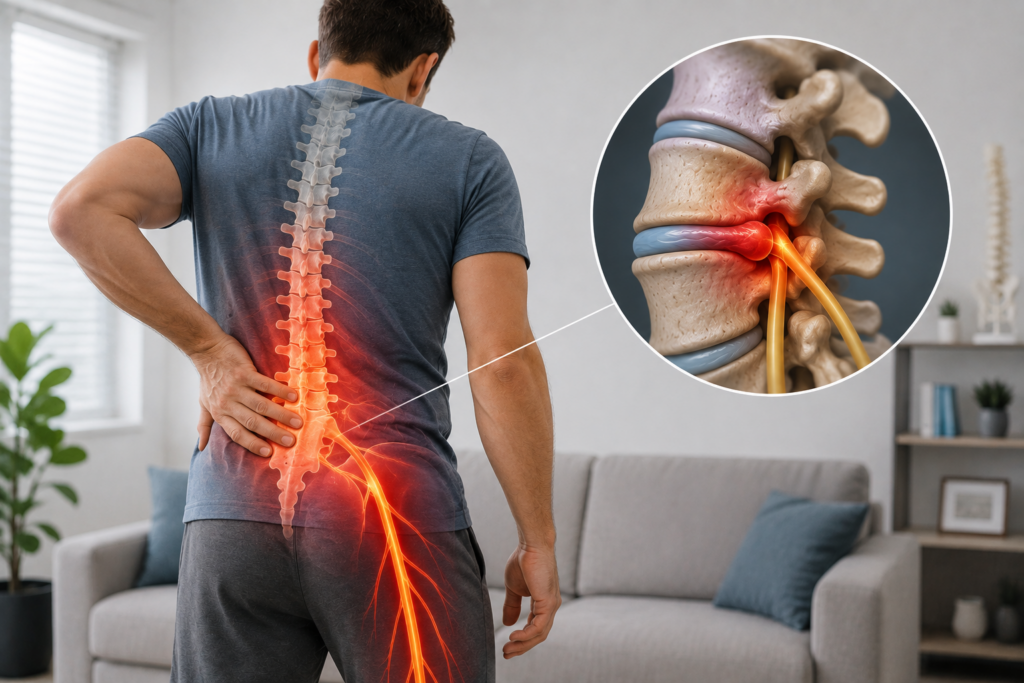
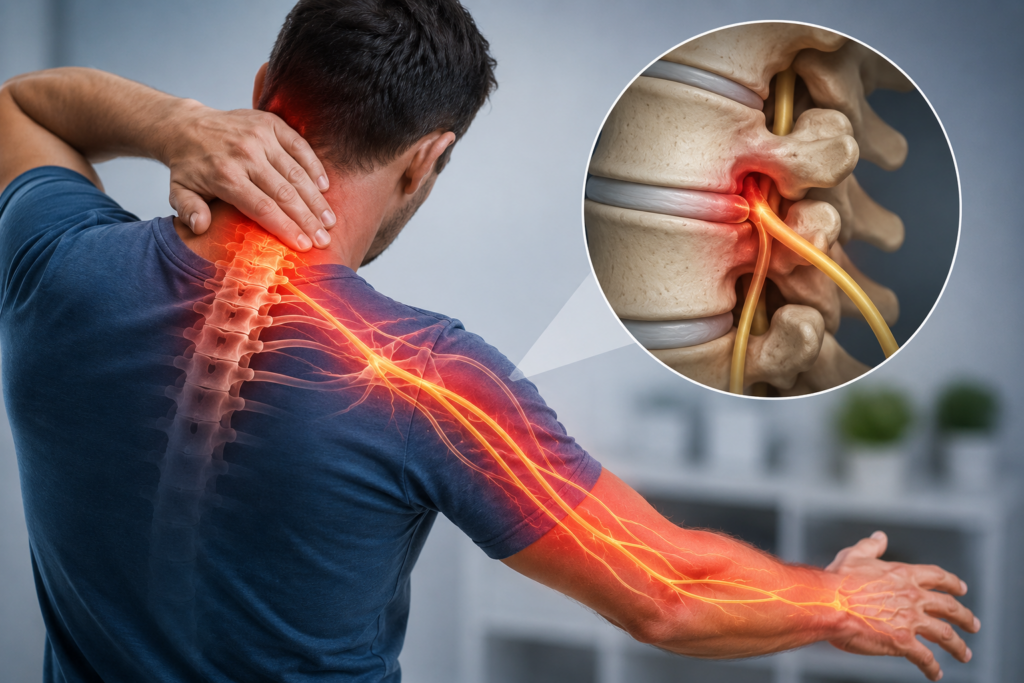
Disc Problems: Issues such as herniated discs or degenerative disc disease can cause localized or radiating pain.
Arthritis: Osteoarthritis and other forms of arthritis can affect the spine, causing chronic pain.
Poor Posture: Prolonged poor posture can strain the back, leading to discomfort.
Injury or Accident: Traumatic incidents like falls or car accidents may result in back pain.
When Back Pain Will Go Away on Its Own
In many cases, back pain is self-limiting and improves within a few days to a few weeks with home care.
Acute Back Pain: Acute back pain, usually caused by muscle strain, tends to resolve with proper rest, gentle stretching, and over-the-counter pain medications.
Self-Care Measures: Applying heat or ice, avoiding strenuous activities, and maintaining proper posture can also aid in the natural healing process.
When to Consult a Physician
While some back pain episodes can be managed at home, certain indicators warrant medical attention.
Persistent Pain: If the pain persists for more than a few weeks or worsens despite self-care efforts, consulting a physician is essential.
Neurological Symptoms: Back pain accompanied by numbness, tingling, or weakness in the legs or arms could indicate nerve compression, necessitating medical evaluation.
Underlying Conditions: Individuals with a history of osteoporosis, cancer, or other underlying health conditions should seek medical advice promptly.
Impact on Daily Life: When back pain interferes with daily activities, work, or sleep, professional medical evaluation is advisable.
Diagnosing Back Pain
Proper diagnosis is crucial for effective management.
Physical Examination: A physician will conduct a thorough physical examination to assess the range of motion, reflexes, and nerve function.
Medical Imaging: X-rays, MRIs, or CT scans may be recommended to identify structural abnormalities or injuries.
Specialist Referral: In complex cases, a specialist like an orthopedist, interventional pain management specialist or a neurologist may be consulted for further evaluation.
Treatment Options
Treatment approaches vary depending on the cause and severity of the back pain.
Medications: Over-the-counter pain relievers or prescription medications may be prescribed to alleviate discomfort.
Physical Therapy: Targeted exercises and stretches can improve back strength and flexibility.
Chiropractic Care: Spinal adjustments performed by a chiropractor can provide relief in certain cases.
Injections: Corticosteroid injections may be recommended for reducing inflammation and pain.
Surgery (Last Resort): Surgical intervention is considered if conservative treatments fail to provide relief.
Preventive Measures
Preventing back pain is essential for long-term well-being.
Exercise and Stretching: Regular physical activity and stretching exercises help strengthen the back muscles.
Proper Posture: Maintaining good posture while sitting, standing, and lifting can reduce the risk of back pain.
Ergonomic Support: Using ergonomic furniture and accessories can alleviate strain on the back during work.
Healthy Lifestyle Habits: A balanced diet, sufficient sleep, and stress management contribute to overall back health.
Coping with Back Pain
Managing chronic back pain requires a holistic approach.
Support and Understanding: Emotional support from family and friends can ease the psychological burden of chronic pain.
Mental Health Considerations: Addressing anxiety or depression related to chronic pain is crucial.
Alternative Therapies: Techniques like acupuncture, yoga, or meditation can complement conventional treatments.
Conclusion
Back pain is a prevalent issue that can range from mild discomfort to severe pain. While many cases of back pain will resolve with self-care measures, persistent or severe pain warrants medical evaluation. Early diagnosis and appropriate management are key to improving back health and overall quality of life.
FAQs
1. Is back pain common among young adults?
a. Yes, back pain can affect individuals of all ages, including young adults, due to various lifestyle factors and sedentary habits.
2. Can stress contribute to back pain?
a. Yes, stress can manifest physically as muscle tension, leading to back pain in some individuals.
3. Are there any exercises to avoid with back pain?
a. High-impact activities or exercises that involve heavy lifting should be avoided during acute back pain episodes.
4. Can back pain be a symptom of a serious medical condition?
a. In some cases, chronic back pain may be a symptom of an underlying medical condition that requires proper diagnosis and treatment.
5. Is surgery the only solution for chronic back pain?
a. Surgery is considered only when conservative treatments have not provided significant relief, and there is a clear indication for surgical intervention. Other non-invasive options should be explored first.